
When our production floor ships hundreds of pressotherapy machines 1 monthly, we’ve seen how a single tracking gap can stall an entire product launch. Your downstream customers expect on-time deliveries DDP (Delivered Duty Paid) terms 2. But how do you know if your supplier can deliver?
To evaluate supplier logistics tracking timeliness, request historical on-time delivery data (target 95% or higher), verify real-time tracking capabilities using GPS or IoT sensors, confirm key milestone reporting protocols, and assess door-to-door logistics experience through certifications and client references before placing orders.
This guide breaks down the exact steps to verify your supplier’s logistics reliability Incoterms 3. We cover real-time tracking, milestone reporting, door-to-door capabilities, and delivery time accuracy. Let’s dive in.
How can I verify if a supplier provides real-time tracking for my pressotherapy machine orders?
When we ship pressotherapy machines to clients in the US and Europe, we know that silence during transit causes anxiety. You need visibility—not promises. The question is: how do you confirm a supplier actually has real-time tracking?
Verify real-time tracking by asking suppliers for access to their tracking portal or third-party logistics dashboards. Confirm they use GPS, IoT sensors, or RFID technology. Request sample tracking reports showing milestone updates, and check if tracking information integrates with major carriers like FedEx, DHL, or UPS.
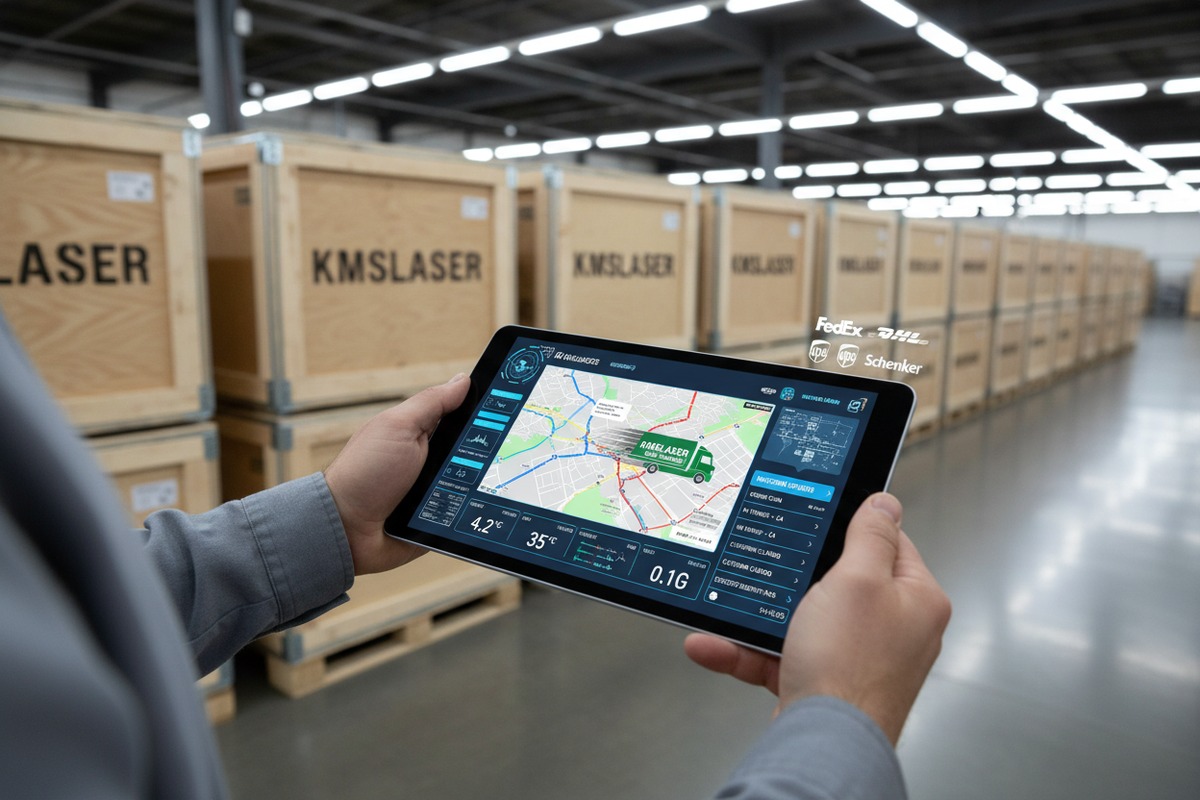
What Real-Time Tracking Actually Means
Real-time tracking goes beyond a simple tracking number. Using technologies such as GPS and IoT sensors 4 provide continuous updates on shipment status. By having real-time data, businesses can quickly respond to disruptions, optimize routes, and ensure that devices are delivered in a timely manner.
For medical-grade equipment like pressotherapy machines, visibility is critical. Medical device tracking systems 5 enhance patient safety, regulatory compliance, and operational efficiency by ensuring accurate monitoring of medical equipment. Real-Time Location Systems (RTLS) provide real-time visibility into the location and status of devices, significantly improving resource allocation and reducing equipment retrieval time.
Questions to Ask Your Supplier
Before signing any contract, ask these specific questions:
| Question | Why It Matters | Red Flag Response |
|---|---|---|
| Do you provide a tracking portal? | Direct access shows transparency | "We email updates manually" |
| Which carriers do you use? | Major carriers have reliable tracking | Unnamed or obscure carriers |
| Can I see a sample tracking report? | Proves system exists | Hesitation or vague answers |
| How often is tracking updated? | Frequency matters for planning | "Every few days" |
| Do you use GPS or RFID? | Technology indicates sophistication | "Just standard tracking" |
Technology Behind Reliable Tracking
Advanced networks combine GPS with cellular, Bluetooth/Wi-Fi, multi-radio/LoRa (a low-power, wide-area protocol), and RFID (radio frequency identification) technology 6 to ensure continuous visibility and real-time status updates for healthcare shipments.
At our facility in Guangzhou, we partner with logistics providers who offer sensor-based tracking. This matters because pressotherapy machines contain sensitive electronics. You need to know not just where your shipment is, but whether it's being handled properly.
Carrier Integration Checklist
Reputable suppliers send shipping confirmation emails with tracking numbers upon dispatch, allowing buyers to monitor packages through carrier websites (USPS, UPS, FedEx, DHL).
Here's what integrated tracking should include:
- Automatic tracking number generation upon dispatch
- Real-time location updates every 24 hours minimum
- Exception alerts for delays or route changes
- Estimated delivery date adjustments
- Proof of delivery confirmation
What specific logistics milestones should my manufacturer report to ensure my shipment is on schedule?
In our experience exporting pressotherapy machines to North America, we've learned that milestone reporting separates reliable suppliers from problematic ones. Without clear checkpoints, you're flying blind.
Your manufacturer should report at least five key milestones: production completion, quality inspection passed, goods dispatched from factory, export customs cleared, in-transit updates, arrival at destination port, import customs cleared, and final delivery confirmation. Each milestone should include date, time, and any exception notes.
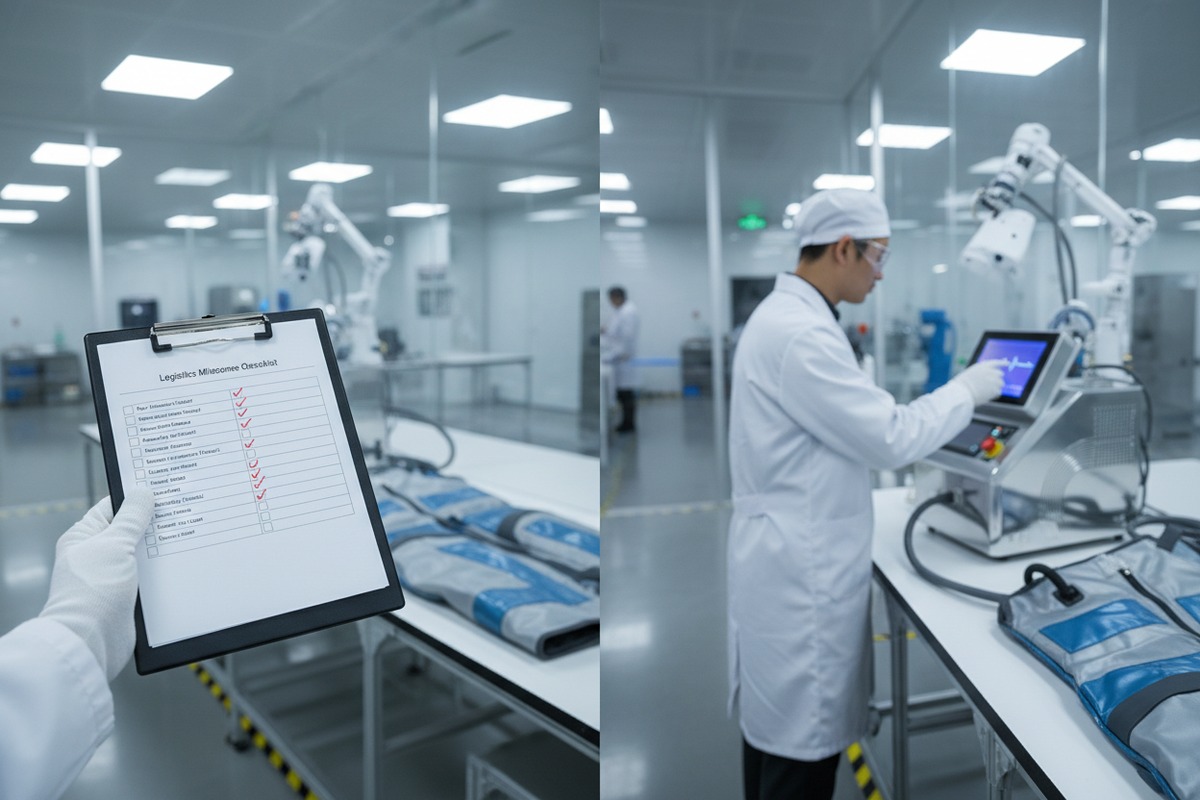
The Essential Milestone Framework
Door-to-door shipping 7 is designed for maximum convenience, providing an end-to-end solution. The total transit time for door to door shipping from China to USA encompasses all stages from pick-up at the supplier's location in China to final delivery at your specified address in the US. This means it includes: Origin logistics: Pick-up, warehousing, packaging, and export customs clearance. Main carriage: The actual sea freight or air freight transit time.
Here's the milestone framework we use at our factory:
| Milestone | When It Occurs | What You Should Receive |
|---|---|---|
| Production Complete | End of manufacturing | Photo of finished units |
| QC Passed | After inspection | Test report summary |
| Packed & Ready | Before pickup | Packing list with weights |
| Factory Dispatch | Day of pickup | Waybill/tracking number |
| Export Cleared | 1-2 days after dispatch | Customs clearance confirmation |
| Departed Origin | Loading confirmed | Vessel/flight details |
| In-Transit Update | Weekly for sea, daily for air | Current location status |
| Arrived Destination | Port/airport arrival | Arrival notice |
| Import Cleared | After customs release | Clearance documents |
| Out for Delivery | Final mile begins | Driver ETA |
| Delivered | Goods received | Proof of delivery |
Why Each Milestone Matters
Effective planning means the correct devices in the correct volume arrive as and when needed, keeping trial timelines on track. This includes end-to-end management; from collection to delivery.
Production milestones let you prepare your warehouse. Customs milestones help you anticipate duty payments. Transit updates allow you to coordinate with your sales team.
Communication Protocols
Ask your supplier:
- What channel will you use? Email, WhatsApp, or dedicated portal?
- How quickly will you report exceptions? Same day or next day?
- Who is my primary contact? Named person or rotating staff?
- What happens on weekends? Coverage or delayed updates?
Building a Milestone Agreement
Include milestone reporting requirements in your purchase contract. Specify:
- Exact milestones to be reported
- Maximum time between milestone and notification
- Format of updates (text, photo, document)
- Escalation process for missed milestones
- Consequences for reporting failures
How do I assess a supplier's capability to handle door-to-door logistics for my private-label machines?
When we customize pressotherapy machines with client branding, logistics becomes more complex. Private-label orders involve specific packaging, documentation, and handling requirements. You need a supplier who can manage the entire chain.
Assess door-to-door capability by verifying the supplier's freight forwarder relationships, checking their experience with customs documentation for your destination country, requesting references from similar private-label clients, and confirming they offer DDP (Delivered Duty Paid) terms with transparent cost breakdowns.
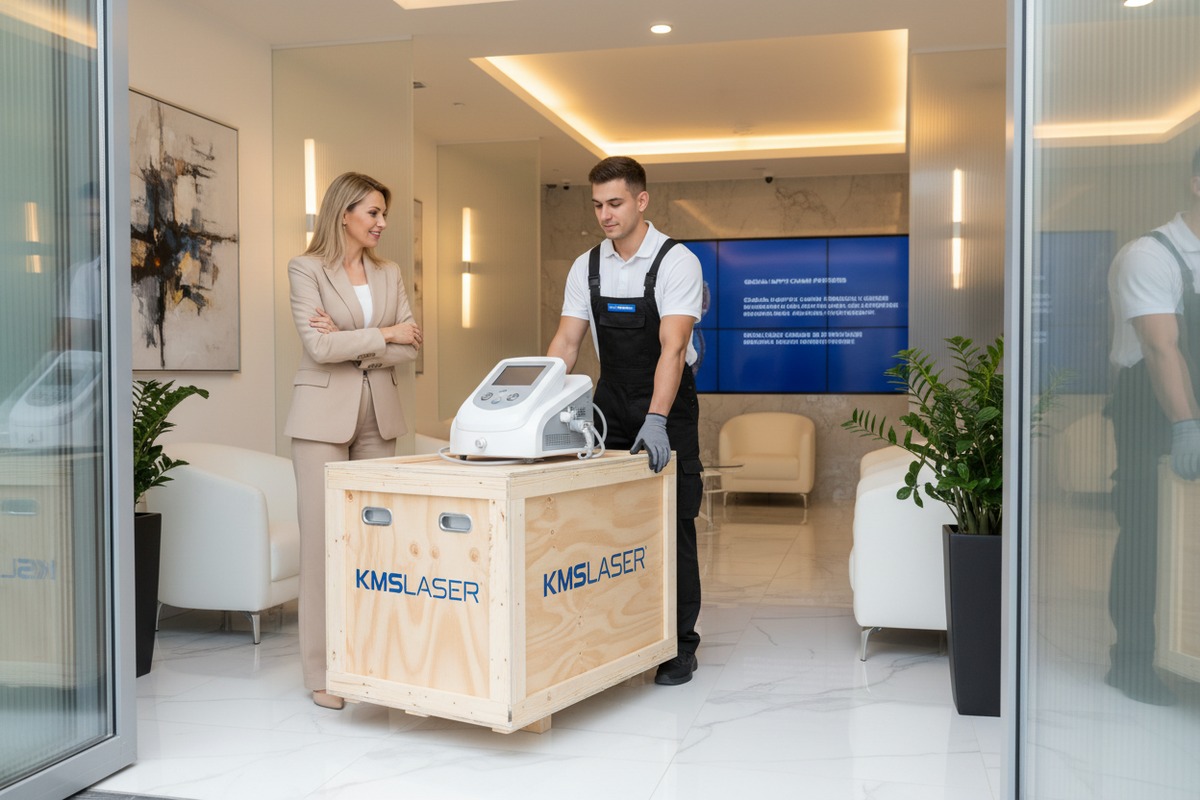
Understanding Door-to-Door Service
Door to door shipping means your cargo is collected at the supplier's location in China and delivered directly to your warehouse or address in the USA. Freight forwarders 8 or logistics companies manage the entire process. This service reduces complexity, making it ideal for businesses with limited logistics expertise.
For private-label pressotherapy machines, door-to-door service should include:
- Factory pickup with proper handling
- Export documentation with your brand name
- Customs brokerage at both ends
- Final mile delivery to your specified address
- White glove service for sensitive equipment
Transit Time Expectations
Door-to-door delivery service from China to the USA can take 1-5 working days for Express air freight and 5-10 work days for standard air freight. You can expect to receive your goods within 30 days for sea freight.
Here's a realistic timeline breakdown:
| Shipping Method | Transit Time | Best For |
|---|---|---|
| Express Air (DHL/FedEx/UPS) | 3-7 days | Urgent samples, small orders |
| Standard Air | 7-12 days | Medium orders, moderate urgency |
| Sea + Air Hybrid | 15-20 days | Balanced cost and speed |
| Sea Freight (LCL) | 25-40 days | Large orders, cost priority |
| Sea Freight (FCL) | 20-35 days | Full containers, bulk orders |
Standard air freight between China and the US generally takes around 8-10 days. It's not that planes are slower; it comes down to the fact that air freight processes are more complicated than for express freight. Express air freight services typically shave 2-3 days off standard air freight transit times.
Evaluating Logistics Partners
Ask your supplier about their logistics network:
- Who are your freight partners? Named carriers indicate established relationships.
- Do you have US warehouse options? Local stock speeds delivery.
- Can you handle FDA/customs inspections? Medical devices need proper documentation.
- What's your experience with private-label packaging? Custom boxes require careful handling.
DDP vs. Other Incoterms
For private-label buyers, DDP (Delivered Duty Paid) offers the most convenience:
| Incoterm | Your Responsibility | Supplier Responsibility | Risk Level |
|---|---|---|---|
| EXW | Everything after factory | None | High |
| FOB | Shipping, insurance, customs | Factory to port | Medium-High |
| CIF | Import customs, delivery | Everything to destination port | Medium |
| DDP | Nothing | Full door-to-door | Low |
Since the service includes pickup, customs clearance, and delivery, costs are slightly higher but more convenient.
Red Flags in Door-to-Door Capability
Watch for these warning signs:
- Supplier recommends you arrange your own freight
- No clear answer on customs documentation
- Unable to provide DDP pricing
- No experience shipping to your destination country
- Vague answers about insurance coverage
Can I trust my supplier's estimated delivery times to prevent stockouts in my distribution network?
Our production team has seen what happens when delivery estimates fail. A distributor in California once ran out of stock for three weeks because their previous supplier underestimated transit time. Trust requires verification.
You can trust delivery estimates only if backed by documented on-time delivery rates (95%+ for B2B operations), historical performance data, realistic buffer times for customs and last-mile delays, and clear communication protocols for exceptions. Always add 5-7 days buffer to supplier estimates for initial orders.

The On-Time Delivery Benchmark
B2B Logistics Operations: Excellence demands 97%+ performance, while good average performance ranges from 92-96%. Operations below 92% face serious contract renewal challenges.
For pressotherapy machine suppliers, you should target:
| Performance Level | OTD Rate | Your Response |
|---|---|---|
| Excellent | 97%+ | Preferred supplier status |
| Good | 92-96% | Monitor closely |
| Concerning | 85-91% | Require improvement plan |
| Unacceptable | Below 85% | Find alternative supplier |
How to Verify Delivery Claims
When evaluating new suppliers, use data to analyze historical performance in areas like lead times, specification conformance, and communication responsiveness. This data-driven method might assist you in establishing a network of dependable partners who contribute to constant, on-time delivery.
Request from your supplier:
- Historical OTD data – Last 12 months of delivery records
- Client references – Contact details for existing customers
- Exception reports – How they handled past delays
- Seasonal performance – Data around Chinese New Year and Q4
Building Safety Stock
Supplier on-time delivery rate measures the frequency at which suppliers deliver orders within the stipulated timeframe. A high rate ensures the supply chain runs smoothly and prevents potential stockouts.
Calculate your safety stock based on:
| Factor | Calculation | Example |
|---|---|---|
| Average Lead Time | Sum of all lead times ÷ number of orders | 35 days |
| Lead Time Variability | Standard deviation of lead times | ±7 days |
| Demand Rate | Units sold per day | 5 units |
| Safety Stock | (Max Lead Time – Avg Lead Time) × Demand | (42-35) × 5 = 35 units |
Why Estimates Fail
Many situations might lead to shipping delays, like port congestion, import and export customs exams, and China holidays. Most Chinese suppliers and manufacturers close their factories during public holidays such as the Chinese New Year, affecting the supply and delivery of Chinese goods.
Common delay causes:
- Chinese New Year (factories close 2-4 weeks)
- Golden Week (early October)
- Port congestion (especially Q4)
- Customs inspections (random or triggered)
- Weather events (typhoons, winter storms)
- Carrier capacity shortages (peak season)
Building Trust Over Time
Today, OTD is no longer just a logistics metric—it's a business continuity indicator. At its core, OTD is a signal of supply chain health 9. It reflects planning accuracy, cross-team collaboration, and executional strength.
Start with small orders to test reliability:
- First order: Small quantity, standard shipping
- Second order: Medium quantity, track performance
- Third order: Larger quantity with confirmed reliability
- Ongoing: Negotiate volume discounts based on proven performance
Creating a Supplier Scorecard
Track these metrics monthly:
| Metric | Weight | Target | Your Supplier |
|---|---|---|---|
| On-Time Delivery Rate | 30% | 95%+ | ___ |
| Tracking Update Frequency | 20% | Daily | ___ |
| Exception Communication Speed | 15% | Same day | ___ |
| Document Accuracy | 15% | 100% | ___ |
| Response Time to Inquiries | 10% | <24 hours | ___ |
| Issue Resolution Speed | 10% | <72 hours | ___ |
Conclusion
Evaluating supplier logistics tracking timeliness protects your business from stockouts and customer disappointment. Request documented OTD rates, verify real-time tracking technology, establish milestone reporting, and test door-to-door capabilities before scaling orders. Your supply chain reliability starts with supplier selection.
Footnotes
1. Healthline provides a comprehensive and authoritative explanation of pressotherapy. ↩︎
2. Provides an authoritative explanation of DDP Incoterms from the International Chamber of Commerce. ↩︎
3. Offers a comprehensive overview of Incoterms rules from the official International Chamber of Commerce. ↩︎
4. Explains how GPS and IoT sensors integrate to provide real-time tracking in logistics. ↩︎
5. Provides official FDA regulations and requirements for medical device tracking systems. ↩︎
6. Wikipedia offers a general and authoritative overview of RFID technology. ↩︎
7. Jack Cooper provides a clear and comprehensive explanation of door-to-door shipping. ↩︎
8. Wikipedia offers a general and authoritative overview of freight forwarders. ↩︎
9. Defines supply chain metrics and their importance in assessing supply chain performance and health. ↩︎

 English
  Español de México
  Deutsch
  Français
  العربية
  Русский