Every week, our production team ships pressotherapy systems to clinics around the world utilization rate 1. The question we hear most often is not about specs or features. It’s about money. How long will it take to make back my investment? Running a clinic means every dollar counts. One bad purchase can hurt your cash flow 2 for years.
To evaluate revenue potential, calculate your expected session volume, multiply by your local session price ($50–$180), subtract equipment cost and maintenance, then divide total investment by monthly net profit. Most clinics recover their investment within 6–18 months, depending on utilization rate, pricing strategy, and whether you bundle pressotherapy with other services.
In this article, we break down the real numbers behind pressotherapy ROI. We also cover treatment volume estimation, durability concerns, and how private labeling 3 can boost your brand authority. Let’s dive in.
How do I calculate the expected ROI and payback period for a new pressotherapy machine?
When distributors ask us how to sell pressotherapy machines to their clinic clients, we always start with the same advice. Show them the numbers. Numbers remove doubt. A clear ROI calculation 4 closes deals and builds long-term trust with your customers.
To calculate ROI, subtract total costs (machine + maintenance) from total revenue, then divide by total costs. For payback period, divide your total investment by monthly net profit. For example, a $5,000 machine generating $2,000 monthly profit pays back in 2.5 months. Include operating costs, session pricing, and realistic volume to get accurate figures.
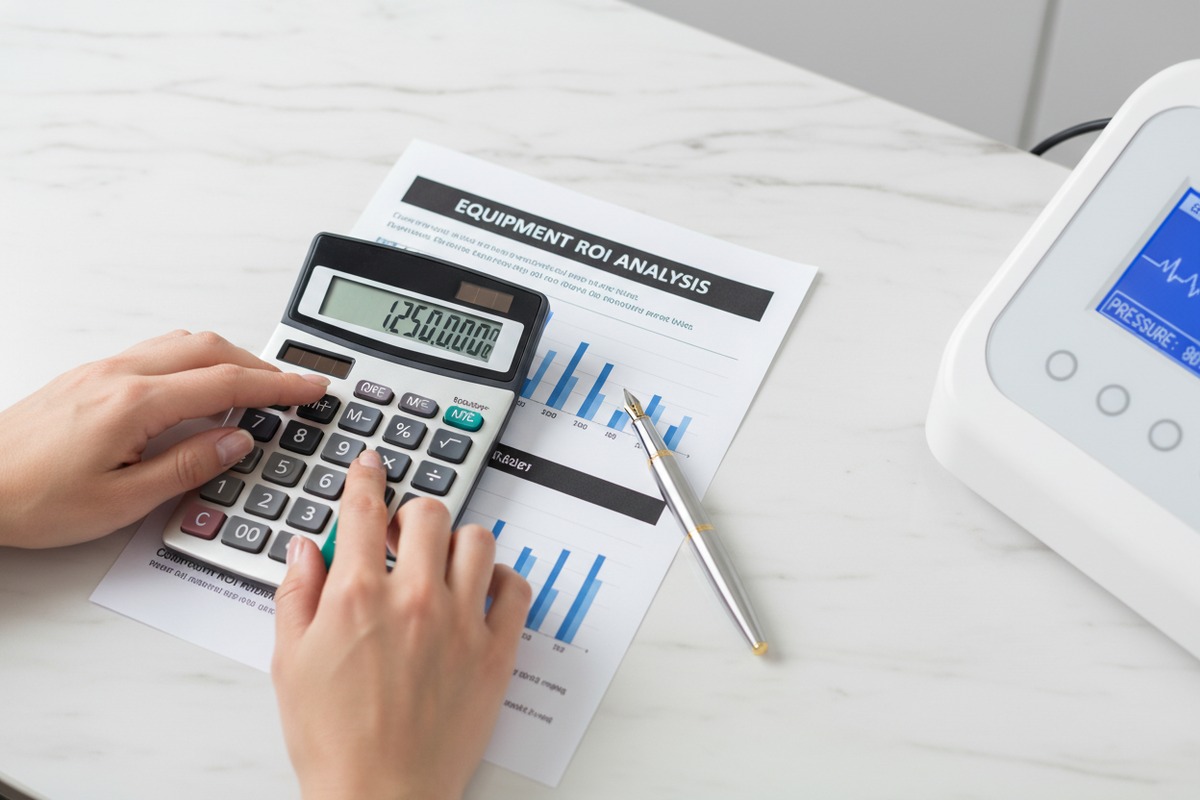
Understanding the Basic ROI Formula
ROI measures how efficiently your investment generates profit. The formula is simple:
ROI (%) = [(Total Revenue – Total Costs) / Total Costs] × 100
For pressotherapy, your costs include the machine purchase price, shipping, accessories, staff training, maintenance, and consumables. Your revenue comes from session fees.
Payback Period Calculation
Payback period tells you when you break even. Payback Period Calculation 5 It's straightforward:
Payback Period (months) = Total Investment / Monthly Net Profit
The cost of pressotherapy sessions typically ranges between $55 and $115 for a half-hour session. Flexible pricing strategies allow sessions to range from $50 to $150 for a 30-minute session, depending on location and duration.
Sample ROI Scenarios
| Scenario | Machine Cost | Sessions/Week | Price/Session | Monthly Revenue | Monthly Costs | Monthly Profit | Payback Period |
|---|---|---|---|---|---|---|---|
| Conservative | $3,500 | 10 | $75 | $3,000 | $300 | $2,700 | 1.3 months |
| Moderate | $6,000 | 15 | $100 | $6,000 | $400 | $5,600 | 1.1 months |
| Premium | $12,000 | 20 | $150 | $12,000 | $600 | $11,400 | 1.1 months |
Key Factors That Affect Your ROI
The single biggest factor is utilization. Marketing, referral development, and streamlined scheduling increase sessions per day and improve ROI.
Other factors include:
- Session pricing: Premium positioning commands higher prices
- Operating hours: More hours mean more potential sessions
- Staff efficiency: Combining pressotherapy with other billable services like exercise therapy or manual therapy increases revenue per visit.
- Maintenance costs: Quality machines need fewer repairs
First-Year Revenue Projection
Let's assume a mid-range clinic scenario:
- Machine cost: $5,000
- 12 sessions per week at $100 each
- 48 working weeks per year
- Annual revenue: 12 × $100 × 48 = $57,600
- Annual costs (maintenance, consumables): $2,400
- Net profit: $55,200
- ROI: ($55,200 – $5,000) / $5,000 × 100 = 1004%
This shows why pressotherapy is attractive. The margins are excellent when utilization is strong.
What factors should I consider when estimating the monthly treatment volume in my clinic?
Our export team tracks feedback from clients across the US and Europe. The clinics that succeed share one trait. They accurately predict their treatment volume before buying. Overestimating leads to disappointment. Underestimating means missed revenue.
Key factors include your existing patient base, local market demand, competition level, clinic operating hours, staff availability, and marketing budget. Also consider seasonal fluctuations and niche targeting (athletes, post-surgical patients, beauty clients). Realistic estimation prevents overspending and ensures sustainable growth.
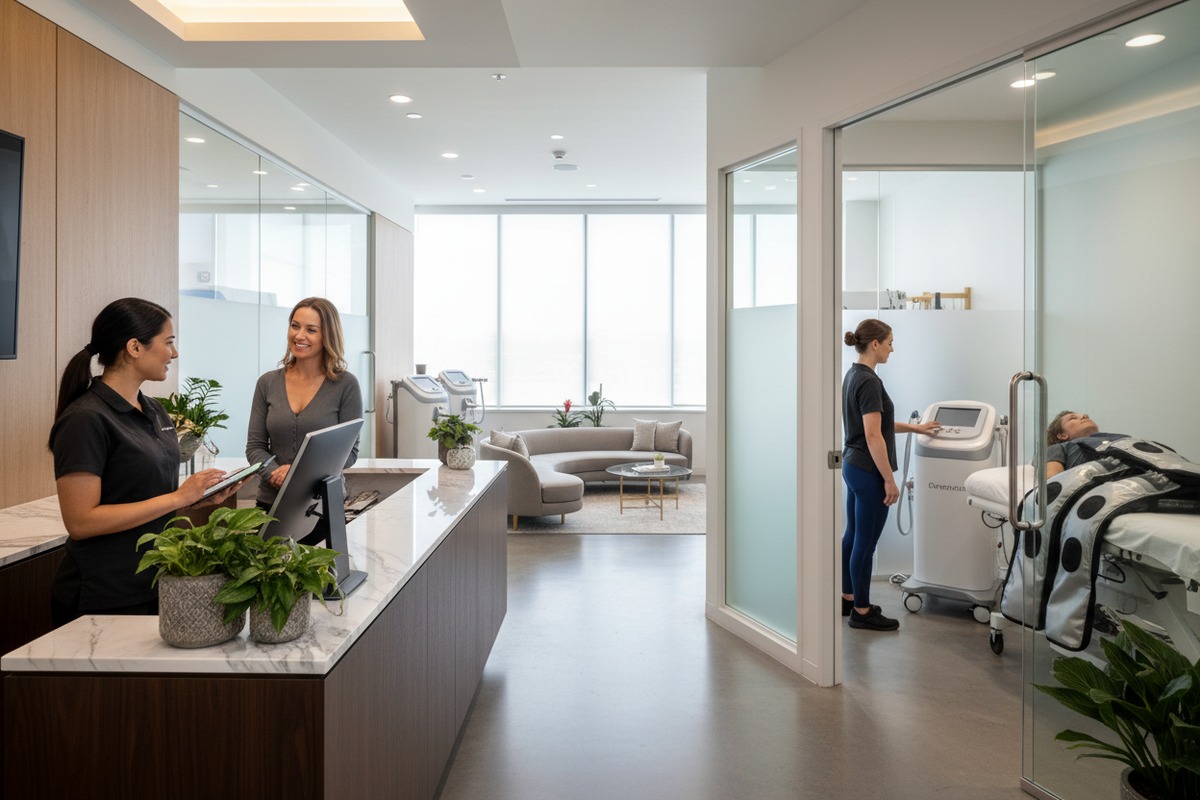
Start with Your Existing Patient Base
If you already run a clinic, start with your current patients. How many might add pressotherapy to their treatment plan? Survey them. Ask about interest in lymphatic drainage 6, cellulite reduction, or recovery treatments.
Veno-lymphatic circulation holds the largest market share, driven by chronic conditions like lymphedema and venous insufficiency 7. Cellulite reduction 8 is the fastest-growing segment, driven by cosmetic demand.
Analyze Local Market Demand
Research your local area:
- How many competitors offer pressotherapy?
- What are local demographics (age, income, health awareness)?
- Is there a sports or fitness community nearby?
Rising prevalence of venous insufficiency, edema, obesity-related swelling and post-surgical recovery has meant more hospitals, specialty clinics and sports medicine facilities purchase pressotherapy systems. Professional sports teams now integrate pressotherapy boots as part of standard recovery protocols.
Treatment Frequency Guidelines
| Patient Type | Recommended Frequency | Sessions/Month |
|---|---|---|
| Initial treatment course | 2-3 times/week | 8-12 |
| Maintenance | 1-2 times/week | 4-8 |
| Athletic recovery | After intense training | 4-6 |
| Cosmetic (cellulite) | Weekly | 4 |
Typically, pressotherapy involves eight sessions lasting 20-40 minutes each, with a frequency of once per week. Visible results may appear after the fourth or fifth session.
Staffing and Operating Hours
Your volume ceiling depends on practical limits:
| Factor | Impact on Volume |
|---|---|
| Operating hours/week | More hours = more capacity |
| Staff availability | Hands-free operation allows multitasking |
| Treatment room count | Multiple rooms enable parallel sessions |
| Booking efficiency | Online booking reduces gaps |
Niche Market Opportunities
Consider targeting specific groups:
- Athletes: Recovery after training and competition
- Post-surgical patients: Lymphedema management and swelling reduction
- Beauty clients: Cellulite treatment and body contouring
- Pre/post-natal: Leg swelling management
- Chronic condition patients: Venous insufficiency support
Adiposity edema and swelling segments show rising adoption in post-surgical and athletic recovery settings.
Seasonal Fluctuations
Beauty treatments often spike before summer. Athletic recovery peaks during sports seasons. Medical treatments remain more consistent. Plan your volume estimates accordingly.
Realistic Volume Projection Template
| Month | Expected New Patients | Returning Patients | Sessions/Patient | Total Sessions |
|---|---|---|---|---|
| 1 | 10 | 0 | 4 | 40 |
| 2 | 8 | 6 | 4 | 56 |
| 3 | 8 | 10 | 4 | 72 |
| 6 | 6 | 20 | 4 | 104 |
| 12 | 5 | 30 | 4 | 140 |
Start conservative. Increase as you build referrals and reputation.
How will the durability and maintenance costs of a professional machine affect my long-term profit margins?
In our factory, we test every pressotherapy unit before shipping. We run pressure cycles for hours. We stress-test the air chambers. Why? Because we know that machine failures cost our clients money. A durable machine is a profitable machine.
Durability directly impacts profit margins through repair costs, downtime revenue loss, and replacement frequency. Professional-grade machines with robust construction last 5-10 years with minimal maintenance. Budget machines may need frequent repairs, eroding profits. Prioritize machines with quality components, warranty coverage, and available spare parts.
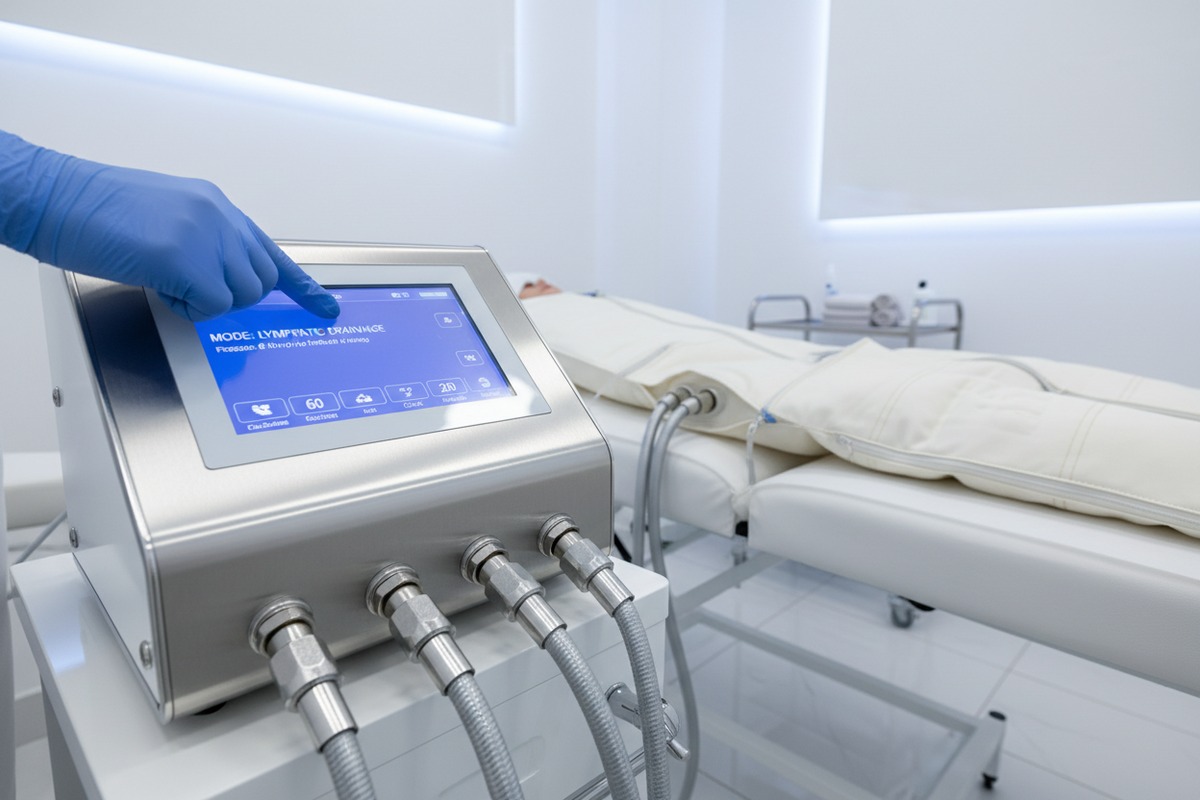
Understanding Total Cost of Ownership
The purchase price is just the beginning. Total cost of ownership 9 (TCO) includes:
- Initial purchase price
- Shipping and installation
- Training costs
- Regular maintenance
- Consumables (air bags, suits, hoses)
- Repairs and spare parts
- Downtime revenue loss
- Eventual replacement
Professional-grade devices cost $3,000–$12,000, limiting accessibility for some clinics. Initial device investment for high-end multi-chamber garments often exceeds $15,000-20,000 for clinic-grade systems.
Durability Factors to Evaluate
| Component | Quality Indicator | Impact on Longevity |
|---|---|---|
| Air pump | Medical-grade compressor | Core component; failure stops operations |
| Chambers | Double-layer construction | Resists wear from repeated inflation |
| Control unit | Solid-state electronics 10 | Fewer moving parts = fewer failures |
| Suits/garments | PU or durable nylon material | High patient contact; needs replacement |
| Hoses | Reinforced connections | Prevents air leaks |
| Sensors | Premium compression sensors | Ensures accurate pressure delivery |
Premium devices are constructed from premium components and feature a sturdy structure, requiring minimal maintenance. All IPC devices meet industry safety and performance standards, holding certifications from FDA, NRTL, CE, and Health Canada.
Maintenance Cost Comparison
| Machine Type | Annual Maintenance | Consumables/Year | Repair Frequency | 5-Year Total |
|---|---|---|---|---|
| Budget ($2,000) | $500 | $300 | High (2-3x/year) | $6,000 |
| Mid-range ($5,000) | $300 | $250 | Low (1x/year) | $7,750 |
| Premium ($10,000) | $200 | $200 | Very low | $12,000 |
Notice how budget machines can cost more over time due to repairs.
Preventive Maintenance Best Practices
Maintaining pressotherapy equipment in optimal conditions is essential to maximize its performance and prolong its useful life. Regular maintenance not only guarantees the effectiveness of the treatment but also prevents failures and costly repairs.
Key maintenance tasks:
- Regular cleaning: After each use, clean the equipment with a soft cloth and disinfectant. Make sure sleeves and other accessories are free of moisture and sweat to prevent the growth of bacteria and fungi.
- Check connections: Periodically check that all electrical and hose connections are secure and without signs of wear. Replace damaged components immediately to avoid system overload.
- Proper storage: Store the device in a cool, dry place, away from direct sunlight.
Downtime Cost Calculation
When your machine breaks, you lose money:
| Downtime Days | Lost Sessions | Revenue Loss (@$100/session) |
|---|---|---|
| 1 | 3-4 | $300-$400 |
| 3 | 9-12 | $900-$1,200 |
| 7 | 21-28 | $2,100-$2,800 |
| 14 | 42-56 | $4,200-$5,600 |
Quality machines with responsive technical support minimize downtime.
Warranty and Support Considerations
Look for these warranty features:
- Length: 12-36 months coverage
- Coverage scope: Parts, labor, shipping
- Response time: Same-day or next-day support
- Spare parts availability: In-stock components
- Technical support: Phone, email, video assistance
Some suppliers offer 36-month warranties to ensure exceptional quality through stringent quality control processes.
We offer OEM and ODM services for a reason. Our clients understand that branding matters. When your pressotherapy machine carries your logo, patients see your clinic as the expert. This perception translates directly into pricing power and loyalty.
Yes, private labeling increases service revenue by establishing brand authority, justifying premium pricing, preventing price comparison, building customer loyalty, and creating a professional image. When patients associate effective treatments with your brand, they return and refer others. Private labeling transforms commodity equipment into a differentiated service offering.
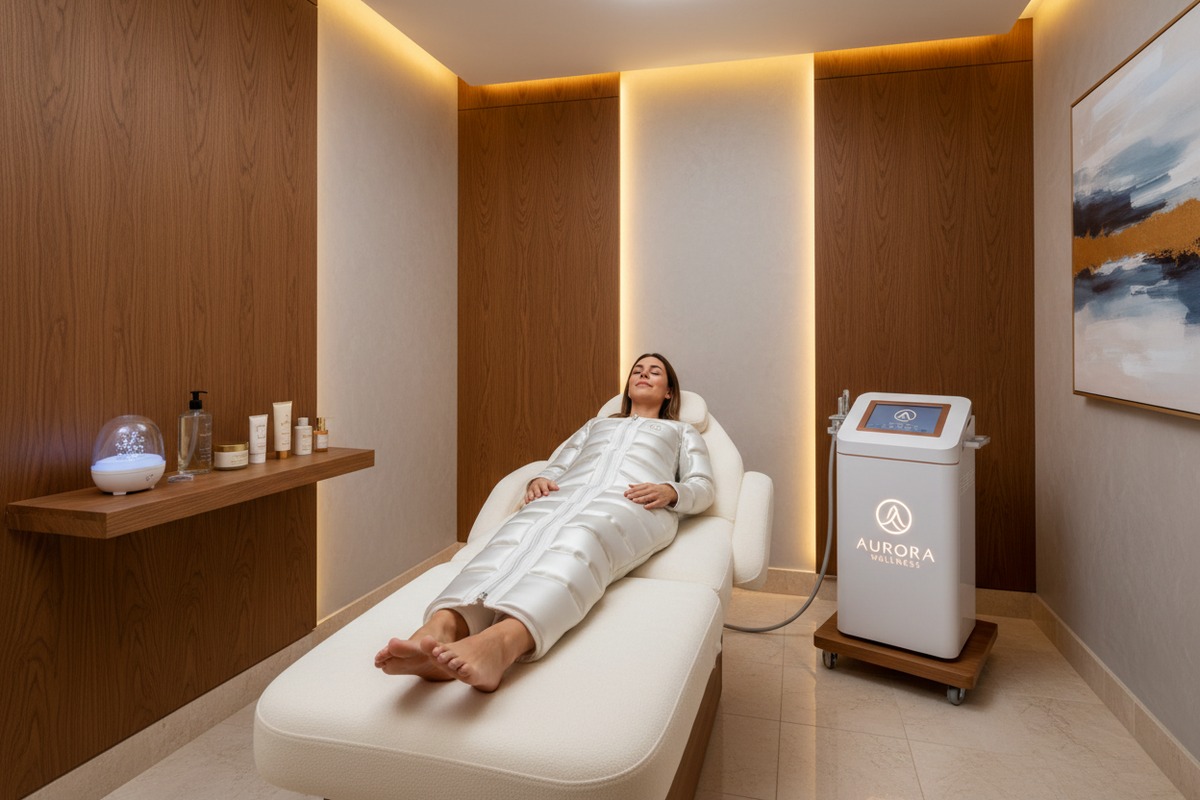
What is Private Labeling for Equipment?
Private labeling means putting your brand name, logo, and identity on equipment manufactured by another company. The machine functions identically, but patients see your brand. This strategy has transformed retail and now works in the clinic setting.
Private labeling is the process of choosing pre-existing formulas and customizing to preference from a selection of options and packaging. Private labeling allows companies to focus on the selling and marketing of products under their own branding and logo without the concerns and expense of creating the products themselves.
Benefits of Private Labeling Your Pressotherapy Equipment
| Benefit | How It Increases Revenue |
|---|---|
| Brand recognition | Patients remember your clinic, not a manufacturer |
| Premium positioning | Justify higher prices vs. generic offerings |
| Competitive differentiation | Stand out from clinics using identical equipment |
| Customer loyalty | Patients associate results with your brand |
| Referral generation | Satisfied patients recommend "your" treatment |
| Marketing consistency | Equipment matches your clinic aesthetic |
Building Brand Authority Through Equipment
Each pressotherapy machine comes with professional technology and inspection reports, enhancing professional credibility and institutional reputation, attracting more users to experience the service.
When patients see consistent branding across your clinic:
- Reception area displays your logo
- Staff wear your branded uniforms
- Treatment room features your branded equipment
- Results are associated with your brand name
This creates a cohesive experience that commands respect and loyalty.
Private Label vs. Standard Purchase Comparison
| Factor | Standard Purchase | Private Label |
|---|---|---|
| Equipment appearance | Manufacturer branding | Your clinic branding |
| Price justification | Easy price comparison | Differentiated offering |
| Patient perception | "They use XYZ machine" | "They have their own system" |
| Marketing messaging | Limited customization | Full brand integration |
| Initial cost | Lower | Slightly higher |
| Long-term value | Commodity service | Premium service |
How Private Labeling Works with Manufacturers
The process typically involves:
- Select base equipment: Choose from standard models that meet your specifications
- Customize appearance: Add your logo, colors, and branding elements
- Review samples: Approve the final appearance before production
- Order production: Manufacturer produces your branded units
- Marketing support: Some manufacturers provide marketing materials
Private label companies handle the research, product development, and manufacturing processes so brands don't have to. This allows brands quality control, low startup costs and high profit margins.
Revenue Impact Example
| Scenario | Price/Session | Sessions/Month | Monthly Revenue |
|---|---|---|---|
| Generic machine | $80 | 60 | $4,800 |
| Private label machine | $120 | 65 | $7,800 |
| Difference | +$40 | +5 | +$3,000 |
The 50% price premium and increased bookings from brand differentiation generate $36,000 additional annual revenue.
Building a Complete Brand Experience
Private labeling works best as part of a broader strategy:
- Branded treatment protocols with your methodology name
- Custom intake forms and treatment plans
- Branded aftercare instructions
- Loyalty programs under your brand
- Staff training emphasizing your brand values
Premium product, beautiful packaging, and turnkey support for your new brand. By creating your own brand, you'll be in control of where your products are sold. You'll determine your margins.
Conclusion
Evaluating revenue potential for a pressotherapy machine comes down to clear calculations and honest planning. Calculate your ROI using realistic session volumes and local pricing. Choose durable equipment to protect your long-term margins. Consider private labeling to build brand authority and command premium prices. The numbers show that pressotherapy offers excellent returns when implemented strategically. Your next step is to run the calculations with your specific numbers and market conditions.
Footnotes
1. Defines utilization rate and its significance in business efficiency. ↩︎
2. Explains cash flow management and its importance for businesses. ↩︎
3. Explains private labeling, its benefits, and how it works for businesses. ↩︎
4. Provides a comprehensive explanation of ROI calculation and its application. ↩︎
5. Details the formula and concept of payback period in financial analysis. ↩︎
6. Offers medical information on lymphatic drainage and related conditions. ↩︎
7. Explains chronic venous insufficiency, its causes, symptoms, and treatments. ↩︎
8. Discusses various medical treatments and effectiveness for cellulite reduction. ↩︎
9. Defines TCO and its components, crucial for evaluating long-term asset costs. ↩︎
10. Provides a Wikipedia overview of solid-state electronics and their applications. ↩︎

 English
  Español de México
  Deutsch
  Français
  العربية
  Русский