

When our production team tests new pressotherapy systems, we often see resort buyers make the same mistake—they focus on price first and features last CE or FDA clearance 1. This leads to equipment failures, guest complaints, and costly replacements. Luxury wellness partners deserve machines that match their brand promise.
To evaluate pressotherapy machine features for high-end resort wellness needs, focus on chamber count (20-24 minimum), durable PU or nylon garment materials, multi-mode compression settings, infrared or EMS integration, quiet compressors, intuitive interfaces, and certifications like CE or FDA clearance. These factors ensure guest comfort, consistent results, and long-term ROI.
In this guide, I will break down the exact technical features you should demand from any manufacturer OEM and ODM services 2. We will cover brand customization, performance standards for heavy usage, quality control evaluation, and compression modes that deliver premium results. Let’s dive in.
How can I customize pressotherapy machine features to align with my luxury brand's identity?
Our engineers work closely with resort brands every month on customization requests Pulsatile compression modes 3. The challenge is clear—your machine must feel like an extension of your brand, not a generic device sitting in your treatment room. Generic equipment undermines the premium experience your guests expect.
You can customize pressotherapy machines by integrating your logo on startup screens, etching branding on the machine body, selecting premium garment colors and materials, and choosing control interfaces that match your spa aesthetic. Work with manufacturers offering OEM and ODM services for deeper brand integration.
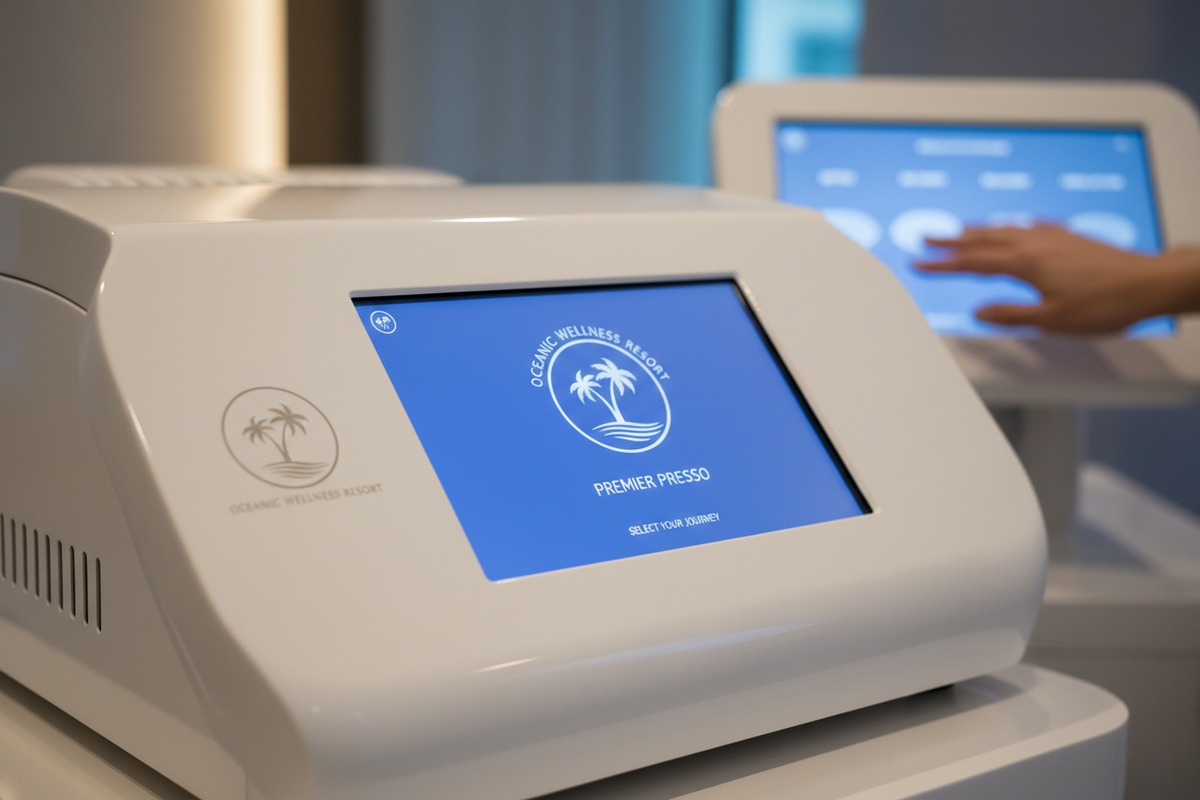
Visual Branding Elements
The first thing guests see is the machine itself. High-end resorts need equipment that looks as premium as it performs. When we design custom units, we focus on several visual elements.
The startup screen offers prime branding space. Your logo appears each time staff powers on the device. This subtle touch reinforces brand consistency across all touchpoints. The machine body can feature laser-etched logos or custom color panels that match your spa's design language.
Garment Customization
Compression suits and sleeves touch your guests directly. Material choice matters for both comfort and brand perception. Professional-grade garments use durable PU or high-quality nylon fabrics. These materials clean easily between sessions and maintain their integrity over hundreds of uses.
| Customization Option | Standard | Premium | Ultra-Premium |
|---|---|---|---|
| Logo on startup screen | ✓ | ✓ | ✓ |
| Body panel colors | Limited | Full range | Custom paint |
| Garment material | Standard PU | Premium nylon | Medical-grade |
| Interface language | English only | Multi-language | Custom UI design |
| Packaging branding | Basic | Branded boxes | Full unboxing experience |
Interface Design Considerations
Modern pressotherapy systems feature digital touchscreens. Some manufacturers allow interface customization beyond just logos. You can request specific color schemes, menu layouts, or even custom treatment protocol names that align with your wellness menu branding.
Work with manufacturers who understand that every detail matters. Ask for samples and mockups before committing to large orders. The right partner will accommodate reasonable customization requests without excessive upcharges.
What technical performance standards should I require to ensure my machines withstand heavy resort usage?
In our factory, we stress-test every unit before shipment. But resorts push equipment harder than most environments. Multiple sessions daily, different body types, varying staff handling—your machines must survive it all. Cutting corners on specifications leads to downtime and disappointed guests.
Require professional-grade pressotherapy machines with 250-680W power ratings, 25L/min minimum air flow, pressure ranges of 0-0.4 kg/cm² or 30-200 mmHg, 36V safety voltage garments, and at least 20-24 chamber compression suits. Look for 24-month minimum warranties from manufacturers with proven quality control systems.
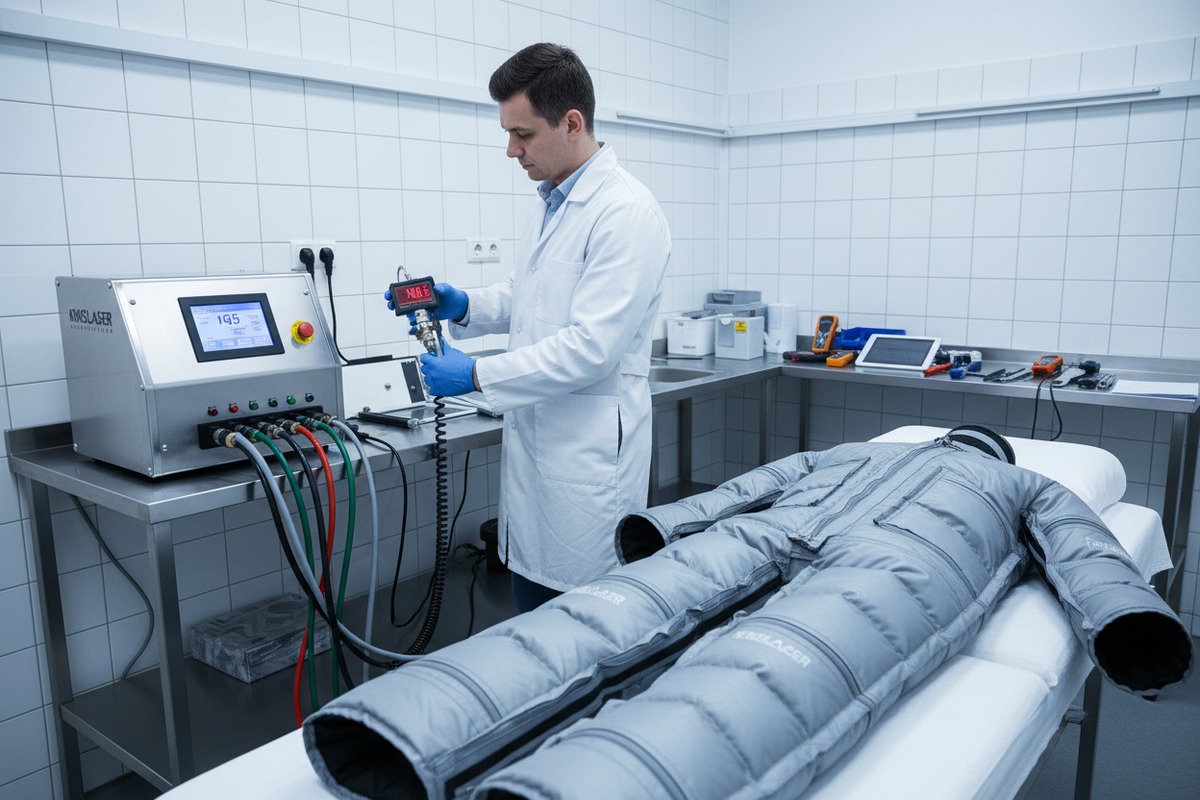
Core Technical Specifications
Heavy resort usage demands specific performance benchmarks. These numbers separate professional equipment from consumer-grade machines that fail under pressure.
| Specification | Minimum Standard | Recommended for Resorts | Premium Tier |
|---|---|---|---|
| Air chambers | 16 | 20-24 | 44+ |
| Air flow rate | 15 L/min | 25 L/min | 30+ L/min |
| Pressure range | 0-0.3 kg/cm² | 0-0.4 kg/cm² | 0-0.5 kg/cm² |
| Power rating | 200W | 250-500W | 680W |
| Garment voltage | 36V (safety standard) | 36V | 36V |
| Voltage compatibility | Single | AC 110-240V | Universal with auto-switch |
Chamber Count and Coverage
The number of air chambers directly impacts treatment precision and effectiveness. Entry-level machines feature 8-16 chambers. These work for basic home use but lack the coverage needed for comprehensive resort treatments.
Professional systems with 20-24 chambers provide overlapping compression zones. This design prevents lymphatic retraction during procedures. The chambers inflate and deflate in precise patterns, creating wave-like movements that mimic natural lymphatic drainage.
Advanced models now offer 44 or even 48 chambers. These provide the most precise, targeted treatment available. For resorts positioning themselves at the absolute top of the market, these high-chamber systems justify premium session pricing.
Pump and Compressor Quality
The pump is the heart of any pressotherapy system. Look for quiet compressors that maintain serene treatment environments. Resort guests expect peaceful experiences. A loud, disruptive compressor undermines your entire wellness atmosphere.
Air flow rate affects treatment efficiency. Machines with 25 L/min or higher flow rates inflate chambers quickly and maintain consistent pressure throughout sessions. Slower pumps extend treatment times and frustrate both staff and guests.
Garment Durability Standards
Compression garments endure significant wear. Each session involves fitting, removal, and cleaning. Poor-quality materials degrade quickly, creating hygiene concerns and replacement costs.
Demand garments with reinforced seams and durable air chambers. These should maintain integrity over numerous treatment cycles. Easy-clean materials like PU or premium nylon simplify sanitation between guests—essential for resort hygiene standards.
How do I evaluate a manufacturer's quality control system to prevent equipment failure at my client sites?
When we ship equipment overseas, we know our reputation travels with every unit. Equipment failures at resort sites damage both your business and ours. This is why our quality control process involves multiple inspection stages. You should demand the same rigor from any manufacturer you consider.
Evaluate manufacturer quality control by verifying ISO certifications (ISO 13485 for medical devices), requesting inspection reports, confirming testing protocols for pressure accuracy and garment integrity, checking warranty terms (minimum 24-36 months), and assessing after-sales support infrastructure including training and technical assistance.
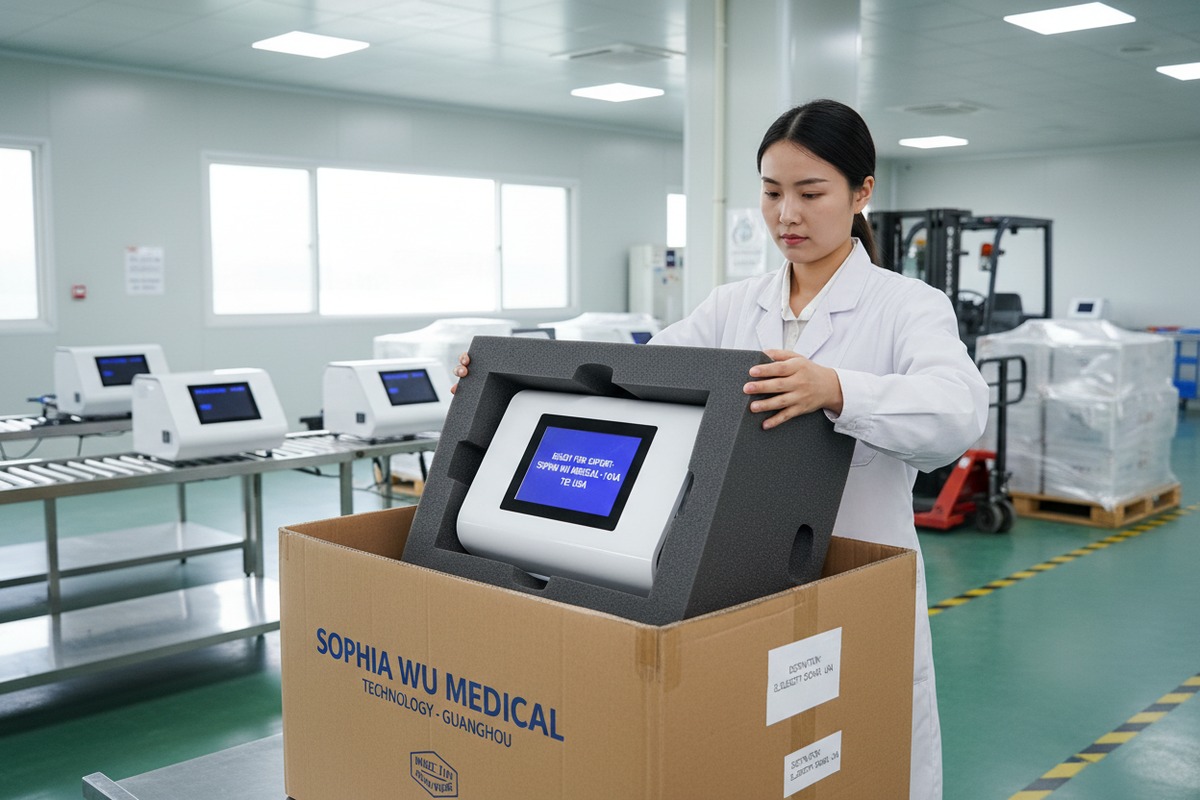
Certification Requirements
Certifications provide third-party validation of manufacturing standards. Different markets require different approvals, but core certifications indicate professional operations.
| Certification | What It Validates | Importance for Resorts |
|---|---|---|
| CE Marking | European safety compliance | Required for EU operations |
| FDA Clearance | US safety standards | Essential for US market |
| ISO 13485 | Medical device quality management | Indicates rigorous QC systems |
| MDSAP | Medical device single audit program | Multi-market regulatory compliance |
| NRTL | North American safety standards | US/Canada safety verification |
Look for manufacturers whose facilities hold ISO 13485 certification 4. This standard specifically addresses medical device quality management systems. It ensures consistent production processes and documented quality controls.
Pre-Shipment Inspection Protocols
Reputable manufacturers conduct multiple inspections before shipping. Ask potential suppliers to detail their inspection process. Key checkpoints should include:
- Component testing: Individual parts verified before assembly
- Pressure calibration: Each unit tested for accurate pressure output
- Garment integrity: Air chambers checked for leaks and seam strength
- Electronic systems: Control interfaces and safety features verified
- Complete function test: Full treatment cycle simulation
Some manufacturers offer in-production quality control options. This allows buyers to receive updates and images during manufacturing. For large orders, consider third-party inspection services to verify quality before shipment.
Warranty and Support Structure
Warranty terms reveal manufacturer confidence in their products. Budget machines often carry 6-12 month warranties. Professional-grade equipment should include 24-36 month coverage.
Beyond warranty length, examine what's covered. Main unit coverage is standard. But what about garments, screens, and accessories? Some manufacturers offer separate warranty periods for different components.
Technical support accessibility matters equally. Ask about response times, available languages, and support channels. Can you reach a human via WhatsApp or phone? Or are you stuck with email-only support across time zones?
Training packages indicate manufacturer investment in customer success. Professional suppliers provide detailed user manuals, video training, and even certification programs upon request. This training ensures your staff operates equipment correctly, reducing user-error failures.
Which specific compression modes and settings will deliver the high-end results my wellness partners demand?
Our R&D team has developed compression algorithms based on decades of lymphatic drainage research. Different modes serve different treatment goals. Understanding these options helps you select machines that deliver the diverse results luxury guests expect—from detoxification to athletic recovery to cellulite reduction.
High-end pressotherapy results require machines with sequential, peristaltic, and pulsatile compression modes, adjustable pressure levels (4-9 intensity options), gradient pressure settings (60-100%), body-zone targeting capability, and integrated technologies like infrared heating (35-80°C) or EMS. Session times of 30-45 minutes per treatment are standard for optimal outcomes.
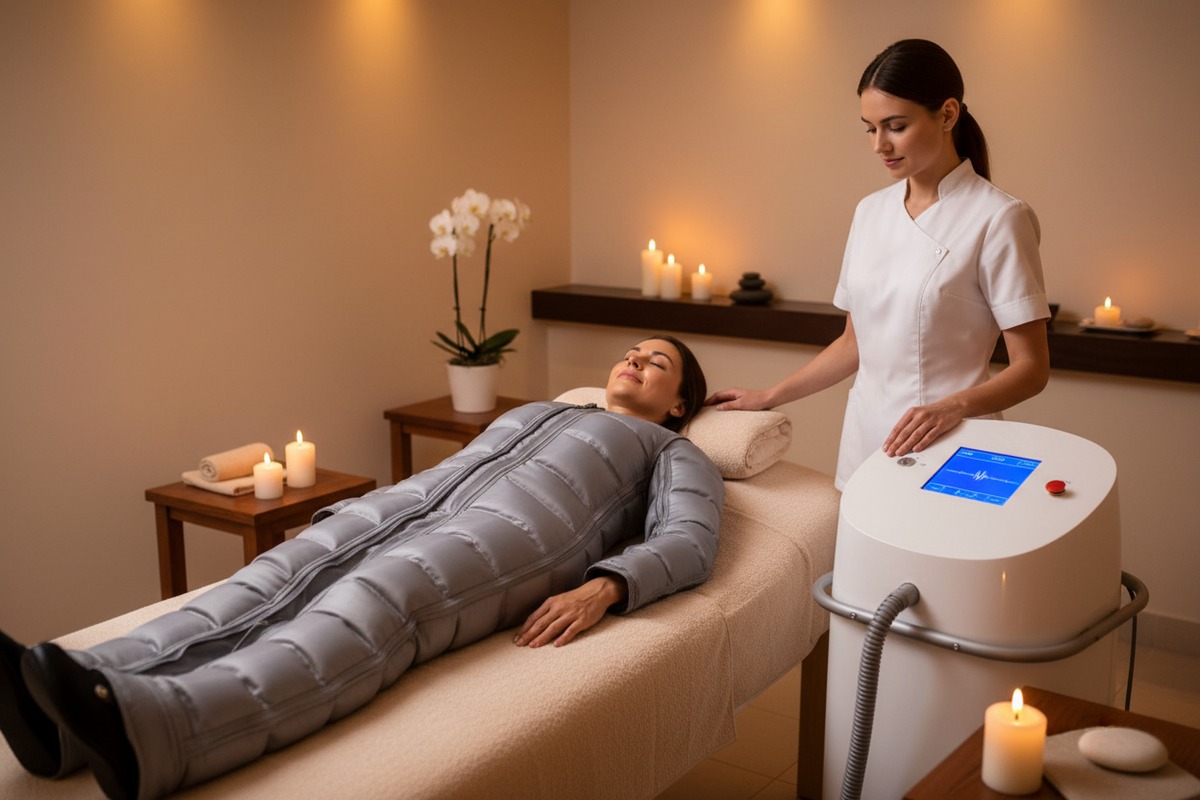
Essential Compression Modes
Professional pressotherapy systems offer multiple compression algorithms. Each mode produces different physiological effects. Your menu of available modes determines treatment versatility.
| Compression Mode | How It Works | Best Applications |
|---|---|---|
| Sequential | Chambers inflate in order from extremities toward heart | Lymphatic drainage, circulation boost |
| Peristaltic | Wave-like pumping motion | Toxin removal, fluid movement |
| Pulsatile | Rhythmic, intermittent pressure | Localized swelling, targeted zones |
| Double ascending wave | Two chambers maintain pressure while wave moves | Post-exercise recovery |
| Simultaneous | All chambers inflate together | Relaxation, muscle tension relief |
Sequential compression 5 forms the foundation of effective lymphatic drainage. This mode applies pressure progressively from distal to proximal areas—essentially pushing fluids toward the body's core drainage points. It mimics the natural flow of lymphatic fluid.
Peristaltic compression 6 creates a pumping effect similar to intestinal movement. This mode excels at stimulating deep lymphatic flow and removing toxins. It's particularly effective for detoxification-focused treatments.
Pressure Level Customization
Guest comfort and treatment effectiveness depend on proper pressure calibration. Machines should offer adjustable intensity levels—typically ranging from 1-9 or featuring 4 distinct power modes.
Gradient pressure settings allow different pressure intensities at different body zones. For example, 100% pressure at the ankle decreasing to 60% at the thigh. This gradient prevents backflow and ensures efficient fluid movement toward central drainage points.
Professional machines allow individual chamber pressure adjustment. This enables therapists to accommodate guest preferences, target problem areas, or work around sensitive zones.
Integrated Enhancement Technologies
Modern high-end pressotherapy systems combine air compression with complementary technologies. These integrations create comprehensive treatment packages that justify premium pricing.
Infrared Heating: Far infrared technology 7 warms deep tissues, promoting circulation and enhancing detoxification. Temperature ranges typically span 35-80°C. This feature supports fat metabolism and provides a warming sensation guests find deeply relaxing.
EMS (Electrical Muscle Stimulation): EMS pads deliver electrical pulses that trigger muscle contractions. Electrical Muscle Stimulation 8 This accelerates metabolism, tones muscles, and enhances the slimming effects of compression therapy.
Multi-function machines combining pressotherapy, infrared, and EMS allow resorts to offer multiple treatment types with single equipment investments. Guests can experience targeted protocols for cellulite reduction, post-workout recovery, or pure relaxation—all from one versatile system.
Treatment Time and Protocol Recommendations
Standard pressotherapy sessions run 30-45 minutes. This timeframe provides sufficient compression cycles for therapeutic benefit while fitting efficiently into resort spa schedules.
Hands-free operation allows therapists to manage multiple clients or prepare other treatment rooms during sessions. This operational efficiency increases profitability per labor hour—a crucial consideration for resort wellness operations.
Conclusion
Selecting the right pressotherapy machine for luxury resort wellness requires careful evaluation across multiple dimensions. Focus on chamber count, material quality, compression modes, and manufacturer reliability. Demand customization options that align with your brand. Verify certifications and quality control systems. Choose machines with versatile compression algorithms and integrated technologies. With proper evaluation, your pressotherapy investment will enhance guest experiences and generate strong returns for years.
Footnotes
1. Detailed guide on CE mark and FDA approval for medical devices. ↩︎
2. Defines OEM and ODM services in manufacturing, relevant for brand customization. ↩︎
3. Details pulsatile compression and its benefits in recovery technology. ↩︎
4. Provides information on ISO 13485, a key quality management standard for medical devices. ↩︎
5. Describes sequential compression devices and their use in medical therapy. ↩︎
6. Explains peristaltic pulse dynamic compression and its application. ↩︎
7. Explains far infrared technology and its health benefits. ↩︎
8. Defines Electrical Muscle Stimulation (EMS) and its uses in therapy. ↩︎

 English
 Español de México
 Deutsch
 Français
 العربية
 Русский
