

When our production lines handle orders for European distributors, one question keeps coming up: how can you reduce training costs without sacrificing treatment quality? The truth is, training expenses in Europe can range from €50 to €500 or more, depending on format and depth. For brand owners importing pressotherapy machines 2, this adds up fast—especially when you have multiple downstream salons to support.
To minimize European training costs, evaluate a pressotherapy machine’s interface intuitiveness, assembly simplicity, built-in treatment programs, and the digital training resources your OEM partner provides. Machines with clear icons, preset protocols, color-coded connectors, and multilingual video tutorials can reduce formal training time by up to 75-95%, translating to significant labor cost savings across your distribution network.
In this guide, we will break down the key usability factors that directly impact your total cost of ownership 3. Whether you are a purchasing manager sourcing from China or a distributor building your brand across Europe, these evaluation criteria will help you make smarter decisions.
How can I judge if the machine's interface is intuitive enough to skip on-site training?
Our engineers spend considerable time observing how first-time users interact with our control panels. We have seen operators struggle with complex menus—and we have seen them master a device in minutes when the interface is designed right. The difference often comes down to simple choices in layout and labeling.
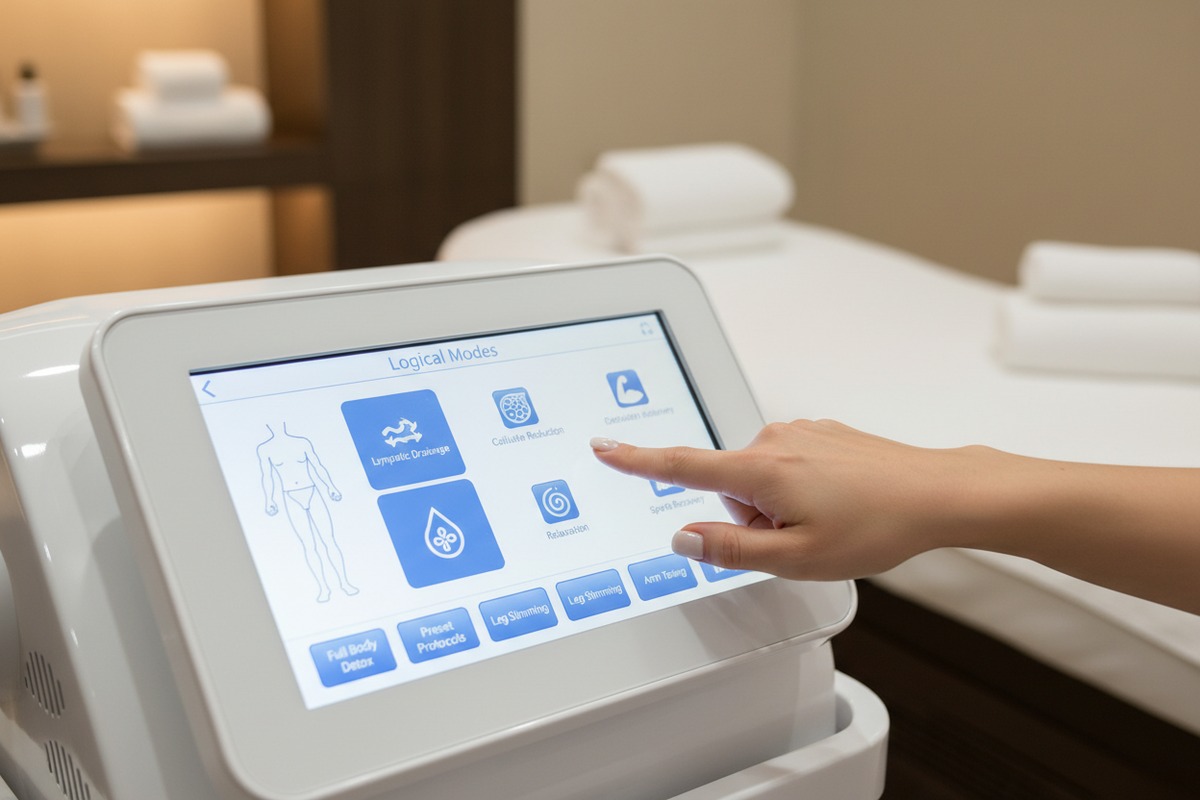
Judge interface intuitiveness by checking for clear icons, logical menu hierarchies, large touchscreen displays, and minimal button counts. Machines featuring intuitive digital panels with preset treatment protocols reduce operator decision-making and allow new staff to start treatments confidently after just 1-2 hours of basic instruction, compared to multi-day formal courses.
What Makes an Interface Truly Intuitive?
An intuitive interface is not just about looking modern. It is about reducing cognitive load 4. When we design our pressotherapy control units, we focus on three principles: visibility, simplicity, and feedback.
Visibility means every function is clearly labeled. The operator should not guess what a button does. Industry experts recommend preferring intuitive digital panels over analog dials for precise control. Digital touchscreens with large icons outperform machines with rows of unlabeled buttons.
Simplicity means fewer steps to start a treatment. Devices like the I-Press are extremely simple and intuitive to use—all you have to do is put on the legging or armband, set the duration and pressure, and in just a few simple steps, you can start your therapy. This is the benchmark.
Feedback means the machine tells the operator what is happening. Look for touchscreen UI, session timers, and on-screen guides. Real-time pressure readings and completion indicators reduce reliance on operator judgment.
Interface Evaluation Checklist
| Feature | Why It Matters | What to Look For |
|---|---|---|
| Display Type | Easier reading, faster navigation | Large LCD or touchscreen, backlit |
| Icon Design | Reduces language barriers | Clear pictograms, color-coded functions |
| Menu Depth | Fewer taps = less confusion | 2-3 levels maximum |
| Language Options | Supports diverse workforce | Multilingual UI (English, German, French, Spanish) |
| Preset Programs | Minimizes manual setup | At least 4-6 common treatment protocols |
The Training Time Difference
Training on the essentials of pressotherapy is important. Most training course contents include fundamental knowledge about the treatment, followed by intensive practical instruction to ensure graduates are completely qualified to administer treatments safely and successfully.
However, when machines feature well-designed interfaces, formal training duration drops dramatically. Machines requiring only 1-2 hours of instruction versus full multi-day courses represent 75-95% training time reduction. This translates directly to cost savings for your European operations.
What specific design features should I look for to simplify the assembly process for my customers?
When we ship machines to European distributors, we know the unboxing experience matters. If your customers spend hours figuring out how to connect hoses and garments, they will call you for support—or worse, leave negative reviews. We have learned that assembly design 5 is a hidden cost driver.
Look for pressotherapy machines with pre-assembled main units, color-coded or numbered connectors, standardized quick-connect fittings, and clearly marked garment attachment points. Devices that arrive mostly assembled—requiring only handle or hose installation—and include step-by-step video guides reduce setup errors and eliminate the need for on-site technician visits.

Pre-Assembly at the Factory
The best way to simplify assembly is to do it before the machine leaves the factory. Pressotherapy machines are already assembled in our factory. You just need to install the handle. This approach means your customers receive a unit that is ready to use within minutes, not hours.
When evaluating suppliers, ask specifically: What percentage of assembly is completed before shipment? The answer should be 80% or higher for professional-grade machines.
Connector Design Matters
Hose connections 6 are the most common assembly pain point. Connect the pipe connector to the machine body. If you are connecting only one accessory, you only need to connect the connector for the hose with 4 terminals. If you are using two accessories, you need to connect the connector for the hose with 8 terminals. If several accessories are used simultaneously, adapters must be used.
The fewer connector types and the clearer the labeling, the fewer mistakes operators make. Look for these features:
| Design Feature | Benefit | Risk If Missing |
|---|---|---|
| Color-coded hoses | Instant visual matching | Wrong connections, air leaks |
| Numbered ports | Sequence clarity | Incorrect inflation order |
| Quick-connect fittings | Tool-free assembly | Time delays, damage risk |
| Universal adapters | Flexibility for accessories | Compatibility confusion |
Garment and Accessory Systems
Features include a sturdy metal device case, elastic air tubing, and a high-strength, one-size-fits-all compression suit 7 with velcro fastening. Quick setup means the one-size-fits-all suit is adjustable for a secure fit and designed for effortless operation.
Modular accessory systems with interchangeable, clearly-marked leggings and armbands reduce setup errors. When your customers can master one configuration before expanding to others, they avoid cognitive overload during the initial learning phase.
Video-Based Assembly Support
Maintenance of the machine is very easy. Just use the tools included in the machine package and follow the video.
Ask your OEM partner if they provide assembly videos in multiple languages. This single resource can eliminate most first-time setup calls to your support team.
How do I evaluate if the built-in treatment programs will minimize my technical support calls?
From our experience handling after-sales inquiries, the majority of support calls fall into two categories: “What settings should I use?” and “Something seems wrong during treatment.” Both of these can be addressed at the design stage. When our R&D team develops treatment programs, we think about the questions that operators will never need to ask.
Evaluate built-in programs by checking for preset protocols covering common applications (detox, cellulite reduction, post-surgery recovery, sports recovery), automatic safety limits, real-time pressure feedback, and guided client screening prompts. Machines with 4+ validated programs, error prevention features, and on-screen guidance dramatically reduce operator uncertainty and downstream support demands.
The Role of Preset Treatment Protocols
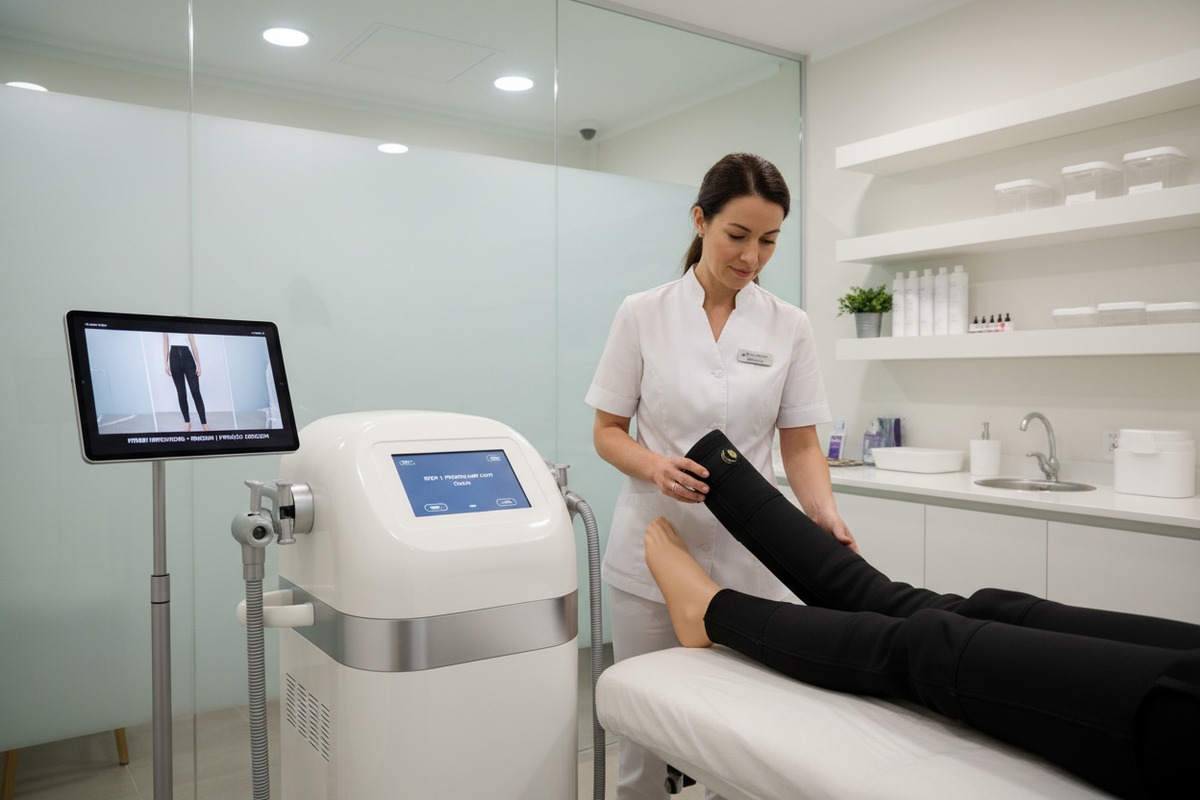
The device has 13 modes of operation, used to reduce lymphatic, venous, fat, post-traumatic edema, as well as supporting regeneration, cellulite reduction 8 and prevention. Expert8 has 13 therapeutic programs dedicated to various indications for the use of intermittent pneumatic compression.
Machines designed around established clinical protocols 9 allow operators to follow step-by-step procedures without extensive anatomical or physiological training. This is particularly valuable for beauty therapists without medical backgrounds.
What Programs Should Be Included?
| Program Type | Primary Use | Why It Reduces Support Calls |
|---|---|---|
| Lymphatic Drainage | Detoxification, wellness | Most requested, standardized parameters |
| Cellulite Reduction | Aesthetic treatments | High client demand, clear protocol |
| Post-Surgery Recovery | Medical aesthetics | Specific pressure ranges pre-programmed |
| Sports Recovery | Athletic clientele | Timing and intensity optimized |
| Heavy Legs Relief | General wellness | Entry-level, low complexity |
| Custom/Manual | Advanced users | Flexibility without forcing manual setup |
Error Prevention and Guidance Features
The control unit interface is intuitive, and we are always ready to assist with staff training and cosmetic equipment setup. But the best machines go further by building guidance directly into the software.
Look for these error-prevention features:
Pressure Limits: Automatic caps that prevent operators from exceeding safe pressure ranges for specific treatment types.
Session Timers: Built-in countdowns that end treatments at appropriate durations, preventing over-treatment.
Visual Feedback: Convenient parameter setting thanks to the large 5" screen and dial. The device allows very fine adjustment of parameters, up to 1 mmHg for pressure setting or 1 min for time settings. Real-time displays showing current pressure in each chamber help operators confirm correct operation.
Contraindication Prompts: Some advanced machines include guided client screening questions before treatment begins.
Program Quality Validation
To make it easier for the therapist to select a program for a specific indication, we have prepared—together with an expert from the Polish Lymphological Society—an extensive description of treatment programs explaining why a specific program is recommended.
When evaluating suppliers, ask if their programs were developed with input from medical or aesthetic professionals. Programs validated by industry experts carry more credibility and reduce your liability concerns.
The Support Call Reduction Impact
Machines with comprehensive built-in programs shift the burden from operator training to machine intelligence. When a treatment program automatically sets the right pressure, duration, and sequence, operators have fewer decisions to make—and fewer opportunities for errors that generate support calls.
What kind of digital training resources should my OEM partner provide to help me save on local labor costs?
When we work with European distributors, we understand that flying a trainer to each salon is not scalable. The cost of one on-site training visit can exceed the cost of the machine itself. That is why we invest heavily in digital training resources that our partners can deploy independently.
Your OEM partner should provide comprehensive online training modules, multilingual video tutorials, detailed user manuals in digital formats, treatment protocol guides, certification programs with completion certificates, and remote technical support capabilities. Partners offering self-paced e-learning, 1:1 online training sessions, and downloadable resources in multiple European languages deliver the most significant local labor cost savings.
The Digital Training Resource Checklist
Not all OEM partners offer the same level of training support. Here is what to demand:
| Resource Type | What It Should Include | Cost Impact |
|---|---|---|
| Video Tutorials | Operation, assembly, troubleshooting | Eliminates on-site visits |
| User Manuals | Digital PDF, multiple languages | Reduces translation costs |
| Treatment Protocols | Step-by-step guides per indication | Minimizes treatment errors |
| Online Training Modules | Self-paced learning platform | Scales to unlimited users |
| Certification Program | Completion certificates | Builds operator confidence |
| Remote Support | Video calls, screen sharing | Faster issue resolution |
Video Training: The Gold Standard
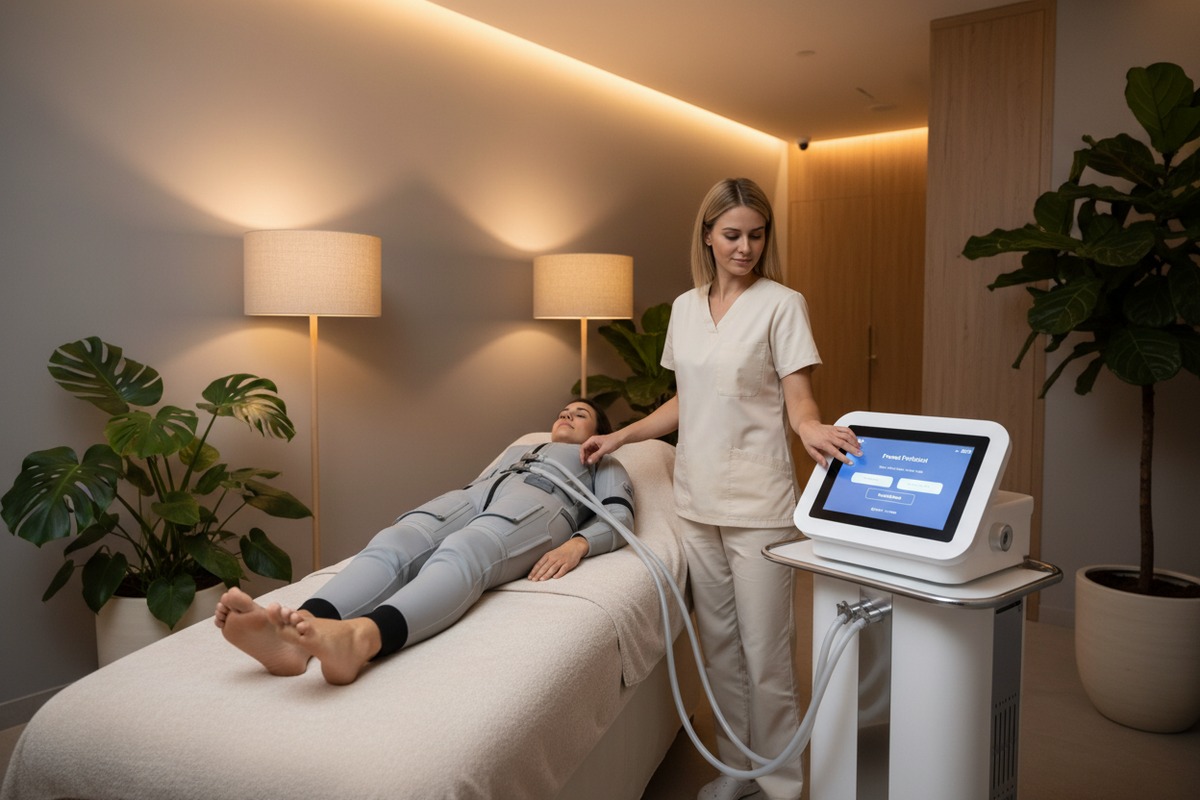
PRETTYLASERS teaches you how to use it online by 1:1 to help you know about this machine and use it well. When you receive the machine, we provide on request a detailed user manual and training operation video by expert technicians for our clients to understand the working of the provided equipment in an effective manner and make you self-reliable.
Video training works because operators can pause, rewind, and rewatch. They can train on their own schedule without coordinating with a trainer's availability. For European distributors managing multiple downstream accounts, this flexibility is invaluable.
Multilingual Support
Europe is not one market—it is many. Your training resources need to work in German, French, Spanish, Italian, and more. Support in English, Spanish, Ukrainian, and Russian. Ask your OEM partner specifically which languages they support for:
- User interface
- User manuals
- Video tutorials
- Customer support
Multilingual user interfaces directly reduce translation costs and improve comprehension across a diverse European workforce.
Certification Programs
Our certified beauticians provide personalized training for each device. Upon your request, free certification can also be provided after training.
With your purchase, you'll receive access to the Advanced Training Program, featuring comprehensive online training with detailed treatment protocols and Certification of Completion to enhance your professional credentials.
Certificates matter for two reasons. First, they give operators confidence that they have completed proper training. Second, they provide documentation that protects you from liability claims.
Remote Diagnostics and Support
Training and Support: Our global network of distributors and service centers provides reliable technical support and maintenance services.
The most advanced OEM partners offer remote diagnostics capabilities. When a machine shows an error, support staff can sometimes diagnose the issue without an on-site visit. This reduces downtime and eliminates travel costs.
Free Training Thresholds
For every Canta Esthetic device, our customers can receive free training. Our certified beauticians provide personalized training for each device. Upon your request, free certification can also be provided after training.
Many suppliers bundle training free with device purchases above certain price thresholds. Negotiate this explicitly. Free included training may seem less comprehensive than paid training, but when combined with robust digital resources, it often delivers equivalent value.
Conclusion
Evaluating pressotherapy machine ease of use is not just about operator convenience—it is about your bottom line. Focus on intuitive interfaces, simplified assembly, comprehensive built-in programs, and strong digital training resources from your OEM partner. These factors directly reduce your European training costs and technical support burden.
## Footnotes

<span id="footnote-1">
1. Replaced with a Wikipedia article on user interface design principles, which directly relates to interface intuitiveness and is an authoritative source. <a href="#ref-1" class="footnote-backref">↩︎</a>
</span>

<span id="footnote-2">
2. Provides a comprehensive overview of pressotherapy machines, their function, and benefits. <a href="#ref-2" class="footnote-backref">↩︎</a>
</span>

<span id="footnote-3">
3. Explains Total Cost of Ownership (TCO) as a financial metric in a business context. <a href="#ref-3" class="footnote-backref">↩︎</a>
</span>

<span id="footnote-4">
4. Defines cognitive load and its relevance in user experience design and interaction. <a href="#ref-4" class="footnote-backref">↩︎</a>
</span>

<span id="footnote-5">
5. Replaced with a Wikipedia article on Design for Assembly (DFA), an authoritative source explaining principles for easier assembly. <a href="#ref-5" class="footnote-backref">↩︎</a>
</span>

<span id="footnote-6">
6. Describes various types of hose connections and fittings used in industrial applications. <a href="#ref-6" class="footnote-backref">↩︎</a>
</span>

<span id="footnote-7">
7. Replaced with a Wikipedia article on compression garments, providing a comprehensive and authoritative overview of their uses, including medical applications relevant to pressotherapy. <a href="#ref-7" class="footnote-backref">↩︎</a>
</span>

<span id="footnote-8">
8. Provides an overview of cellulite and various medical and aesthetic treatments for its reduction. <a href="#ref-8" class="footnote-backref">↩︎</a>
</span>

<span id="footnote-9">
9. Explains the definition and importance of clinical protocols in healthcare and patient care. <a href="#ref-9" class="footnote-backref">↩︎</a>
</span>

 English
 Español de México
 Deutsch
 Français
 العربية
 Русский
