

We frequently hear from brand owners who struggle with generic equipment that fails to capture the visual and functional demands of the vibrant South American beauty market dual-piston compressors 1. When we develop our product lines, we focus heavily on balancing clinical efficacy with the high-end visual appeal required by top-tier aesthetic clinics.
To evaluate pressotherapy design for South America, prioritize robust dual-voltage power systems (110V/220V) and high-airflow compressors capable of sustaining 120 mmHg in humid climates. Ensure the chassis features humidity-resistant coatings and modular components for easy local servicing, as downtime directly impacts clinic revenue.
Let’s break down the specific design criteria you need to inspect to secure a competitive advantage in this region.
How can I ensure the machine's aesthetic design aligns with current South American beauty clinic trends?
In our design studio, we constantly tweak casing curves and finish textures to match the sophistication found in premium spas across Rio de Janeiro and Buenos Aires medical-grade TPU garment materials 2. We know that in this image-conscious market, the device must look as impressive as the results it delivers.
Aligning with South American trends requires selecting machines with sleek, white minimalist exteriors that convey clinical hygiene and high-tech sophistication. Look for compact, vertical form factors that save floor space in urban clinics, often accented with organic textures or metallic finishes to signal premium quality to high-end clients.
When sourcing for the South American market, you must understand that aesthetics are not superficial; they are a core part of the value proposition moisture-absorbing desiccant packs 3. The "medical-industrial" look of gray metal boxes is outdated. Clinics in this region are moving towards a "wellness lounge" atmosphere.
Visual Ergonomics and Color Psychology
Your machine is often the centerpiece of a treatment room. We have observed a strong preference for "Apple-esque" design languages: pure white matte finishes with rounded corners. This suggests cleanliness and modern technology. However, purely sterile designs can feel cold. Current trends favor subtle accents—rose gold trims or soft LED ambient lighting—that resonate with the warm, body-positive culture of the region.
The Importance of Footprint
Real estate in prime locations like São Paulo or Santiago is expensive. A bulky horizontal unit takes up valuable counter space.
- Vertical Orientation: Look for tower designs or units with a small footprint (e.g., under 35cm width).
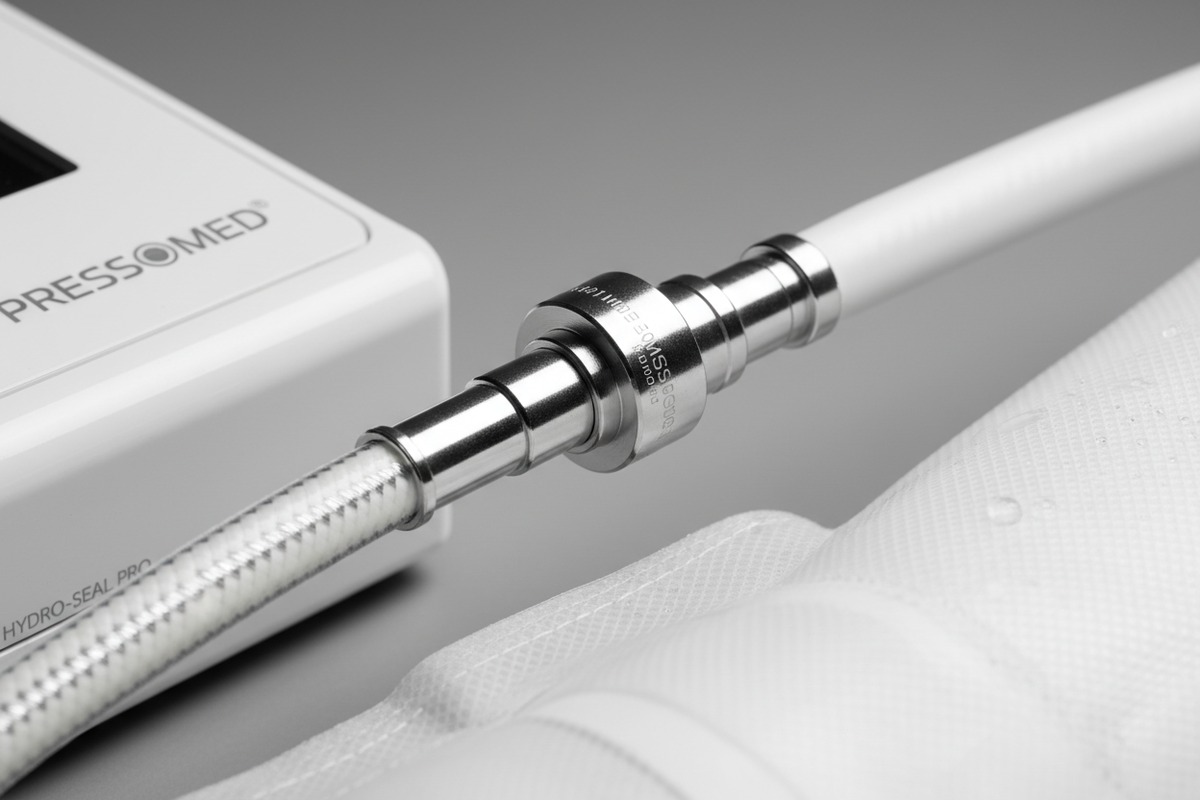
- Cable Management: Assessment of the design must include how hoses are managed. Are there hidden compartments? Dangling hoses look messy and unprofessional in a high-end suite.
Interface Integration
The screen should not look like an afterthought. It should be flush-mounted. Bezel-less screens are becoming the standard. A resistive touch screen that feels like an old ATM will devalue your brand immediately. You need capacitive touch screens 4 that respond like a smartphone.
| Design Feature | Old Standard (Avoid) | New Trend (South America Focus) |
|---|---|---|
| Casing Material | Painted Sheet Metal | Injection Molded ABS 5 / Acrylic |
| Form Factor | Broad, Horizontal Box | Slim, Vertical or Compact Slant |
| Hose Connection | Front-facing, visible | Side or Rear-mounted, hidden |
| Color Palette | Clinical Grey/Blue | Matte White, Champagne, Soft Pastels |
What technical design specifications should I prioritize to guarantee long-term durability for my brand?
Our engineers rigorously test compressors in simulated tropical environments to ensure they do not overheat during back-to-back sessions common in busy clinics. We understand that a machine failure in Brazil can mean weeks of lost revenue while waiting for parts.
Prioritize machines featuring dual-piston compressors and industrial-grade cooling fans to withstand 12+ hours of continuous operation without pressure loss. Verify the use of reinforced, non-kink silicone hoses and medical-grade TPU garment materials, which resist cracking better than PVC under frequent use and variable temperatures.

Durability is the silent guardian of your brand's reputation. South America presents unique challenges: high humidity in coastal areas, voltage fluctuations, and high usage rates (clinics often run 10-15 sessions a day).
The Heart: Compressor Quality
The compressor is the engine. Many budget suppliers use single-head diaphragm pumps. These are quiet but weak; they struggle to maintain pressure when inflating large garments (like full-body suits).
- Dual-Head Compressors: Essential for rapid inflation cycles. Faster cycles mean more physiological effect and better lymphatic drainage.
- Cooling Systems: Check for active cooling (fans with clear airflow paths). Passive cooling (heatsinks only) is insufficient for tropical climates where ambient room temperatures might be higher.
Garment Material: TPU vs. PVC
This is the most common failure point.
- PVC (Polyvinyl Chloride): Cheap, stiff, and prone to cracking after a few months of folding. It feels plasticky and sweaty against the skin.
- TPU (Thermoplastic Polyurethane): High elasticity, oil resistance, and abrasion resistance. It is softer, easier to clean, and far more durable. While TPU garments cost 20-30% more to manufacture, they reduce warranty claims significantly.
Solenoid Valves and Sensors
Precision matters. Cheap units use timers to guess pressure. Professional units use pressure sensors.
- Sensor Feedback: The machine should read the actual pressure in the air bag, not just the pressure at the pump. This ensures safety and consistency.
- Valve Quality: Look for reputable solenoid brands. A sticking valve causes one chamber to over-inflate, which is painful and dangerous for the client.
Voltage Versatility
Brazil is a complex market regarding voltage; some states are 127V, others 220V.
- Switching Power Supply: Ensure the machine uses a universal switching power supply 6 (100V-240V) rather than a fixed transformer. This prevents burnout if a user plugs a 110V machine into a 220V outlet.
| Component | Entry-Level Spec | Professional/Durable Spec |
|---|---|---|
| Air Pump | Single Diaphragm (<10L/min) | Dual Piston (>20L/min) |
| Pressure Control | Mechanical Knob / Timer | Digital Sensor Feedback Loop |
| Suit Material | PVC / Nylon | High-Density TPU |
| Duty Cycle | 30 mins on / 30 mins off | Continuous (Heavy Duty) |
How do I evaluate a supplier’s ability to customize the machine’s exterior and interface for my private label?
When we collaborate with brands, we emphasize that the software interface is just as branding-critical as the logo placement on the chassis. We often advise clients that a translated interface is the minimum requirement for market entry, not a luxury.
Evaluate a supplier’s customization capability by reviewing their portfolio of modified mold designs and multilingual interface options, specifically Portuguese and Spanish. Request a prototype of the digital touchscreen UI to ensure it supports custom boot logos and intuitive protocol presets tailored to local treatment preferences.

Private labeling is how you protect your margins. If you sell the exact same "off-the-shelf" machine as your competitor, you are in a price war. Customization creates a moat.
Software Architecture (UI/UX)
South America requires specific language support. "English-only" interfaces are a barrier to entry for many technicians.
- Language Packs: Can the supplier easily upload Portuguese and Spanish firmware?
- Protocol Customization: Can you rename "Mode A" to "Cellulite Buster" or "Post-Lipo"? This marketing-friendly terminology helps clinics sell treatments.
- Boot Screen: A custom loading screen with your logo adds a layer of professionalism that stickers on the case cannot match.
Exterior Branding
There are different levels of "OEM" (Original Equipment Manufacturing).
- Silk Printing: Cheap. Just your logo painted on.
- Sticker/Label: Very cheap. Looks unprofessional if it peels.
- Custom Color/Finish: Changing the plastic injection color (e.g., from white to matte black). This usually requires a Minimum Order Quantity (MOQ) of 50-100 units but sets you apart visually.
- Open Mold: Developing a completely new casing shape. This is expensive ($10k+) but gives you IP ownership of the look.
The "Hidden" Customizations
Don't overlook the connectors and accessories.
- Connector Coding: Can the hose connectors be color-coded to match your brand colors?
- Manuals and Packaging: A supplier who can print high-quality, Portuguese/Spanish user manuals is invaluable. Sending a PDF is not enough for a premium product experience.
| Customization Level | Description | Typical MOQ |
|---|---|---|
| Basic | Logo Sticker + English Software | 1 Unit |
| Intermediate | Screen Boot Logo + Silk Print Body | 10-20 Units |
| Advanced | Custom Paint Color + Localized UI Language | 50-100 Units |
| Pro | New Casing Mold + Custom Software Protocols | 200+ Units |
What should I look for in the structural and packaging design to prevent damage during international transit?
We have seen perfectly good machines ruined by moisture during sea freight because the packaging lacked proper seals. Our logistics team now insists on specific reinforced packaging standards for all shipments crossing the equator to ensure they arrive in pristine condition.
Inspect the packaging structural design for double-wall corrugated boxes reinforced with custom-molded EPE foam buffers greater than 3cm thick. For sea freight to South America, ensure the supplier includes moisture-absorbing desiccant packs and wraps the unit in sealed plastic to prevent humidity damage.
The journey from a factory in China to a warehouse in Brazil or Argentina is treacherous. It involves trucks, cranes, ships (salt air), and potentially rough handling at customs. Design extends to the box it comes in.
Internal Support Structure
Cheap suppliers use Styrofoam (EPS). It is brittle. If the box is dropped, the Styrofoam cracks, and the machine hits the cardboard. EPE Foam (Expanded Polyethylene) 7
- EPE Foam (Expanded Polyethylene): This is the industry standard for durability. It is flexible, absorbs shock, and bounces back. It should be custom-cut to fit the machine snugly, not just loose blocks.
- Accessory Protection: The air hoses and suits are heavy. If they are loose in the box, they can smash the screen of the main unit during transit. They must have their own compartment or sub-box.
Moisture Control
South American imports often sit in ports like Santos or Callao for weeks.
- Desiccants: Silica gel packs are mandatory.
- Plastic Wrapping: The inner machine must be wrapped in a PE bag. For premium protection, we recommend a vacuum-sealed bag to prevent any saline moisture from corroding the internal electronics before the client even opens it.
Exterior Carton Quality
- K=K Carton: This refers to the paper hardness. You want 5-layer or 7-layer cardboard.
- Corner Guards: Hard plastic or cardboard corners added to the exterior box prevent crushing when pallets are stacked.
- Palletization: Never ship loose boxes (LCL) without a pallet. Request plywood pallets (fumigation-free) to ensure your goods aren't thrown around individually.
Conclusion
Evaluating pressotherapy machine design for the South American market requires a holistic approach that goes beyond basic functionality. It involves auditing the aesthetic appeal for high-end clinics, verifying the technical robustness of compressors and garments for heavy usage, ensuring software localization for Portuguese and Spanish speakers, and demanding rigorous packaging standards to survive logistics. By focusing on these specific design elements, you secure a product that not only works well but builds a lasting brand reputation.
Footnotes
1. Provides information on a key component for continuous operation in machines. ↩︎
2. Details a superior material for pressotherapy garments, highlighting properties and applications. ↩︎
3. Explains a critical component for protecting goods from humidity during transit. ↩︎
4. Explains the technology behind modern touch interfaces for devices. ↩︎
5. Replaced with a comprehensive guide to ABS injection molding, covering its process, properties, and applications. ↩︎
6. Replaced with a Wikipedia article providing a comprehensive and authoritative explanation of switched-mode power supplies. ↩︎
7. Replaced with a Wikipedia article offering a clear definition and properties of expanded polyethylene (EPE foam). ↩︎

 English
  Español de México
  Deutsch
  Français
  العربية
  Русский