

When our engineering team started developing pressotherapy systems for major salon networks, one question kept coming up. How do purchasing managers truly vet suppliers who claim to be “one-stop” solutions? The problem is real. Many chains face inconsistent product quality, delayed shipments, and after-sales nightmares when they partner with the wrong manufacturers.
To evaluate a one-stop pressotherapy machine supplier for large chains, verify ISO 13485 certification, confirm OEM/ODM capabilities for private labeling, assess logistics infrastructure for international door-to-door delivery, and test equipment durability through third-party reports. These four pillars determine long-term partnership success.
Let me walk you through each critical evaluation area. This guide draws from real conversations with procurement managers and lessons learned from exporting equipment to over 50 countries.
How do I verify that a pressotherapy machine supplier can handle my chain's strict quality control requirements?
Our factory receives this question every week. Large chains cannot afford product failures across multiple locations. The stakes are high—one defective batch can damage your brand reputation overnight.
Verify quality control capability by confirming ISO 13485 certification, requesting third-party audit reports from bodies like SGS or Bureau Veritas, and demanding documentation of design controls, batch traceability, and incoming inspection protocols. Cross-check certifications against official regulatory databases.
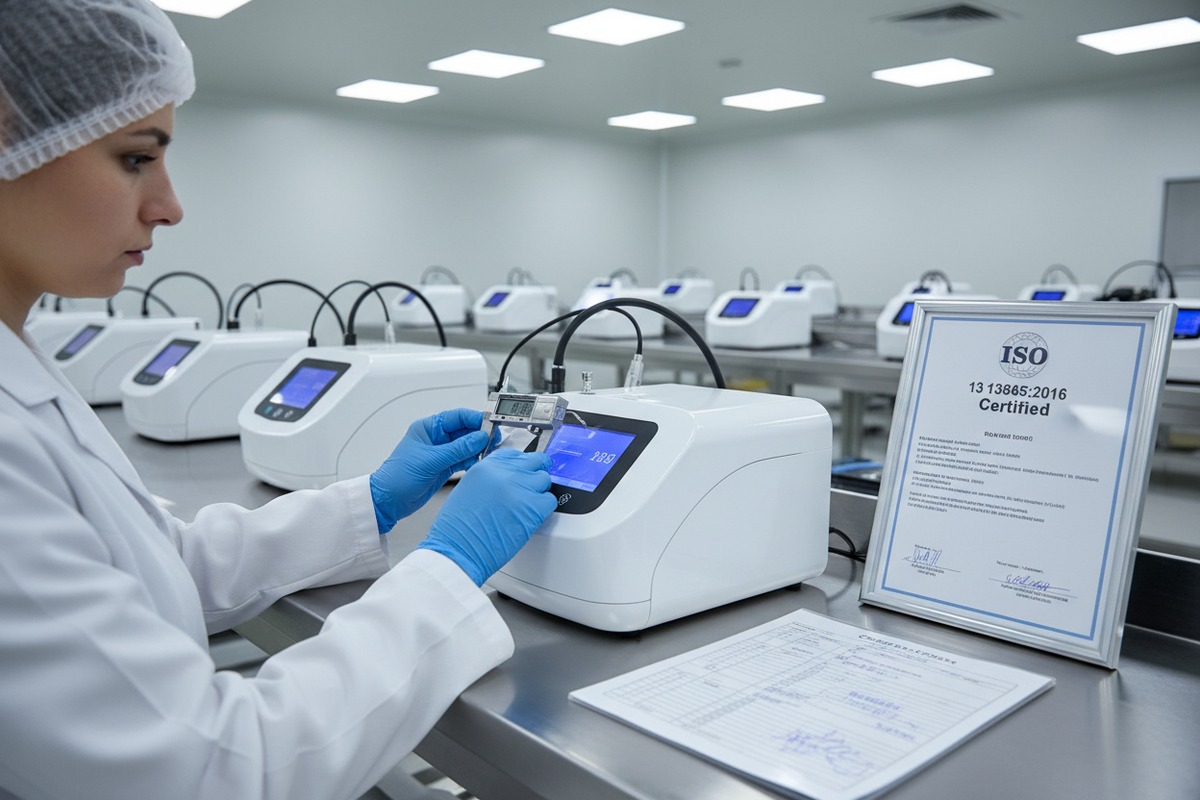
Why ISO 13485 Matters for Chain Operations
When we supply pressotherapy machines to multi-location chains, certification becomes non-negotiable. ISO 13485 is the internationally recognized standard for quality management systems specific to medical device manufacturing 1. This standard ensures consistent design, development, production, and delivery of medical devices that meet both customer and regulatory requirements.
The certification covers several critical areas that affect chain operations:
| Quality Control Element | What It Covers | Why Chains Need It |
|---|---|---|
| Design Controls | Product development documentation | Ensures reproducible quality across batches |
| Supplier Qualification | Incoming component inspection | Prevents defective parts from entering production |
| Process Validation | Manufacturing step verification | Guarantees consistent performance |
| Batch Traceability | Device history records | Enables rapid recalls if needed |
| Corrective Actions | Nonconformance handling | Addresses quality issues systematically |
Regional Certifications You Must Verify
Different markets require different regulatory clearances. In Europe, CE marking 2 indicates compliance with EU safety standards. For North American markets, FDA approval 3 or 510(k) clearance demonstrates that devices have been evaluated for safety and efficacy. Health Canada approval is required for Canadian sales, while Australia requires Therapeutic Goods Administration (TGA) oversight.
Never trust supplier claims alone. Cross-check ISO 13485, CE, and FDA registrations against official regulatory databases. Request recent factory audit reports from recognized inspection services. This due diligence protects your chain from counterfeit certifications and manufacturing inconsistencies.
In-Production Quality Checkpoints
Beyond certifications, ask suppliers about their real-time quality monitoring. At our facility, we implement multiple inspection stages:
- Incoming material inspection – Every component is tested before production
- In-process checkpoints – Critical assembly steps require sign-off
- Pre-shipment inspection – Complete functional testing before packaging
- Documentation review – All records verified for regulatory compliance
Can my chosen manufacturer provide the OEM services I need to private-label my pressotherapy equipment?
Building your own brand identity requires more than slapping a logo on a generic machine. When clients approach us for OEM services 5, they want comprehensive customization that differentiates them from competitors.
Evaluate OEM capability by confirming logo integration options, custom software development capacity, packaging customization services, regulatory support for multi-market compliance, and production scalability. A qualified OEM partner should offer design-to-delivery services without requiring separate vendor relationships.
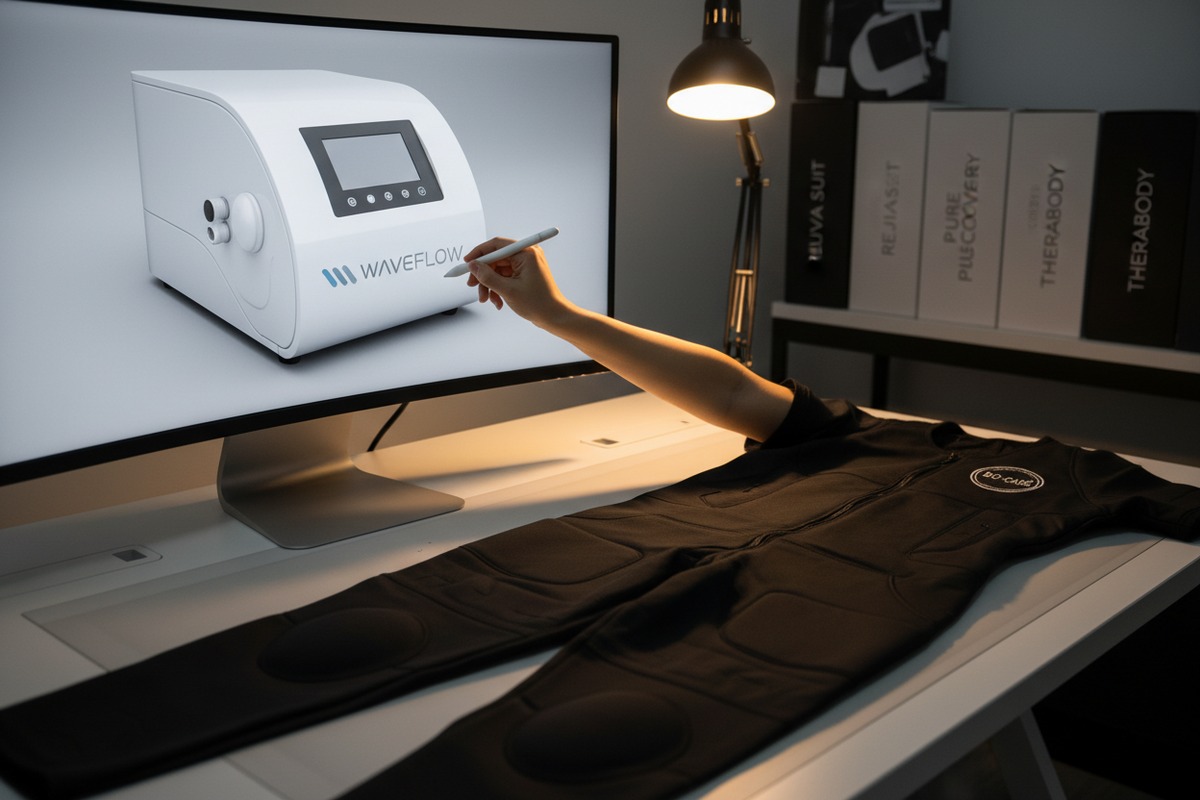
Essential OEM Services for Chain Operators
Private labeling involves more than cosmetic changes. Professional OEM partners provide end-to-end customization:
| OEM Service Category | Standard Offerings | Premium Additions |
|---|---|---|
| Visual Branding | Logo on machine body | Custom startup screen, branded interface |
| Software Customization | Language localization | Custom treatment protocols, data analytics |
| Packaging | Logo on cartons | Custom case design, branded accessories |
| Documentation | Branded user manuals | Training videos, marketing materials |
| Regulatory Support | CE/FDA under your brand | Multi-market certification assistance |
Questions to Ask About OEM Depth
During our OEM consultations, we guide clients through these critical questions:
Logo Integration: Can the supplier place your logo on the device startup screen, machine body, and all accessories? This creates a cohesive brand experience across touchpoints.
Software Flexibility: Does the supplier offer customizable treatment protocols? Can interface colors and language options be tailored? These details matter when serving diverse client demographics.
Minimum Order Quantities: What are the MOQs for full customization versus basic private labeling? Smaller chains may need flexible minimums while testing market response.
Lead Times: How long does full OEM customization add to standard production schedules? Planning inventory around customization timelines prevents stockouts.
Protecting Your Brand Through Quality OEM
One concern we frequently address involves quality consistency across OEM orders. When you private-label equipment, your reputation depends entirely on the manufacturer's standards. Verify that the supplier maintains the same quality protocols for OEM products as their own branded lines. Some manufacturers cut corners on OEM orders—avoid these partners.
Request references from other OEM clients. Ask about their experience with product quality, communication responsiveness, and issue resolution. A reputable OEM partner welcomes transparency about their client relationships.
How do I assess if a supplier's logistics team can manage door-to-door delivery for my international orders?
Logistics failures derail even the best procurement plans. When we ship pressotherapy equipment to chains across North America, Europe, and beyond, coordination becomes critical. A single shipping delay can leave multiple salon locations without inventory.
Assess logistics capability by verifying established carrier partnerships, customs clearance expertise, cargo insurance coverage, real-time tracking systems, and documented delivery success rates. Request references from international clients and confirm response protocols for shipping exceptions.
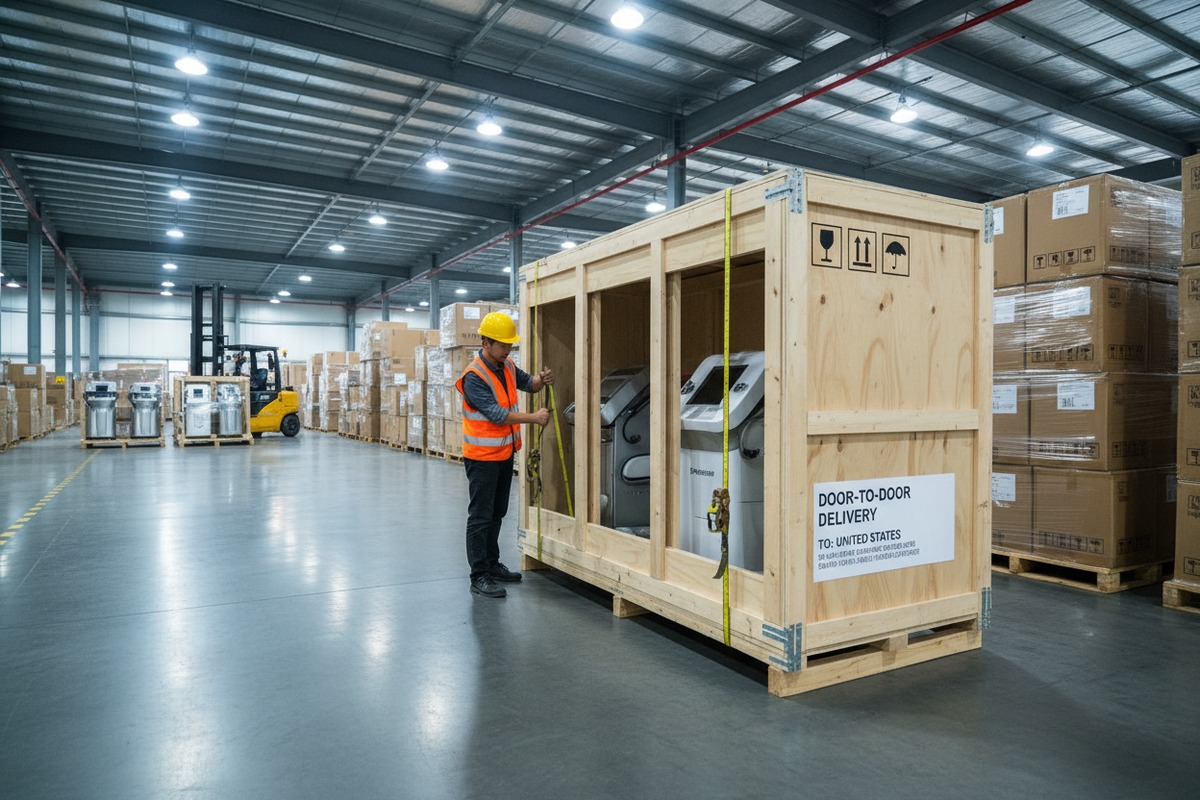
Key Logistics Infrastructure Elements
For large chains ordering from international manufacturers, logistics infrastructure determines delivery reliability. Professional logistics teams should offer:
| Logistics Element | What to Verify | Red Flags |
|---|---|---|
| Carrier Partnerships | Named relationships with DHL, FedEx, UPS | "We use various carriers" without specifics |
| Customs Expertise | HS code familiarity, documentation accuracy | History of customs delays or rejections |
| Packaging Standards | Equipment-specific protection, shock absorption | Generic packaging for all product types |
| Tracking Capability | Real-time visibility, proactive updates | Manual tracking requiring client follow-up |
| Insurance Coverage | Full cargo value protection | Limited or excluded coverage terms |
Understanding International Shipping Complexities
International regulations for beauty and medical equipment vary by destination. Different markets have specific requirements for product safety documentation, shipping declarations, and customs paperwork. A capable supplier handles these complexities without burdening your procurement team.
Multimodal transport options matter for cost optimization. Professional logistics teams offer air, sea, and rail options depending on urgency and budget. Door-to-door solutions eliminate the need for your team to coordinate last-mile delivery separately.
Questions for Logistics Evaluation
When evaluating our logistics capabilities, procurement managers typically ask:
Response Time: What is your standard response window for shipping inquiries? Our team commits to addressing questions within one business day.
Exception Handling: How do you manage delays, customs holds, or damaged shipments? Clear protocols demonstrate logistics maturity.
Delivery Tracking: Can we monitor shipments in real-time? Modern logistics requires transparent visibility throughout the delivery journey.
Documentation Accuracy: What is your customs clearance success rate? Repeated documentation errors indicate systemic issues.
Evaluating Logistics Through References
Request shipping references from suppliers. Contact their existing international clients and ask specific questions:
- Did shipments arrive within promised timeframes?
- How did the supplier handle any shipping exceptions?
- Were customs clearances smooth or problematic?
- Did packaging protect equipment adequately?
This due diligence reveals operational reality beyond sales promises.
What technical benchmarks should I use to ensure my supplier's pressotherapy machines are built for long-term salon use?
In our production facility, durability testing runs continuously. Professional salon environments demand equipment that withstands constant use. Home-grade machines fail quickly under commercial workloads.
Evaluate technical durability through pressure calibration accuracy (±5 mmHg tolerance), garment durability (10,000+ compression cycles), noise levels (below 60 dB), water resistance ratings (IPX6+), and adjustable pressure ranges (0-100 mmHg minimum). Request third-party test reports verifying these specifications.
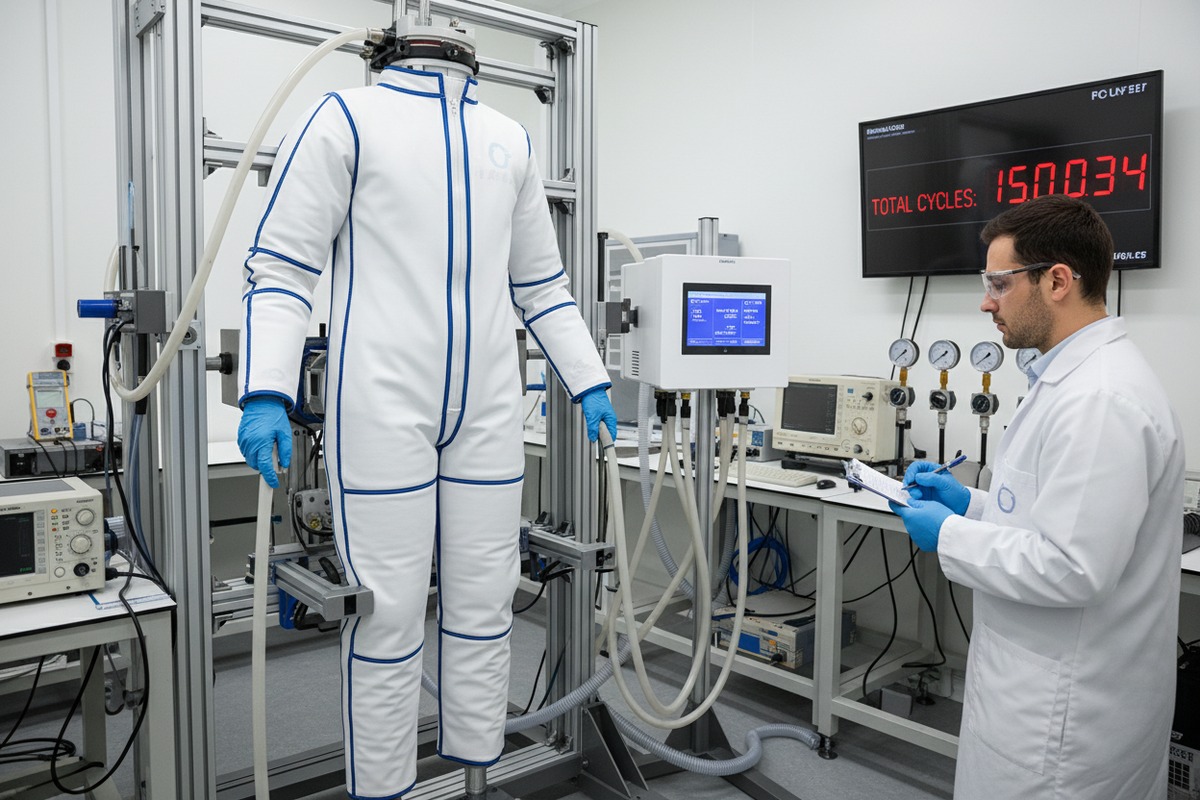
Critical Technical Specifications for Salon Use
Professional pressotherapy machines must meet higher standards than consumer devices. These benchmarks separate commercial-grade equipment from home-use products: pressure calibration accuracy 7
| Technical Parameter | Professional Standard | Consumer Grade | Impact on Salon Use |
|---|---|---|---|
| Pressure Calibration | ±5 mmHg accuracy | ±15 mmHg typical | Consistent therapeutic outcomes |
| Compression Cycles | 10,000+ tested | 2,000-5,000 typical | Equipment longevity |
| Noise Level | Below 60 dB | 65-75 dB common | Client comfort |
| Pressure Range | 0-100 mmHg adjustable | Fixed ranges | Treatment versatility |
| Water Resistance | IPX6 or higher | IPX4 typical | Easy cleaning protocols |
| Operating Hours | 8+ hours daily rated | 2-4 hours daily | Commercial workload capacity |
Component Quality Indicators
The internal components determine long-term reliability. When our engineers design pressotherapy systems, they focus on:
Air Pumps: Commercial-grade pumps operate quietly and consistently over extended periods. Premium compression sensors monitor applied pressure and provide feedback to ensure correct function.
Hose Durability: Reinforced air hoses resist kinking, cracking, and connector wear. Cheap hoses fail within months under salon conditions.
Garment Construction: Professional garments use materials designed for repeated cleaning and extended use. Some suppliers now offer washable garments that extend lifespan significantly.
Control Electronics: Professional touchscreen interfaces should be intuitive and responsive. Multi-language support accommodates diverse staff and clientele.
Requesting Third-Party Verification
Do not accept manufacturer specifications at face value. Request independent test reports confirming:
- Pressure accuracy across the full operating range
- Durability testing methodology and results
- Electrical safety certifications
- Material composition and safety data
Third-party testing from recognized laboratories provides objective verification that protects your equipment investment.
Total Cost of Ownership Considerations
Initial purchase price represents only part of equipment costs. Professional evaluation includes:
Garment Replacement: How frequently will garments need replacement? What are replacement costs? Durable, washable garments dramatically reduce ongoing expenses.
Maintenance Requirements: What preventive maintenance is needed? Are spare parts readily available? Some manufacturers maintain spare parts inventory for rapid shipment.
Energy Consumption: How much power does continuous operation require? Efficient designs reduce utility costs across multiple locations.
Training Investment: How much staff training time is required? Intuitive interfaces minimize training overhead for chain operations with staff turnover.
Conclusion
Evaluating one-stop pressotherapy suppliers requires systematic assessment across quality systems, OEM capabilities, logistics infrastructure, and technical durability. The right partner reduces operational headaches and protects your brand reputation across all chain locations.
Footnotes
1. Provides a definition and overview of the medical device manufacturing industry. ↩︎
2. Official EU source explaining the mandatory conformity marking for products sold in Europe. ↩︎
3. Authoritative overview of the FDA approval processes for medical devices in the US. ↩︎
4. Explains the international standard for quality management systems in medical device manufacturing. ↩︎
5. Defines Original Equipment Manufacturer (OEM) services in a manufacturing context. ↩︎
6. Found a clear explanation of door-to-door delivery from a shipping logistics site. ↩︎
7. Provides a general understanding of calibration, essential for ensuring device accuracy. ↩︎
8. Defines Total Cost of Ownership (TCO) as a comprehensive financial estimate for assets. ↩︎

 English
 Español de México
 Deutsch
 Français
 العربية
 Русский
