When a hose bursts mid-treatment, the session stops. The client feels uncertain. Your machine’s reputation takes a hit. In our production facility, we have seen countless salon owners struggle with this exact problem—air hoses that look fine but fail under pressure. The frustration builds when you realize the hose was the weak link all along.
To evaluate air hose quality and durability for pressotherapy machines, you should assess material composition (reinforced PVC, polyurethane, or rubber), verify pressure ratings (typically 200-400 PSI with 4:1 safety factor), inspect connector fittings for leak-proof seals, and demand testing documentation from suppliers following NAHAD or ASTM standards.
This guide will walk you through every step of hose evaluation. We will cover material science, connector design, OEM requirements, and quality control protocols. By the end, you will know exactly what to demand from your supplier.
How do I assess the material quality to ensure my pressotherapy hoses won't burst under pressure?
Our engineering team has tested dozens of hose materials over the years. Some crack after a few months. Others last for years without issue. The difference comes down to material composition 2 and construction. The wrong choice costs you time, money, and customer trust.
Assess hose material quality by checking for reinforced PVC, medical-grade polyurethane, or rubber with textile braids. Verify the Maximum Allowable Working Pressure (MAWP) is 200-400 PSI, with burst pressure at 4x MAWP. Test flexibility at temperature extremes from -40°C to 100°C, and confirm biocompatibility certification for skin-contact applications.

Understanding Material Types
Different materials serve different purposes. Each has strengths and weaknesses you must understand.
Polyurethane air hose 3 is a type of thermoplastic elastomer that is known for its excellent flexibility, durability, and kink-resistance. It is also resistant to abrasion, punctures, and chemicals, making it a popular choice for various industrial applications.
PVC air hose is a type of plastic polymer that is widely used for various industrial applications. It is known for its low cost, lightweight, and ease of use. However, PVC air hoses are not as durable or flexible as their polyurethane counterparts.
Medical-grade polyurethane tubing 4 is highly flexible and resists kinks, cracking and abrasion that can lead to problematic leaks. Polyurethane medical pneumatic tubing also has excellent memory and resists fungus, chemicals, water and oil.
Material Comparison Table
| Material | Flexibility | Durability | Temperature Range | Cost | Best For |
|---|---|---|---|---|---|
| Polyurethane | Excellent | High | -40°C to 74°C | High | High-use salons |
| Reinforced PVC | Good | Medium | -18°C to 60°C | Low | Budget applications |
| Rubber | Moderate | Very High | -30°C to 100°C | Medium | Heavy-duty use |
| Hybrid TPU | Excellent | High | -40°C to 80°C | Medium-High | Balanced performance |
Key Pressure Ratings to Check
Industry standards typically require burst pressures to be 3-4 times the working pressure. Never operate a hose near its burst pressure – always stay within working pressure limits.
For pressotherapy machines, this means:
- Working pressure: 200-400 PSI typical
- Burst pressure: 800-1600 PSI minimum
- Test pressure: 1.5-2x working pressure
During hydrostatic hose testing 5, technicians fill the assembly with a non-compressible fluid, typically water, and then gradually increase the internal pressure to a predetermined test level, which is usually 1.5 to 2 times the maximum working pressure.
Temperature and Flexibility Testing
PVC can be used at temperatures approaching -50°F/-45°C, while polyurethane can handle those near -95°F/-70°C. This matters for storage and transport conditions.
In our testing lab, we bend hoses at extreme temperatures to check for cracking. PVC hoses are prone to kinking and can become brittle over time, especially in colder temperatures.
Polyurethane hoses are less prone to wear and surface damage, can withstand higher operating pressures without weakening, retain flexibility in low temperatures, and tolerate higher heat without degrading.
Biocompatibility Considerations
For medical-grade pressotherapy applications, the hose material must not release harmful substances. Polyurethane is widely accepted as a premium material for medical device use because of its flexible nature and easy sterilizability. This tubing is extruded from compounds which have passed USP Class VI testing.
What should I check in the connector design to prevent air leaks during long-term salon use?
In our experience working with salon owners across three continents, connector failures cause more service calls than hose failures. A small leak at the fitting means constant air loss, inconsistent pressure, and unhappy clients. The right connector design eliminates these problems before they start.
Check connector design by verifying material quality (machined brass or stainless steel, never zinc die-cast), ensuring proper O-ring seals, testing for leak-free engagement under repeated connect/disconnect cycles, and confirming the fitting style matches your machine's specifications. Avoid over-tightening which damages threads and causes premature failure.
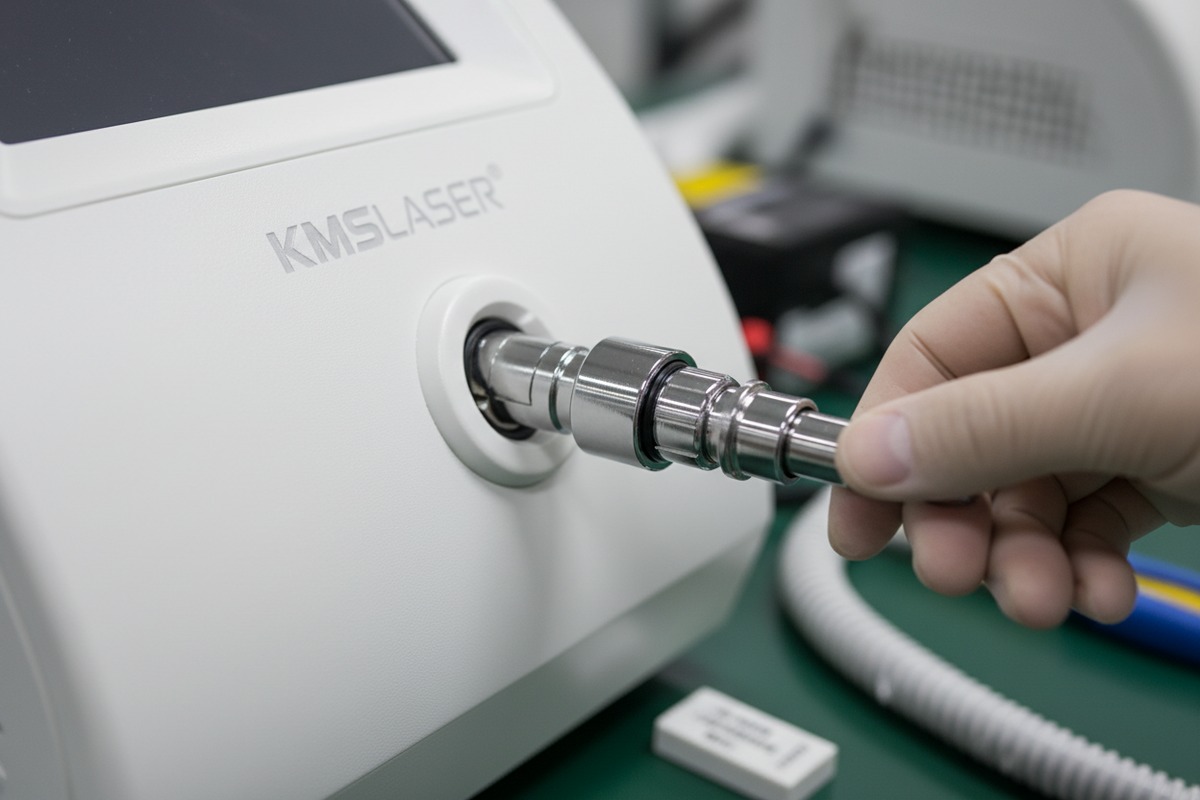
Fitting Material Selection
Brass sits in the "sweet spot" of performance, affordability, and availability. It delivers the durability and resistance needed for industrial air systems without the weight and cost of stainless steel or the limitations of plastic.
Stainless steel fittings offer exceptional corrosion resistance and high strength, making them ideal for extreme environments—such as those involving corrosive chemicals or saltwater exposure. However, they are heavier, 2-3x more expensive, and may be excessive for standard compressed air systems where brass can perform equally well at a lower cost.
Fitting Quality Hierarchy
| Fitting Type | Durability | Leak Resistance | Cost | Recommended Use |
|---|---|---|---|---|
| Stainless Steel | Excellent | Excellent | High | High-volume clinics |
| Machined Brass | Very Good | Very Good | Medium | Standard salon use |
| Nickel-Plated Steel | Good | Good | Medium | Vibration environments |
| Zinc Die-Cast | Poor | Poor | Low | Avoid for therapy |
| Plastic/Composite | Fair | Fair | Low | Low-pressure only |
Common Leak Points and Prevention
The machined brass fittings 6 are screw machine products and machined from solid. They usually work good and don't leak until they have been in service for a good while. They are rebuildable too just by changing O-rings.
The cheapest fittings will be Zinc diecast and have a parting line on the male fitting. They leak from jump and aren't worth picking up.
Ensure that connections are tight and secure, but avoid overtightening, which can damage the hose or fitting threads, especially when softer material is used for the fittings and adapters (such as brass).
Thread Inspection Protocol
One of the most frequent causes of leaks in threaded fittings is thread damage. Over time, the threads on both the fitting and the connected pipe can become worn down from repeated installation and removal, vibration, or excessive pressure. This wear can prevent the fitting from sealing properly, allowing fluid or gas to escape.
When inspecting threads, look for:
- Burrs or rough edges
- Cross-threading damage
- Worn or flattened thread peaks
- Corrosion or oxidation buildup
Crimp vs. Reusable Fittings
Crimped fittings offer more reliable seals for permanent installations. Reusable fittings allow easier maintenance but require more frequent inspection.
For pressotherapy machines, we recommend crimped fittings on the machine side and reusable fittings on the garment side for easy replacement.
The only thing that works is to buy quality fittings and replace them if and when they give you trouble. If you fix each one as it starts to leak its not too bad.
How can I evaluate if the air hoses meet my brand's specific standards for custom OEM production?
When our OEM clients approach us for private-label pressotherapy machines, the first question is always about quality standards. Your brand is on the line. Every hose that fails reflects on your reputation. We help our partners establish clear specifications that protect their business and satisfy their end customers.
Evaluate OEM air hose standards by requiring ISO 9001 certification documentation, specifying material and pressure test requirements in your purchase agreement, demanding sample testing with third-party verification, and establishing incoming quality inspection protocols. Request certificates of conformance for each production batch and audit supplier facilities when possible.

Essential Certifications to Require
ISO 9001 is the global benchmark for quality management systems. It sets requirements for consistent processes, customer satisfaction, continual improvement, and corrective action mechanisms.
To become ISO 9001 certified, a manufacturer has to pass an in-depth audit. And it has to do so every three years to remain certified.
For medical-grade applications, ISO 13485 7 is the gold standard for medical device OEMs. It governs quality management in the design and manufacture of medical components, devices, and systems.
OEM Specification Checklist
| Specification Area | What to Document | Why It Matters |
|---|---|---|
| Material Grade | Resin type, durometer, formulation | Consistency across batches |
| Pressure Ratings 8 | MAWP, burst pressure, test pressure | Safety compliance |
| Dimensions | ID, OD, wall thickness, length tolerance | Fit and function |
| Color/Appearance | Pantone codes, surface finish | Brand consistency |
| Testing Protocol | Methods, frequency, acceptance criteria | Quality assurance |
| Packaging | Protection requirements, labeling | Damage prevention |
Creating Your OEM Specification Document
When we develop custom hoses for OEM clients, we require complete specifications covering:
- Material specifications: Exact compound formulation or equivalent
- Dimensional tolerances: ±0.5mm for ID/OD, ±2% for length
- Performance requirements: Pressure, temperature, flexibility
- Visual standards: Color matching, surface defects allowed
- Testing requirements: 100% proof test vs. sampling plan
- Documentation: Test certificates, traceability codes
With quality management in place, it allows customization of additional products and making standard products even better. When manufacturing processes are more efficient, it frees up time and resources for other areas.
Sample Approval Process
Before full production, demand the following:
- First article samples (minimum 5 pieces)
- Complete test reports for samples
- Material certifications
- Process documentation
The bottom line in Quality Control (QC) and Quality Assurance (QA) ensures customer confidence and customer satisfaction. Listen to customers and use their feedback on design, production, and quality control.
Supplier Audit Points
When visiting potential OEM suppliers, check:
- Testing equipment calibration records
- Material storage conditions
- Production process controls
- Finished goods inspection procedures
- Traceability systems
Comprehensive records and documentation throughout the manufacturing process, including documenting raw material specifications, manufacturing parameters, test results, and other relevant information, allows for easy identification and resolution of any quality-related issues that may arise.
What quality control steps should I demand from my supplier to guarantee hose durability?
Our quality control team rejects about 3% of incoming hose assemblies. That might sound small, but for your salon, one bad hose can mean one ruined treatment and one lost customer. We have developed strict QC protocols through years of trial and error. Here is what you should demand from your supplier.
Demand these quality control steps from your supplier: hydrostatic proof testing at 1.5-2x working pressure, visual inspection for cracks or defects, dimensional verification, documented testing with unique identifiers, and regular calibration of test equipment. Require test certificates with each shipment and establish a clear rejection and replacement protocol.

Essential Testing Methods
Hydraulic hose pressure testing is a procedure designed to evaluate the integrity and performance of hoses under simulated operating pressures. This process involves subjecting the hoses to controlled pressure levels, often exceeding their rated working pressure, to identify any potential weaknesses, leaks, or failures. The testing ensures that the hoses can safely and reliably handle the pressures they will encounter in real-world applications.
Proof/leakage tests apply pressure up to two times the maximum allowable working pressure (MAWP) to verify that the product will not rupture and that assemblies will not leak.
Complete QC Protocol Table
| Test Type | Method | Frequency | Accept Criteria |
|---|---|---|---|
| Proof Pressure | Hydrostatic at 2x MAWP | 100% of assemblies | No leaks, deformation |
| Burst Test | Destructive at 4x MAWP | 1 per lot minimum | Exceeds specification |
| Dimensional | Measurement | 100% inspection | Within tolerance |
| Visual | Manual inspection | 100% inspection | No defects |
| Flexibility | Bend radius test | Sample per lot | No kinking or cracking |
| Air Decay | Pneumatic leak test | Where applicable | No pressure drop |
Testing Documentation Requirements
Each hose assembly should have a unique identifier, and testing results—including test date, pressure achieved, duration, and technician observations—must be accurately recorded. This documentation provides a historical performance record, aids in scheduling future tests, and serves as vital evidence for compliance and incident investigation.
Require these documents with each shipment:
- Certificate of conformance
- Test report with unique serial numbers
- Material certificates (MTRs)
- Inspector identification
- Date and equipment used
Industry Standards to Reference
Following manufacturer recommendations and industry standards (such as those from NAHAD or ASTM) is paramount. High-pressure hoses, those handling hazardous materials, or hoses in critical applications typically require more frequent testing.
Several key test procedures for hydraulic and industrial hoses fall under the SAE J517 and J343 standards 10. These evaluations focus on environmental concerns and how hose assemblies will perform under different types of stress.
Visual Inspection Checklist
Before accepting any hose shipment, check for:
- Surface cracks or cuts
- Bulges or deformations
- Kinks or permanent bends
- Discoloration or staining
- Fitting damage or corrosion
- Missing or damaged packaging
All hoses should be visually, externally inspected prior to each use and thoroughly inspected prior to 12 months. All hose should be hydrostatically tested to 1.5 times Maximum Operating Pressure for 3 to 5 minutes every 12 months to verify the hose assembly's integrity.
Ongoing Quality Monitoring
New hoses must be tested to verify their compliance with the manufacturer's specifications and industry standards. Periodic testing (retesting) during operation is also necessary to detect any potential issues, such as wear and tear, and to ensure that the hoses continue to function at optimal levels. This regular testing is crucial in safeguarding the performance and longevity of hoses preventing unexpected failures.
Setting Up Incoming Inspection
At our facility, we perform incoming inspection on every hose shipment:
- Check packaging integrity
- Verify documentation completeness
- Random sample dimensional check (10% minimum)
- Visual inspection of all units
- Functional test on 5% of shipment
- Record and file all inspection results
Only trained and certified professionals should conduct hose testing. They understand the intricacies of different hose types, testing procedures, safety protocols, and how to interpret results accurately.
Conclusion
Quality air hoses are the backbone of reliable pressotherapy treatments. By understanding material science, demanding proper certifications, specifying clear requirements, and enforcing rigorous quality control, you protect your brand and your clients. Partner with suppliers who share your commitment to excellence.
## Footnotes

<span id="footnote-1">
1. Details NAHAD's Hose Safety Institute and its role in industry standards. <a href="#ref-1" class="footnote-backref">↩︎</a>
</span>

<span id="footnote-2">
2. Explains common hose materials like polyurethane, PVC, and rubber. <a href="#ref-2" class="footnote-backref">↩︎</a>
</span>

<span id="footnote-3">
3. Explains the properties and benefits of polyurethane tubing for pneumatic systems. <a href="#ref-3" class="footnote-backref">↩︎</a>
</span>

<span id="footnote-4">
4. Discusses the advantages and applications of medical-grade polyurethane tubing. <a href="#ref-4" class="footnote-backref">↩︎</a>
</span>

<span id="footnote-5">
5. Describes the process and importance of hydrostatic testing for hoses. <a href="#ref-5" class="footnote-backref">↩︎</a>
</span>

<span id="footnote-6">
6. Explains why brass fittings are preferred in pneumatic systems for durability and precision. <a href="#ref-6" class="footnote-backref">↩︎</a>
</span>

<span id="footnote-7">
7. Details ISO 13485 as the quality management standard for medical devices. <a href="#ref-7" class="footnote-backref">↩︎</a>
</span>

<span id="footnote-8">
8. Defines industrial hose pressure ratings, working pressure, and burst pressure. <a href="#ref-8" class="footnote-backref">↩︎</a>
</span>

<span id="footnote-9">
9. Explains ISO 9001 certification and its requirements for quality management systems. <a href="#ref-9" class="footnote-backref">↩︎</a>
</span>

<span id="footnote-10">
10. Replaced HTTP 403 link with an authoritative page from SAE International, the source of the SAE J343 standard, which is relevant to hose assembly testing. <a href="#ref-10" class="footnote-backref">↩︎</a>
</span>

 English
  Español de México
  Deutsch
  Français
  العربية
  Русский