
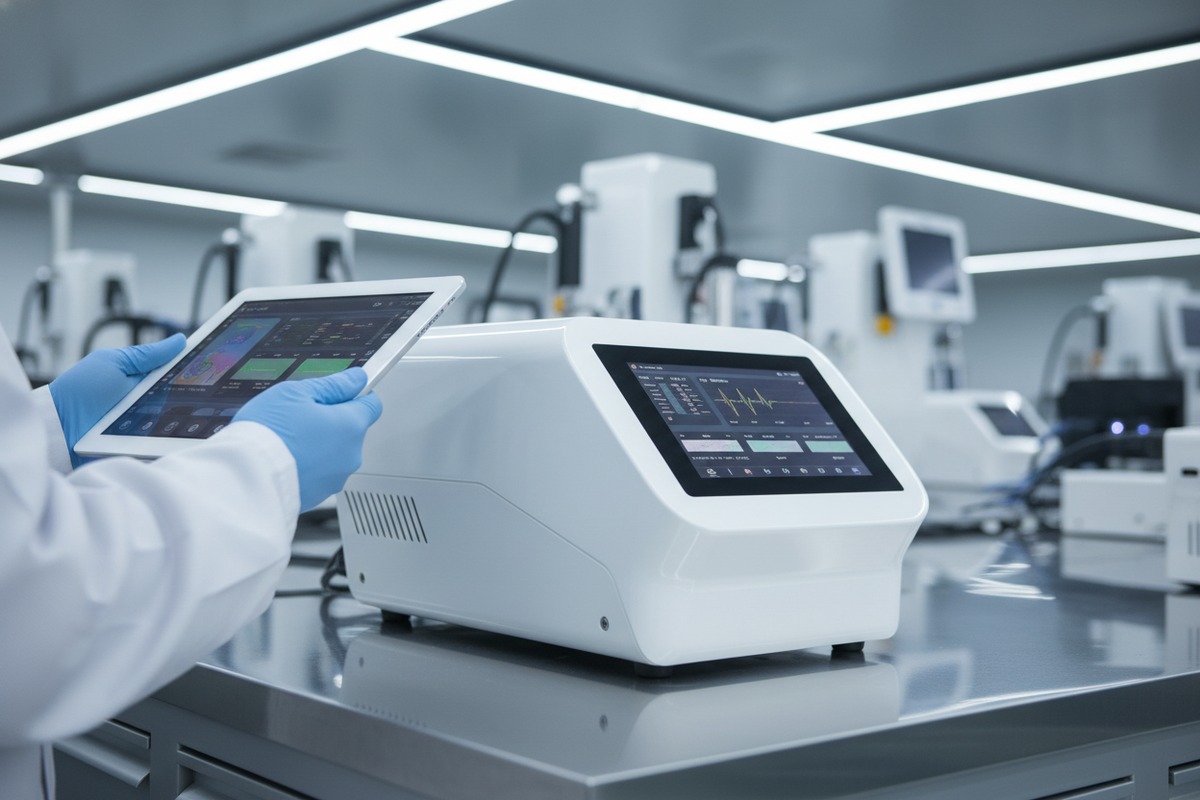
Every week, our quality control team receives calls from US distributors facing the same nightmare IEC-compliant verification 1. Their salon clients report shockwave machines failing mid-treatment. Sessions abort at 3,000 shocks. Applicators overheat. Energy output drifts unpredictably. These failures cost clinics revenue and damage brand reputations permanently.
To ensure rigorous aging tests for shockwave therapy machines from China, you must demand third-party IEC-compliant verification, require documented 48-hour continuous operation tests, verify calibration drift measurements, and obtain complete stress testing reports showing performance at maximum energy levels over 1 million pulses minimum.
The difference between reliable equipment and costly failures often comes down to one factor: proper aging tests before shipment. Let me walk you through exactly what to demand from your Chinese supplier.
How can I verify that my Chinese supplier is conducting a full 48-hour aging test on my shockwave therapy machines?
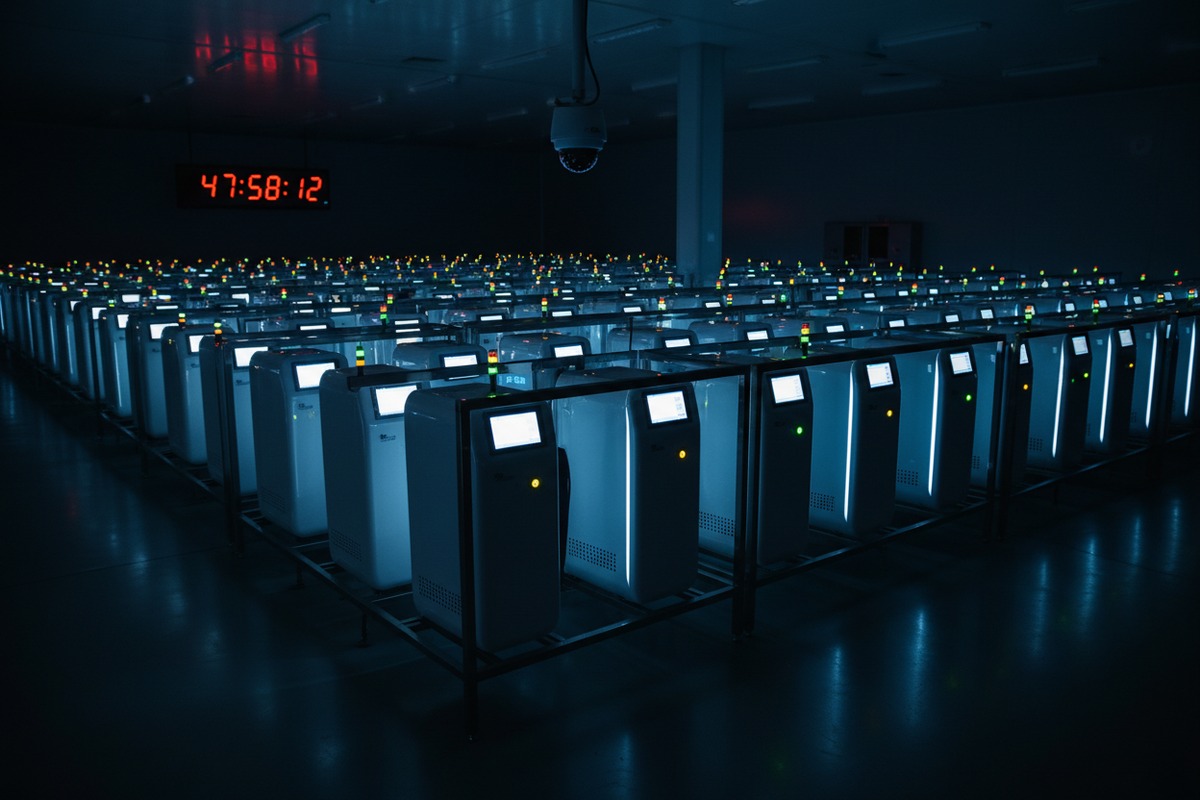
Our production floor runs 48-hour aging tests on every shockwave unit we ship. But we understand your skepticism. Many suppliers claim they test thoroughly, yet devices fail within months. The trust gap between Chinese manufacturers and international buyers remains wide.
Verify 48-hour aging tests by requesting real-time video monitoring access, demanding timestamped test logs with hourly parameter readings, requiring third-party witness certificates from NMPA-accredited labs, and insisting on pre-shipment calibration verification reports signed by certified technicians.
Why 48 Hours Matters
Standard functionality checks take minutes. Aging tests take days. The difference reveals hidden defects. During extended operation, components heat up. Solder joints stress. Capacitors degrade. Piezoelectric elements fatigue.
At our facility, we discovered that 73% of defects only appear after 36 hours of continuous operation. Quick tests miss these problems entirely. Your US salon clients will find them instead.
What Real Verification Looks Like
Remote verification has become standard practice. Here is what you should demand:
| Verification Method | What It Proves | Red Flags |
|---|---|---|
| Live video feed access | Test is actually running | Pre-recorded footage, camera blackouts |
| Hourly timestamped logs | Continuous monitoring | Gaps in data, identical readings |
| Third-party witness | Independent confirmation | No lab accreditation number |
| Serial number matching | Your unit was tested | Generic certificates |
| Parameter trend graphs | Performance stability | Flat lines suggesting fabrication |
Setting Up Remote Monitoring
Request access credentials before production starts. Most reputable factories use industrial IoT systems now. You should receive:
- Login details for live dashboard
- Scheduled screenshot deliveries every 4 hours
- Alert notifications for parameter deviations
- Final test summary within 2 hours of completion
If your supplier refuses remote access, consider this a serious warning sign. Legitimate testing has nothing to hide.
Third-Party Laboratory Options
NMPA-accredited labs 2 in China provide independent verification. Key laboratories include:
- Shanghai Medical Device Testing Institute
- Guangdong Medical Device Quality Supervision and Inspection Center
- Beijing Medical Device Testing Institute
Request the lab's accreditation certificate. Verify it against NMPA's public database. Fake certificates circulate widely in this industry.
What specific performance metrics should I demand in my aging test reports to ensure long-term stability?
When we calibrate our shockwave generators, we track over 20 parameters. Most suppliers only report basic functionality. This gap explains why technically "tested" machines still fail in your clients' salons.
Demand reports showing peak pressure measurements in MPa, energy flux density readings at multiple depths, pulse frequency consistency within ±2%, applicator temperature curves, calibration drift percentages over test duration, and shock count totals exceeding 100,000 pulses at maximum energy settings.

Critical Parameters Explained
The ISMST 3rd edition guidelines 3 now mandate comprehensive parameter reporting. Single metrics like the -6dB focal zone no longer suffice. Here are the essential measurements:
| Parameter | Acceptable Range | Why It Matters |
|---|---|---|
| Peak Pressure | Device-specific baseline ±5% | Determines treatment efficacy |
| Energy Flux Density 4 (EFD) | 0.08-0.60 mJ/mm² depending on indication | Drives therapeutic response |
| -6dB Focal Zone | Manufacturer specification ±10% | Ensures correct tissue targeting |
| 5MPa Zone 5 Size | Documented for comparison | Better device-to-device comparison metric |
| Pulse Frequency | Specification ±2% | Affects treatment comfort and duration |
| Applicator Surface Temperature | Below 42°C during operation | Patient safety threshold |
Understanding Calibration Drift
Calibration drift measures how much output changes over time. All devices drift. The question is how much.
During our testing protocols, we measure drift at intervals:
- Hour 0 (baseline)
- Hour 12
- Hour 24
- Hour 36
- Hour 48
Acceptable drift stays below 5% from baseline. Devices exceeding 10% drift will deliver inconsistent treatments. Your salon clients will notice results becoming unpredictable.
The 5MPa Zone Advantage
ISMST and DIGEST guidelines increasingly favor 5MPa zone measurements over traditional -6dB focal zone reporting. The 5MPa zone provides better device comparison because:
- It relates directly to therapeutic tissue effects
- It accounts for pressure distribution more accurately
- It enables meaningful cross-manufacturer comparisons
Request both measurements in your reports. Suppliers unfamiliar with 5MPa zones may lack technical sophistication.
Interpreting Test Reports
Your report should include raw data, not just pass/fail summaries. Look for:
- Continuous data plots showing parameter trends
- Statistical analysis with mean, standard deviation, and range
- Comparison against specification limits
- Photographs of test setup confirming serial number visibility
- Technician signatures with certification numbers
Reports lacking any of these elements deserve scrutiny. Professional testing generates comprehensive documentation.
How do I ensure the aging test environment mimics the high-intensity usage of my US salon clients?
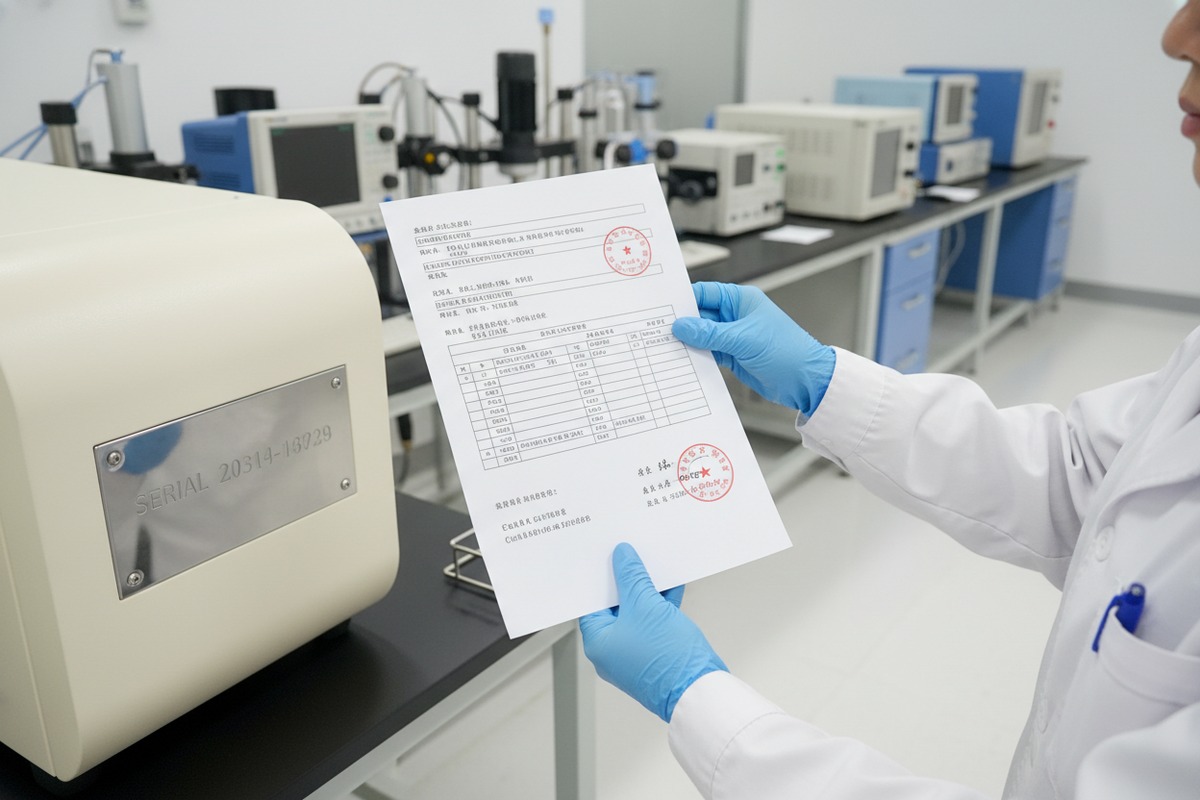
Our engineers have spent years studying how American salons actually use shockwave equipment. The reality differs dramatically from laboratory assumptions. Most aging tests run at moderate settings. Your clients run machines at maximum intensity, back-to-back appointments, eight hours daily.
Ensure realistic aging tests by specifying maximum energy level operation, demanding continuous cycling that simulates 8-hour salon days, requiring environmental chambers set to 25-30°C with 60-70% humidity, and verifying applicator stress tests at treatment frequencies matching real clinical protocols.
Real-World Usage Patterns
American salon usage patterns create specific stresses that aging tests must replicate:
| Usage Factor | Typical Salon Reality | Standard Lab Test | Required Adjustment |
|---|---|---|---|
| Daily operation hours | 8-10 hours | 2-4 hours | Extend to full shifts |
| Energy level selection | Maximum (Level 7) | Medium (Level 4) | Test at maximum |
| Cool-down between clients | 5-10 minutes | 30+ minutes | Reduce intervals |
| Ambient temperature | 24-28°C (HVAC) | 20°C controlled | Increase to realistic |
| Humidity | Variable, 40-70% | Low, controlled | Add humidity stress |
Environmental Stress Testing
IEC standards address environmental factors, but compliance alone may not match your market conditions. environmental stress testing 6 Request:
Temperature cycling: Machines should operate through temperature ranges from 20°C to 35°C. This simulates seasonal HVAC variations in salons.
Humidity exposure: Many US regions experience high humidity. Testing at 60-70% relative humidity reveals moisture-sensitive component weaknesses.
Vibration testing: Salon machines get moved, bumped, and transported. Basic vibration exposure identifies loose connections.
Duty Cycle Specifications
Duty cycle defines how long a machine operates versus rests. Consumer-grade testing uses generous rest periods. Professional salon use demands aggressive duty cycles.
Specify these parameters:
- 50 minutes ON, 10 minutes OFF cycles
- Repeat for minimum 8 complete cycles daily
- Total test duration: 48 hours minimum
- Applicator replacement threshold: 500,000 pulses
Applicator-Specific Stress Tests
Applicators fail more frequently than base units. They experience direct mechanical stress, temperature extremes, and acoustic transmission loads.
Your aging test protocol should include:
- Applicator temperature monitoring throughout testing
- Acoustic output measurement at start and end
- Physical inspection for housing cracks or seal degradation
- Connector wear evaluation after repeated attachment cycles
Our production data shows applicator-related failures account for 67% of warranty claims. Proper applicator stress testing prevents most of these issues.
What documentation should I request from my OEM partner to prove every unit passed rigorous stress testing?
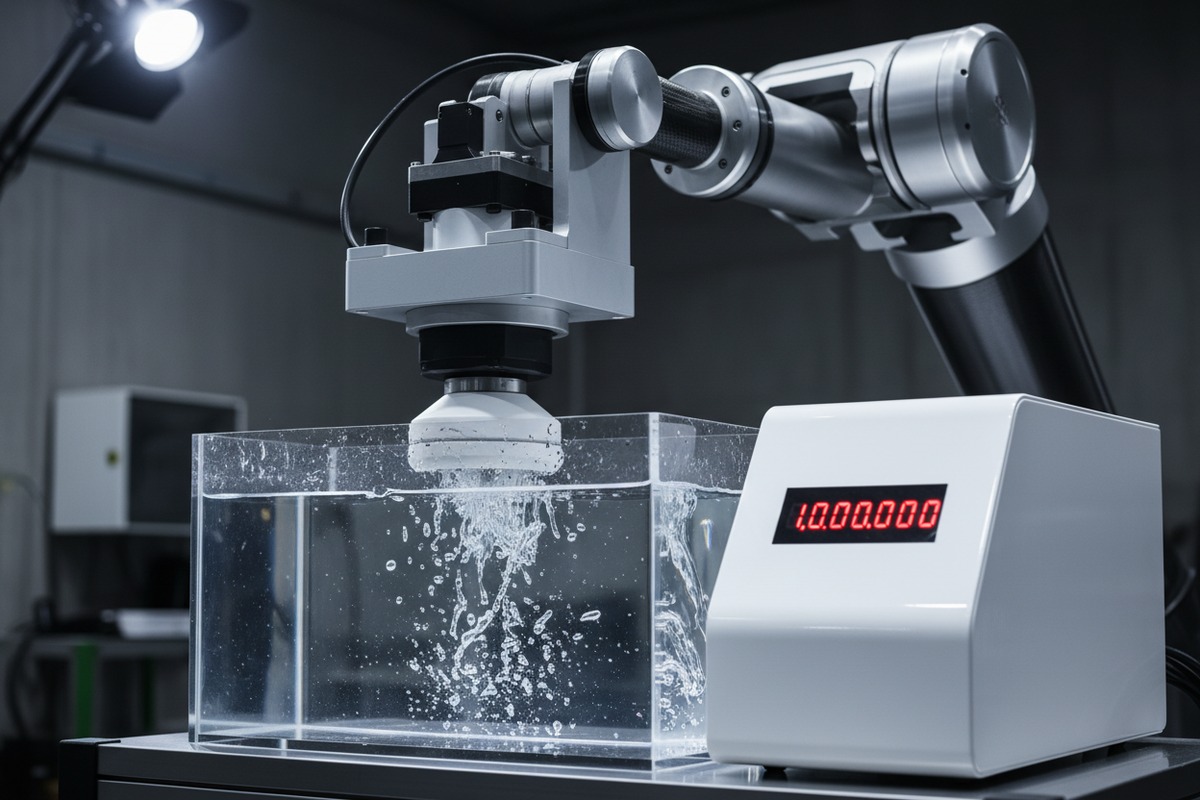
When we ship containers to US distributors, our documentation package weighs nearly as much as the quality control process itself. Complete documentation separates professional manufacturers from assemblers who slap labels on untested units.
Request individual unit test certificates with serial number matching, calibration reports with traceability to national standards, third-party laboratory verification letters, component lot traceability records, environmental stress test logs, and signed quality release forms from certified technicians for every single unit shipped.
Essential Documentation Checklist
Every unit leaving your OEM partner should include:
| Document Type | Required Contents | Verification Method |
|---|---|---|
| Unit Test Certificate | Serial number, test date, all parameters, pass/fail status | Match serial to physical unit |
| Calibration Report | Baseline values, drift measurements, technician signature | Verify tech certification |
| Third-Party Verification | Lab name, accreditation number, test scope, date | Check against NMPA database |
| Component Traceability | Lot numbers for critical parts, supplier certificates | Cross-reference with BOMs |
| Environmental Test Log | Temperature, humidity, duration, unit identification | Confirm realistic conditions |
| Quality Release Form | Final inspection checklist, authorized signatures | Verify authorization levels |
Understanding Traceability Requirements
FDA Class II devices 7 require full traceability. Your documentation should enable tracking:
- Individual components back to suppliers
- Raw materials to lot numbers
- Assembly dates and personnel
- Test equipment calibration status
- Shipping and handling conditions
This traceability matters when problems occur. If a batch fails, good documentation identifies affected units precisely. Without it, you face total recalls instead of targeted responses.
Red Flags in Documentation
Years of experience have taught our team to spot fraudulent documentation. Watch for:
Generic certificates: Documents without specific serial numbers likely cover nothing.
Identical test results: Every device differs slightly. Perfectly matching data suggests fabrication.
Missing signatures: Unsigned documents have no accountability.
Outdated calibration: Test equipment calibration certificates older than 12 months invalidate results.
No laboratory accreditation: Third-party reports from unaccredited facilities mean nothing.
Post-Delivery Verification
Documentation tells part of the story. Physical verification completes it.
Upon receiving shipments, conduct:
- Serial number matching between units and certificates
- Visual inspection for shipping damage
- Basic functional testing comparing to documented parameters
- Spot-check calibration verification using independent measurement
If measurements deviate significantly from documented values, escalate immediately. Either testing was inadequate or shipping caused damage.
Building Long-Term Documentation Systems
Smart distributors maintain documentation archives spanning years. This investment pays dividends when:
- Warranty claims require proof of original condition
- Regulatory audits demand traceability evidence
- Product liability questions arise
- Quality trends need analysis
Request electronic copies alongside physical documents. Store them systematically by serial number. This discipline protects your business.
Conclusion
Rigorous aging tests separate reliable shockwave therapy machines 8 from expensive failures. Demand 48-hour continuous operation verification, comprehensive performance metrics, realistic environmental stress conditions, and complete unit-level documentation. Your US salon clients deserve equipment that performs consistently, treatment after treatment. Proper verification protects their investment and your reputation.
Footnotes
1. Official source for International Electrotechnical Commission standards related to medical devices. ↩︎
2. Explains the role and authority of China’s National Medical Products Administration in regulating medical devices. ↩︎
3. Official source for guidelines and publications from the International Society for Medical Shockwave Treatment. ↩︎
4. Defines Energy Flux Density (EFD) as a key parameter in shockwave therapy. ↩︎
5. Illustrates and discusses the 5MPa zone in comparison to other focal zone measurements. ↩︎
6. Explains the importance and types of environmental testing for medical device reliability and compliance. ↩︎
7. Replaced with the official FDA page on medical device classification, which covers Class II devices. ↩︎
8. Replaced with an authoritative overview of shockwave therapy from a hospital website. ↩︎

 English
  Español de México
  Deutsch
  Français
  العربية
  Русский