

Buying a pressotherapy machine 1 is a major investment for your brand, but a poorly translated manual can ruin your reputation. At our production line, we see how even small errors in instruction can lead to user confusion and device misuse.
To ensure accurate translation, hire professional medical linguists, use a technical glossary for pressotherapy terms, and perform a clinical validation. Always verify compliance with local regulations like the FDA or EU MDR to prevent safety risks and ensure seamless operation for your end-users.
Managing these technical details requires a structured approach to documentation and supplier communication the FDA 2.
How can I verify that the technical terminology in my pressotherapy manual is accurate for the US market?
In our experience exporting to the US, we have learned that terminology used in a Chinese factory often differs from what an American aesthetician expects to see in their clinic.
Verify technical terminology by requesting a sample manual and comparing it against established medical standards. Ensure units like mmHg are used correctly and that terms like "lymphatic drainage" or "inflation cycles" align with US clinical terminology used by professional aesthetic practitioners.
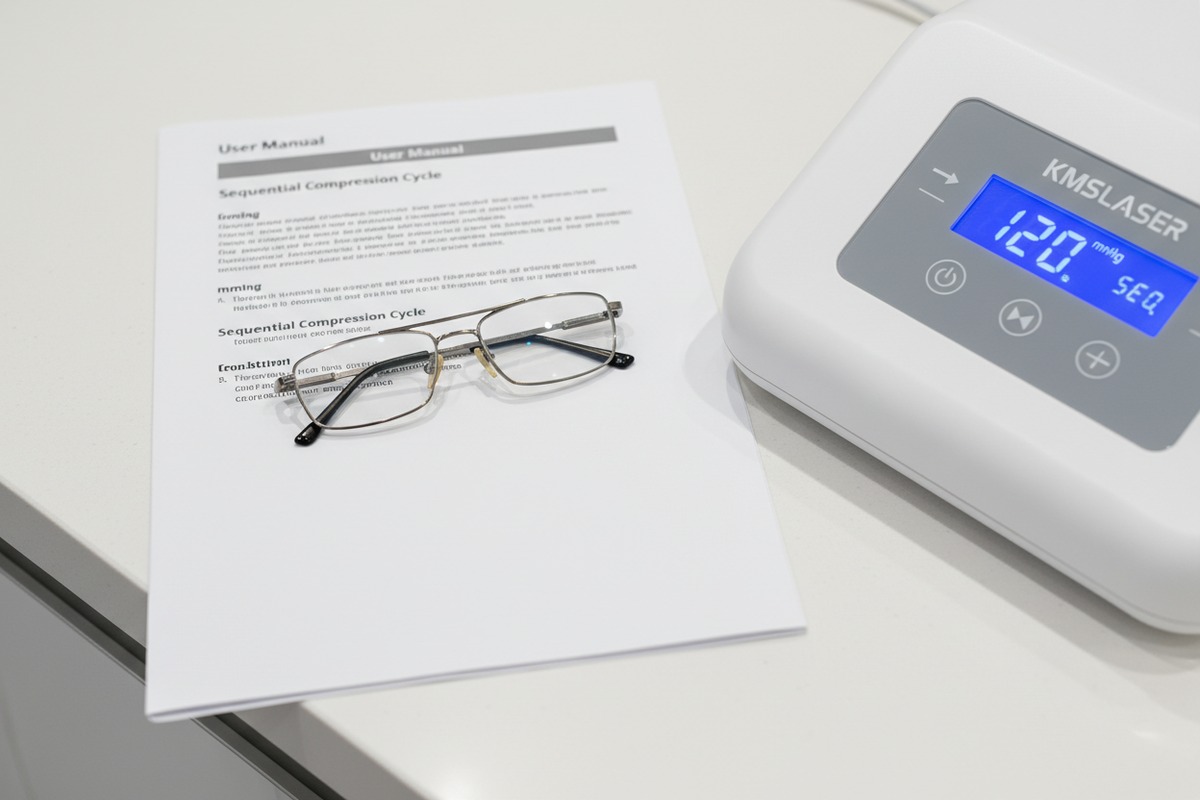
The Importance of Medical Precision
When dealing with pneumatic compression, precision is not just about language; it is about safety. In our R&D department, we focus on the physics of air pressure. If a manual translates "pressure intensity" as "force level," it might seem minor, but it lacks the professional tone required for a high-end US brand. The US market relies heavily on specific terms such as "peristaltic" or "sequential" compression. Using the wrong term can make a high-quality machine look like a cheap toy.
Standardizing Units and Metrics
Another critical area is the measurement of pressure. While some regions might use different metrics, the US market strictly uses mmHg (millimeters of mercury) 3. We ensure our control panels and manuals match this standard perfectly. If your manual shows "Bar" or "kPa" without a clear conversion or local adjustment, your customers will be frustrated and may even set the machine to dangerous levels.
Terminology Comparison Table
To help you spot errors, we have compiled a table showing common translation mistakes compared to professional US terminology.
| Chinese/Generic Term | Poor Translation | Correct US Technical Term |
|---|---|---|
| 气囊 (Qìnáng) | Air Bag | Compression Chamber / Cell |
| 压力 (Yālì) | Power | Pressure Intensity (mmHg) |
| 循环模式 (Xúnhuán) | Round Mode | Peristaltic / Sequential Cycle |
| 淋巴排毒 (Línbā) | Wash Lymph | Lymphatic Drainage 4 |
| 操作界面 (Cāozuò) | Screen Face | User Interface (UI) |
Engaging Subject Matter Experts
We always recommend that our clients have a local US professional review the manual. Even the best translation agency might miss the nuance of how a therapist interacts with a suit. A clinical review ensures that phrases like "proximal to distal" are used correctly, describing the direction of air inflation in a way that aligns with standard medical protocols for edema treatment.
Can I collaborate with my supplier to customize the manual's design and content for my private-label brand?
When we handle private-label orders for our partners in North America, we view the manual as an extension of the product’s high-end design and brand identity.
Yes, you can collaborate with your supplier to customize the manual. Requesting source files like InDesign or AI allows you to modify the branding, simplify the language, and add unique instructional photos that reflect your specific private-label pressotherapy machine model.
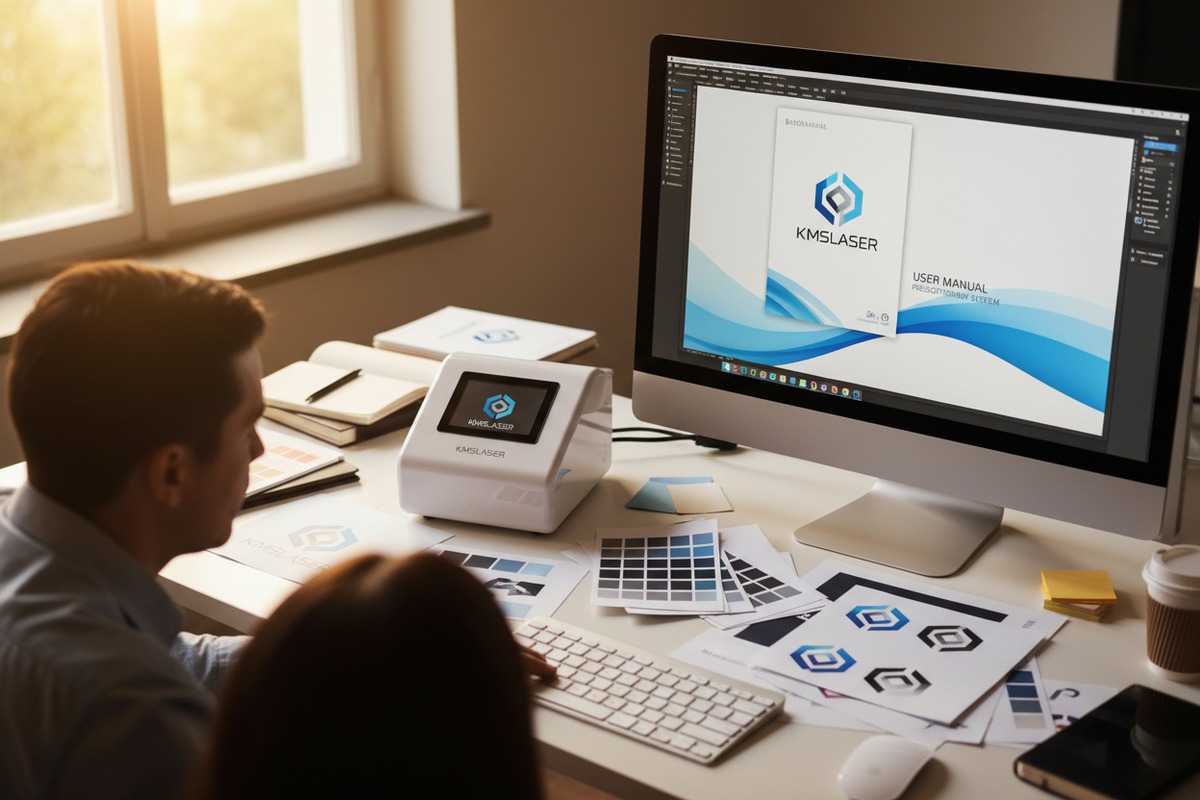
Leveraging OEM/ODM Services
As a manufacturer, we provide more than just the machine; we provide the source files for all documentation. This is a core part of our OEM service 5. Most professional suppliers in China are happy to let you change the logo, color scheme, and even the layout of the user guide. This ensures that when a salon owner opens the box, the manual looks like it was designed in the US, matching your brand's aesthetic.
Customizing for Your Target Audience
Your manual should speak to your specific customer. If you are selling to high-end medical spas, the tone should be clinical and detailed. If you are selling to home-use wellness fans, the language should be simpler with more diagrams. We often work with brand managers to remove unnecessary technical jargon that might confuse a non-professional user, while keeping the essential safety warnings.
Documentation Customization Options
The following table outlines what you should expect to be able to customize when working with a flexible manufacturer.
| Feature | Standard Manual | Private-Label Customization |
|---|---|---|
| Logo & Branding | Factory Brand | Your Company Logo & Colors |
| Images/Photos | Stock Factory Photos | Custom Photos of Your Specific Unit |
| Contact Info | Factory Support | Your Local US/Europe Support Line |
| Language Tone | Technical/Literal | Marketing-focused/Professional |
| Paper Quality | Standard 80g Paper | High-gloss or Matte Premium Cardstock |
Strategic Content Adjustments
Collaboration also allows you to add value. For example, you might want to include a "Quick Start Guide" or a "Treatment Protocol" section that isn't in the factory version. We can integrate your specific treatment recommendations directly into the manual. This makes your brand more than just a hardware seller; it makes you a solution provider for the salon owner.
What quality control steps should I require to ensure the manual instructions match the machine's actual operation?
Before we ship any unit from our factory, our quality control team performs a "manual-to-machine" audit to ensure every button mentioned in the text actually exists on the screen.
Require a "simulated use" test where a technician follows the manual step-by-step to operate the machine. Cross-check every error code, button label, and safety warning against the actual software interface to ensure 100% alignment between text and machine.
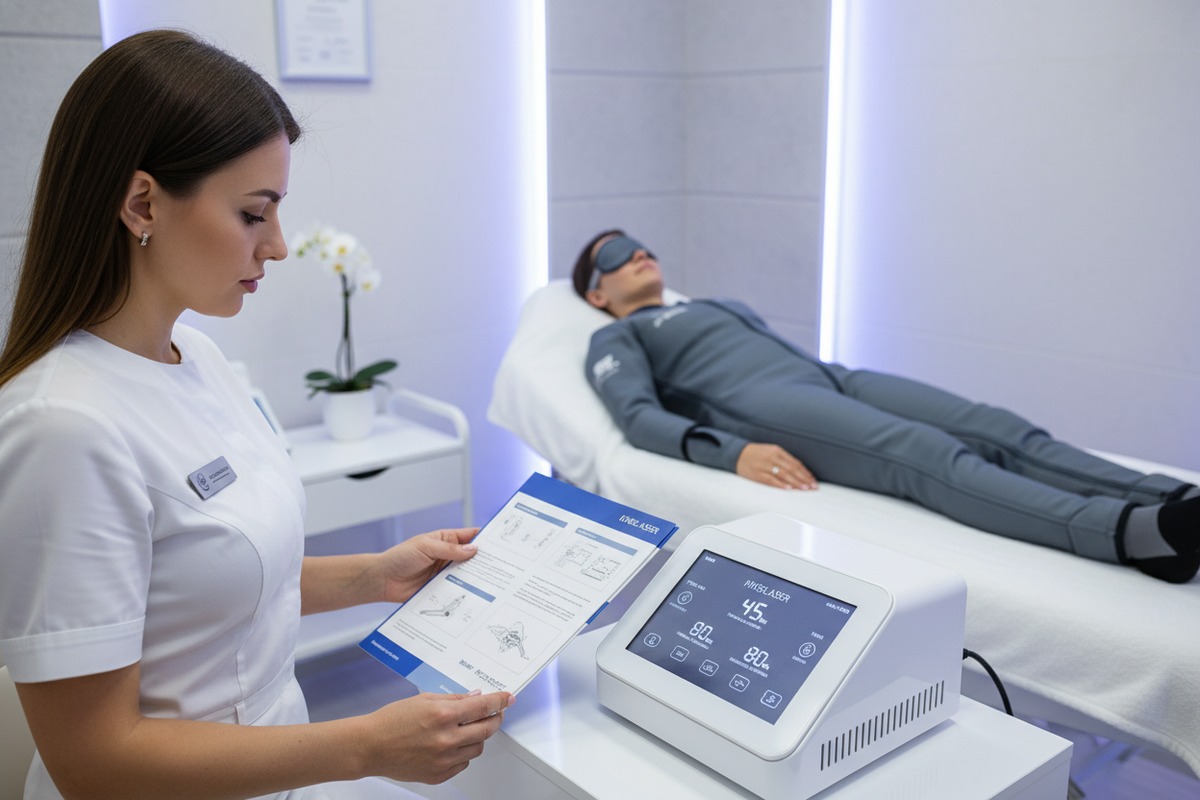
The "Simulated Use" Validation
The biggest mistake many buyers make is assuming the manual was updated when the software was. At our facility, when we update the firmware of a pressotherapy unit—perhaps adding a new "vibration" mode or a "pre-therapy" cycle—we must immediately update the manual. You should require your supplier to provide a video of a technician performing the setup exactly as described in the translated manual. If they get stuck, the manual is wrong.
Verification of Error Codes
Error codes are a major pain point. If the machine displays "E4" but the manual only goes up to "E3," your customer will be left in the dark. We maintain a strict database of error codes. During your pre-shipment inspection, you should ask for a table that maps every possible software error to a specific page and solution in the user guide.
Manual Verification Checklist
This checklist represents the minimum standard you should demand from your supplier's QC team.
| QC Step | Description | Verification Method |
|---|---|---|
| UI Alignment | Screen text matches manual text exactly. | Side-by-side photo comparison. |
| Connector Labels | Hose labels match the diagram in the book. | Physical inspection of suit/unit. |
| Safety Warnings | All contraindications are listed in the manual. | Content audit against MDR/FDA list. |
| Error Mapping | Every software error code has a manual entry. | Software simulation test. |
| Unit Testing | Pressure levels match the manual's range. | Calibration with a manometer. |
Visual Documentation and Diagrams
High-quality manuals rely more on pictures than words. We have found that using 3D exploded views of the pressotherapy suit helps users understand how to connect the hoses correctly without needing to read complex sentences. If the diagrams in your manual are blurry or don't match the current hardware version, it is a sign of poor quality control. Always insist on high-resolution, updated illustrations.
How do I prevent customer complaints and safety risks resulting from poorly translated user guides?
Our R&D team spends months refining safety protocols because we know a single mistranslated warning about contraindications can lead to expensive lawsuits for our global distributors.
Prevent complaints by including clear, professionally translated contraindication sections and safety warnings. Use standardized icons and ensure technical support contact info is prominent. Multi-stage human review by native speakers is essential to catch dangerous linguistic errors before they reach customers.

Addressing Contraindications with 100% Accuracy
In the world of pressotherapy, "contraindications" are the most critical part of the manual. If a customer with Deep Vein Thrombosis (DVT) 6 uses the machine because the translation of "do not use if you have blood clots" was vague, the results can be fatal. In our documentation process, we prioritize these warnings. We use bold, red, or boxed text to ensure they cannot be missed. A "bad" translation might simplify "acute inflammation" to "swelling," which is confusing because the machine is designed to treat certain types of swelling but not others.
The Role of ISO 13485 Standards
We follow ISO 13485:2016 quality management standards 7, which emphasize the importance of documentation. When you purchase from a supplier, ask if their translation process is certified. Professional medical translators know the regulatory requirements of the US and EU. They ensure that symbols—like the "read manual" icon or the "Type BF applied part" symbol—are used correctly according to international standards (IEC 60601-1).
The Cost of Poor Documentation
Poor manuals lead to more than just safety risks; they lead to "return-to-vendor" requests. If a salon owner cannot figure out how to attach the leg sleeves within five minutes, they will often assume the machine is broken and demand a refund. By investing in a high-quality, clear, and accurately translated manual, you are actually protecting your profit margins.
Future-Proofing with Digital Manuals
We are now moving toward QR-coded digital manuals. This allows us to update instructions in real-time. If a new safety regulation is released in the US, we can update the PDF link immediately without needing to recall physical books. This is a trend we highly recommend to our B2B partners who want to stay ahead of the curve in 2026 and beyond.
Conclusion
Accurate translation is the bridge between a high-quality machine and a successful brand. By prioritizing technical terminology, customization, and strict quality control, you ensure safety and professional excellence for your customers.
Footnotes
1. Defines pressotherapy, its function, and benefits for health. ↩︎
2. Provides an overview of medical device regulation by the FDA in the US. ↩︎
3. Replaced with an authoritative NCBI Bookshelf (NIH) article explaining blood pressure measurement in mmHg. ↩︎
4. Explains lymphatic drainage massage, its purpose, and benefits. ↩︎
5. Explains Original Equipment Manufacturer (OEM) services and their role in production. ↩︎
6. Provides facts about Deep Vein Thrombosis (DVT) from a public health authority. ↩︎
7. Details the requirements for quality management systems for medical devices. ↩︎

 English
  Español de México
  Deutsch
  Français
  العربية
  Русский