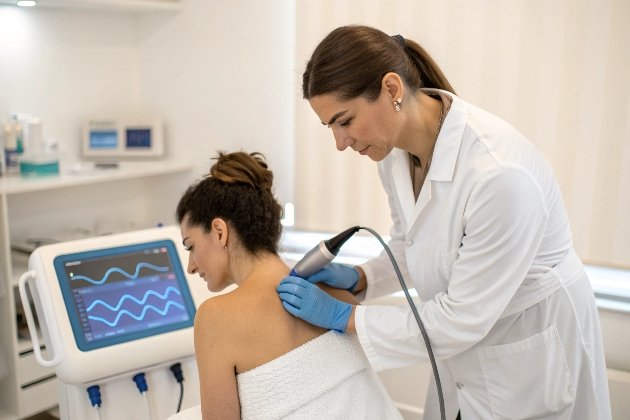
When I first heard about shockwave therapy, I was skeptical. How could sound waves heal pain or even help bones? It seemed too simple to be real.
Shockwave therapy machines heal by sending acoustic pressure waves into tissues, where they trigger biological responses such as improved blood flow, cell repair, reduced pain signals, and breakdown of calcifications. These effects help regenerate tendons, bones, and muscles.
This method is not magic. It is grounded in physics and biology. The process is about energy transfer and how our bodies respond when cells sense mechanical stress. Let’s go deeper.
What Conditions Does Shockwave Therapy Treat Effectively?
I remember a client who could barely walk from chronic heel pain. After shockwave sessions, she said it was like her feet had a second life.
Shockwave therapy treats tendinopathies, plantar fasciitis, calcified rotator cuff injuries, tennis elbow, Achilles injuries, nonunion fractures, osteoarthritis, wound healing, and sometimes erectile dysfunction. Research shows success rates between 65% and 80%.
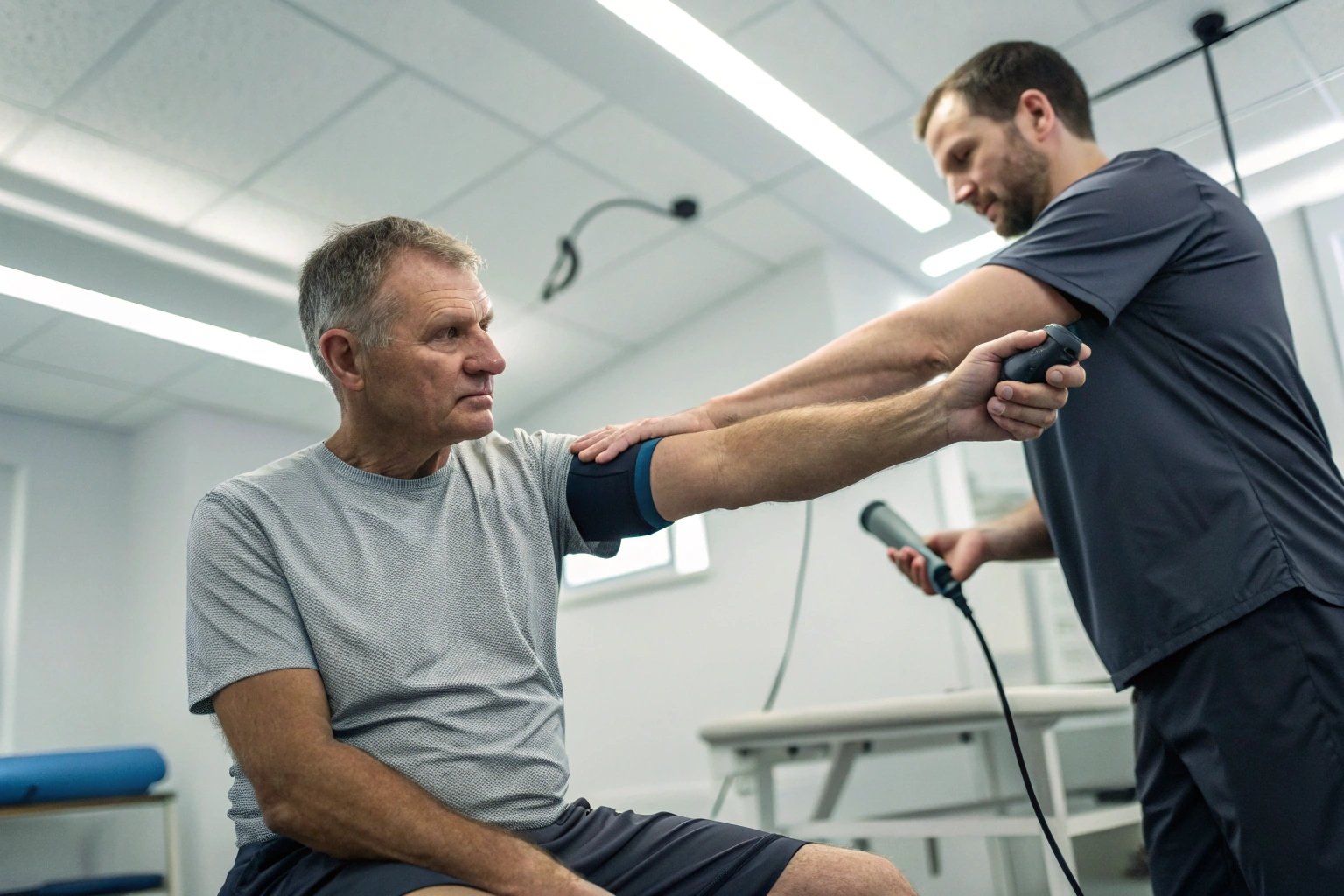
Main treatment areas
| Condition | Target Tissue | Typical Result |
|---|---|---|
| Plantar Fasciitis 1 | Foot fascia | Reduced heel pain, mobility |
| Achilles Tendinopathy 2 | Tendon | Pain relief, stronger tendon |
| Rotator Cuff Calcific 3 | Shoulder tendon | Breaks down calcium deposits |
| Nonunion Fractures 4 | Bone | Stimulates bone healing |
| Erectile Dysfunction Therapy 5 | Vascular tissue | Improved blood vessel function |
Shockwave therapy works best for chronic conditions that do not respond to rest, ice, or medication. Doctors often recommend it before considering surgery. The acoustic energy stimulates blood vessels, wakes up stem cells, and reboots healing in old injuries. This is why conditions that linger for months or years respond so well.
How Do Radial and Focused Shockwaves Differ?
When I tried both types, I noticed the difference right away. Focused felt sharp and deep, while radial spread out more like a massage.
Radial shockwaves spread outward and affect a larger surface area, making them useful for muscle pain and superficial tissues. Focused shockwaves converge at a deeper point, targeting precise spots like calcified deposits or bone injuries.
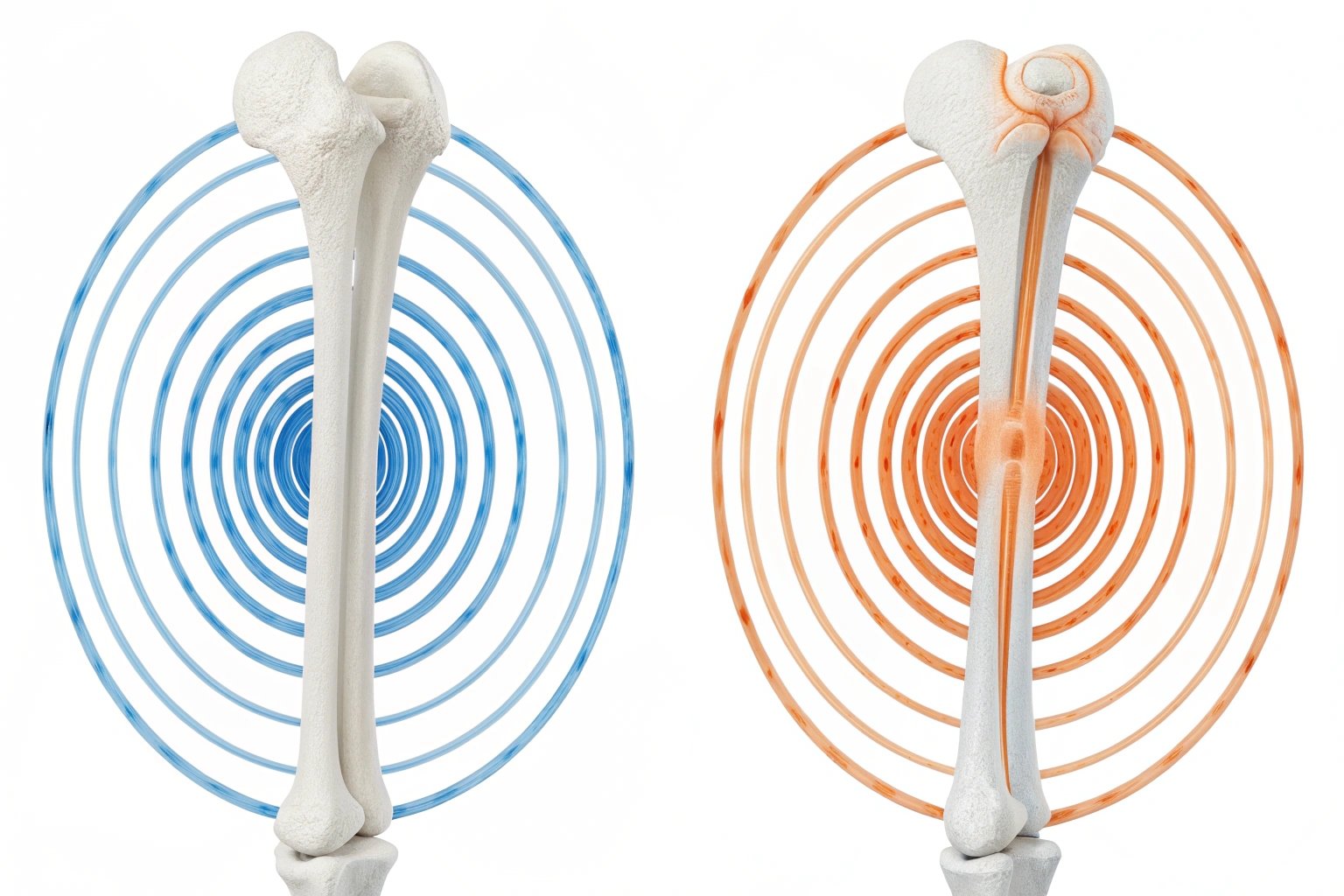
Comparison of shockwave types
| Type | Depth Range | Best Use Cases | Energy Pattern |
|---|---|---|---|
| Radial | 0–3 cm | Muscle pain and trigger points 6 | Spreads outward |
| Focused | Up to 12 cm | Deep tendon and bone injuries 7 | Converges inward |
Radial machines use a projectile hitting an applicator tip. The energy spreads broadly. Focused machines use piezoelectric, electromagnetic, or electrohydraulic technology to send waves to a chosen depth. Both trigger healing, but the choice depends on where the problem sits. If pain is deep, focused is better. If it is spread out in muscles, radial works best.
What Side Effects or Risks Are Typical?
I remember being nervous before my first treatment, but the worst I felt was some tingling. The discomfort faded fast.
Shockwave therapy side effects are mild and temporary. Common effects include redness, swelling, soreness, or bruising at the treatment site. Risks are rare but include nerve irritation, tissue damage, or worsening pain if applied incorrectly.

Side effects overview
| Side Effect | How Long It Lasts | Severity Level |
|---|---|---|
| Redness | Few hours | Mild |
| Bruising | 2–3 days | Mild-Moderate |
| Swelling | 1–2 days | Mild |
| Soreness | 1–3 days | Mild |
Doctors avoid shockwave therapy on open wounds, infections, cancerous areas, or in patients with bleeding disorders. It is also not used on growing bones in children. For most adults, however, the risks are very low compared to the benefits.
How Many Sessions Are Needed for Results?
When I went through treatment, I started to feel relief after the second session, but the real improvement came after the fourth.
Most patients need between 3 and 5 shockwave sessions, spaced about one week apart. Each session uses 1,000–4,000 pulses. Improvement usually appears after 2–3 sessions and continues over several months.
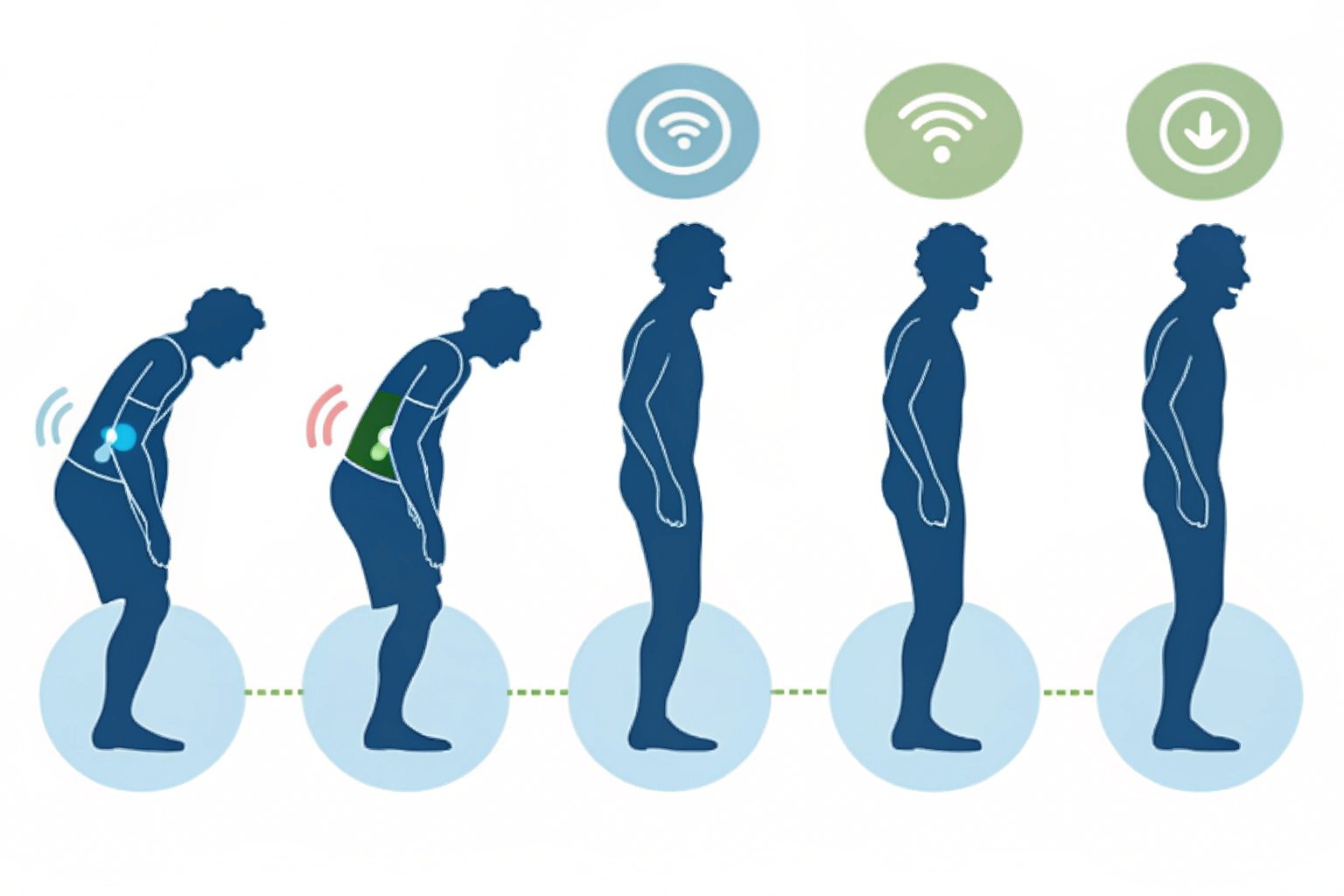
The number of sessions depends on the severity of the injury, how long it has lasted, and the patient’s overall health. For chronic tendon problems, four sessions are often enough. For bone healing, more sessions may be required.
The body continues to heal after the therapy ends. Studies show that pain relief and tissue repair improve even months later. This is because the treatment sets off biological cascades like angiogenesis and stem cell activation, which keep working long after the machine is turned off.
Conclusion
Shockwave therapy is not a miracle, but it is a smart use of sound energy. It restarts healing, reduces pain, and helps tissues recover naturally.
Footnotes
1. Learn how plantar fasciitis causes heel pain and why shockwave therapy is effective. ↩︎
2. Research on Achilles tendinopathy treatment outcomes and healing strategies. ↩︎
3. Detailed explanation of rotator cuff injuries and available treatment options. ↩︎
4. How shockwave therapy stimulates bone healing in nonunion fractures. ↩︎
5. Medical overview of erectile dysfunction treatments, including shockwave therapy. ↩︎
6. Physiotherapy insights into muscle trigger points and their role in pain management. ↩︎
7. Scientific review of focused shockwave use in deep tissue and bone injuries. ↩︎

 English
  Español de México
  Deutsch
  Français
  العربية
  Русский