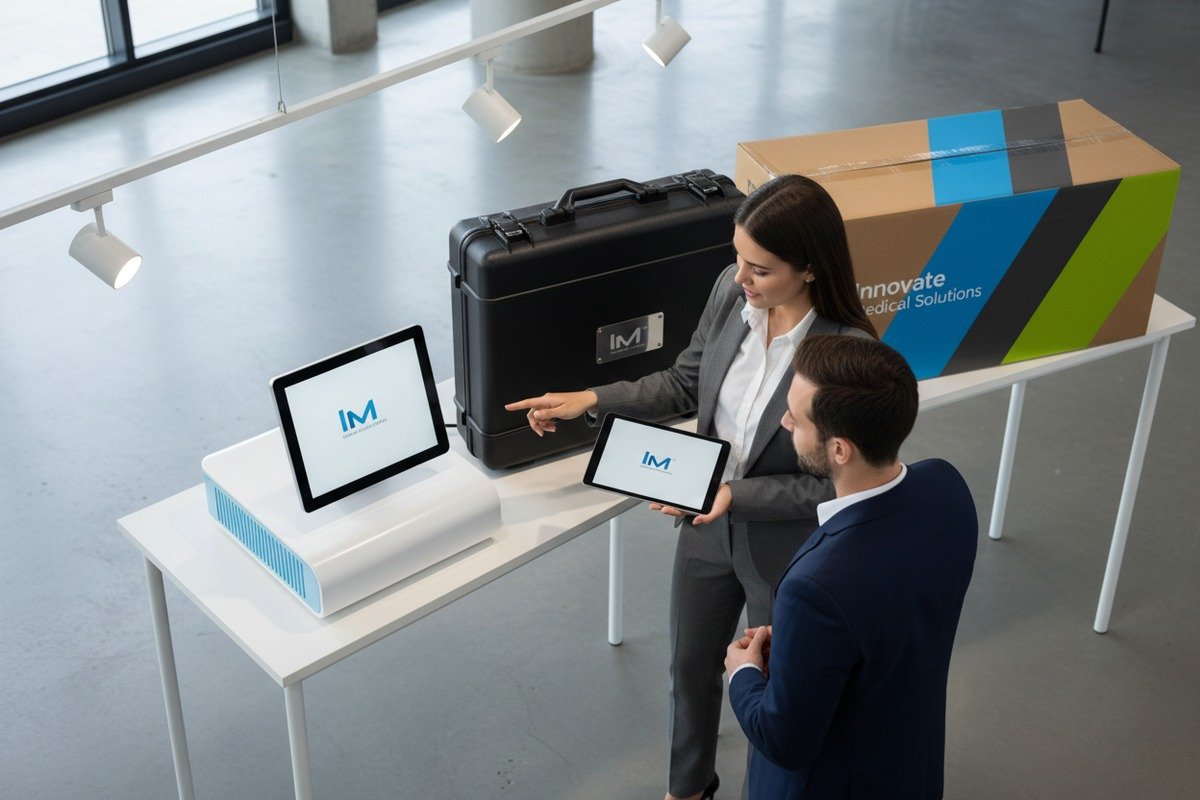
When our production team ships hundreds of shockwave therapy units 1 monthly, we see one recurring challenge. Buyers want their brand to stand out, but they struggle to communicate packaging needs clearly. This creates delays, extra costs, and frustration on both ends.
You can customize shockwave therapy machine packaging by working directly with your manufacturer on branded boxes, logo printing, custom inserts, and premium flight cases. Key options include private-label artwork, engraved logos, protective foam inserts, and accessory integration, typically requiring minimum order quantities.
The following sections break down each customization option in detail. You will learn practical steps, cost considerations, and how to avoid common pitfalls when sourcing from China.
How can I add my brand logo and custom graphics to the shockwave therapy machine packaging?
Our design team handles branding requests every week. Most buyers underestimate how many placement options exist. The result? They settle for basic sticker labels when premium engraving could elevate their product perception significantly.
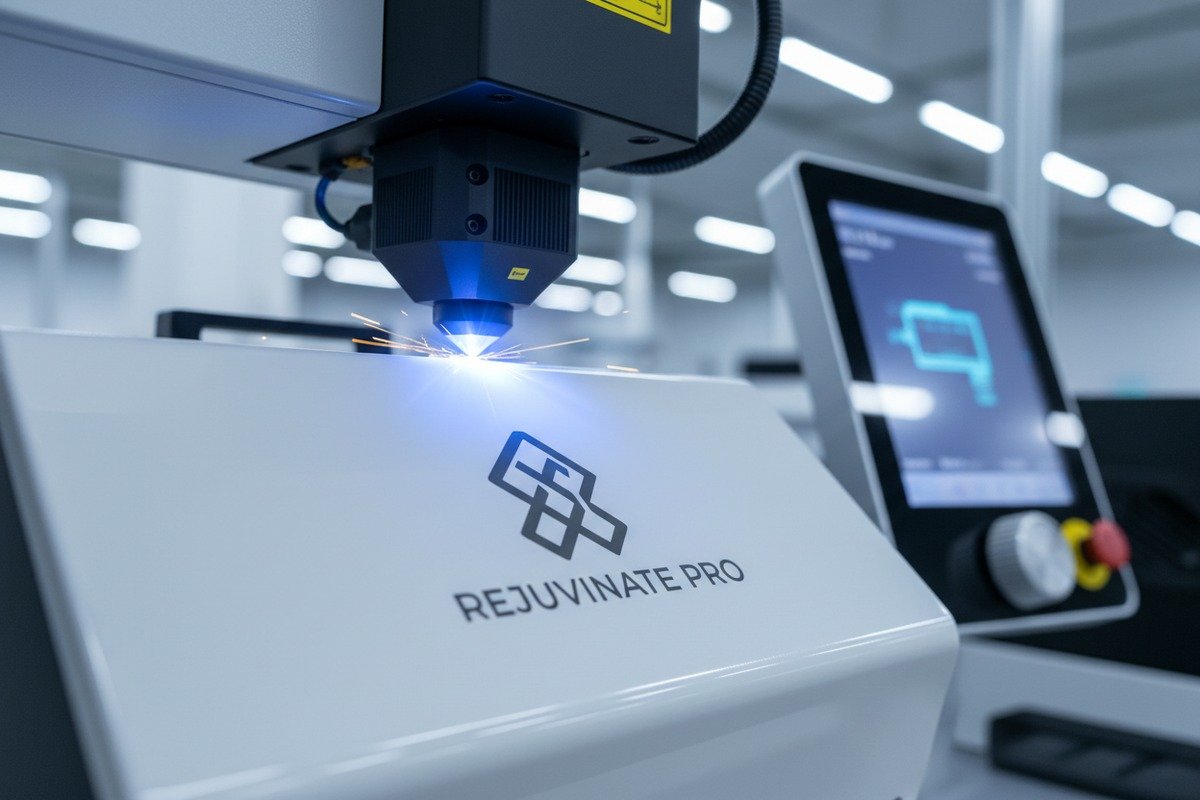
You can add your brand logo through simple printing on boxes, screen printing on cases, laser engraving on machine housings, and full custom artwork on packaging panels. Work with your supplier during the sampling phase to confirm placement, colors, and material compatibility before mass production.
Understanding Your Logo Placement Options
Logo customization goes beyond slapping a sticker on a box. When we work with brand owners, we present multiple tiers of branding integration. Each tier has different costs, lead times, and visual impacts.
The first tier is basic printing. This includes labels, stickers, and direct printing on cardboard boxes. It costs the least and works well for buyers testing a new market. The second tier involves screen printing or pad printing on plastic cases and machine housings. This creates a more permanent, professional look. The third tier is premium customization. This means mould engraving, debossed logos on leather cases, or full-color UV printing on metal surfaces.
Cost Breakdown by Customization Method
| Customization Method | Typical Cost Per Unit | MOQ Requirement | Durability |
|---|---|---|---|
| Paper label/sticker | $0.50 – $2.00 | 50 units | Low |
| Screen printing on plastic | $3.00 – $8.00 | 100 units | Medium |
| Pad printing on housing | $5.00 – $15.00 | 100 units | High |
| Laser engraving on metal | $10.00 – $25.00 | 50 units | Very High |
| Mould engraving (permanent) | $500 – $2,000 setup | 200+ units | Permanent |
Artwork File Requirements
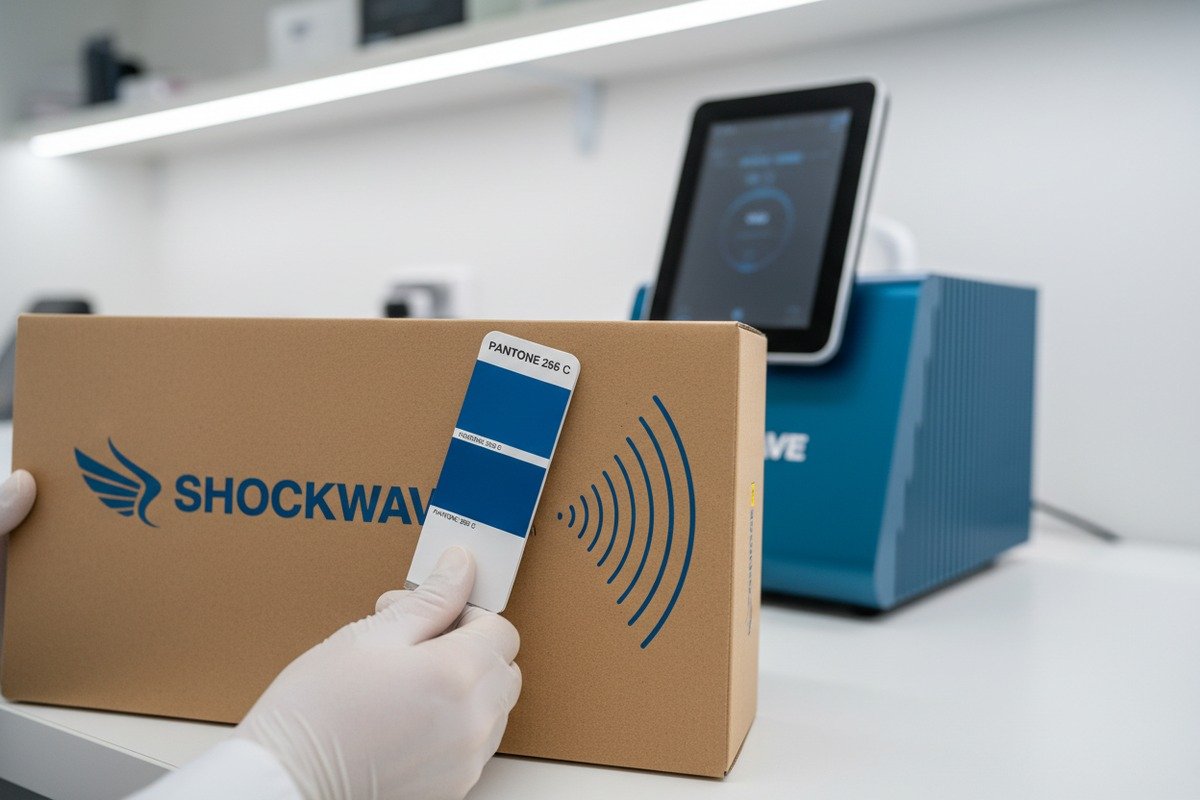
Your supplier needs specific file formats to reproduce your logo accurately. We recommend sending vector files 2 in AI or EPS format. These scale without losing quality. For full-color graphics, provide high-resolution PDFs at 300 DPI minimum. Include Pantone color codes 3 if brand consistency matters. RGB colors look different when printed on cardboard versus plastic. Pantone matching eliminates guesswork.
Always request a physical sample before approving mass production. Digital mockups cannot show texture, color accuracy, or alignment perfectly. A sample costs $50–$150 but saves thousands in potential reprints.
Common Mistakes to Avoid
Many buyers send low-resolution JPG files and expect crisp results. This fails every time. Others forget to specify placement dimensions, leading to logos that appear too small or awkwardly positioned. Finally, some buyers skip the color matching step. They receive boxes in a slightly different blue than their brand guidelines. At that point, reprinting costs money and delays shipment.
What materials should I choose to ensure my customized packaging survives international transit?
In our experience shipping to the US and Europe, transit damage remains the top complaint. A beautiful custom box means nothing if it arrives crushed. Choosing the right materials upfront prevents costly returns and damaged brand reputation.
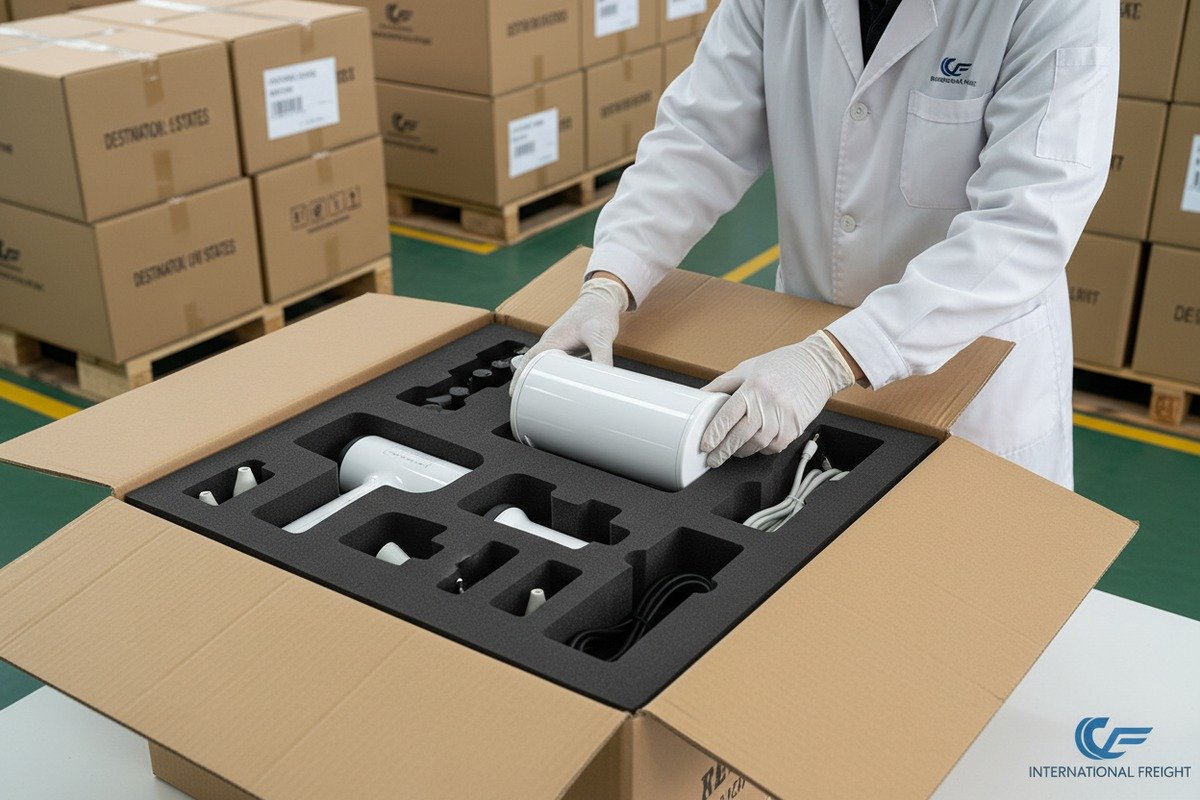
Choose double-wall corrugated cardboard for outer boxes, high-density EVA or EPE foam for internal cushioning, and reinforced corners for heavy units. For premium protection, request ABS plastic flight cases with custom foam inserts. All materials should pass ISTA 3A drop and vibration testing for international freight.
Outer Box Material Selection
Standard single-wall cardboard works for domestic shipping only. International freight involves multiple handling points, warehouse stacking, and potential moisture exposure. Double-wall corrugated cardboard 4 provides the minimum strength needed. Triple-wall corrugated offers even better protection for units over 15 kg.
The flute type matters too. B-flute cardboard is thin and smooth, good for printing but weak structurally. C-flute is thicker and offers better cushioning. BC-flute combines both layers for strength and printability. We recommend BC-flute or better for shockwave machines.
Internal Cushioning Options
| Material Type | Protection Level | Cost | Best For |
|---|---|---|---|
| EPE foam (polyethylene) | Medium | Low | Budget packaging |
| EVA foam (ethylene vinyl acetate) | High | Medium | Mid-range units |
| Custom-cut EVA inserts | Very High | Medium-High | Premium devices |
| PU foam (polyurethane) | High | Medium | Irregular shapes |
| Molded pulp | Medium | Low | Eco-conscious brands |
Custom-cut foam inserts hold each component in place. The applicator handpiece, power cable, water cartridges, and user manual each get a dedicated slot. This prevents movement during transit. Movement causes scratches, dents, and internal damage.
Flight Case Specifications
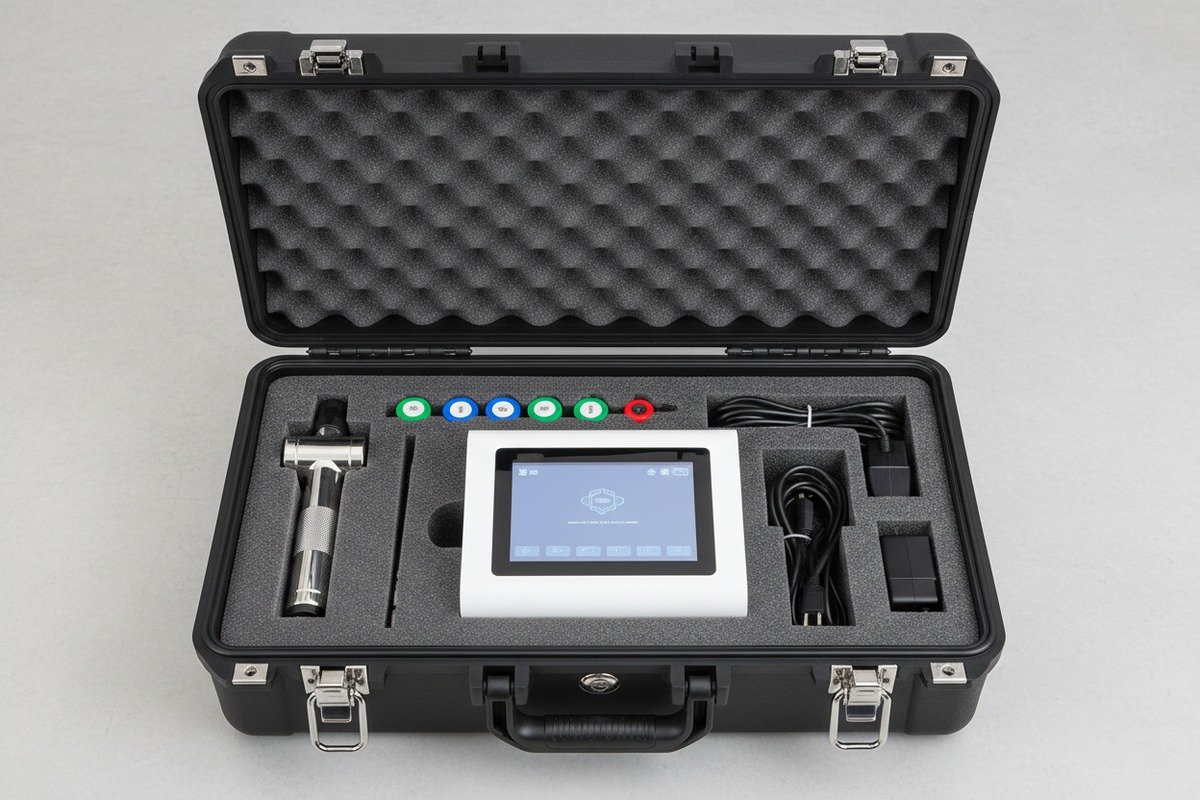
For high-end branding, many buyers choose hard-shell flight cases. These aluminum or ABS cases protect equipment during repeated shipping and clinic-to-clinic transport. They also create a premium unboxing experience.
When we design flight cases, we consider several factors. First, the internal dimensions must fit the machine with 10mm clearance on all sides. Second, the foam insert density should be 25–45 kg/m³ for adequate shock absorption. Third, the case should include wheels and a telescoping handle if the total weight exceeds 10 kg. Finally, reinforced metal corners and latches extend case lifespan.
Environmental Testing Standards
Request documentation showing your packaging passed relevant tests. ISTA 3A 5 covers general simulation testing for packaged products shipped via parcel delivery. ASTM D4169 covers more comprehensive distribution cycle testing. These tests simulate drops, vibrations, compression, and atmospheric conditions.
If your supplier cannot provide test reports, ask them to send samples to a third-party lab. This costs $500–$1,500 but gives you confidence before placing large orders.
Can I work with my supplier to develop a unique, high-end flight case for my brand?
When our engineers collaborate with brand owners on custom flight cases, the results exceed standard options dramatically. However, this process requires clear communication, realistic timelines, and understanding of tooling costs.
Yes, you can develop unique high-end flight cases by providing specifications to your supplier, including dimensions, materials, branding elements, and functional requirements. Expect a 4–8 week development timeline, tooling fees of $300–$1,500, and minimum orders of 50–200 units depending on complexity.
The Development Process Step by Step
Creating a custom flight case involves several phases. First, you provide a detailed brief. This includes external dimensions, weight capacity, desired materials, and branding requirements. Include photos of your machine from multiple angles. Our team needs exact measurements of every component.
Second, we create a 3D CAD design 6. This shows the case layout, foam insert configuration, and logo placement. You review and request changes. Third, we produce a prototype. This physical sample lets you test fit, functionality, and aesthetics. Fourth, after approval, we create production tooling. Finally, mass production begins.
Timeline and Cost Expectations
| Phase | Duration | Typical Cost |
|---|---|---|
| Brief and design | 1–2 weeks | Included or $100–$300 |
| 3D CAD rendering | 3–5 days | Included |
| Prototype production | 2–3 weeks | $150–$500 |
| Tooling creation | 2–4 weeks | $300–$1,500 |
| Mass production | 2–4 weeks | Per-unit pricing |
Total development time ranges from 4–8 weeks before first shipment. Rush orders cost 20–50% more. Plan ahead to avoid premium fees.
Functional Features to Consider
Beyond aesthetics, think about how end users interact with the case. Wheels and telescoping handles improve portability. Many clinics move equipment between treatment rooms. Pressure-equalization valves prevent vacuum lock at altitude during air freight. Document pouches inside the lid store manuals and warranty cards.
Some buyers request IP-rated cases for moisture and dust protection. IP65 or IP67 ratings add cost but protect sensitive electronics in humid climates. TSA-approved locks allow security inspection without damage. This matters for buyers who ship demo units frequently.
Branding Integration Options
High-end cases offer multiple branding touchpoints. Embossed logos on aluminum panels create a subtle, premium look. Screen-printed graphics on ABS shells allow full-color artwork. Internal foam can be cut in brand colors—black, gray, or custom Pantone matches. Metal nameplates with laser-engraved logos attach to case exteriors.
The unboxing experience matters for clinic buyers. They associate packaging quality with product quality. A custom flight case tells them your brand invests in details.
How do I verify that my custom packaging meets all US import and logistics requirements?
In our experience exporting to the US market, regulatory compliance surprises many first-time importers. Your packaging must satisfy FDA labeling rules, customs requirements, and carrier specifications. Missing any element causes delays, fines, or rejected shipments.
Verify US import compliance by confirming FDA device listing, proper labeling with manufacturer information, UPC codes for retail, and ISPM-15 certified wood packaging. Work with your freight forwarder to ensure Harmonized System codes match your products and all customs documents list accurate values.
FDA Labeling Requirements
Shockwave therapy machines classified as medical devices require specific label information. The label must show the manufacturer's name and address, the device name, and any necessary warnings. If your machine is FDA-cleared, include the 510(k) number. Private-label products must identify the actual manufacturer somewhere on the packaging, even if your brand appears prominently.
Labels must be in English for US sales. Bilingual labels work if English appears first or equally prominent. All text must be legible and durable enough to remain readable throughout the product's expected shelf life.
Customs Documentation Checklist
| Document | Purpose | Who Provides |
|---|---|---|
| Commercial invoice | States value, origin, contents | Exporter (your supplier) |
| Packing list | Details box contents, weights | Exporter |
| Bill of lading | Shipping contract | Freight carrier |
| Certificate of origin | Proves manufacturing country | Exporter or chamber of commerce |
| FDA prior notice | Required for medical devices | Importer (you) |
| ISF filing (10+2) | Security data for US Customs | Importer or customs broker |
Missing documents trigger customs holds. Holds cost $100–$500 per day in storage fees. Ensure your supplier provides accurate commercial invoices with correct HS codes before shipment.
Wood Packaging and ISPM-15
If your packaging uses wooden crates, pallets, or bracing, it must comply with ISPM-15 7. This international standard requires heat treatment or fumigation to kill pests. Compliant wood carries a stamp showing the treatment method and country code. Non-compliant wood shipments face fumigation at the port, destruction, or return—all expensive options.
Many suppliers now use plywood, particleboard, or plastic alternatives. These materials are exempt from ISPM-15 because they undergo manufacturing processes that eliminate pests.
Working with Your Freight Forwarder
A good freight forwarder prevents most compliance issues. They review documents before shipment, flag potential problems, and advise on packaging requirements for different carriers. Ask your forwarder to confirm the following before every shipment:
Does the commercial invoice match the packing list? Are HS codes correct and consistent across documents? Is the declared value accurate? Does the packaging meet weight and dimension limits for the chosen carrier?
Some carriers restrict lithium batteries, which may apply if your machine includes a tablet or backup battery. Your forwarder knows these restrictions and can advise on proper declaration.
State-Level Considerations
Beyond federal requirements, some US states have additional rules. California's Proposition 65 8 requires warnings for products containing certain chemicals. If your packaging materials, inks, or foams contain listed substances, you must add warning labels for California sales. Your supplier should provide material safety data sheets (MSDS) to verify compliance.
Conclusion
Customizing shockwave therapy machine packaging requires planning, clear communication, and understanding of costs and regulations. Start with your branding goals, choose materials that survive international transit, and verify compliance before production. Work closely with your supplier from the design phase through shipment for the best results.
Footnotes
1. Provides an overview of extracorporeal shockwave therapy. ↩︎
2. Replaced HTTP 404 link with an authoritative Wikipedia page defining vector graphics. ↩︎
3. Official source for Pantone color systems and standards. ↩︎
4. Describes types of corrugated packaging, including double-wall construction. ↩︎
5. Explains the ISTA 3A standard for packaging performance testing. ↩︎
6. Describes the concept and application of 3D CAD design in product development. ↩︎
7. Provides information on the international standard for wood packaging. ↩︎
8. Official information about California’s Proposition 65 and its requirements. ↩︎

 English
  Español de México
  Deutsch
  Français
  العربية
  Русский