When our engineering team finishes assembling each shockwave therapy unit 1 on our Guangzhou production line, we know the real test begins after delivery. Many US-based buyers discover too late that their warranty doesn’t cover local repairs. Equipment sits idle. Revenue drops. Frustration builds.
To confirm if your shockwave therapy machine warranty covers US repairs, you must verify the manufacturer’s authorized US service network, review contract terms for domestic repair clauses, check FDA establishment registration for legitimate distributors, and obtain written confirmation of repair logistics responsibilities before purchase.
This guide walks you through every step of warranty verification. We’ll cover contract terms, logistics costs 2, and technical support guarantees. Let’s dive in.
How do I verify if my supplier's warranty includes local repair services in the US?
Verifying warranty coverage sounds simple until you actually try it. In our years of exporting shockwave machines to North America, we've seen buyers assume coverage exists without checking. Then a handpiece fails. They call the supplier. Nobody answers locally.
To verify local US repair coverage, contact your supplier directly and request documentation of their authorized US service partners, ask for a list of certified technicians by state, confirm response time commitments in writing, and cross-reference their US distributor's FDA Establishment Registration number for legitimacy.

Start with the FDA Database
The FDA Establishment Registration 3 & Device Listing database is your first verification tool. Every legitimate medical device importer 4 must register here. Visit the FDA website and search for your manufacturer's US distributor. If they're not listed, that's a red flag.
Our export team always provides our US partners with proper FDA registration documentation. This protects both parties. It also gives buyers a concrete way to verify legitimacy.
Request a Service Partner Map
Ask your supplier for a complete list of authorized service locations in the United States. Don't accept vague promises. Get specific addresses, contact names, and phone numbers. A reputable manufacturer maintains this information readily.
Here's what to request:
| Document Type | What It Proves | Red Flag If Missing |
|---|---|---|
| FDA Registration Certificate | Legal US import authorization | Cannot legally sell in US |
| Authorized Service Partner List | Local repair availability | May require international shipping |
| Certified Technician Directory | Qualified repair personnel | Unqualified repairs may void coverage |
| Response Time Agreement | Service level commitment | Unpredictable downtime |
Verify Technician Certifications
Not all technicians can service all machines. Each shockwave device has specific protocols. Our units require certified technicians 5 trained on our proprietary software and hardware. Ask your supplier which certifications their US technicians hold.
When we train service partners, we issue certificates that buyers can verify. This ensures repairs meet manufacturer standards. It also maintains warranty validity.
Check Online Reviews and Forums
Search for experiences from other US buyers. Professional forums and LinkedIn groups often discuss supplier reliability. A manufacturer with poor US service will have complaints online. Silence isn't always golden here—it might mean low market presence.
What specific contract terms ensure my shockwave machine is covered for US-based maintenance?
Contract language matters more than verbal promises. Our legal team reviews every export agreement carefully. We've learned that ambiguous terms cause disputes. Clear contracts prevent them.
Key contract terms for US maintenance coverage include explicit domestic repair clauses specifying US-based service, defined response time guarantees, component-level coverage breakdowns, consumable exclusion lists, shipping responsibility assignments, and mandatory arbitration jurisdiction within the United States.
Essential Clauses to Include
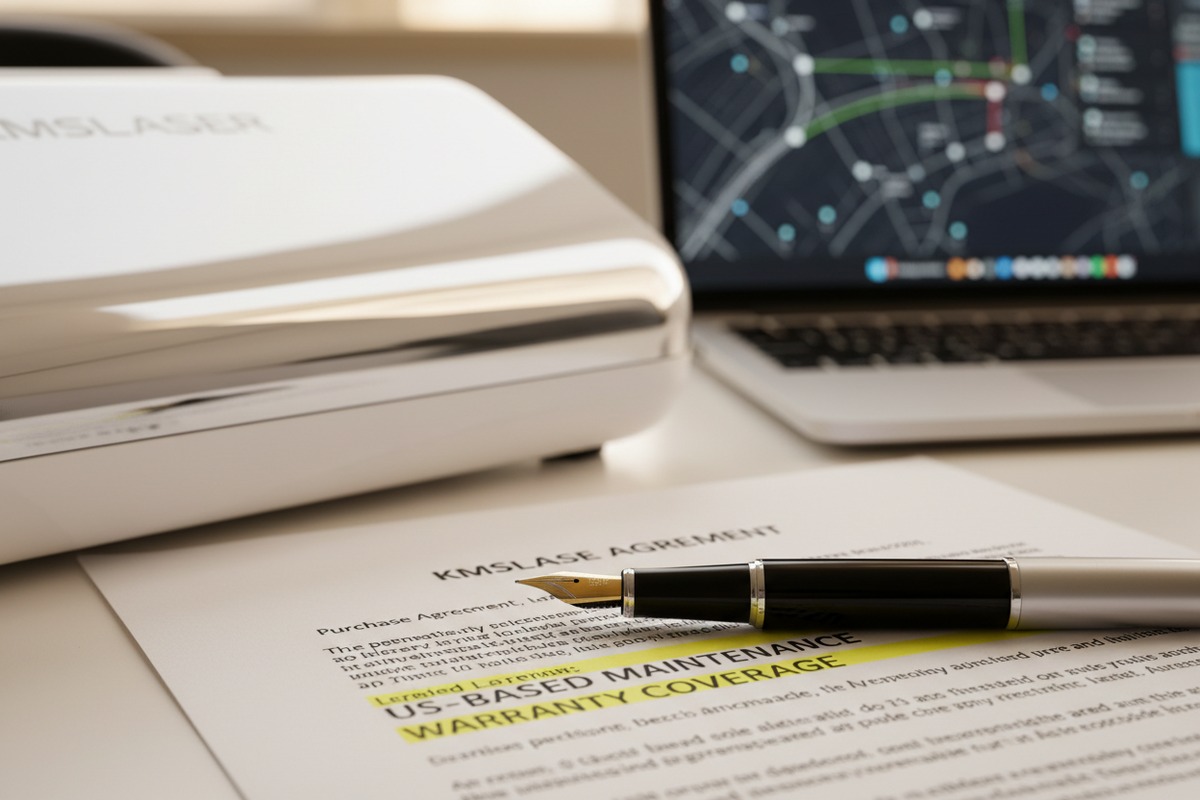
Your purchase agreement 6 should contain specific sections addressing repair location. Look for phrases like "repairs shall be performed within the continental United States" or "manufacturer maintains authorized service centers in the US."
Avoid contracts that say "repairs at manufacturer's facility" without specifying location. This often means shipping equipment overseas. That costs time and money.
Component Coverage Matrix
Different parts have different coverage periods. Our standard warranty structure looks like this:
| Component Category | Typical Coverage Period | Notes |
|---|---|---|
| Main Unit | 2-3 years | Covers control board, housing, display |
| Handpieces | 1 year or 1 million pulses | Whichever comes first |
| Transmitters | 1 year or 500,000 pulses | Considered wear items |
| Cables & Connectors | 6-12 months | Subject to physical wear |
| Software | Lifetime updates | May require internet connection |
Make sure your contract specifies coverage for each component type. Assumptions lead to disappointment.
Response Time Guarantees
Professional operations cannot tolerate weeks of downtime. Negotiate response time commitments into your contract. Standard terms might include:
- Initial response within 24-48 business hours
- Diagnostic assessment within 5 business days
- Repair completion within 10-15 business days
Our service agreements specify these timelines. Buyers can hold us accountable.
Exclusion Clauses to Watch
Every warranty has exclusions. Common ones include:
- Damage from power surges or improper voltage
- Unauthorized modifications or repairs
- Use of non-OEM consumables
- Normal wear on specified components
- Cosmetic damage not affecting function
Read these sections carefully. Some exclusions are reasonable. Others are overly broad. Negotiate problematic language before signing.
Arbitration and Jurisdiction
If disputes arise, where will they be resolved? Contracts often specify arbitration jurisdiction 7. For US buyers, insist on US-based arbitration. International arbitration adds complexity and expense.
Will my manufacturer cover the door-to-door logistics costs if a unit requires repair under warranty?
Logistics costs surprise many buyers. The machine is covered. The shipping isn't. On our production floor, we build units designed for safe transport. But getting them to and from repair facilities costs money.
Most shockwave therapy manufacturers do not cover door-to-door logistics costs under standard warranty terms. Buyers typically bear responsibility for shipping equipment to service centers. However, some manufacturers offer logistics-inclusive warranty upgrades, prepaid shipping labels for defective units, or local drop-off points to reduce transportation expenses.

Standard Logistics Responsibility
Industry standard places shipping costs on buyers. This applies to most medical equipment categories. The reasoning is straightforward: manufacturers cannot control shipping damage or carrier delays. They cover the repair itself.
However, our service philosophy differs. We believe that door-to-door support strengthens partnerships. That's why we offer logistics management as part of our service packages.
Calculating True Logistics Costs
Before purchase, estimate what warranty repairs might actually cost:
| Cost Component | Estimated Range | Who Typically Pays |
|---|---|---|
| Outbound shipping to service center | $150-400 | Buyer |
| Return shipping after repair | $150-400 | Varies by contract |
| Packaging materials | $50-150 | Buyer |
| Insurance during transit | $50-200 | Buyer |
| Customs fees (international repairs) | $100-500 | Buyer |
| Expedited shipping premium | $200-600 | Buyer |
These costs add up quickly. A "free" warranty repair might cost $500+ in logistics.
Negotiating Logistics Coverage
Before signing, negotiate logistics terms. Options include:
Prepaid return labels: Manufacturer provides shipping labels for warranty repairs. You pay outbound; they pay return.
Regional drop-off points: Some manufacturers partner with local facilities where you can deliver equipment directly.
On-site service agreements: Premium contracts may include technician visits to your location.
Logistics allowance: Fixed dollar amount credited toward shipping costs.
Our export team regularly discusses these options with US partners. We customize logistics arrangements based on order volume and relationship history.
Documentation for Shipping Claims
When shipping equipment for repair, document everything:
- Photograph packaging before sealing
- Record serial numbers visible in photos
- Use tamper-evident seals
- Purchase shipping insurance
- Retain all tracking information
- Get delivery confirmation signatures
This documentation protects you if shipping damage occurs. Without it, disputes become difficult to resolve.
Remote Diagnostics Reduce Shipping
Modern shockwave machines include diagnostic capabilities. Our units can transmit performance data remotely. This allows our technicians to troubleshoot issues without physical inspection.
Sometimes a software update fixes the problem. No shipping required. Other times, remote diagnosis confirms that shipping is necessary—but also identifies exactly which parts to send, reducing repair time.
How can I guarantee my private-label shockwave machines receive local technical support under the current warranty?
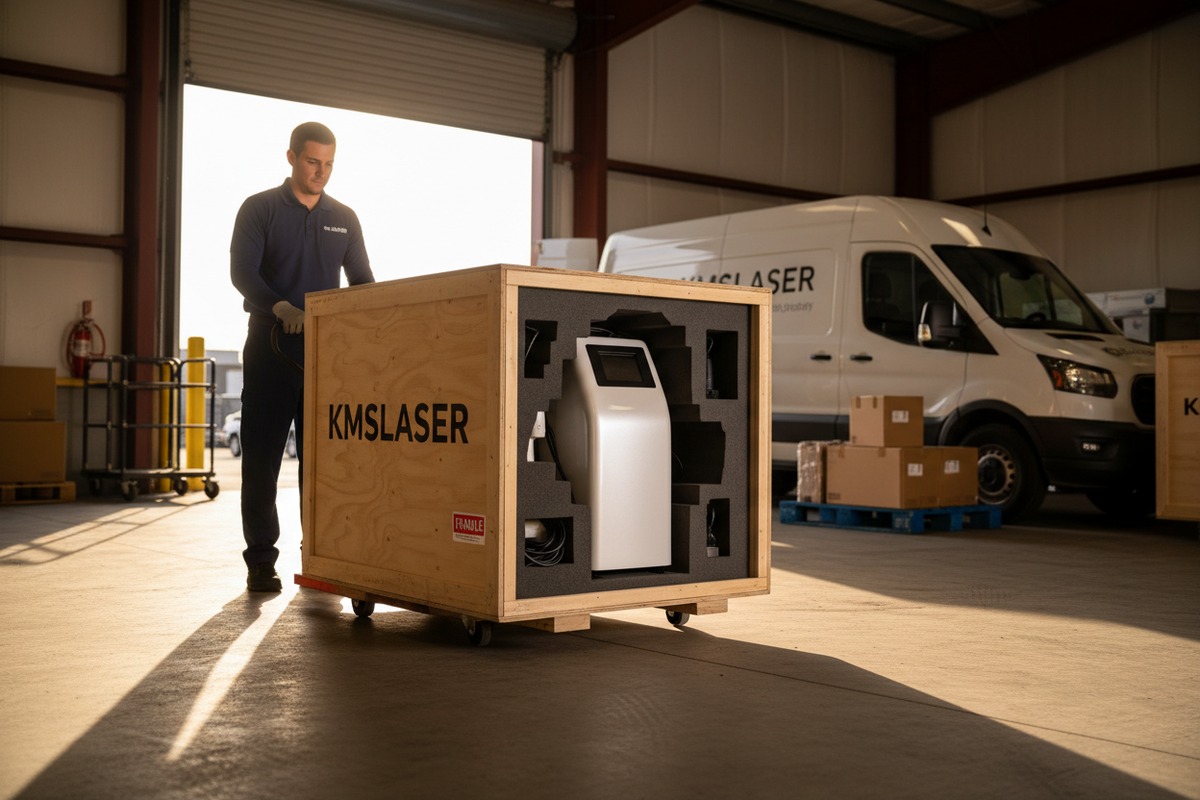
Private-label products 8 present unique warranty challenges. When our factory produces machines under your brand, the support structure needs clear definition. Your customers see your logo. They expect your support. But the technical expertise lives with us.
To guarantee local technical support for private-label shockwave machines, establish a written service agreement specifying US-based support channels, train your own staff using manufacturer-provided technical documentation, negotiate technician certification programs, and maintain direct communication channels with the OEM's engineering team for escalated issues.
The Private-Label Support Dilemma
Your brand is on the machine. Your customer calls you. But can you actually fix it? Most private-label buyers lack in-house technical capabilities. This creates a support gap.
Our approach addresses this directly. When we manufacture private-label units, we include technical training for your team. We provide documentation. We establish escalation paths.
Building Your Support Infrastructure
Consider these support model options:
| Support Model | Advantages | Disadvantages |
|---|---|---|
| Manufacturer-direct support | Expert technical knowledge | Your brand invisible in process |
| White-labeled manufacturer support | Expertise with brand consistency | Requires coordination |
| In-house trained technicians | Full brand control | Training costs, expertise limits |
| Third-party service contracts | Local availability | Quality variability |
| Hybrid model | Balanced approach | Complexity in management |
Most successful private-label operations use hybrid models. Basic troubleshooting happens in-house. Complex repairs escalate to manufacturer.
Technical Documentation Requirements
Request comprehensive technical documentation from your OEM:
- Service manuals with diagrams
- Troubleshooting flowcharts
- Parts catalogs with order codes
- Software update procedures
- Calibration protocols
- Safety checklists
Our documentation packages include all these materials. We translate them into English and format them for easy reference.
Technician Certification Programs
If you want local technicians to service your machines, they need training. Ask your manufacturer about certification programs. Key questions include:
- What training is required for certification?
- Is training available in the US?
- How long does certification last?
- What ongoing education is required?
- Can certification be revoked?
We offer annual training sessions for partner technicians. This keeps skills current and maintains warranty validity.
Communication Channels for Escalation
Establish clear escalation procedures before problems occur. Our standard escalation path includes:
Level 1: Email support with 24-hour response
Level 2: Video call with engineering team
Level 3: Parts shipment with technical guidance
Level 4: On-site visit by certified technician
Each level has defined triggers. This prevents minor issues from escalating unnecessarily while ensuring complex problems get expert attention.
Protecting Your Brand Reputation
Your customers don't care about supply chain complexity. They bought your product. They expect your support. Build your support infrastructure before launching products.
We work with private-label partners to create branded support materials. Your customers receive professional service. Your brand reputation stays intact.
Conclusion
Confirming US repair coverage for shockwave therapy machines requires proactive verification before purchase. Check FDA registrations. Review contract terms carefully. Negotiate logistics responsibilities. Establish support infrastructure for private-label products. Your investment deserves protection that works when you need it.
Footnotes
1. Provides a comprehensive guide for purchasing shockwave therapy devices. ↩︎
2. Replaced HTTP 404 link with an article from Inbound Logistics, a reputable industry publication, discussing healthcare supply chain costs. ↩︎
3. Official FDA guidance on annual establishment registration for medical device facilities. ↩︎
4. Explains the role and requirements for an FDA initial importer of medical devices. ↩︎
5. Provides information on certification for biomedical equipment technicians in healthcare. ↩︎
6. Offers examples of clauses typically found in medical supply purchase agreements. ↩︎
7. Replaced HTTP 404 link with an authoritative academic chapter on Arbitral Jurisdiction from Oxford Academic. ↩︎
8. Explains regulatory considerations for private-label medical devices in key markets. ↩︎

 English
  Español de México
  Deutsch
  Français
  العربية
  Русский