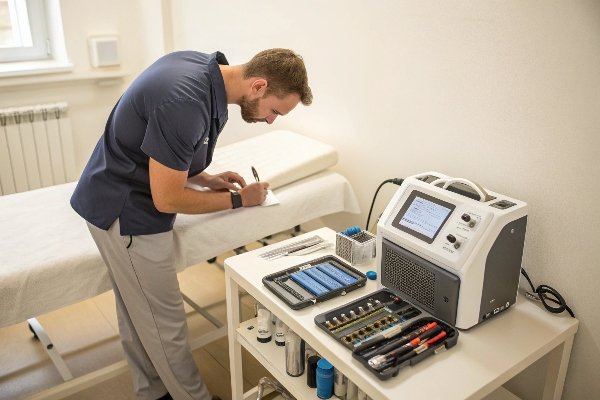
As a manufacturer of professional shockwave therapy machines, I’m often asked by clinic owners and distributors how to make these devices last longer. Every year, I see machines fail early simply because basic maintenance was ignored.
You can extend the lifespan of a shockwave therapy machine by following regular maintenance schedules, using approved consumables, operating in controlled environments, and replacing parts before they wear out. Proper cleaning, calibration, and software updates also play a vital role in long-term reliability.
Good maintenance protects your investment and ensures consistent treatment performance for your clients and patients.
What Maintenance Improves Durability?
When I train our overseas distributors, maintenance is always the first topic we discuss. Most damage occurs not from poor design—but from skipped care routines.
Regular maintenance such as cleaning, calibration, and component inspection significantly improves machine durability by reducing internal stress and preventing premature wear.
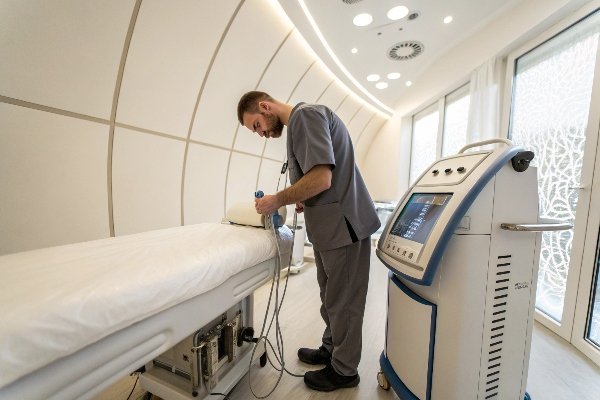
Following structured maintenance aligns with the preventive-care approach recommended by ISO 13485:2016 1 and device upkeep principles under IEC 60601-1 safety standard 2.
Key Maintenance Routines
| Maintenance Task | Frequency | Purpose |
|---|---|---|
| Handpiece inspection | Daily | Detect cracks, leaks, or connector looseness. |
| Software and diagnostic check | Weekly | Identify early signs of system faults. |
| Transducer calibration | Monthly | Maintain energy accuracy and prevent performance drift. |
| O-ring and gasket replacement | Per pulse count | Avoid air leaks and pressure inconsistencies. |
| Professional servicing | Annually | Replace worn parts and perform full system calibration. |
Does Regular Cleaning Increase Lifespan?
In my factory experience, I’ve seen machines returned for service that only needed one thing—cleaning. Dust and gel residue can cause more damage than you’d imagine.
Yes, regular cleaning greatly increases the lifespan of a shockwave therapy machine by preventing gel buildup, corrosion, and mechanical friction in critical components like handpieces and applicators.
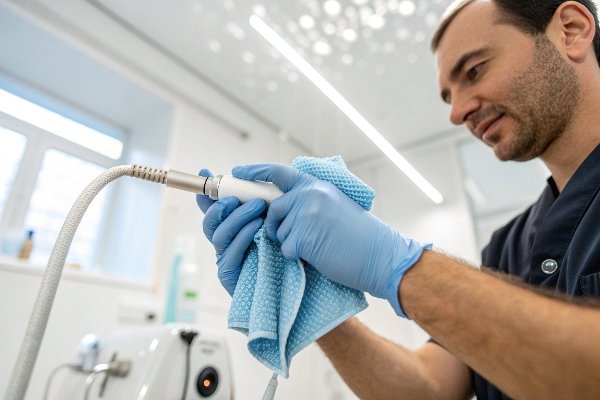
Proper hygiene and cleaning frequency are also supported by ISO 17664:2017 3 for cleaning and disinfecting medical devices.
Cleaning and Disinfection Best Practices
| Part / Area | Cleaning Frequency | Recommended Method |
|---|---|---|
| Handpiece exterior | After every use | Wipe with soft cloth and alcohol-based disinfectant. |
| Applicator / transmitter | After every use | Remove gel residue and sanitize with non-corrosive cleaner. |
| Cables and connectors | Weekly | Inspect and clean with dry cloth, avoid moisture. |
| Air filters and vents | Monthly | Blow clean with compressed air or replace as needed. |
Should Parts Be Replaced on Schedule?
When I look at service reports, one pattern always stands out—delayed part replacement causes chain failures that could’ve been avoided with simple planning.
Yes, replacing consumable and wear-prone parts on schedule—such as O-rings, seals, bullets, and applicator heads—extends the lifespan of the entire system and keeps output consistent.
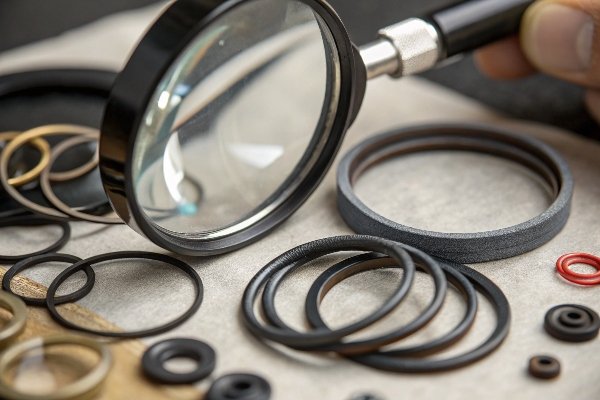
To maintain traceability and replacement logs, follow the documentation principles under 21 CFR 820.200 – Servicing 4 and integrate with your supplier’s quality control checklist 5.
Recommended Replacement Intervals
| Component | Replacement Interval | Reason for Replacement |
|---|---|---|
| Handpiece bullet & tube kit | Every 1,000,000 pulses | Maintains energy transmission and mechanical integrity. |
| O-rings and seals | Every 6–12 months | Prevents air leaks and loss of shockwave efficiency. |
| Applicator head | After visible wear or cracks | Ensures safe and smooth contact with the patient’s skin. |
| High-voltage capacitors | Every 2 years (approx.) | Avoids energy drop or misfire during treatment. |
Do Software Updates Extend Lifespan?
Clients often think software doesn’t affect hardware—but it absolutely does. Outdated firmware can cause inaccurate diagnostics or unstable energy control.
Yes, software and firmware updates can extend a shockwave therapy machine’s lifespan by improving operational stability, correcting diagnostic errors, and optimizing energy efficiency.
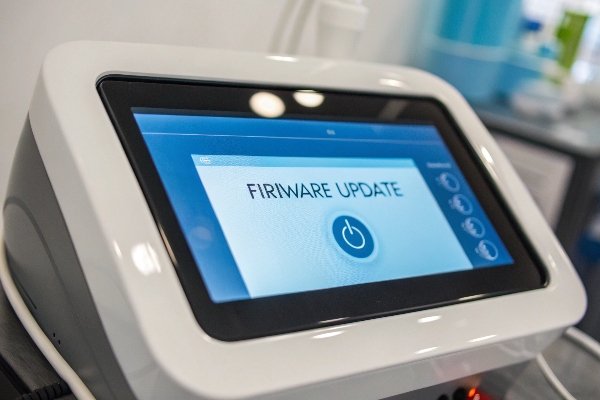
Update management should follow the risk-based guidelines of IEC 62304:2006 + A1:2015 6 for medical software life-cycle control and FDA cybersecurity recommendations 7.
Benefits of Software Maintenance
| Update Type | Function | Impact on Lifespan |
|---|---|---|
| Firmware update | Optimizes pulse control and system timing. | Reduces mechanical stress on transducers. |
| Diagnostic patch | Corrects error codes or misreads from sensors. | Prevents unnecessary wear due to false alerts. |
| Calibration software | Maintains energy precision and consistency. | Extends life of electronic components. |
How Environment Affects Machine Life
Even with perfect maintenance, poor installation conditions shorten lifespan. Maintain stable temperature, humidity, and clean air flow per IEC 60601-1-9 environmental design guidelines 8 and ensure adequate surge protection 9.
| Factor | Recommended Range | Why It Matters |
|---|---|---|
| Room temperature | 18–25°C | Prevents thermal stress on components. |
| Humidity | 30–60% RH | Avoids corrosion and condensation damage. |
| Air cleanliness | Low dust, good airflow | Keeps cooling and sensors working efficiently. |
| Power quality | Stable, grounded supply | Prevents surges or voltage fluctuations. |
Conclusion
By following ISO-compliant maintenance schedules, cleaning after every session, replacing parts on time, and keeping software and environment controlled, you can double the operational life of your shockwave therapy machine while maintaining top-level performance and patient safety. Long-term care isn’t complex—it’s consistent.
Footnotes
1. ISO 13485 – Quality management for medical device maintenance processes. ↩︎
2. IEC 60601-1 – General safety requirements for medical electrical equipment. ↩︎
3. ISO 17664 – Cleaning, disinfection, and sterilization of medical devices. ↩︎
4. 21 CFR 820.200 – FDA servicing and maintenance documentation rule. ↩︎
5. OEM preventive maintenance tracking supports warranty compliance. ↩︎
6. IEC 62304 – Software life-cycle standard for medical devices. ↩︎
7. FDA cybersecurity and update integrity guidance. ↩︎
8. IEC 60601-1-9 – Environmental and design considerations for reliability. ↩︎
9. Surge protection standards per IEC 61000-4-5. ↩︎
10. Consistent documentation ensures traceable maintenance history. ↩︎

 English
  Español de México
  Deutsch
  Français
  العربية
  Русский