Over the past decade, our production line has delivered thousands of pressotherapy systems 1 to brands worldwide. We’ve watched clients lose custom designs to copycat competitors—sometimes within months of sharing specs. The pain is real. Your innovative compression technology, unique chamber configurations, and proprietary software could end up on Alibaba before your product hits the US market.
To ask suppliers to sign an NDA when sourcing pressotherapy machines, send a professionally drafted non-disclosure agreement before sharing any custom specifications or designs. For China-based suppliers, use an NNN agreement (Non-Use, Non-Disclosure, Non-Circumvention) written under Chinese law with Chinese jurisdiction to ensure enforceability.
This guide walks you through the exact process our team uses when protecting client IP. You’ll learn why NDAs matter, how to present them professionally, and what legal steps ensure your pressotherapy machine designs stay yours.
Why should I insist on an NDA before sharing my custom pressotherapy machine specs?
When we develop custom pressotherapy systems—from adjustable chamber counts to specialized pressure algorithms—the specs represent months of engineering work. Sharing these details without protection invites disaster. One US wellness brand we worked with lost over $100,000 when their unsigned NDA led to an exact clone appearing on Alibaba within six months.
You should insist on an NDA before sharing custom pressotherapy specs because once your proprietary designs reach a supplier without legal protection, you have no recourse if they copy your technology, sell to your competitors, or undercut your pricing in your target markets.
The Real Cost of Skipping an NDA
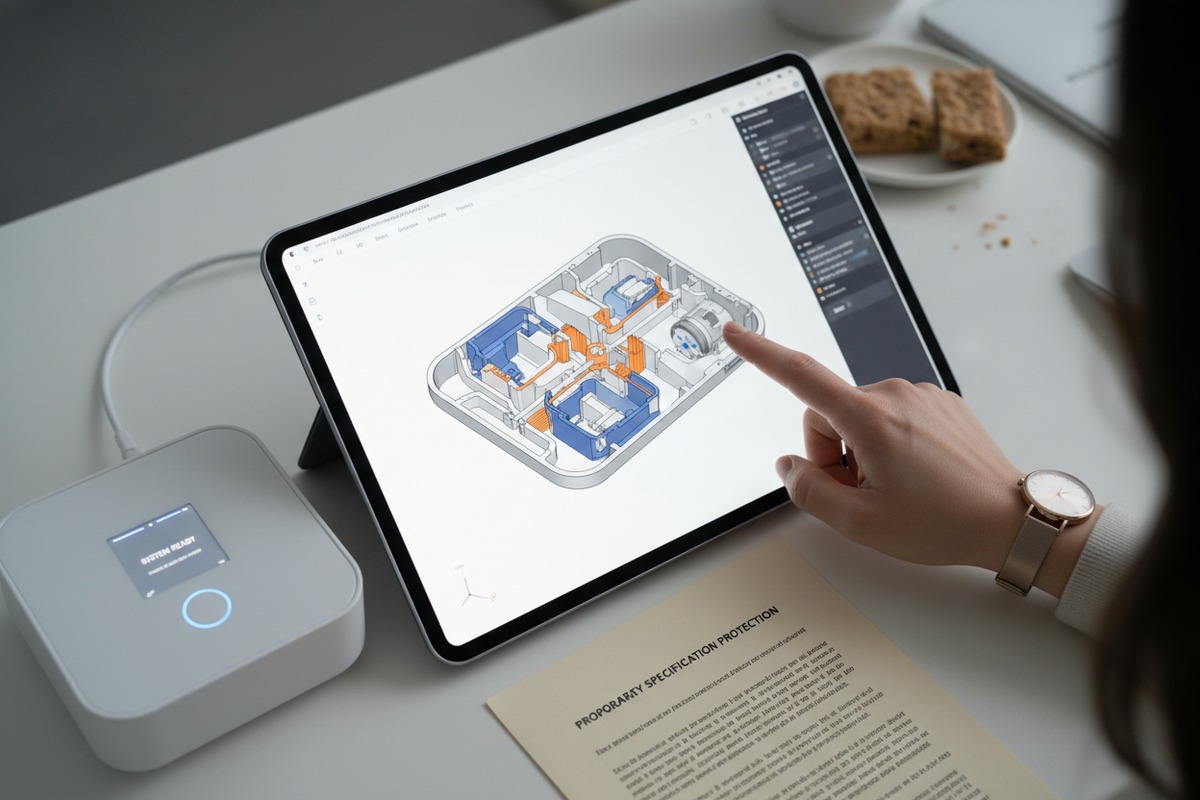
Sharing your pressotherapy machine specs without an NDA creates three major risks. First, the supplier can legally use your designs to manufacture identical units for other buyers. Second, they can approach your customers directly with lower prices. Third, they can register your design as their own intellectual property 2 in China.
Industry surveys indicate that approximately 70% of medtech startups report experiencing some form of IP leak from suppliers who operated without NDAs in place. The pressotherapy market, valued at over $500 million globally, sources roughly 60% of equipment from Asia. About 25% of importers face copycat issues according to trade reports.
What Your NDA Must Protect
Your NDA should explicitly cover several categories of information:
| Information Type | Examples | Why It Matters |
|---|---|---|
| Technical Specs | Chamber configurations, pressure algorithms, pump specifications | Core technology that differentiates your product |
| Business Data | Pricing strategies, supplier lists, customer contacts | Competitive intelligence that enables undercutting |
| Design Elements | Housing aesthetics, UI/UX design, packaging concepts | Brand identity and visual differentiation |
| Regulatory Data | FDA submission documents, CE marking files, test results | Expensive compliance work easily replicated |
The Timing Question
Our engineering team always follows one rule: NDA first, specs second. Never share CAD files, pressure specifications, or custom requirements before the agreement is signed. Even preliminary discussions can expose valuable information.
How do I legally protect my brand's intellectual property when sourcing beauty equipment from China?
In our experience exporting to the US, Europe, and Canada, we’ve learned that standard Western-style NDAs often fail in Chinese courts. The legal systems operate differently. What works in New York may be worthless in Guangzhou.
To legally protect your IP when sourcing beauty equipment from China, use an NNN agreement (Non-Disclosure, Non-Use, Non-Circumvention) written in Chinese, governed by Chinese law, with jurisdiction in Chinese courts. This structure provides enforceable protection where your manufacturing actually occurs.
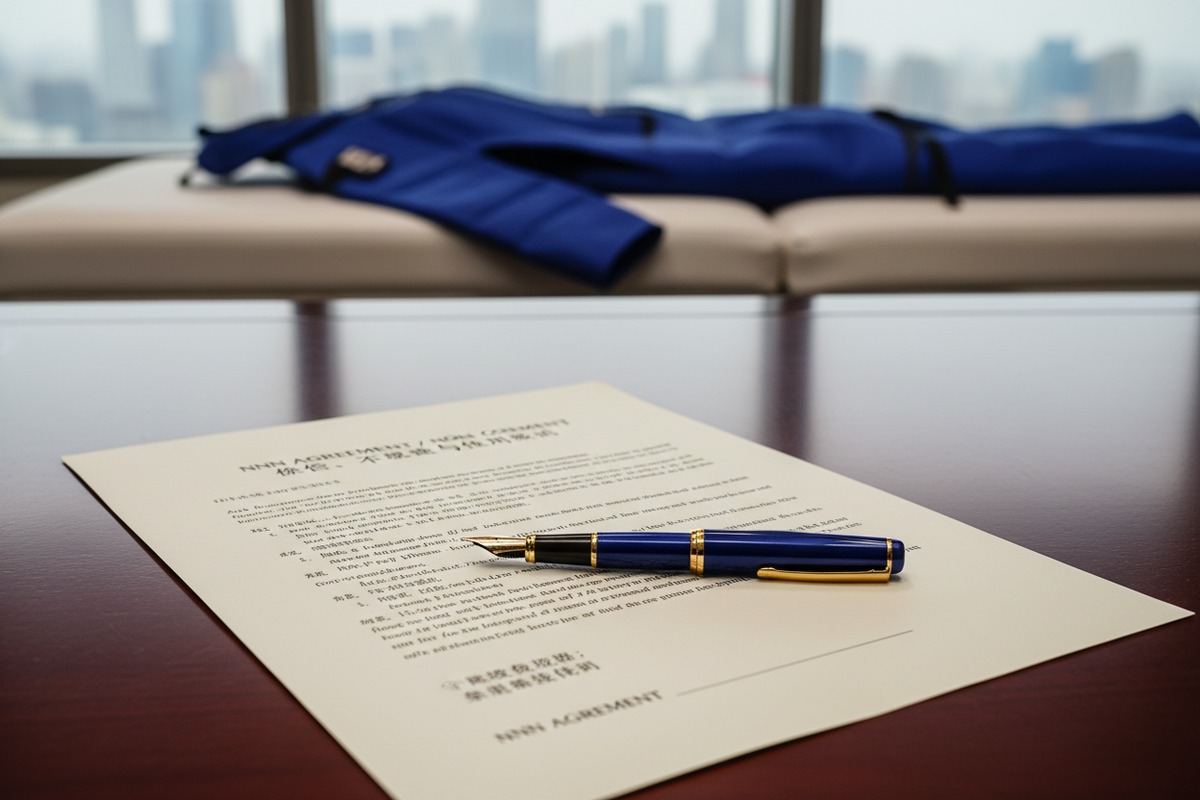
NDA vs. NNN: Understanding the Difference
Standard NDAs only prevent disclosure. NNN agreement 3s add two critical protections that address how Chinese business operates in practice.
| Agreement Type | What It Covers | Enforceability in China |
|---|---|---|
| Standard NDA | Non-disclosure of confidential information | Low—often unenforceable in Chinese courts |
| NNN Agreement | Non-disclosure + Non-use + Non-circumvention | High—designed for Chinese legal system |
The three N's work together. Non-disclosure prevents sharing your information. Non-use prohibits the supplier from manufacturing your product for themselves or others. Non-circumvention stops them from contacting your customers directly to undercut your business.
Key Elements for China Enforceability
For your agreement to hold up in Chinese courts, several elements must be present. The agreement needs to be written in Chinese as the governing language. You should choose Chinese law as the governing law. Select Chinese courts as the jurisdiction for disputes. Include specific liquidated damages clauses 4 rather than relying on injunctive relief.
Our legal contacts emphasize that "standard U.S. NDAs are often not enforceable in Chinese courts." The company stamp (or "chop") must be affixed by someone with signing authority. Verify the company's full legal name and business registration number before accepting any signature.
Beyond the NNN: Additional Protections
An NNN agreement should be your foundation, not your entire strategy. Smart importers layer multiple protections:
| Protection Layer | Purpose | Cost Range |
|---|---|---|
| NNN Agreement | Contractual protection with Chinese manufacturer | $500-2,000 for lawyer draft |
| Chinese Trademark | Prevents supplier from registering your brand in China | $300-800 |
| Design Patent (China) 5 | Protects visual appearance of your pressotherapy machine | $1,000-3,000 |
| Utility Model Patent | Protects functional innovations in pump technology | $1,500-4,000 |
We've seen suppliers secretly register client trademarks in China while manufacturing their products. Without proactive trademark registration, you may find yourself locked out of your own brand in the Chinese market.
Segmented Disclosure Strategy
One approach our R&D team uses involves segmented disclosure. Never give one supplier everything they need to replicate your complete product. Separate your pump components from your software from your chamber design across different vendors when possible.
What is the best way for me to present a non-disclosure agreement to a potential manufacturing partner?
Our sales team presents NDAs to dozens of international partners each year. The approach matters as much as the document itself. A poorly presented NDA can damage relationships before they start—or worse, get ignored entirely.
The best way to present an NDA to a manufacturing partner is to introduce it early as a standard business practice, send a professional draft via email or digital signing platform, allow 3-7 days for review, and frame it as mutual protection rather than one-sided demand. Emphasize that this protects both parties.
Step-by-Step NDA Presentation Process
The process we recommend follows a logical sequence that respects business relationships while protecting your interests:
Step 1: Initial Contact (No Details Shared)
Send a teaser inquiry that describes your general needs without revealing proprietary information. Ask about production capacity, certifications, and general capabilities.
Step 2: Supplier Vetting
Before sending any NDA, verify the supplier's legitimacy. Check for ISO certifications (particularly ISO 13485 6 for medical devices), Gold Supplier status on Alibaba, and business registration details.
Step 3: NDA Introduction
Introduce the NDA as standard practice. Use language like: "Before we share our detailed specifications, we require all partners to sign our standard confidentiality agreement. This protects both our intellectual property and your manufacturing processes."
Step 4: Document Delivery
Send your NDA via a professional platform. Digital signing tools 7 like DocuSign or PandaDoc provide tracking and reduce signing time from 2-4 weeks to 3-7 days.
Step 5: Negotiation Period
Expect some pushback, particularly on scope and duration. Be prepared to discuss terms while holding firm on core protections.
Sample Email Script
Here's a script our team uses:
Subject: Confidentiality Agreement – [Your Company Name] Partnership
Dear [Supplier Name],
Thank you for your interest in working with [Your Company Name]. We're excited about the potential partnership for our pressotherapy equipment project.
Before we share our detailed specifications, we require all manufacturing partners to sign our standard non-disclosure agreement. This protects your proprietary manufacturing processes as well as our product designs.
Please review the attached agreement and return a signed copy within seven business days. Once received, we'll schedule a detailed discussion of our requirements.
We look forward to a successful collaboration.
Handling Common Objections
Suppliers may push back on certain NDA provisions. Here's how to respond:
| Objection | Your Response |
|---|---|
| "We never sign NDAs" | "We work only with partners who share our commitment to IP protection. This is standard practice for medical device manufacturing." |
| "The term is too long" | "Our product development cycle spans 2-3 years. We need protection that extends through market launch." |
| "The penalties are excessive" | "These reflect the actual business damages we would face. We can discuss specific amounts." |
| "We want mutual NDA" | "We're open to mutual protection. We can add clauses protecting your manufacturing processes." |
Red Flags to Watch
If a supplier refuses to sign any NDA after reasonable negotiation, consider this a major warning sign. Legitimate manufacturers understand that IP protection is standard business practice, especially for medical-grade equipment like pressotherapy systems.
How can I verify that my NDA will be enforceable if a supplier leaks my pressotherapy machine designs?
When we help clients recover from IP leaks, the first question is always: “Will this actually work in court?” The honest answer depends entirely on how the agreement was structured from the start. Enforcement across borders remains challenging, but proper preparation dramatically improves your odds.
To verify your NDA will be enforceable, ensure it uses local governing law and jurisdiction where the supplier operates, includes specific liquidated damages clauses, is written in the local language as the governing version, and contains an arbitration clause under the New York Convention for international enforceability.

The Enforcement Reality Check
Cross-border NDA enforcement remains difficult. Recovery rates in US courts for domestic NDA breaches hover around 40%. For international breaches, that number drops significantly—some legal experts suggest below 10% for cross-border cases against Chinese entities.
This doesn't mean NDAs are useless. They serve multiple purposes beyond litigation:
| NDA Function | Value Even Without Litigation |
|---|---|
| Deterrence | Serious suppliers avoid legal risk |
| Documentation | Creates evidence trail for any future action |
| Relationship Signal | Shows you're professional and serious |
| Insurance Requirements | Many business insurance policies require NDAs |
Building an Enforceable Agreement
Several elements maximize your chances of successful enforcement:
Jurisdiction and Governing Law
For China-based suppliers, Chinese jurisdiction and Chinese law provide the strongest enforcement pathway. For international arbitration, consider including clauses that reference the New York Convention 8, which has been signed by 160 countries and provides a framework for enforcing arbitral awards globally.
Specific Damages Clauses
Chinese courts prefer liquidated damages over injunctive relief. Your agreement should specify monetary penalties for breach rather than relying on courts to stop ongoing violations.
Proper Execution
Verify the signatory has authority to bind the company. In China, the company "chop" (official stamp) must be affixed. Confirm the company's full legal name matches their business registration.
Clear Definitions
Define confidential information specifically. Vague clauses referring to "all business information" often fail. List categories: technical drawings, pricing data, customer lists, manufacturing processes.
Alternative Enforcement Strategies
Beyond direct litigation, several alternative approaches can protect your interests:
Arbitration
International arbitration under recognized frameworks (ICC, AAA-ICDR, LCIA) often proves more enforceable than foreign court judgments. Arbitral awards have better recognition across borders under the New York Convention.
Trade Remedies
For products entering the US, consider filing complaints with the International Trade Commission 9 under Section 337, which can block infringing imports.
Platform Enforcement
If copies appear on Alibaba or Amazon, use their IP complaint systems. These platforms have procedures for removing infringing listings.
Exit Strategy Provisions
Your NDA should include provisions for what happens when the relationship ends:
| Exit Provision | What It Requires |
|---|---|
| Return of Materials | All confidential information returned within 30 days |
| Destruction Certification | Written confirmation that digital copies are deleted |
| Ongoing Obligations | Confidentiality survives termination for specified period |
| Audit Rights | Your right to verify compliance through inspection |
Our quality control team emphasizes that these exit provisions are as important as the initial protections. Without them, a supplier can legally retain your designs indefinitely after your business relationship ends.
Conclusion
Protecting your pressotherapy machine designs requires more than a template NDA downloaded from the internet. Use NNN agreements for China manufacturing, present them professionally as mutual protection, and structure terms for actual enforceability. Combined with trademark registration, segmented disclosure, and proper supplier vetting, these steps give your custom pressotherapy technology the legal shield it deserves.
Footnotes
1. Defines pressotherapy, the core technology discussed in the article. ↩︎
2. Provides a foundational definition of intellectual property. ↩︎
3. Explains the purpose and components of an NNN agreement for China. ↩︎
4. Replaced with a Wikipedia article providing a comprehensive definition and explanation of liquidated damages. ↩︎
5. Describes a specific type of intellectual property protection for product appearance in China. ↩︎
6. Details the international standard for quality management systems in medical devices. ↩︎
7. Lists and describes various platforms for electronic document signing. ↩︎
8. Explains the international treaty for enforcing arbitral awards. ↩︎
9. Outlines the role of the US International Trade Commission in trade disputes and IP enforcement. ↩︎

 English
  Español de México
  Deutsch
  Français
  العربية
  Русский