

When our engineering team first started developing pressotherapy machines 2, one of the biggest challenges was explaining internal tubing layouts to international buyers. Many brand owners want to import high-quality devices from China Quick-connect fittings 3. But they struggle to communicate their exact needs about air circuits and hose configurations. This knowledge gap leads to mismatched expectations and costly returns.
To ask suppliers about pressotherapy machine internal tubing layout, request detailed schematics showing pump-to-chamber pathways, tubing diameters (typically 8-12mm), connector types, and air circuit organization. Ask for technical documentation including material specifications, pressure ratings, and maintenance access points. Effective communication ensures device reliability and easier servicing.
Understanding how to communicate with suppliers about tubing layout is crucial for your brand’s success. The right questions help you evaluate durability, ensure safety compliance, and plan for future maintenance needs. Let’s explore the key areas you should address.
How can I verify that the internal tubing layout meets my brand's high-end durability standards?
From our production line experience, durability issues often trace back to poor tubing material choices or flawed routing designs. When a pressotherapy machine fails in the field, customer complaints damage your brand reputation. The root cause is usually invisible—hidden inside the device where tubing connects to chambers and pumps.
To verify high-end durability standards, request tubing material certifications, stress-test data, and lifespan documentation. Ask suppliers for information on tubing wall thickness, flex cycle ratings, and resistance to pressure fatigue at your target operating range (commonly 20-250 mmHg). Physical sample inspection and third-party lab testing provide additional verification.
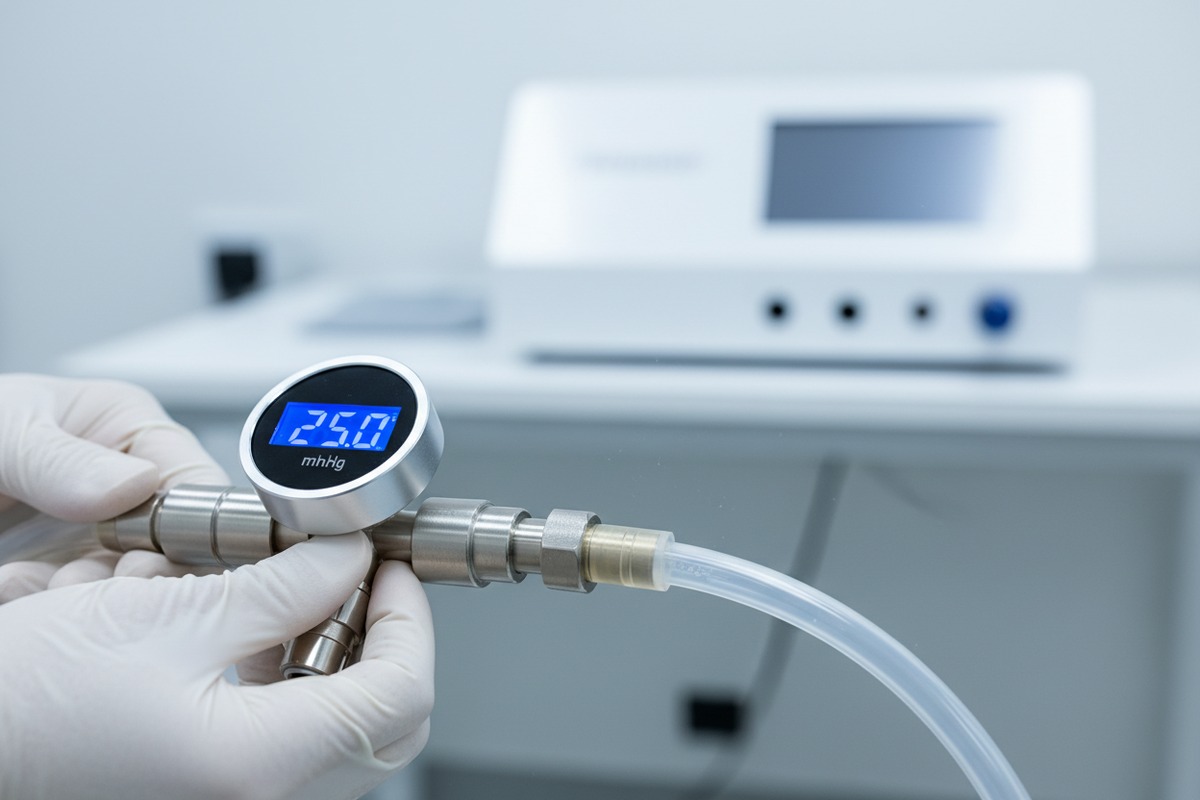
Understanding Tubing Material Quality
The foundation of a durable pressotherapy machine lies in its tubing materials. High-elastic materials are essential for handling pressure ranges typically between 100-240 mmHg without developing leaks over time. When evaluating suppliers, focus on these key material attributes:
Ask your supplier about the specific polymer or rubber compound used in the tubing. Medical-grade silicone 4 and reinforced PVC are common choices. Each material has distinct advantages. Silicone offers excellent flexibility and biocompatibility. Reinforced PVC 5 provides better pressure resistance at lower cost.
Key Durability Specifications to Request
| Specification | What to Ask | Why It Matters |
|---|---|---|
| Wall Thickness | "What is the tubing wall thickness in mm?" | Thicker walls resist punctures and pressure fatigue |
| Flex Cycle Rating | "How many flex cycles before failure?" | Indicates longevity under repeated use |
| Pressure Rating | "What maximum pressure can tubing sustain?" | Must exceed your device's operating pressure |
| Temperature Range | "What is the safe operating temperature range?" | Ensures stability during extended sessions |
| Material Certification | "Do you have material safety data sheets?" | Confirms compliance with safety standards |
Inspection Methods for Brand Owners
Our quality control team uses several methods to verify tubing durability before shipment. You can request similar inspections or conduct them upon sample arrival.
First, perform a visual inspection. Check for uniform color, consistent wall thickness, and absence of bubbles or imperfections. Next, conduct a simple flex test. Bend the tubing sharply several times and check for whitening or cracking. Finally, connect tubing to a pressure source and monitor for leaks at rated pressure over 24 hours.
Benchmarking Against Industry Standards
Professional pressotherapy systems from reputable manufacturers typically feature metal bodies and durable elastic air tubing. For example, some advanced compression suits include 24 air channels designed for intensive salon use. Use these benchmarks when evaluating supplier offerings.
What technical documentation should I request to evaluate the organization and safety of the internal air circuits?
In our experience exporting to the US and Europe, we have learned that documentation requirements differ by region. Some buyers only want basic specs. Others need full technical files for regulatory compliance. Without proper documentation, you cannot verify safety or plan maintenance effectively.
Request these key documents: air circuit schematics with tubing routing paths, CE marking certification for European markets, ISO 13485 quality management documentation, material safety data sheets for tubing components, and pressure testing reports. For US distribution, verify FDA registration status. Complete documentation enables proper evaluation of safety and maintenance requirements.

Essential Documentation Checklist
When approaching suppliers, prepare a structured document request. This shows professionalism and helps suppliers understand your quality expectations.
| Document Type | Purpose | Priority |
|---|---|---|
| Air Circuit Schematic | Shows tubing routing from pump to chambers | Essential |
| Pressure Test Report | Verifies safe operating pressure ranges | Essential |
| CE Certificate | Required for European market entry | High |
| ISO 13485 6 Certificate | Confirms quality management system | High |
| Material Safety Data Sheets | Details tubing material composition | High |
| Assembly Instructions | Supports maintenance and troubleshooting | Medium |
| Wiring Diagrams | Shows electrical safety integration | Medium |
Understanding Air Circuit Schematics
A proper air circuit schematic should show the complete pathway from the air pump to each chamber in the garment. For devices with multiple chambers—some professional units feature up to 24-48 separate chambers—this documentation becomes critical.
The schematic should identify tubing junction points, quick-connect locations, and any valves or pressure regulators. Ask your supplier to label each component with part numbers. This makes future maintenance and part ordering straightforward.
Safety Certification Requirements
Professional pressotherapy machines must meet safety standards specific to their classification. In Europe, pressotherapy machines must have CE marking 7, which indicates compliance with EU safety, health, and environmental protection requirements. In the United States, the FDA regulates medical devices including pressotherapy machines.
Additionally, manufacturers may seek ISO certification, specifically ISO 13485, which outlines quality management system requirements for medical device manufacturing. This certification ensures manufacturing processes adhere to consistent standards.
Evaluating Documentation Quality
When you receive documentation from a supplier, evaluate its completeness and clarity. Vague descriptions or missing sections indicate potential quality control issues. Professional suppliers maintain detailed technical files and can provide them quickly upon request.
Look for specific pressure ratings, tubing diameter specifications (standard internal diameters range from 8-12mm), and clear chamber identification in all documentation. If suppliers hesitate to provide detailed technical files, consider this a warning sign.
Can I collaborate with your engineers to customize the tubing layout for easier maintenance by my local technicians?
When we work with brand owners on OEM projects, customization discussions often focus on external features—colors, logos, control panels. But smart buyers also ask about internal modifications. Tubing layout customization can dramatically improve field serviceability and reduce your after-sales costs.
Yes, reputable manufacturers offer OEM/ODM collaboration for tubing layout customization. Work with supplier engineers to design modular quick-connect systems, accessible tubing junctions, and standardized replacement components. Document all customizations in technical files. This collaboration enables your local technicians to perform repairs without specialized training or proprietary tools.
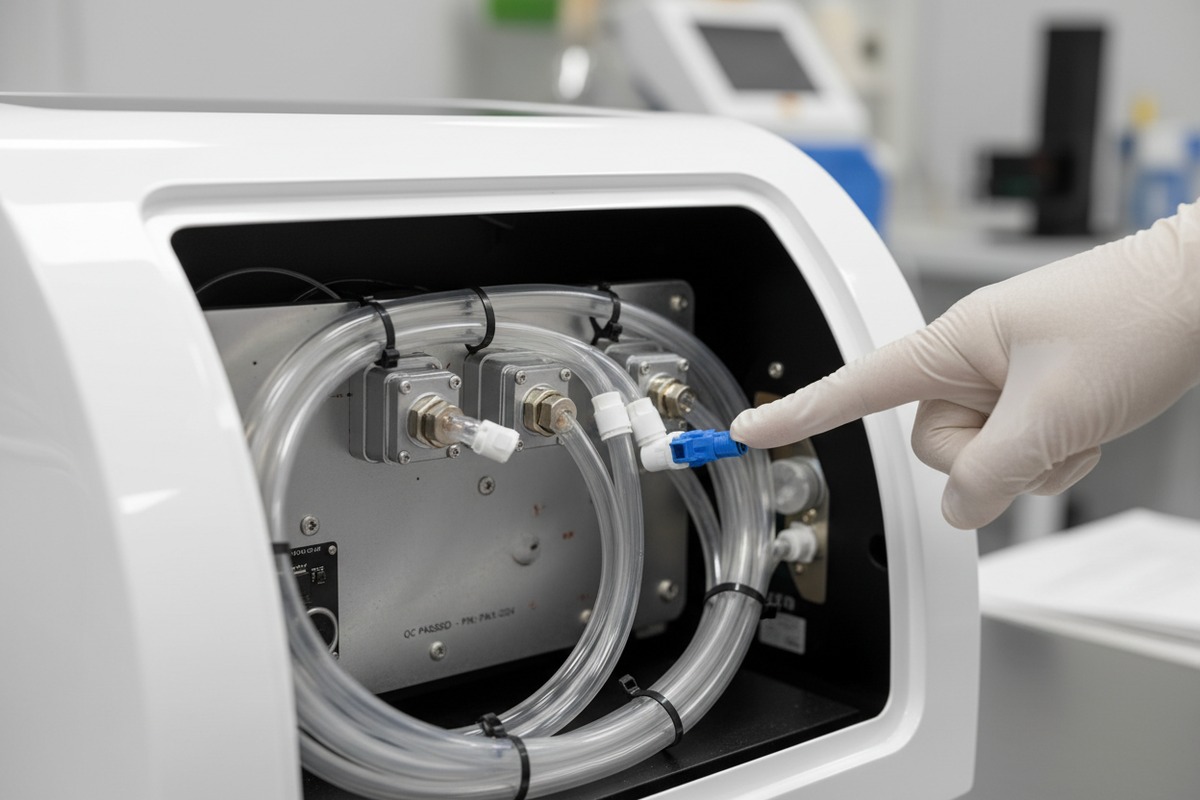
Benefits of Custom Tubing Design
Customizing internal tubing layout offers several strategic advantages for brand owners. The pressotherapy systems market is growing rapidly and is projected to grow from $13.71 billion in 2024 to $14.97 billion in 2025. Standing out requires more than surface-level branding.
Consider these customization benefits:
- Faster field repairs – Accessible tubing junctions reduce service time
- Lower training costs – Simplified layouts are easier for technicians to learn
- Reduced spare parts inventory – Standardized components simplify logistics
- Better customer satisfaction – Quick repairs mean less downtime
Questions to Ask About Customization
Before starting a customization project, gather detailed information from your supplier:
| Question Category | Specific Questions to Ask |
|---|---|
| Capability | "Do you have in-house engineering for tubing layout modifications?" |
| Process | "What is your typical timeline for custom tubing design?" |
| Minimum Order | "What MOQ applies to custom tubing configurations?" |
| Documentation | "Will you provide updated schematics reflecting customizations?" |
| Testing | "How do you validate custom tubing designs before production?" |
| Cost | "What is the additional cost for custom tubing layout versus standard?" |
Modular Design Considerations
Modern pressotherapy devices increasingly feature modular designs for quick maintenance. Some manufacturers highlight systems with easy-to-replace air cells and quick-connect hoses. When customizing, prioritize these modular elements:
Quick-connect fittings: Request standardized quick-connect systems rather than proprietary connectors. This allows your technicians to source replacement parts locally if needed.
Accessible junction points: Ask engineers to position tubing junctions where technicians can reach them without full disassembly.
Color-coded tubing: Different colors for different chamber circuits simplify troubleshooting.
Protecting Your Investment
When collaborating on custom designs, protect your intellectual property. Request that custom tubing configurations remain exclusive to your brand for a specified period. Document all design decisions in writing. Ensure your contract includes provisions for maintaining design consistency across production batches.
How do I identify if a supplier's tubing design is prone to the pressure leaks that cause customer complaints?
Our customer service team tracks the most common warranty claims. Pressure leaks consistently rank among the top issues. These failures frustrate end users, damage brand reputation, and create expensive service obligations. Identifying leak-prone designs before purchase saves significant costs.
Identify leak-prone tubing designs by examining connector quality, tubing routing stress points, and pressure rating margins. Request pressure-decay test results showing leak rates at maximum operating pressure. Inspect physical samples for sharp bends, inadequate clamping, and poor connector seating. Suppliers with high-quality designs will readily demonstrate their testing protocols and provide detailed failure-mode documentation.
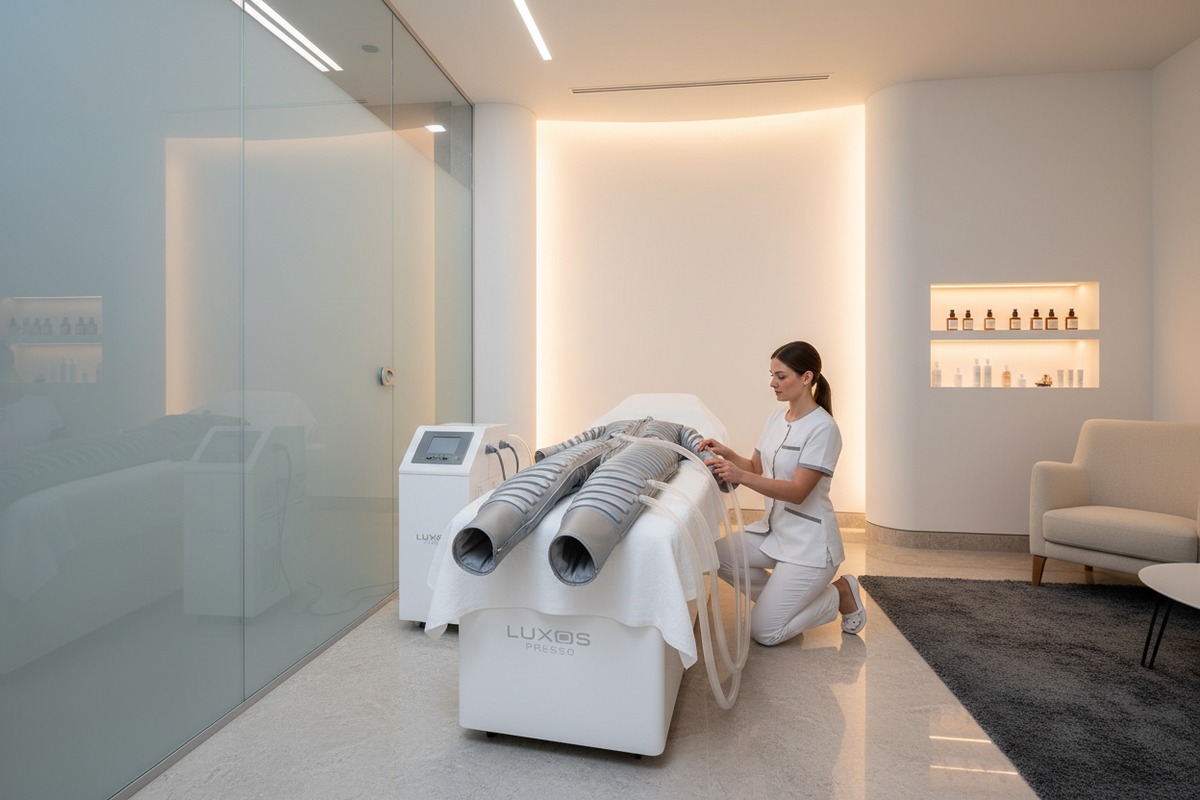
Common Causes of Pressure Leaks
Understanding why leaks occur helps you ask the right questions. In pressotherapy machines, leaks typically develop at:
- Connector junctions – Where tubing meets chambers or control units
- Sharp bend points – Where tubing is routed around corners
- Material degradation zones – Where tubing contacts hot components or chemicals
- Clamping locations – Where clamps over-compress or under-secure tubing
Red Flags in Tubing Design
During supplier evaluation, watch for these warning signs:
| Red Flag | What It Indicates | What to Do |
|---|---|---|
| Sharp 90-degree tubing bends | High stress concentration points | Request routing redesign |
| No strain relief at connectors | Premature connector failure risk | Ask for strain relief addition |
| Single-wall tubing construction | Lower pressure resistance | Specify reinforced tubing |
| Proprietary connectors only | Difficulty sourcing replacements | Negotiate universal alternatives |
| No documented pressure testing | Unknown leak risk | Require test documentation |
Testing Methods to Request
Ask your supplier about their quality assurance protocols for pressure leak prevention. Reputable manufacturers perform multiple tests:
Pressure-decay testing: The system is pressurized and monitored over time. Any pressure drop indicates leakage. Ask for acceptable decay thresholds.
Component-level testing: Individual connectors and tubing sections are tested before assembly. This catches defects early.
Final assembly testing: Complete devices undergo functional pressure testing before shipment. Request test records for your units.
Questions for Evaluating Leak Risk
Prepare these specific questions for supplier discussions:
"What is your reject rate for pressure leak failures during production?"
"How do you test tubing connections for leak-tightness?"
"What pressure margin do you design above the maximum operating pressure?"
"Can you provide failure analysis reports from previous quality issues?"
"What warranty coverage applies specifically to pressure leak failures?"
Long-term Reliability Considerations
Beyond initial quality, consider how designs perform over time. Tubing materials degrade through repeated pressure cycles, temperature changes, and chemical exposure. Ask suppliers about accelerated aging tests. These simulate years of use in compressed timeframes.
A properly maintained pressure relief valve can last up to 30 years. Your pressotherapy tubing should demonstrate similar longevity expectations when properly designed and manufactured.
Conclusion
Asking the right questions about pressotherapy machine internal tubing layout protects your brand and your customers. Focus on durability verification, comprehensive documentation, customization potential, and leak prevention. These conversations separate reliable suppliers from problematic ones and set your business up for long-term success.
## Footnotes

<span id="footnote-1">
1. Official FDA guidance on medical device registration and listing requirements in the U.S. <a href="#ref-1" class="footnote-backref">↩︎</a>
</span>

<span id="footnote-2">
2. Provides an overview of pressotherapy machines, their function, and benefits. <a href="#ref-2" class="footnote-backref">↩︎</a>
</span>

<span id="footnote-3">
3. Provides information on quick-connect couplings, their design, and benefits in fluid systems. <a href="#ref-3" class="footnote-backref">↩︎</a>
</span>

<span id="footnote-4">
4. Details the properties, biocompatibility, and applications of medical-grade silicone. <a href="#ref-4" class="footnote-backref">↩︎</a>
</span>

<span id="footnote-5">
5. Explains the benefits and characteristics of reinforced PVC hose, including pressure resistance. <a href="#ref-5" class="footnote-backref">↩︎</a>
</span>

<span id="footnote-6">
6. Defines the international standard for quality management systems in the medical device industry. <a href="#ref-6" class="footnote-backref">↩︎</a>
</span>

<span id="footnote-7">
7. Official EU source explaining the CE marking and its compliance requirements. <a href="#ref-7" class="footnote-backref">↩︎</a>
</span>

<span id="footnote-8">
8. Describes the non-destructive method of pressure decay leak testing for identifying leaks. <a href="#ref-8" class="footnote-backref">↩︎</a>
</span>

 English
 Español de México
 Deutsch
 Français
 العربية
 Русский
