

When we assemble the multi-chamber air compression suits in our factory, we know that a single expired certificate can halt your entire shipment at customs Declaration of Conformity 1. Navigating these regulatory hurdles is stressful.
To ask about certification updates, request the specific certificate number and the issuing body’s name. Verify these through official databases like EUDAMED for CE or the FDA 510(k) database. Ask for the “Declaration of Conformity” to ensure the documentation matches the latest regional safety standards.
Knowing which questions to ask will save you from legal risks and help you secure high-quality equipment for your brand MDSAP (Medical Device Single Audit Program) 2.
How can I verify that your pressotherapy machine certifications are current and valid for my specific market?
Exporting our lymphatic drainage systems to the US and Europe has taught us that "CE certified" is often too vague for customs officers. You need precise, verifiable data to avoid seizure.
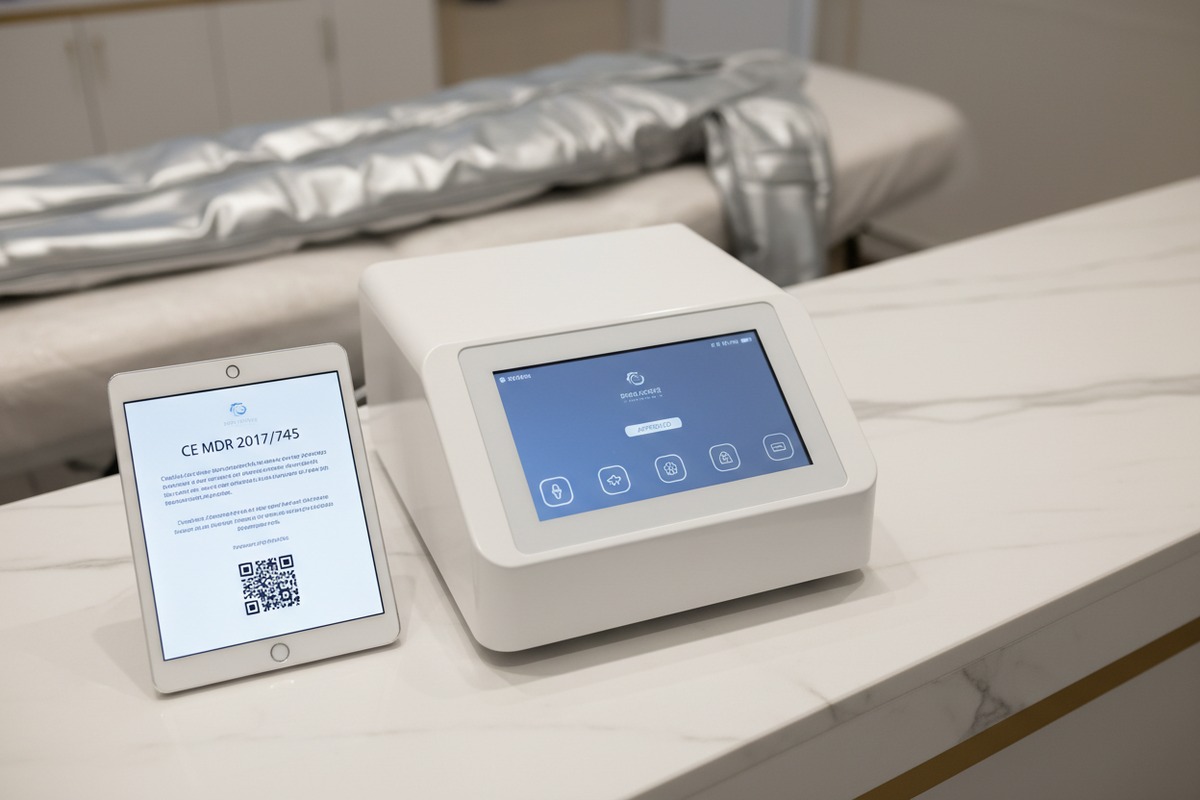
Verify certifications by requesting the original PDF certificate and cross-referencing the document number on the issuer's website. For the US, check the FDA 510(k) database; for Europe, ensure the CE mark follows the latest Medical Device Regulation (MDR) instead of the old MDD.
Understanding the Certification Landscape
When sourcing pressotherapy machines, you must distinguish between "decorative" certificates and legal compliance. Many low-end suppliers provide certificates that are only for Electromagnetic Compatibility (EMC), which does not cover the clinical safety required for medical or high-end aesthetic use.
Key Certifications by Region
Different markets have strict entry requirements. If you are importing to the United States, an FDA 510(k) clearance 3 is usually necessary because compression therapy is classified as a Class II medical device. In Europe, the transition from the Medical Device Directive (MDD) to the Medical Device Regulation (MDR) 4 has made verification even more critical.
| Region | Primary Certification | Verification Database |
|---|---|---|
| United States | FDA 510(k) | FDA Establishment Registration & Device Listing |
| European Union | CE (MDR 2017/745) | EUDAMED (European Database on Medical Devices) |
| Australia | TGA | ARTG (Australian Register of Therapeutic Goods) |
| Canada | Health Canada | MDALL (Medical Devices Active Licence Listing) |
Red Flags to Watch For
If a supplier sends a certificate where the company name doesn't match the factory address, or if the "Valid Until" date has passed, stop the negotiation. We always recommend asking for the most recent audit report of their ISO 13485 quality management system 5. This proves the factory is consistently monitored by a third party.
What is your process for updating technical documentation when international safety standards change?
Our engineering team constantly monitors IEC electrical safety standards to ensure our pressotherapy units don't become obsolete. We update our technical files long before new regulations take effect globally.
Ask the supplier for their "Regulatory Monitoring Procedure." A professional manufacturer should have a dedicated quality department that reviews updates annually and updates the Technical Construction File (TCF) to reflect new safety, environmental, or performance testing requirements required by law.

The Importance of the Technical Construction File (TCF)
The TCF is a living document. It includes circuit diagrams, software architecture, and material safety data sheets (MSDS) for the fabric used in the compression sleeves. When a standard like IEC 60601-1 6 (medical electrical equipment safety) is updated, the manufacturer must re-test the machine.
How Standards Evolve
Safety standards change to address new risks, such as cybersecurity in connected devices or the use of phthalates in plastics. If your supplier hasn't updated their documentation in three years, they are likely selling you an outdated design that may fail local safety inspections.
Documentation Update Checklist
When sourcing, use this checklist to probe the supplier's internal logic:
- How often do you review changes in EU MDR or FDA guidance?
- Do you have a contract with a "Notified Body" for ongoing surveillance?
- Can you provide the latest test report for electrical safety (LVD) and interference (EMC)?
| Type of Document | Purpose | Update Frequency |
|---|---|---|
| Risk Management File | Identifies potential patient harm | Every 12 months or after design change |
| Clinical Evaluation | Proves the machine actually drains lymph | Every 2-5 years depending on class |
| User Manual | Provides safety warnings/instructions | Whenever software or hardware changes |
Working with a factory that proactively updates these documents protects your brand from liability and ensures your customers are using the safest possible technology.
Can I request a full compliance audit to ensure your equipment meets my brand's quality requirements?
In our Guangzhou facility, we frequently host third-party auditors hired by our US clients. We believe transparency is the best way to prove that our quality matches our high-end design.
Yes, you should request a compliance audit. Ask if they allow third-party inspections (like SGS or Intertek) during production. A transparent supplier will provide access to their ISO 13485 records, incoming material inspection logs, and final pressure-testing data for each air chamber.
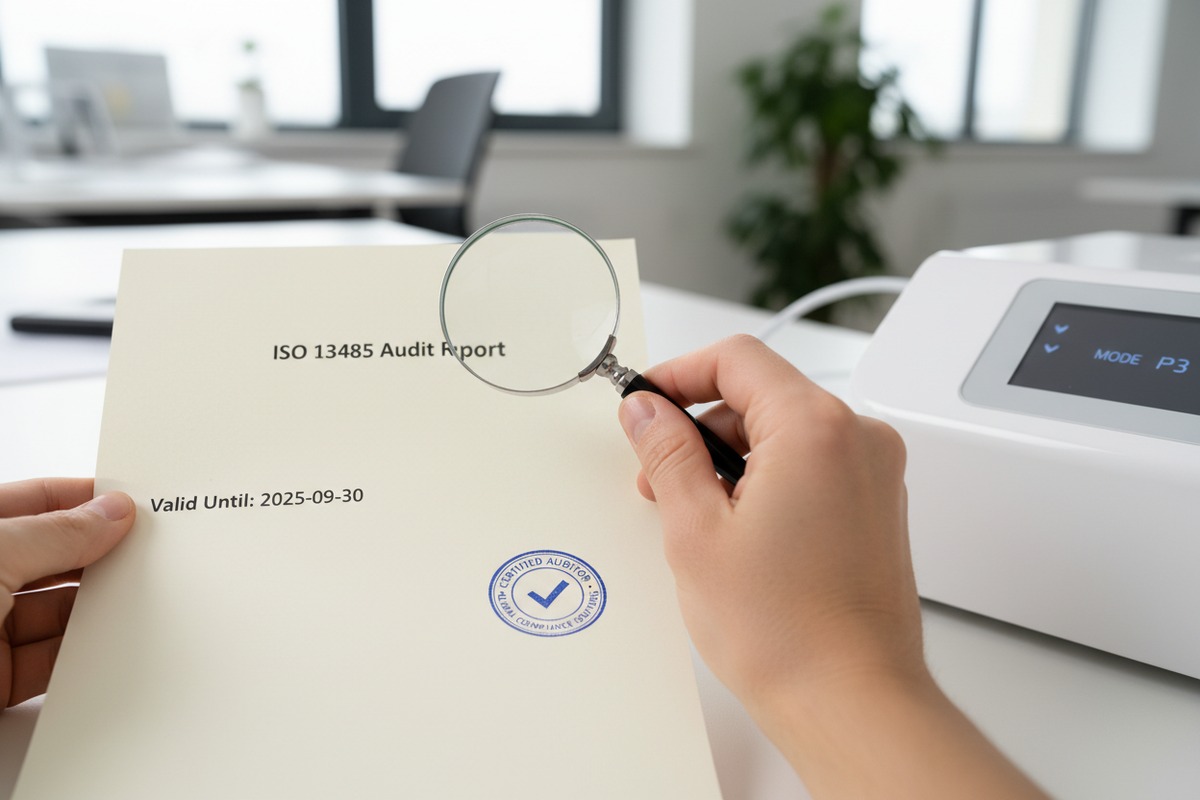
Why Audits Matter for Private Labeling
When you put your brand name on a machine, you take on all the legal responsibility. An audit confirms that the factory isn't just a "trading office" pretending to be a manufacturer. It ensures that the "Made in China" quality meets mid-to-high-end expectations, especially regarding the durability of the ABS plastic and the seams of the compression suit.
What to Look for During a Factory Audit
An audit shouldn't just look at the finished product. It should examine the entire lifecycle of the pressotherapy machine's production.
- Incoming Quality Control (IQC): Are they testing the air pumps before installation?
- In-Process Quality Control (IPQC): Are the air jackets pressure-tested for leaks for at least 24 hours?
- Final Quality Control (FQC): Does the software accurately reflect the pressure settings (e.g., 20-200mmHg)?
Audit Components for Pressotherapy
| Audit Focus | What is Checked | Why it Matters for You |
|---|---|---|
| QMS Audit | ISO 13485 compliance | Ensures consistent quality across batches |
| Social Audit | Working conditions/Ethics | Protects your brand reputation from scandal |
| Technical Audit | Machine calibration tools | Ensures the pressure readings are accurate |
A supplier that resists an audit is a major red flag. Reputable manufacturers welcome audits as they provide a formal way to demonstrate their superiority over cheaper, non-compliant competitors.
How do I confirm that your factory will maintain the necessary certifications throughout our long-term manufacturing partnership?
Building a long-term partnership means we must grow together. We maintain our certifications because losing them would end our business, but you need a contractual way to ensure this commitment.
Include a "Certification Maintenance Clause" in your manufacturing agreement. This requires the supplier to notify you six months before any certificate expires and provide proof of renewal. Also, ask for their MDSAP (Medical Device Single Audit Program) status for streamlined multi-country compliance.
Future-Proofing Your Supply Chain
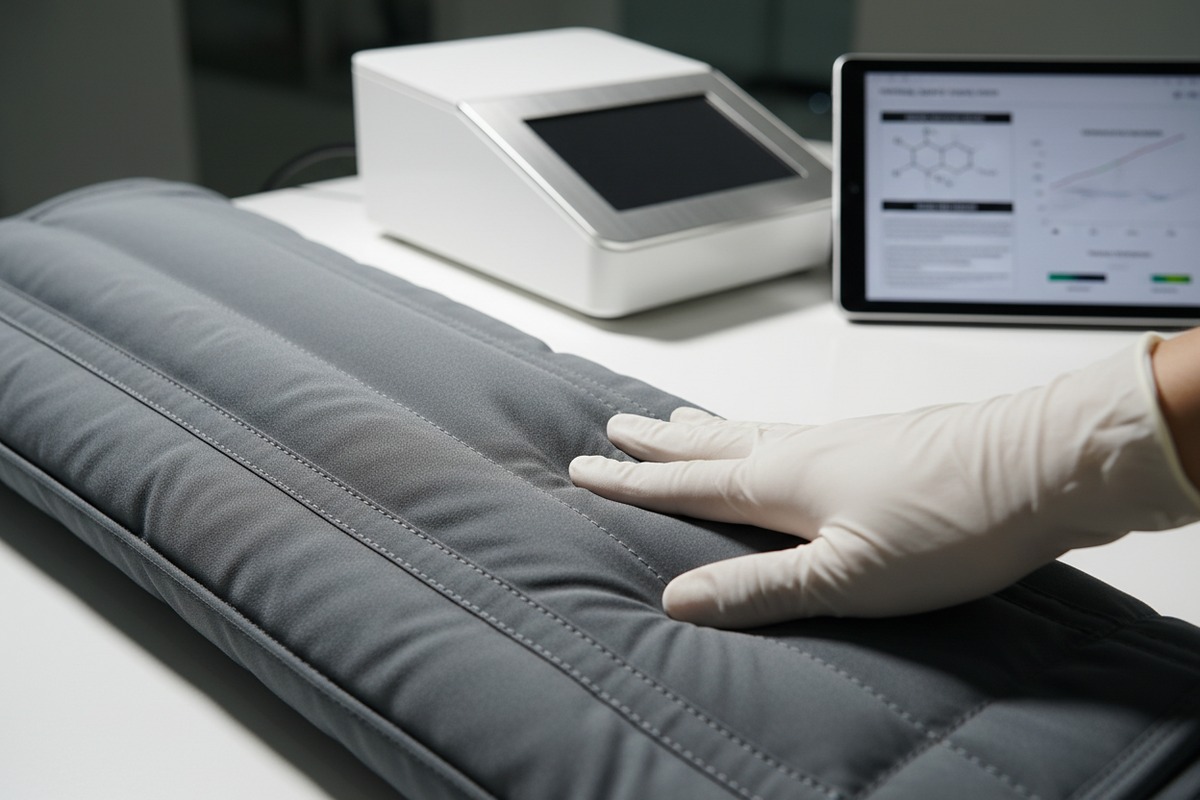
The beauty industry is shifting toward multi-function devices that combine pressotherapy with Infrared (IR) or EMS. These "hybrid" devices require more complex certifications. A long-term partner must have the engineering depth to update certifications as they add these new technologies to your custom-branded models.
The Role of MDSAP
If you plan to expand from the US to Canada or Australia, ask if the factory is part of the Medical Device Single Audit Program (MDSAP). This program allows a single regulatory audit of a medical device manufacturer to satisfy the requirements of multiple jurisdictions. It is a sign of a very high-level, sophisticated manufacturer.
Maintaining Standards Over Time
To ensure the factory doesn't "cut corners" after the first three orders, you should:
- Request Annual Updates: Ask for the renewed ISO 13485 certificate every year.
- Monitor Post-Market Surveillance: Ask the supplier for their "Vigilance Report." This shows if they have had any device failures in the field and how they fixed them.
- Sustainability Certifications: As regulations evolve, look for ISO 14001 or RoHS compliance to ensure the materials used in the air suits are non-toxic and eco-friendly.
By treating certification as an ongoing conversation rather than a one-time check, you build a resilient business that can survive regulatory changes.
Conclusion
Sourcing pressotherapy machines requires a proactive approach to certification. Always verify documents through official databases, demand technical transparency, and include compliance requirements in your long-term contracts to protect your brand's future.
Footnotes
1. Official EU regulation defining the Declaration of Conformity for medical devices. ↩︎
2. Central official portal for the Medical Device Single Audit Program. ↩︎
3. Official database for FDA 510(k) premarket notifications and clearances. ↩︎
4. Official European Union regulation governing medical devices. ↩︎
5. Authoritative information on the ISO 13485 standard for medical device quality management. ↩︎
6. Official source for the international standard on medical electrical equipment safety. ↩︎

 English
  Español de México
  Deutsch
  Français
  العربية
  Русский