

Every week, our sales team receives calls from clinic owners who bought machines elsewhere—only to discover the training videos were outdated, incomplete, or missing entirely ISMST 1. shockwave therapy machines 2 The frustration is real: expensive equipment sits unused while staff struggles with protocols they never learned.
When buying shockwave therapy machines, ask suppliers specific questions about video training content, clinical protocols, certification validity, technical maintenance coverage, and ongoing support options. Request sample videos, verify CPD accreditation, confirm white-label availability, and clarify whether live support supplements pre-recorded content.
The questions you ask before purchase determine whether your team operates confidently or fumbles through treatments focused ESWT machines 3. Let me walk you through exactly what to ask and why each question matters.
What clinical protocols and safety guidelines should I expect in your shockwave therapy training videos?
When we develop training content at our facility, clinical accuracy ranks as the top priority Contraindications screening 4. A poorly designed training video can lead to patient injuries, liability issues, and damaged reputations. The protocols matter as much as the machine itself white-label training video options 5.
Expect comprehensive coverage of treatment parameters, contraindications, anatomical targeting, energy level selection, and emergency procedures. Quality training videos should include evidence-based dosing protocols, patient positioning demonstrations, and clear safety checklists aligned with ISMST or equivalent standards.

Understanding Radial vs. Focused Shockwave Training Needs
The type of shockwave technology directly impacts what training you need. Radial pressure wave devices 6 and focused ESWT machines require different protocols. Our engineering team has calibrated both types, and the training requirements differ significantly.
Radial shockwave therapy uses lower energy for superficial musculoskeletal issues. Focused ESWT delivers higher energy to deeper tissues like bones. Training videos must address these differences explicitly.
| Feature | Radial Shockwave | Focused ESWT |
|---|---|---|
| Energy Depth | Superficial (up to 3cm) | Deep (up to 12cm) |
| Typical Cost | $12,000-$16,000 CDN | $60,000+ CDN |
| Regulatory Class | Class II | Class III |
| Training Complexity | Moderate | High |
| Common Applications | Tendinopathies, trigger points | Bone healing, calcifications |
Critical Protocol Elements to Verify
Ask suppliers for a detailed syllabus before committing. Quality training videos cover these elements:
Contraindications screening protects your practice. Videos should explain when to refuse treatment—pregnancy, blood clotting disorders, malignancies near treatment sites, and infections. Without this knowledge, practitioners risk serious harm.
Dosing parameters vary by condition. A training video worth its production cost explains frequency settings, pressure levels, pulse counts, and treatment intervals for specific conditions. Generic instructions help no one.
Anatomical targeting requires visual demonstration. Text descriptions cannot replace video showing exact applicator placement for plantar fasciitis versus lateral epicondylitis versus myofascial trigger points.
Questions to Ask Your Supplier
Use these specific questions when evaluating training video quality:
- Does your training cover both radial and focused protocols if applicable?
- What certification bodies recognize your training content?
- Are contraindication lists updated to current clinical guidelines?
- Do videos include real patient demonstrations or only mannequins?
- How frequently do you update protocol content?
Our experience shipping to physiotherapy clinics across North America shows that buyers who ask these questions upfront avoid costly retraining later.
Building a recognizable brand requires consistency across every touchpoint. When our clients distribute machines to their downstream salon customers, they need training materials that reinforce their brand—not ours. This question rarely gets asked, but it separates serious distributors from casual buyers.
Yes, quality suppliers offer white-label training video options where manufacturer branding is removed or replaced with your company logo, colors, and contact information. Ask about customization scope, additional costs, format compatibility, and update policies before finalizing your purchase agreement.

Why White-Label Training Matters for Your Business
Your downstream customers remember who trained them. If training videos display another company's logo, that company captures the brand recognition—not you. Every time salon staff rewatches a protocol, they see your competitor's branding.
Our production team creates training content knowing many clients need private-label versions. The request is standard in B2B medical equipment distribution.
What to Specify in White-Label Agreements
| Element | Questions to Ask | Why It Matters |
|---|---|---|
| Branding Scope | Logo, colors, intro/outro, watermarks? | Full customization prevents brand confusion |
| File Formats | MP4, hosted platform, streaming? | Compatibility with your distribution system |
| Update Rights | Can you rebrand updated versions? | Ensures long-term content relevance |
| Language Options | Subtitles, dubbing, multiple languages? | Serves diverse client base |
| Cost Structure | One-time fee or per-unit licensing? | Affects your pricing model |
Negotiating White-Label Terms
Start this conversation early—not after you have signed the purchase order. Some suppliers include basic white-label options with volume purchases. Others charge separately.
Request these specifics in writing:
Source file access allows you to make minor edits without returning to the supplier. At minimum, request high-resolution logo-free versions.
Territory restrictions sometimes limit where you can distribute white-labeled content. Clarify geographic rights before your business expands.
Exclusivity options may be available for premium pricing. If competitors using the same supplier concern you, ask about exclusive arrangements for your market.
Our clients who distribute to American and Canadian salons often request English versions with optional Spanish subtitles. Discuss these needs before production begins.
How do I ensure your video training covers the technical maintenance and troubleshooting my team needs?
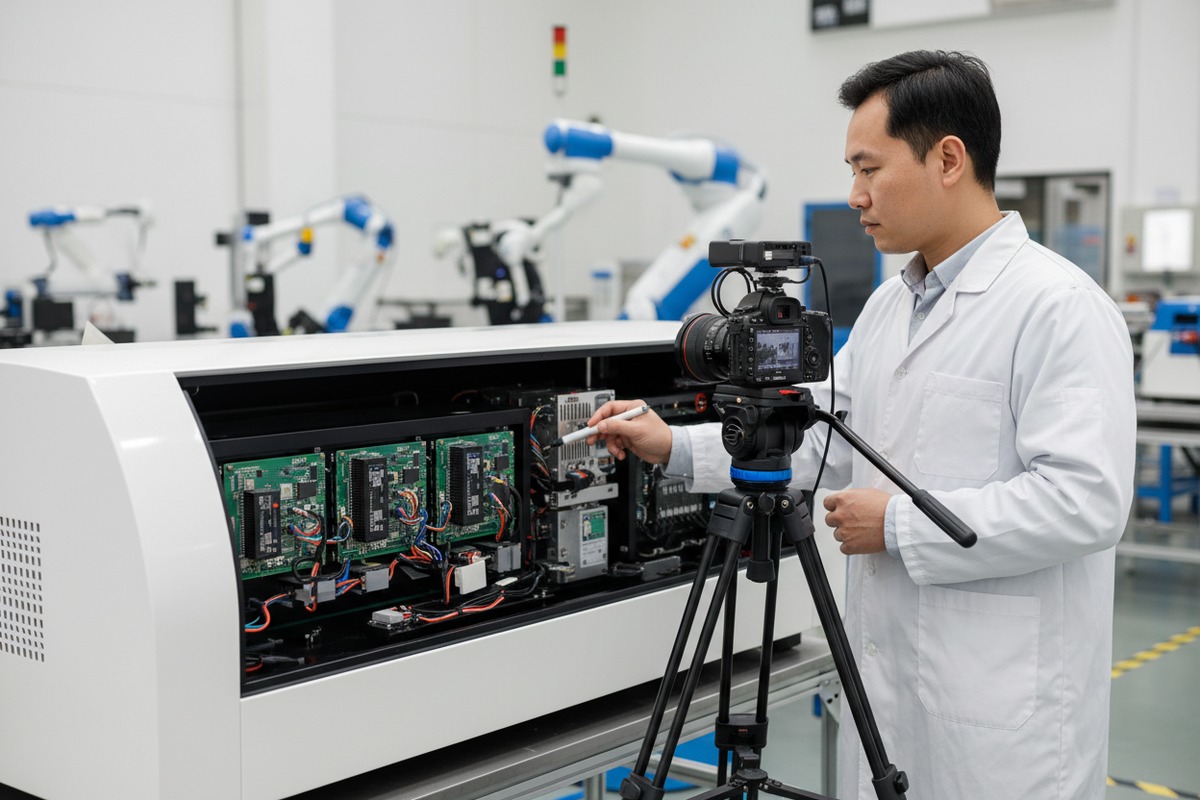
Clinical protocols 7 get all the attention during sales conversations. Maintenance training gets forgotten—until something breaks. Our service engineers spend considerable time helping clients whose original suppliers never explained basic upkeep. This gap costs clinics money and downtime.
Request a detailed maintenance training syllabus covering routine cleaning procedures, consumable replacement schedules, calibration verification steps, common error codes, and basic troubleshooting flowcharts. Confirm videos demonstrate disassembly limits, warranty-safe repairs, and when to contact technical support.
The Real Cost of Maintenance Training Gaps
When a shockwave machine displays an error code, untrained staff panic. They call support lines, wait on hold, and cancel patient appointments. Sometimes they attempt repairs that void warranties.
Proper maintenance training prevents these scenarios. It also extends equipment lifespan significantly.
Essential Maintenance Topics for Training Videos
| Maintenance Area | What Training Should Cover | Frequency |
|---|---|---|
| Applicator Care | Cleaning methods, gel residue removal, inspection points | After each use |
| Consumable Tracking | Replacement intervals, ordering procedures, inventory alerts | Weekly monitoring |
| Calibration Checks | Verification procedures, acceptable ranges, documentation | Monthly |
| Software Updates | Installation steps, backup procedures, version verification | As released |
| Error Resolution | Common codes, reset procedures, escalation triggers | As needed |
Questions That Reveal Training Quality
Ask these maintenance-specific questions:
What consumables require replacement, and do videos demonstrate the process? Shockwave machines use transmitters, applicator heads, and coupling gel. Each has replacement protocols.
Are error code explanations included? Quality training covers at least the ten most common error messages with step-by-step resolution.
Do videos show what staff should NOT attempt? Knowing repair limits prevents warranty violations and safety hazards.
Is there a preventive maintenance schedule template? Structured schedules prevent oversight.
Troubleshooting Training Structure
Effective troubleshooting videos follow logical sequences. They start with symptom identification, move through diagnostic steps, and end with resolution options.
Our technical team recommends training that addresses:
- Power and startup failures
- Pressure or energy output inconsistencies
- Display and interface malfunctions
- Connectivity issues with accessories
- Unusual sounds or vibrations
When we prepare machines for export, we include quick-reference troubleshooting guides. Video training should complement—not replace—written documentation.
What options do I have for live video support if the pre-recorded training doesn't answer all my questions?
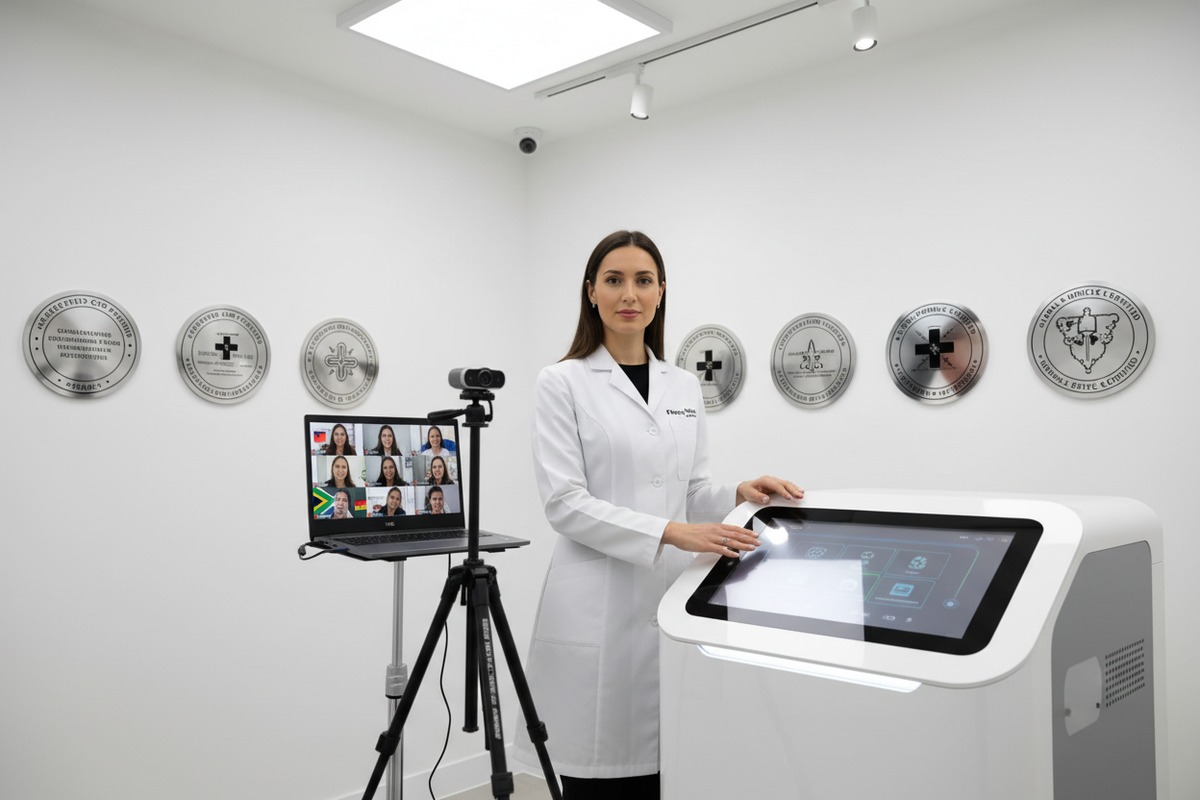
Pre-recorded videos cannot anticipate every situation. A physiotherapist treating an unusual case needs real-time guidance. A technician facing an unfamiliar error code needs immediate answers. Our support team handles these calls regularly, and the pattern is clear: clinics need live backup.
Suppliers should offer live video support through scheduled consultations, on-demand video calls with clinical specialists, screen-sharing troubleshooting sessions, and access to online communities. Clarify response time guarantees, support hours, language availability, and whether live support incurs additional fees.
Types of Live Support to Request
Different situations require different support formats. Ask suppliers which options they provide:
Scheduled one-on-one sessions work for complex protocol questions. Book time with a clinical specialist who reviews your specific cases.
On-demand video calls address urgent issues. Response time matters here—ask for guaranteed windows.
Screen-sharing technical support helps with software problems. Support staff can see exactly what you see.
Group webinars cover common questions efficiently. These often accompany product updates or new protocol releases.
Evaluating Live Support Quality
| Support Feature | Minimum Standard | Premium Standard |
|---|---|---|
| Response Time | Within 24 hours | Within 4 hours |
| Availability | Business hours (single timezone) | Extended hours (multiple timezones) |
| Specialist Access | General support staff | Certified clinical specialists |
| Languages | English only | Multiple languages |
| Cost | Included first year | Included ongoing |
| Platform | Phone/email only | Video call capability |
Questions to Ask Before Purchase
Get these answers in writing:
- What are your live support hours, and what timezone?
- Is video call support available, or only phone and email?
- Can I speak directly with clinical specialists or only general support?
- Are there limits on support requests per month?
- Does live support continue after the warranty period?
- Do you offer support in languages other than English?
Building Long-Term Support Relationships
Initial training covers the basics. Long-term success requires ongoing access to expertise. When we onboard new distribution partners, we establish support protocols early.
Consider these factors:
Staff turnover means retraining needs. Ask if live support extends to new hires.
Protocol updates emerge as research advances. Live sessions can introduce new techniques faster than re-recorded videos.
Complex cases require discussion. Shockwave therapy for unusual conditions benefits from expert consultation.
Equipment upgrades involve learning curves. Suppliers should support transitions to newer models.
The suppliers who invest in robust live support demonstrate commitment to your success beyond the initial sale. This matters when you are building a long-term business relationship.
Conclusion
Asking the right questions about video training before purchasing shockwave therapy equipment protects your investment and your patients. Verify clinical protocols, negotiate white-label options, confirm maintenance coverage, and secure live support access. These conversations separate informed buyers from those who learn expensive lessons later.
Footnotes
1. Replaced unknown HTTP status with the official ISMST website. ↩︎
2. Provides a comprehensive overview of shockwave therapy machines. ↩︎
3. Details the function and benefits of focused extracorporeal shockwave therapy machines. ↩︎
4. Outlines medical conditions that prevent the safe use of shockwave therapy. ↩︎
5. Discusses the concept and advantages of white-label video training platforms. ↩︎
6. Explains the characteristics and applications of radial pressure wave devices. ↩︎
7. Provides guidelines and indications for shockwave therapy treatment. ↩︎

 English
  Español de México
  Deutsch
  Français
  العربية
  Русский