

Low-quality fabrics and leaky air pumps in imported pressotherapy machines can ruin your reputation ILAC-MRA accreditations 1. We see these failures often during our R&D phase when testing competitor components for durability.
To arrange third-party material analysis, select a certified lab like SGS or TUV, define testing protocols for biocompatibility and durability, and coordinate with your manufacturer for on-site sampling. Use these independent reports to verify raw material quality and ensure compliance with US safety regulations.
Managing international quality standards requires a structured approach to verification Reach testing for chemicals 2. Let’s explore how to choose the right partners and set strict benchmarks.
How do I select a reputable third-party agency to verify the material quality of my pressotherapy machines?
During our years of exporting to the US, we have learned that not all inspection agencies provide the same level of detail RoHS for hazardous substances 3. Picking a weak lab leads to false security.
To select a reputable agency, prioritize global leaders like SGS, Intertek, or TUV Rheinland with local labs in China. Ensure they hold CNAS and ILAC-MRA accreditations and have specific experience testing medical-grade fabrics, electronic components, and biocompatibility for beauty equipment.

Verify Accreditations and Local Presence
When you look for a lab, check for CNAS (China National Accreditation Service) or CMA (China Inspection Body and Laboratory Mandatory Approval) certifications ISO 10993 for biocompatibility 4. These ensure the lab meets Chinese legal standards for testing. However, since you are selling in the US, the lab should also be recognized by international bodies like ILAC UL or ETL equivalents 5. Most top-tier manufacturers in Guangzhou and Shenzhen work regularly with SGS and TUV. These agencies have massive facilities in these hubs, making them convenient for on-site visits Quality Technical Agreement 6.
Industry-Specific Expertise
Pressotherapy machines are unique. They involve high-pressure air pumps, heat-sealed TPU or PU fabrics, and infrared heating elements. You need an agency that understands these specific materials. Ask the lab if they can perform "Reach" testing for chemicals and "RoHS" for electronic components. A general-purpose lab might miss the nuances of fabric tensile strength or the toxicity of certain plastics used in the air bags.
Cost vs. Credibility
Budget is always a concern, but the cheapest lab is often the most dangerous. Large agencies provide a digital verification system. This allows you to scan a QR code on the report to confirm it is not a forgery. We often suggest our clients use a "middle-ground" approach: use a global giant for the initial material analysis and smaller, specialized inspection firms for routine batch checks.
Comparison of Top Third-Party Agencies
| Agency | Global Recognition | Local Hubs in China | Best For |
|---|---|---|---|
| SGS | High | Every major city | Comprehensive chemical & material testing |
| TUV Rheinland | High | Shenzhen, Shanghai | Electrical safety and medical standards |
| Intertek | Medium/High | Guangzhou, Ningbo | Retail compliance and textiles |
| QIMA | Medium | Hong Kong, Shenzhen | On-site factory inspections and sampling |
How can I coordinate with my Chinese manufacturer to ensure seamless on-site material sampling?
When we prepare a batch for a US client, clear communication regarding sampling prevents delays. Misunderstandings between the buyer, lab, and factory often lead to missed deadlines or sample tampering.
Coordinate by including a "Third-Party Access" clause in your contract, notifying the factory seven days before the lab technician arrives. Clearly define that the inspector must pick samples randomly from the production line rather than using pre-selected "golden samples" provided by the supplier.

Establishing the Ground Rules
Your purchase agreement must state that you have the right to conduct independent testing at any time. Without this, some factories might deny the inspector access to the warehouse or the production floor. At our facility, we welcome these visits because they validate our internal quality controls. You should provide the factory with the contact details of the lab and vice versa. This allows them to schedule the visit when the goods are at least 80% finished or when the raw materials (like the TPU fabric) have just arrived.
The Importance of Random Sampling
A common mistake is allowing the manufacturer to send samples to the lab themselves. This risk is high because the factory could send a "perfect" sample that does not represent the actual bulk order. Demand "On-Site Sampling." The lab technician goes to the factory, picks units from the actual boxes, seals them with tamper-evident tape, and ships them to the lab themselves. This ensures the material tested is exactly what you are buying.
Managing Logistics and Deadlines
Sampling takes time. It usually takes 2-3 days to schedule the inspector and another 5-7 days for the lab results. Build this into your lead time. If your marketing launch is on a fixed date, start the sampling process as soon as the raw materials are procured.
Checklist for Successful On-Site Sampling
- Contract Clause: State that payment is contingent on passing third-party material analysis 7.
- Notification: Give the factory 5 to 10 days of notice before the inspection.
- Specific Instructions: Provide the inspector with a detailed list of which parts to sample (e.g., the 18-chamber suit, the air hose, the internal pump).
- Photos: Require the inspector to take photos of the production line and the sealed sample boxes.
What specific material safety standards should I prioritize to protect my brand’s reputation in the US market?
When we design our 3-in-1 pressotherapy systems, we prioritize the materials that touch the skin. US regulators and spa owners are very sensitive to chemical safety and fire hazards.
Prioritize ISO 10993 for biocompatibility, RoHS for hazardous substances in electronics, and UL or ETL equivalents for the electrical system. For 3-in-1 models, ensure the infrared heating elements meet specific wavelength and temperature safety standards to prevent skin burns.
Biocompatibility: The Skin-Contact Standard
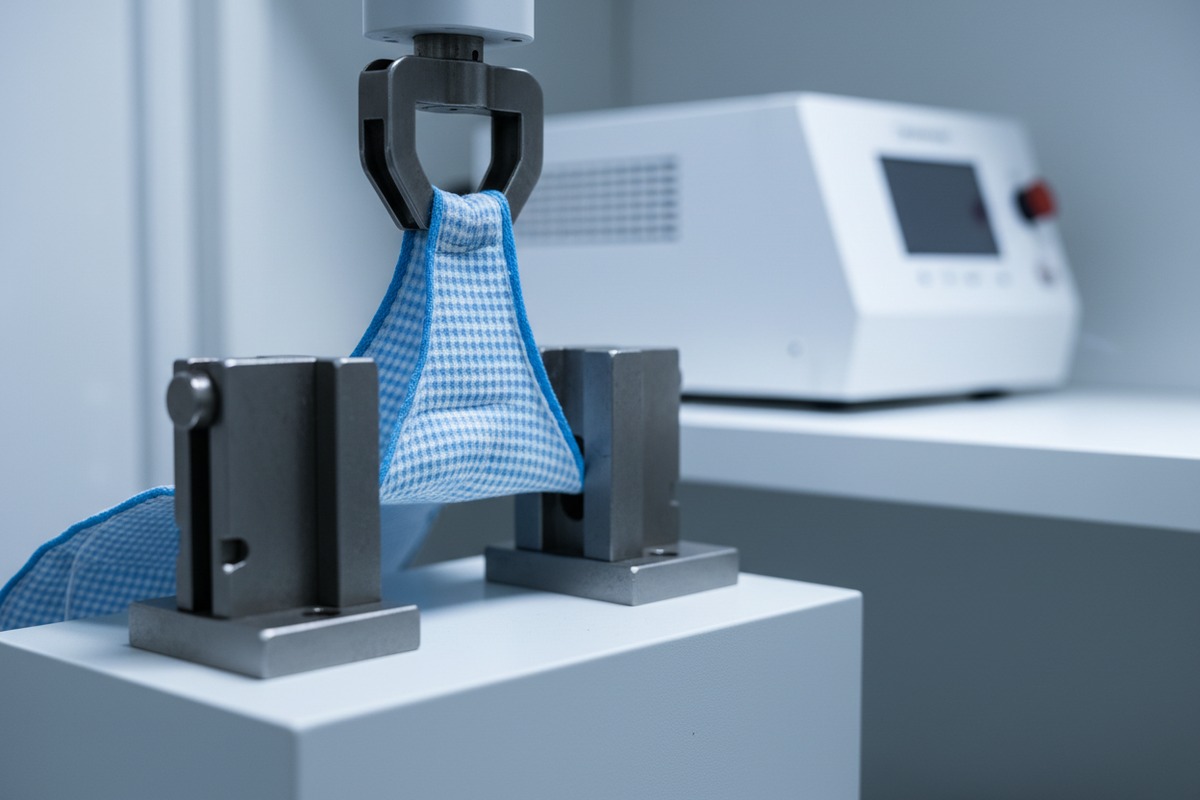
Pressotherapy involves wrapping a client in a suit for 30 to 60 minutes. If the fabric contains phthalates or lead, the heat from the infrared system can cause these chemicals to leach into the skin. ISO 10993 testing ensures the material is non-irritating and non-sensitizing. This is the most important test for protecting your brand from lawsuits in the United States.
Electrical and Fire Safety
The control unit and the internal air pump must be stable. In the US, while CE is common, having NRTL (Nationally Recognized Testing Laboratory) markings like UL or ETL is much better for insurance purposes. You should also test the "V-0" flame retardancy of the plastic casing. This ensures that if an internal component shorts out, the machine will not catch fire.
Performance Accuracy
For 3-in-1 machines (Air + Infrared + EMS), the material of the heating element matters. Low-cost carbon fiber heaters can have "hot spots" that exceed 80°C, causing injuries. Verification should confirm that the temperature remains within the advertised range (usually 35-75°C) and that the air pressure (mmHg) matches the digital display.
Critical Standards for Pressotherapy Machines
| Standard | Focus Area | Why It Matters for US Brands |
|---|---|---|
| ISO 10993 | Biocompatibility | Prevents skin rashes and allergic reactions from the suit. |
| RoHS | Chemical Content | Ensures no lead or mercury in the circuit boards. |
| FCC Part 15 | Electromagnetic | Prevents the machine from interfering with other salon gear. |
| California Prop 65 | Toxins | Essential for selling in CA to avoid heavy fines for chemicals. |
How do I use independent analysis reports to hold my supplier accountable for material consistency?
In our production line, we use these reports as a benchmark for every subsequent batch. If a buyer doesn't have a baseline report, they have no leverage when the quality drops.
Use the report to create a "Quality Technical Agreement" (QTA) that attaches to your purchase order. If a subsequent batch fails to meet the specific chemical or physical benchmarks set in the initial analysis, the supplier is contractually obligated to provide a refund or replacement.

Creating a Baseline for Every Order
The first material analysis you perform is your "Master Standard." It records the exact density of the PU leather, the thickness of the TPU air bags, and the chemical composition of the plastic casing. When you place a repeat order, tell the supplier you will perform a "Spot Check" material analysis. If the results differ significantly from the Master Standard, it proves the factory changed the raw materials to save money.
Integration with Payment Terms
Link your payment milestones to the lab results. For example, you can hold the final 30% of the payment until the third-party lab confirms the materials in the bulk shipment match the approved samples. This gives the manufacturer a strong financial incentive to maintain consistency. We often tell our clients that a small investment in testing saves thousands in returned or defective goods.
Addressing Non-Compliance
If the report shows a failure—such as a higher concentration of heavy metals than allowed—do not accept "verbal promises" of improvement. Demand a Root Cause Analysis (RCA) from the factory. They must explain which sub-supplier provided the bad material and how they will fix it. Use the lab report as objective evidence so the supplier cannot argue that your quality expectations are "too high."
Comparison: Self-Certification vs. Independent Analysis
| Feature | Manufacturer Self-Test | Independent Lab Analysis |
|---|---|---|
| Objectivity | Low (Conflict of Interest) | High (Unbiased) |
| Legal Weight | Minimal in US Courts | High for Liability Protection |
| Detailed Data | Often Summarized | Full Chemical/Physical Breakdown |
| Verification | Difficult to confirm | Via Online Portal/Tracking |
Conclusion
Securing your supply chain through third-party analysis transforms a risky import into a stable business. By selecting accredited labs, demanding on-site sampling, and prioritizing US safety standards, you protect your brand and ensure long-term customer satisfaction.
Footnotes
1. Details the international mutual recognition arrangement for accredited laboratories. ↩︎
2. Explains the EU REACH regulation for chemical reporting and testing in the supply chain. ↩︎
3. Provides a comprehensive guide to the Restriction of Hazardous Substances (RoHS) directive. ↩︎
4. Explains the series of standards for evaluating medical device biocompatibility. ↩︎
5. Describes the ETL Mark as proof of product compliance to North American safety standards. ↩︎
6. Defines Quality Technical Agreements and outlines their importance in regulatory compliance. ↩︎
7. Explains the definition and importance of independent material evaluation. ↩︎

 English
  Español de México
  Deutsch
  Français
  العربية
  Русский