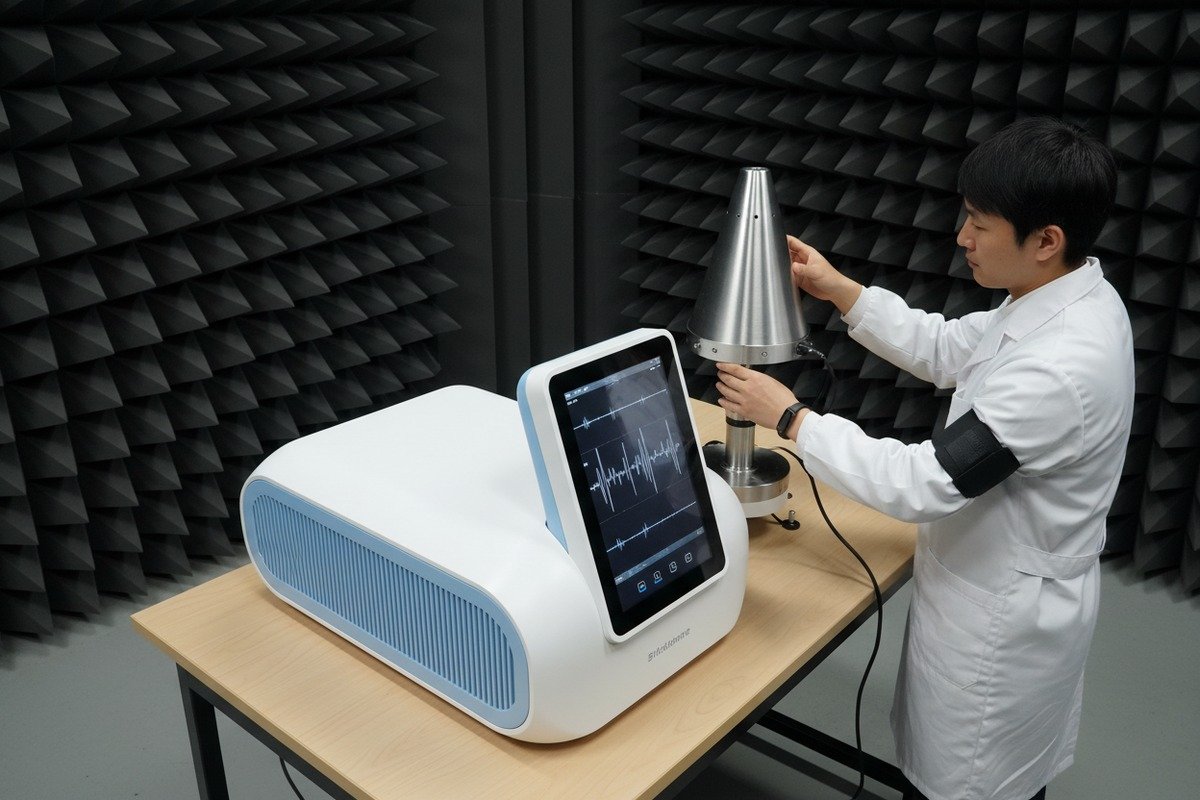
When our engineering team designs a new shockwave therapy machine 1, one question always comes up early in the process: will this device pass EMC testing 2? Many buyers assume these machines can simply be imported and sold without proper electromagnetic compatibility verification. This mistake can lead to rejected shipments, regulatory fines, and unsafe products reaching your customers’ salons.
Yes, EMC testing is mandatory for shockwave therapy machines. These devices are classified as active medical-electrical equipment and must comply with IEC 60601-1-2 standards. Without verified EMC conformity, you risk electromagnetic interference, regulatory rejection, product recalls, and serious safety hazards in clinical environments.
Understanding EMC requirements is not optional for anyone sourcing shockwave therapy equipment from China. Let me walk you through everything you need to know to protect your business and your customers.
How do EMC testing requirements affect my ability to import shockwave machines into the US and Canada?
Our export department handles shipments to North America every week. We have seen containers held at customs and products rejected at the border because buyers did not understand EMC documentation requirements. This creates delays, costs, and frustrated customers.
EMC testing directly determines your market access in the US and Canada. The FDA requires EMC compliance data as part of 510(k) submissions, while Health Canada demands similar documentation. Without proper test reports from accredited laboratories, your shockwave machines cannot legally enter these markets.

Understanding FDA Requirements for EMC Compliance
The FDA classifies shockwave therapy machines as Class II medical devices. This classification requires a 510(k) premarket notification 3 before you can legally sell the product in the United States. EMC testing data is a core component of this submission.
Your 510(k) package must include performance data demonstrating electromagnetic compatibility and electrical safety. The FDA reviewers will examine your test reports carefully. They check that testing was performed to the correct standard edition and that the device configuration matches your commercial product.
Health Canada's Parallel Requirements
Health Canada 4 operates under similar principles. Medical devices must demonstrate safety and effectiveness before market entry. EMC compliance is considered part of basic safety requirements.
The Medical Device Regulations require manufacturers to maintain evidence of conformity to recognized standards. IEC 60601-1-2 is the accepted standard for electromagnetic compatibility of medical electrical equipment.
Key Documentation for Border Clearance
| Document Type | US Requirement | Canada Requirement |
|---|---|---|
| EMC Test Report | Required for 510(k) | Required for device license |
| Lab Accreditation Certificate | ISO/IEC 17025 scope verification | ISO/IEC 17025 scope verification |
| Declaration of Conformity | Manufacturer declaration | Manufacturer declaration |
| Technical File | Complete technical documentation | Complete technical documentation |
| CB Certificate | Accepted as supporting evidence | Accepted as supporting evidence |
What Happens Without Proper EMC Documentation
When our customers skip EMC verification, they face serious consequences. Customs authorities can detain shipments indefinitely. The FDA can issue import alerts that affect all future shipments from the same manufacturer.
In our experience exporting to North America, we have seen buyers lose entire container loads because their supplier provided test reports that did not match the actual product configuration. The firmware version was different. The accessories were not included in testing. These details matter.
One common mistake involves test reports from non-accredited laboratories. The report looks official, but the testing facility lacks ISO/IEC 17025 accreditation 5 with proper scope for medical device EMC testing. Border authorities and regulatory reviewers know how to spot these issues.
Will a lack of EMC compliance lead to interference or safety issues in my customers' salons?
When we test our shockwave machines in realistic clinic environments, we observe how electromagnetic interference 7 affects both our devices and nearby equipment. The risks are real and documented. Your customers depend on you to provide equipment that works safely alongside their other devices.
Yes, EMC non-compliance creates genuine interference and safety risks in salon environments. Shockwave therapy machines emit electromagnetic energy that can disrupt nearby electronic equipment. Conversely, external interference can cause your device to malfunction during treatment, potentially harming patients or delivering inconsistent therapy.

How Electromagnetic Interference Manifests in Clinical Settings
Shockwave therapy devices generate high-energy pulses. These pulses create electromagnetic fields that radiate outward from the device. Without proper shielding and filtering, these emissions can interfere with other sensitive equipment.
Modern salons contain multiple electronic devices. Computer systems, payment terminals, other therapy machines, and wireless networks all operate simultaneously. A shockwave machine with poor EMC design can disrupt any of these systems.
Emissions vs. Immunity Testing
EMC testing covers two distinct requirements. Understanding both helps you appreciate what proper testing protects against. Emissions vs. Immunity Testing 8
| EMC Category | What It Tests | Real-World Impact |
|---|---|---|
| Emissions | Electromagnetic energy the device radiates | Prevents your machine from disrupting nearby equipment |
| Immunity | Device resistance to external interference | Ensures your machine operates correctly despite environmental EMI |
Documented Interference Scenarios
FDA guidance documents describe specific interference scenarios for shockwave therapy systems. When interference occurs, the device may display erratic behavior. Treatment parameters may fluctuate. The device may shut down unexpectedly during patient treatment.
Our quality team has investigated cases where shockwave machines caused flickering in nearby LED displays. We have seen devices that disrupted Bluetooth connections in the treatment room. These issues trace back to insufficient EMC design and inadequate emissions control.
Immunity Failures in Practice
Immunity problems work in the opposite direction. External electromagnetic sources affect your device's operation. Common interference sources include:
- Nearby radio transmitters
- Wi-Fi routers
- Mobile phones used by staff or patients
- Other medical or aesthetic equipment
- Electrosurgical devices in adjacent rooms
When our engineers design shockwave therapy machines, they must ensure the device continues operating correctly when exposed to these interference sources. Testing validates this immunity at defined levels specified in IEC 60601-1-2.
Patient Safety Implications
The safety implications extend beyond equipment malfunctions. If a shockwave device delivers inconsistent energy due to EMI-induced errors, patients may receive ineffective treatment. Worse, they could receive excessive energy that causes tissue damage.
Professional users trust that the device displays accurate information and delivers consistent therapy. EMC compliance is foundational to this trust.
How can I verify that my Chinese manufacturer's EMC test reports meet international standards?
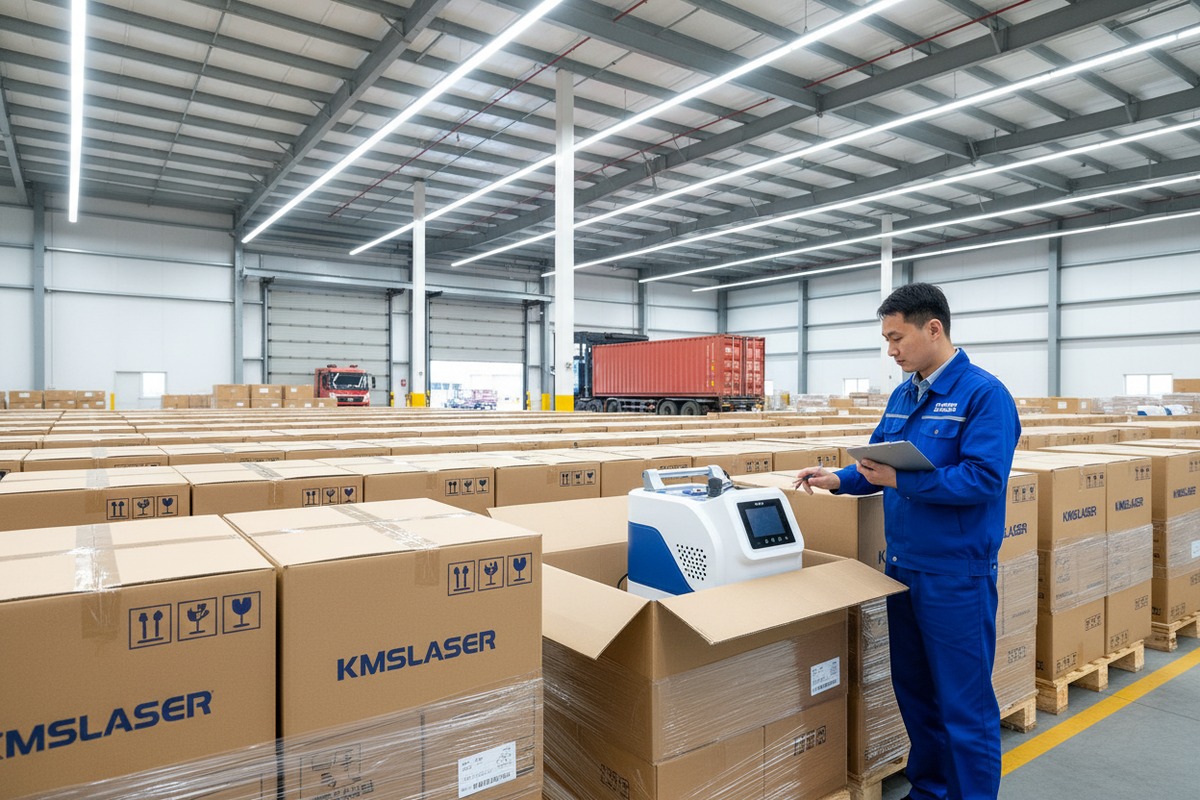
Our clients often receive EMC test reports from potential suppliers and ask us to evaluate them. We have seen every type of problem: reports for wrong models, outdated standard editions, non-accredited laboratories, and missing test configurations. Learning to verify these documents protects your investment.
Verify EMC reports by checking five critical elements: laboratory ISO/IEC 17025 accreditation with medical device scope, correct standard edition (IEC 60601-1-2 Ed. 4.x), matching model and firmware versions, complete test configurations including all accessories, and performance classification results showing compliance margins.
Step-by-Step Verification Process
Start with the laboratory credentials. Every legitimate EMC test report identifies the testing facility. Look for the laboratory's ISO/IEC 17025 accreditation number. Then verify this accreditation is current and includes medical device EMC testing in its scope.
Many laboratories hold ISO/IEC 17025 accreditation but only for consumer electronics or industrial equipment. Medical device EMC testing requires specific equipment, expertise, and accreditation scope. Contact the accreditation body directly if you have doubts.
Critical Report Elements to Examine
| Verification Item | What to Check | Red Flags |
|---|---|---|
| Laboratory Accreditation | ISO/IEC 17025 certificate with medical EMC scope | No accreditation number, expired certificate, wrong scope |
| Standard Edition | IEC 60601-1-2:2014 (Ed. 4.0) or later | Testing to older editions (Ed. 2 or Ed. 3) |
| Device Identification | Model number, serial number, firmware version | Vague descriptions, missing firmware details |
| Test Configuration | Accessories, cable lengths, operational modes | Incomplete setup, missing accessories |
| Environment Classification | Professional healthcare or home healthcare | Wrong environment for your intended use |
| Performance Results | Compliance margins for emissions and immunity | Borderline results, missing test data |
Understanding Standard Editions
The current standard for medical device EMC is IEC 60601-1-2:2014 (Edition 4.0), with updates through Amendment 1:2020. This edition introduced stricter requirements compared to earlier versions, particularly for immunity testing.
When our manufacturing team prepares devices for testing, we configure them for worst-case scenarios. Maximum energy settings, highest frequency operation, all accessories attached, and cables at prescribed lengths. This approach ensures the test report covers your actual use cases.
Matching Reports to Products
The most common verification failure involves model mismatches. Your supplier provides a test report, but the tested unit differs from what you receive. Hardware revisions, firmware updates, and accessory changes can invalidate previous test results.
Request the exact model number, hardware revision, and firmware version of the tested unit. Compare these to your purchase specification. Any differences require explanation and potentially delta testing.
Third-Party Certification Marks
Look for certification marks that reference the EMC test report. CB certificates from the IECEE CB Scheme provide international recognition. National certifications from organizations like UL, TÜV, or Intertek add credibility when they reference the same underlying test data.
Our quality management system maintains traceability between test reports and production units. We can demonstrate that devices shipped to customers match the configurations that passed EMC testing. This documentation becomes essential if questions arise during regulatory review or customer complaints.
When to Request Re-Testing
If your supplier has modified the product since EMC testing, request documentation of the changes. Engineering change orders should explain what was modified and why. Significant changes require re-testing or formal delta assessment by the original laboratory.
What are the legal and financial risks if my private-label shockwave machines fail EMC compliance?
When we discuss compliance with buyers, financial risk assessment usually drives the conversation. Our experience shows that EMC failures create cascading problems that extend far beyond the initial product cost. Understanding these risks helps you make informed sourcing decisions.
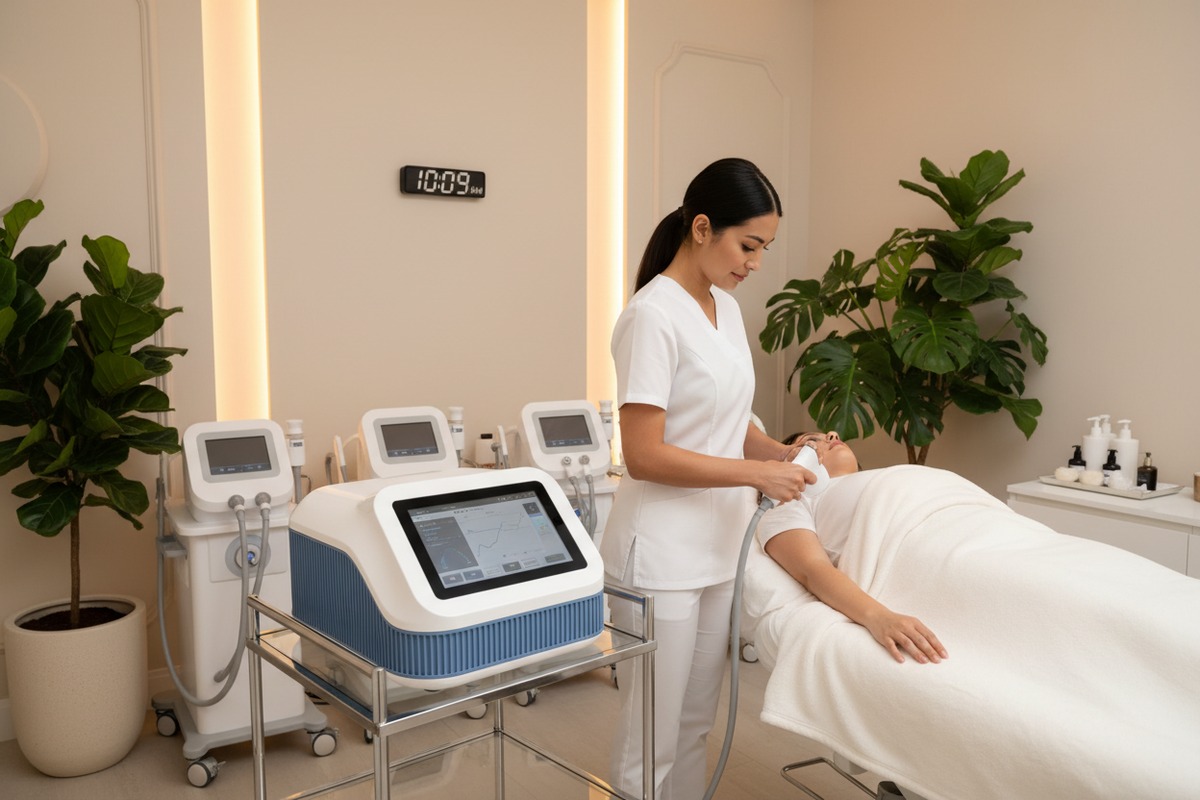
Non-compliant shockwave machines expose your business to regulatory enforcement actions, product recalls, import bans, civil liability for injuries, and reputational damage. Financial impacts include recall costs, legal fees, regulatory fines, lost inventory, and potential exclusion from future market access. These consequences can threaten business survival.
Regulatory Enforcement Actions
The FDA takes EMC compliance seriously. Enforcement actions for non-compliant medical devices include warning letters, import alerts, seizures, and injunctions. These actions become public record and damage your business reputation.
Import alerts are particularly damaging. Once the FDA places your products on import alert, all future shipments face automatic detention. You must demonstrate compliance before any products clear customs. This process takes months and requires substantial documentation.
Financial Impact Categories
| Risk Category | Potential Costs | Timeline Impact |
|---|---|---|
| Product Recall | $50,000 – $500,000+ per recall event | 3-12 months to resolve |
| Regulatory Fines | $10,000 – $1,000,000+ depending on severity | Immediate to ongoing |
| Legal Defense | $100,000 – $1,000,000+ for litigation | 1-5 years |
| Lost Inventory | Full product cost plus disposal fees | Immediate |
| Business Interruption | Revenue loss during compliance resolution | 6-24 months |
| Insurance Premium Increases | 20-100% increase in product liability premiums | Ongoing |
Product Liability Exposure
If a non-compliant shockwave machine causes patient injury, your company faces product liability claims 9. Plaintiffs' attorneys routinely investigate regulatory compliance as part of their case development. Missing or inadequate EMC testing becomes evidence of negligence.
Our legal advisors tell us that proper documentation is the best defense. Maintaining comprehensive compliance records, including EMC test reports, laboratory accreditations, and supplier certifications, demonstrates due diligence. This documentation can mean the difference between successful defense and devastating judgment.
Recall Logistics and Costs
Product recalls involve more than returning defective units. You must notify all customers, arrange return logistics, provide replacements or refunds, and report extensively to regulatory authorities. Each step generates costs.
Direct recall costs include shipping, replacement units, customer communication, and regulatory reporting. Indirect costs include staff time diverted from normal operations, lost sales during the recall period, and damaged customer relationships.
Reputational Damage Assessment
In the beauty equipment industry, reputation travels fast. Distributors share information about supplier problems. A recall or enforcement action becomes known throughout your market segment within weeks.
Rebuilding reputation takes years. Some businesses never fully recover from public compliance failures. When we work with new customers, they often mention competitors' compliance problems as reasons for seeking alternative suppliers.
Insurance and Contractual Implications
Product liability insurance policies typically require compliance with applicable regulations. Non-compliance can void coverage precisely when you need it most. Read your policy carefully and maintain documentation demonstrating ongoing compliance efforts.
Distribution agreements often include compliance warranties. If your products fail EMC requirements, you may face breach of contract claims from your downstream customers in addition to regulatory and liability exposure.
Conclusion
EMC testing is not optional when sourcing shockwave therapy machines. From market access to patient safety to financial risk management, compliance touches every aspect of your business. Work with suppliers who understand these requirements and maintain proper documentation. Your customers and your business depend on it.
Footnotes
1. Replaced 404 link with a Wikipedia page providing a general overview of extracorporeal shockwave therapy. ↩︎
2. Defines electromagnetic compatibility testing and its purpose for electronic devices. ↩︎
3. Official FDA information on the 510(k) premarket notification process. ↩︎
4. Explains Health Canada’s regulatory framework for medical devices. ↩︎
5. Replaced 404 FDA link with an authoritative page on ISO/IEC 17025 accreditation from ANAB. ↩︎
6. Official source for the international standard for medical electrical equipment EMC. ↩︎
7. Explains electromagnetic interference and its impact on medical devices. ↩︎
8. Differentiates between emissions and immunity testing in electromagnetic compatibility. ↩︎
9. Replaced 403 link with a legal firm’s page explaining product liability claims, including medical devices. ↩︎

 English
  Español de México
  Deutsch
  Français
  العربية
  Русский