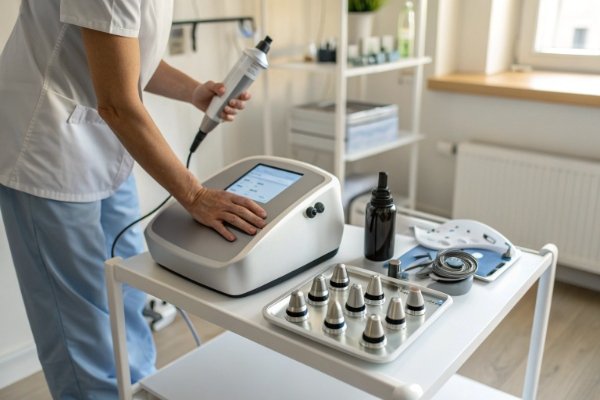
When I first began exporting shockwave machines, many buyers were surprised to learn that one machine could handle several applicator heads. They assumed each device treated only one type of condition—but that’s far from true.
Yes, all professional shockwave therapy machines support interchangeable applicator or transmitter heads. These replaceable heads allow clinicians to adjust treatment depth, focus size, and patient comfort based on the body area and clinical indication. The ability to switch heads makes a single machine versatile enough for dozens of different treatment types.
Every machine we build includes a quick-release system, so practitioners can swap applicator heads within seconds during a session.
How Do Interchangeable Heads Enhance the Flexibility of Shockwave Treatments?
I remember visiting one of our client clinics in Toronto. The therapist switched between a 6 mm and a 35 mm applicator in the same session—treating both a tight shoulder muscle and a chronic Achilles tendon.
Interchangeable heads give practitioners flexibility to target different tissues by changing the energy concentration and treatment area—small heads focus energy deeply, while larger heads spread energy more broadly for surface-level or muscular treatments.
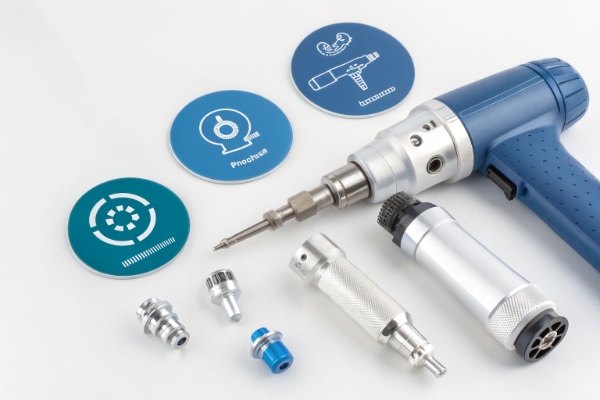
Key Benefits of Interchangeable Heads
| Function | Description | Clinical Benefit |
|---|---|---|
| Precision Targeting | Smaller heads deliver focused, high-intensity energy | Ideal for tendons and trigger points |
| Coverage Expansion | Larger heads treat wide muscle regions | Speeds up treatment of large muscles |
| Comfort Adjustment | Soft or silicone heads reduce discomfort | Great for sensitive or bony areas |
| Quick Adaptation | Swap heads in seconds | Increases treatment efficiency |
My Experience
Clinics using multi-head systems report 20–30% faster treatment times and fewer complaints about discomfort. That’s why we always recommend including a full applicator set for new installations—it dramatically increases clinical flexibility.
What Types of Heads (Diameter, Shape, Treatment Area) Are Commonly Offered by Manufacturers?
Over the years, I’ve seen how different head designs evolved—from basic metal tips to specialized shapes for precision therapy.
Common applicator heads range from 6 mm to 35 mm in diameter and include flat, concave, and soft-tipped designs. Each head type is optimized for a specific body region or therapeutic purpose.
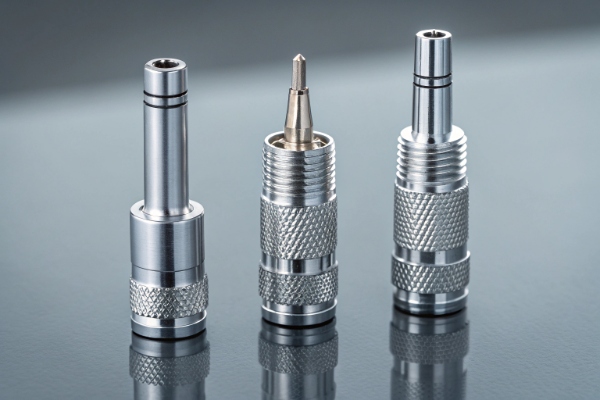
Typical Applicator Options
| Applicator Type | Diameter | Material | Energy Level | Common Use |
|---|---|---|---|---|
| Ø6 mm (Steel) | 6 mm | Metal | Low | Acupuncture points, small joints |
| Ø10 mm (Standard) | 10 mm | Aluminum | Medium | Trigger points, tendinopathies |
| Ø15 mm (Standard R15) | 15 mm | Stainless steel | Medium | General tendon therapy |
| Ø15 mm (DI15 Gold Tip) | 15 mm | Titanium/Gold | High | Deep chronic conditions |
| Ø15 mm (F15 Soft Tip) | 15 mm | Silicone | Low | Sensitive areas, TMJ |
| Ø20–25 mm (Flat) | 20–25 mm | Metal | Medium | Myofascial release, thighs |
| Ø35 mm (Large Area) | 35 mm | Aluminum | Medium | Broad muscle groups, glutes |
| Concave Ro40 | 20–35 mm | Steel | Variable | Deep-seated lesions |
| Soft Silicone | Variable | Silicone | Low | Facial and post-surgery areas |
Manufacturer Practice
Most radial devices come with 3–5 standard heads. For OEM orders, we also produce optional specialty heads such as ceramic applicators 1, gold-plated, or logo-engraved models. These details help distributors differentiate their product lines in competitive markets.
How Should a Buyer Verify Compatibility, Ease of Exchange, and Inventory of Spare Heads?
Buyers sometimes overlook this step, and it often leads to trouble later—especially when ordering from multiple suppliers.
Before purchasing, buyers should confirm that applicator heads use a standard connection type, can be swapped without tools, and are readily available as spare parts.

Buyer Verification Checklist
| Item | What to Check | Why It Matters |
|---|---|---|
| Connection Type | Screw-on or quick-lock mechanisms 2 | Ensures easy interchangeability |
| Material & Diameter | Matches energy calibration 3 of the device | Prevents power loss |
| Spare Parts Availability | Replacement kits and inventory stock 4 | Avoids clinic downtime |
| Ease of Cleaning | Smooth design for sterilization standards 5 | Maintains hygiene |
| Packaging | Each head labeled by size/type | Simplifies logistics |
OEM Tip
When clients order private-label versions from us, we mark each applicator head with laser engraving (size + material). This makes post-sale maintenance and spare-part management easier for distributors worldwide.
Do Different Applicator Heads Impact Warranty or Maintenance Terms?
A question I often get from distributors is whether using non-original applicator heads affects warranty coverage. It’s a valid concern.
Yes, using non-certified applicator heads can void parts of the warranty if the damage results from material incompatibility or poor fitting. High-quality manufacturers test their original applicators for mechanical stability and acoustic consistency, so mismatched parts may cause uneven wear or pressure loss.
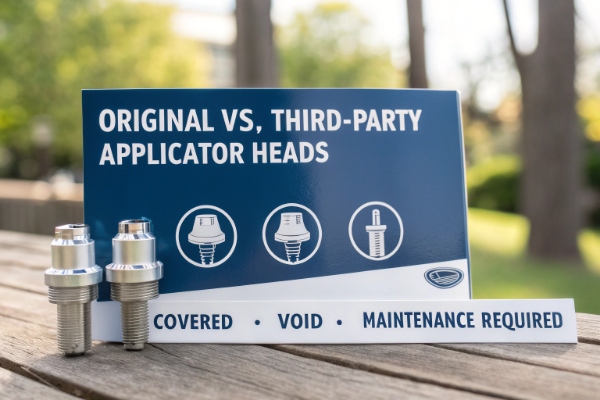
Warranty & Maintenance Guidelines
| Aspect | Manufacturer Policy | Buyer Action |
|---|---|---|
| Original Accessories | Covered under full warranty | Always use certified heads |
| Third-party Applicators | Coverage void if damage occurs | Verify compatibility before use |
| Cleaning and Maintenance | Follow service manuals 6 | Required for warranty validity |
| Replacement Interval | After ~500,000–1,000,000 shocks | Plan regular revisions |
| Warranty Period | 12–24 months typical | Extendable for OEM partners |
Our Policy
At our facility, we offer 12 months of warranty on all applicator heads and guarantee spare part supply for at least 5 years. Each batch is inspected for material hardness 7 and energy transmission uniformity before shipping.
Conclusion
Interchangeable applicator heads make shockwave therapy systems more versatile, precise, and efficient. As a manufacturer, I always remind clients: the right applicator head transforms one machine into a complete treatment system—capable of addressing everything from muscle tension to chronic tendon injuries.
For professionals, reviewing device compatibility standards 8 and OEM customization options 9 ensures long-term reliability and spare-part support.
More details on applicator engineering design 10 can guide importers choosing durable systems.
Footnotes
1. Overview of ceramic and specialty shockwave applicators. ↩︎
2. Explanation of quick-lock and screw-on connection types. ↩︎
3. Details on energy calibration for different applicator sizes. ↩︎
4. Guide to managing spare parts and maintenance inventory. ↩︎
5. ISO sterilization standards for medical equipment. ↩︎
6. Maintenance practices for warranty protection. ↩︎
7. Reference on testing material hardness in medical components. ↩︎
8. EU MDR standards for medical device compatibility. ↩︎
9. Information on OEM customization of shockwave devices. ↩︎
10. Technical explanation of shockwave applicator engineering. ↩︎

 English
  Español de México
  Deutsch
  Français
  العربية
  Русский