
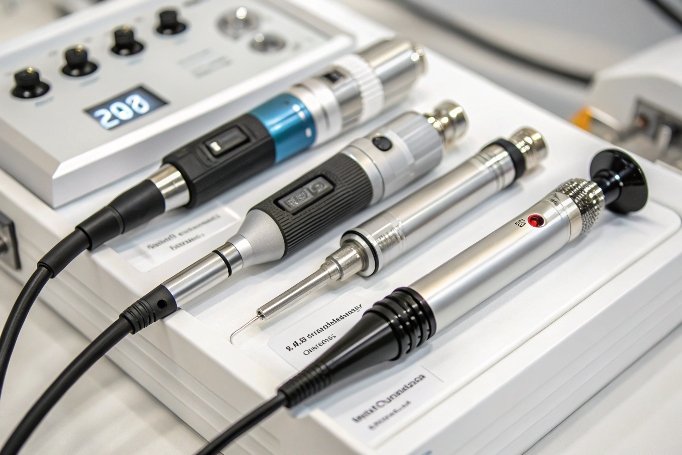
I see upgrades save clinics money, protect uptime, and extend a machine’s useful life when done with a clear roadmap.
Most suppliers do not promise automatic, regular equipment upgrades after import. Instead, they provide optional upgrade paths—software releases, handpiece revisions, transmitter sets, or trade-in offers—based on model, region, and contract.
Well-planned upgrade paths reduce total cost of ownership. Clear terms, predictable lead times, and simple installation keep treatment rooms running while features improve over time.
How often are upgrades released?
I plan upgrade windows during off-peak seasons so customers do not lose billable hours.
Upgrade cadence is not fixed across the industry. Software updates may appear one to two times per year; hardware refreshes arrive as needed, usually every 12–36 months. Frequency depends on the platform’s maturity, installed base, and regulatory changes.
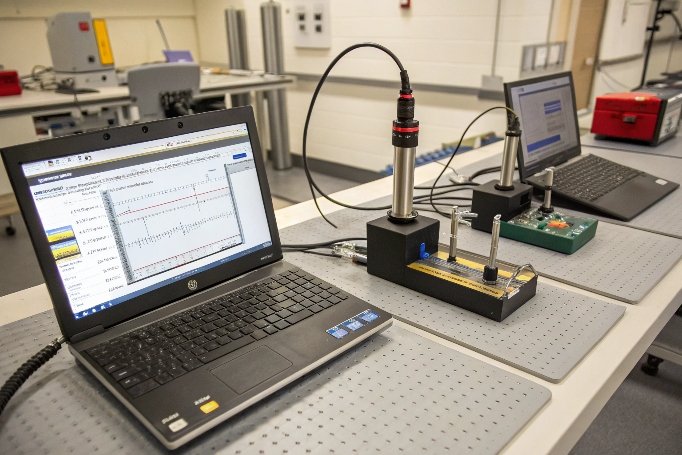
Release timing varies because shockwave systems mix mechanics, electronics, and firmware. For software, aligning change control with IEC 62304 medical device software lifecycle 1 keeps updates auditable. Public-facing release notes with semantic versioning 2 help clinics track what changed and when. Hardware revisions require longer cycles for validation and supply chain planning and should respect FDA design controls 3. Typical examples include stronger projectiles, improved sleeves, lower-noise bearings, or redesigned cooling.
Clinics should align internal calendars with supplier release habits. A practical rhythm is to evaluate firmware twice a year and assess hardware once per year. Sites can bundle upgrades with scheduled preventive maintenance programs 4. This consolidates downtime, lets teams verify output stability, and keeps documentation tidy. Groups with multiple locations can pilot upgrades in one site first, then roll out systemwide after a two-to-four-week proof period.
Typical upgrade rhythm by category
| Category | Expected cadence | Typical changes | Notes |
|---|---|---|---|
| Firmware / software | 6–12 months | New presets, UI tweaks, logs | Low disruption, quick roll-back |
| Handpiece revision | 12–24 months | Bearings, sleeves, projectile | Requires run-in and lubrication |
| Transmitter sets | 12–36 months | New heads for fascia, periosteal | Adds indications and comfort |
| Base hardware options | 18–36 months | Compressor, filtration, PSU | Plan for brief acceptance tests |
Are upgrades free or paid services?
I tell buyers to lock in basics at purchase and keep “nice-to-have” features in optional bundles.
Software updates that fix bugs or improve stability are often free within warranty. Feature-adding firmware and most hardware upgrades are paid. Many suppliers offer discounted bundles or credits if clinics adopt a service plan or trade-in program.

Pricing reflects development and logistics. Maintenance releases that resolve defects are usually included in the device warranty. Optional content—new protocol libraries, specialty modes, or language packs—may use license keys tied to the device serial number and tracked in a product lifecycle management (PLM) system 5. Hardware add-ons incur parts, freight, and sometimes installation fees. Distributors often negotiate “upgrade credits” at the first purchase, which clinics can use later for a module or a handpiece refresh. Trade-in programs reduce the net cost when moving to a higher model.
Procurement teams should request a written upgrade schedule, an itemized price list, and clear rules for eligibility. It helps to separate “safety/quality” updates (no-cost) from “feature” updates (paid). Clinics can then set budget lines per quarter and avoid surprise expenses. Service contracts that bundle software, loaner handpieces, and priority parts often deliver better value than ad-hoc orders, because they compress downtime and cut shipping cycles.
Example commercial models for upgrades
| Model | What is included | Clinic impact | When to choose |
|---|---|---|---|
| Warranty-only | Bug fixes, basic support | Lowest cost, variable timing | Small sites, low utilization |
| Software care plan | All firmware + phone support | Predictable features, fast fix | Protocol-driven clinics |
| Hardware refresh pack | Annual handpiece + sleeves | Stable output, fewer repairs | High-volume radial users |
| Trade-in / step-up | Credit toward new base | Big jump in capability | When ROI beats refurb cost |
Do upgrades improve energy efficiency?
I ship many handpiece revisions because small mechanical gains become big savings over millions of pulses.
Yes, well-designed upgrades can improve energy efficiency. Software can refine ramp profiles and idle logic; hardware can reduce friction, leakage, and heat. Gains appear as lower compressor duty, cooler handpieces, steadier output, and fewer false alarms.
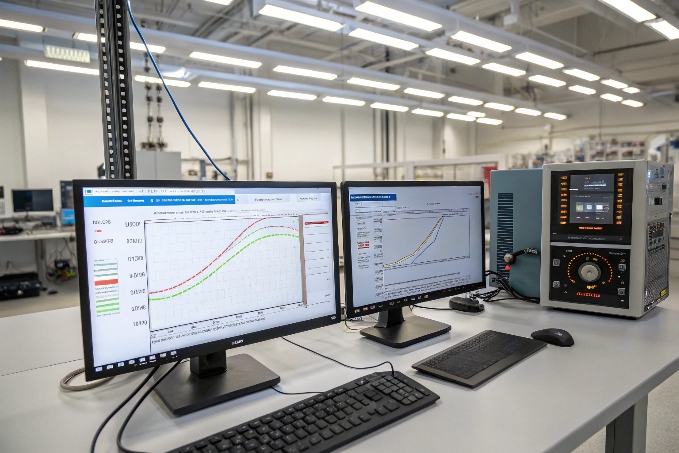
Energy efficiency in shockwave systems is not only about watt-hours. It is also about how much air, heat, and vibration the device wastes during a session. Firmware can shape pulses, trim idle states, and prevent over-drive at low therapeutic settings. Mechanical updates may introduce low-friction sleeves, balanced projectiles, and tighter seals. These reduce required pressure at the source and stabilize real output at the applicator. For pneumatic platforms, following compressed air system efficiency best practices 6 and cleaner air per ISO 8573 quality classes 7 can further lower wear and noise.
Clinics see efficiency as a set of practical outcomes: shorter warm-up, quieter operation, and lower component wear. These outcomes reduce rework and extend intervals between rebuilds. The clearest cost savings come from fewer handpiece overhauls, longer seal life, and reduced compressor maintenance. A short acceptance test—comparing baseline and post-upgrade duty cycles at the same clinical protocol—verifies the gain and creates a useful benchmark for future checks.
How efficiency upgrades show up in practice
| Upgrade type | Efficiency mechanism | Observable effect | Simple verification |
|---|---|---|---|
| Firmware pulse shaping | Less wasted energy | Lower pressure for same output | Log pressure vs. energy level |
| Improved sleeves / bearings | Lower friction | Cooler handpiece at 15–30 min | IR temp at identical settings |
| Seal / O-ring materials | Reduced leakage | Stable pressure across session | Pressure drop test over 10 min |
| Compressor filtration | Drier, cleaner air | Fewer stalls and alarms | Moisture trap inspection |
Are upgrades available globally?
I prepare region-specific kits and documents because global support depends on inventory, plugs, and paperwork.
Most upgrades are available globally, but availability depends on regional certifications, distributor stock, power standards, and shipping rules. Software updates travel fastest; hardware requires local inventory, correct plugs, and clear customs documents.

Geography sets practical constraints. A license file or firmware package moves instantly, so sites outside major markets get software at the same time as domestic clinics. Hardware follows regional pipelines. Distributors stock wear parts and common modules; factories ship rarer items against purchase orders. Some upgrades need local conformity documents or additions to the technical file; in the EU, changes can trigger field safety corrective actions (FSCAs) or documentation updates 8. For logistics, align paperwork with HS codes 9 and responsibilities under Incoterms® 2020 10.
Clear instructions remove friction. The supplier should provide part numbers, HS codes, and installation PDFs in the clinic’s working language. A small “acceptance test” checklist lets local teams validate the upgrade without waiting for an on-site visit. For high-duty clinics, a local spare kit reduces downtime if a hardware upgrade fails early. Multi-site groups can standardize kits across borders by using the same transmitter families and license bundles.
Global availability playbook (use before placing an order)
| Topic | What to confirm | Why it matters |
|---|---|---|
| Certification status | Whether the upgrade sits under the device’s existing approval | Avoids compliance gaps |
| Voltage / plug | Correct mains label, cord set, fuses | Fast, safe install |
| Stock location | Factory vs. distributor inventory | Lead-time planning |
| Shipping mode | Courier vs. sea consolidation | Cost vs. speed |
| Documentation | Part numbers, HS codes, guides | Smooth customs + install |
Conclusion
Upgrades are optional and strategic. Clinics get the best value by planning a cadence, separating free fixes from paid features, targeting efficiency gains, and confirming global logistics before purchase.
Footnotes
1. IEC 62304: software lifecycle processes for medical devices. ↩︎
2. Semantic Versioning spec for clear, traceable release notes. ↩︎
3. FDA design controls—verification/validation for hardware changes. ↩︎
4. WHO guide to preventive maintenance programs for medical equipment. ↩︎
5. PLM overview for managing configurations and upgrade histories. ↩︎
6. U.S. DOE guidance on efficient compressed air systems. ↩︎
7. ISO 8573 compressed air quality classes (overview). ↩︎
8. UK guidance on FSNs/FSCAs when device changes affect safety. ↩︎
9. Trade.gov explainer of Harmonized System (HS) codes. ↩︎
10. ICC summary of Incoterms® 2020 responsibilities. ↩︎

 English
  Español de México
  Deutsch
  Français
  العربية
  Русский