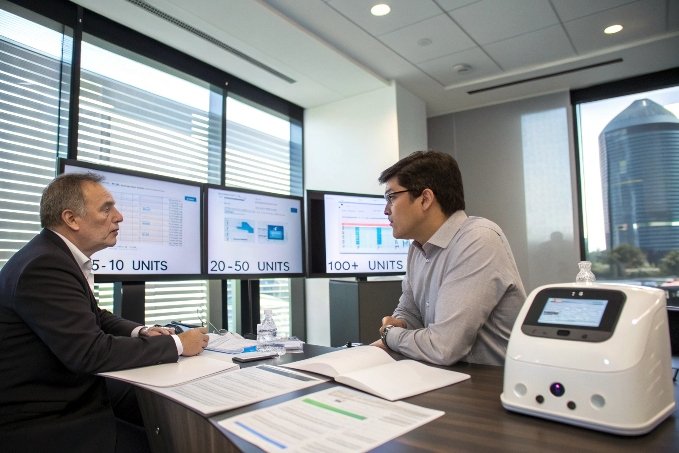
I negotiate pricing for clinics and distributors every week, and I see tiered pricing 1 decide your margins more than any other line on the quote.
Yes. Suppliers almost always use tiered pricing for shockwave therapy machines. Higher quantities unlock lower factory costs, better freight efficiency, and faster service lines. The most common tiers break at 5–10 units, 20–50 units, and 100+ units, with added perks tied to annual commitments.
Tiered quotes reduce uncertainty, align forecasts, and let purchasing managers plan cash flow against launch schedules and promos.
What is the minimum order for discounts?
I set realistic thresholds early, so buyers can hit the first break without overstocking or straining cash.
Most suppliers start discounts at 5–10 units for radial systems and 3–5 units for focused systems. Deeper breaks usually appear at 20–50 units, then again at 100+. Annual volume commitments can substitute for a single large PO.
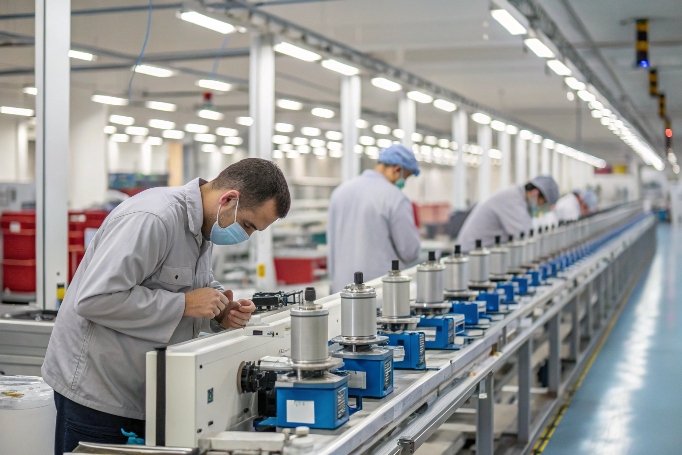
Buyers often combine clinic launches across regions, align orders with marketing pushes, or add spare handpieces in the same PO. A common approach is to bundle initial spare parts—O-rings, sleeves, projectiles, transmitters—because these items are needed anyway and count toward the tier. When cash is tight, buyers ask for split shipments under one invoice to lock the price but stagger receipt.
- Radial devices: discount starts at ≥5 units; stronger break at ≥20 units.
- Focused devices: discount starts at ≥3 units; stronger break at ≥10 units.
- OEM/private label 2: discount starts at ≥10 units per color/brand; bigger break at ≥50 total across models.
Table 1 — Common MOQ thresholds and what they unlock
| Device type | First discount MOQ | Second discount MOQ | Typical extras unlocked |
|---|---|---|---|
| Radial (pneumatic) | 5–10 units | 20–50 units | Extra transmitters, logo plates |
| Focused (EM/ piezo) | 3–5 units | 10–20 units | Faster lead time window |
| Mixed tech (radial + focused) | 5 total | 20 total | Shared spare kits |
| OEM private label | 10 per variant | 50+ total | Custom UI splash, packaging |
How much lower is bulk pricing?
I never promise a number before the factory confirms costs, but realistic expectations help buyers aim correctly.
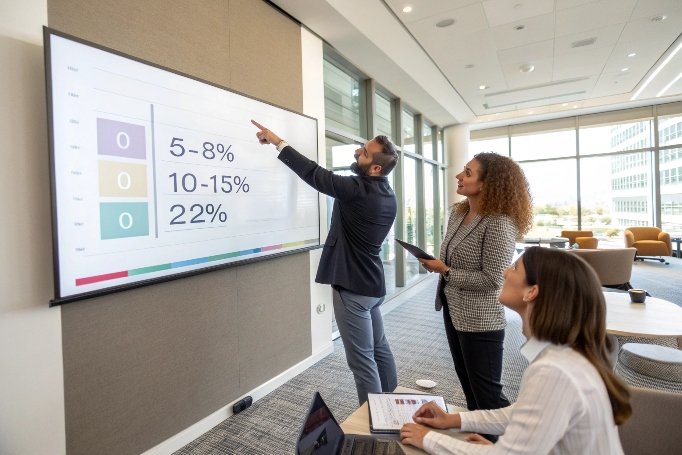
Bulk pricing often drops 5%–8% at the first break, 10%–15% at mid tiers, and up to 18%–25% at 100+ units for radial machines. Focused systems show smaller percentage drops, commonly 4%–10%, due to higher core component costs.
Savings come from longer production runs, economies of scale 3, and fewer costly changeovers 4. Quality control becomes more efficient when sample sizes scale, especially if you use AQL sampling 5. Documentation is reused across identical batches, and packing lines run faster with standardized kits.
Even without a huge headline discount, suppliers may add value by extending warranty on handpieces, including an extra projectile set, or pre-loading spare O-rings and filters. These reduce downtime and service calls. Buyers should quantify this value; a “free kit” worth $250 per unit across 50 units is a real $12,500 saving.
Table 2 — Illustrative discount ladder (radial systems, EXW, reference only)
| Tier | Quantity | Unit list (USD) | Tier discount | Net/unit (USD) | Notes |
|---|---|---|---|---|---|
| Base | 1–4 | 7,800 | 0% | 7,800 | Single clinic buy |
| Tier A | 5–9 | 7,800 | 6% | 7,332 | First break |
| Tier B | 10–19 | 7,800 | 10% | 7,020 | Add spare kits |
| Tier C | 20–49 | 7,800 | 14% | 6,708 | Standard distributor |
| Tier D | 50–99 | 7,800 | 18% | 6,396 | Regional launch |
| Tier E | 100+ | 7,800 | 22% | 6,084 | Program pricing |
Focused devices of similar “list” will show narrower step-downs (e.g., 4%, 7%, 9%, 12%, 15%), because transducer costs and validation overheads limit the slope.
Do suppliers give loyalty discounts?
I like loyalty plans because repeat business lowers both sides’ costs and makes service smoother.
Yes. Loyalty discounts typically appear as annual-volume rebates, rolling price holds, or tier protection. Common forms include end-of-year credit (1%–3%), free spare kits after a pulse milestone, or price locks against raw-material swings for committed volumes.
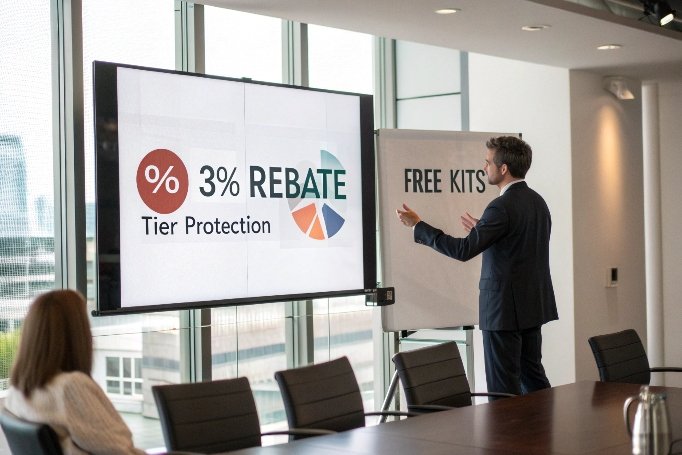
Loyalty programs reward predictable demand and cleaner operations. When a distributor sends forecasts every quarter, factories buy components early and cut expedite fees. In return, suppliers protect the buyer’s price tier even if an individual shipment dips under the threshold. Another form is co-op marketing credits 6 for demos, workshops, or trade shows; these do not change the unit invoice but reduce marketing spend. Some industries also run supplier rebate programs 7 where credits accrue against annual volume targets.
Table 3 — Examples of loyalty benefits and their real impact
| Benefit | Typical value | Real-world effect |
|---|---|---|
| Year-end rebate | 1%–3% on net | Funds next spare parts order |
| Extra spare kit per 10 units | $200–$400 value | Fewer rush shipments |
| Tier protection for 2 quarters | — | Stable pricing for tenders |
| Free remote training seats | $300–$1,000 value | Faster clinic onboarding |
Is mixed-model bulk pricing possible?
I bundle models in one program all the time, because distributors need a range for different clinics.
Yes. Mixed-model bulk pricing is common. Suppliers often aggregate volumes across compatible models or families (e.g., radial + radial premium; focused variants together) to reach a tier. Cross-family mixing is possible when BOM overlap is high or when an annual agreement pools totals.
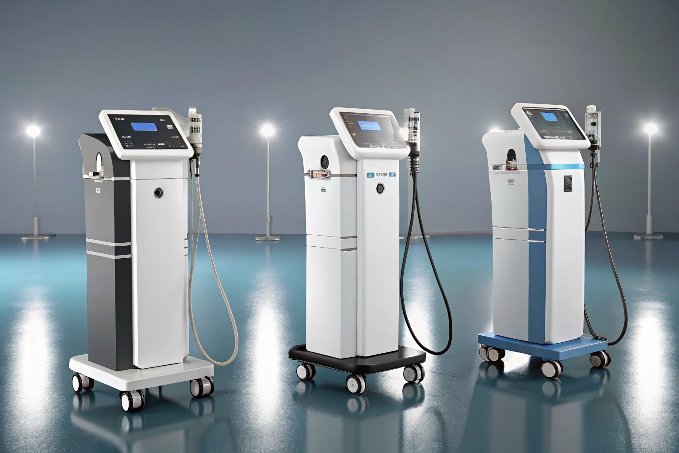
Mixing models respects how clinics buy: entry machines for satellite sites and premium units for flagships. From the factory side, volume still helps if major parts—housings, boards, cables, displays—are shared. If two models share the bill of materials (BOM) 8 elements like handpieces or compressors, the supplier can combine forecasts and pass savings. For very different platforms, the supplier may offer a program discount based on total spend rather than a single model count.
Rules that make mixed-model deals work well:
- Define families: for example, “MP-Series radial” counts together; “FX-Series focused” counts together.
- Use program totals: let quarterly spend across families unlock a rebate.
- Bundle spares: shared O-rings, sleeves, and projectiles count toward tiers.
- Standardize kits: keep accessories common to raise overlap and reduce cost.
Conclusion
Volume matters. Hit the first tier with Minimum Order Quantity (MOQ) 9 planning, expect savings from volume discounts 10, lock loyalty perks for stability, and use mixed-model programs to reach breaks without overbuying any single SKU.
Footnotes
1. Shopify explainer on tiered pricing models and use cases. ↩︎
2. Investopedia definition of private label products. ↩︎
3. Economies of scale—why higher volumes lower unit cost. ↩︎
4. Lean/SMED guide on reducing changeover time. ↩︎
5. ASQ overview of acceptance sampling and AQL. ↩︎
6. Cooperative advertising (co-op marketing) concept and benefits. ↩︎
7. SAP help on supplier rebate/condition contract settlement. ↩︎
8. Investopedia definition of bill of materials (BOM). ↩︎
9. Shopify guide: Minimum Order Quantity meaning and setup. ↩︎
10. Investopedia definition of volume discounts in pricing. ↩︎

 English
  Español de México
  Deutsch
  Français
  العربية
  Русский