

Running a high-end resort spa requires balancing operational efficiency with the premium experience your guests expect. At our factory, we often see clients struggle to choose between sleek, all-in-one units and robust modular systems. If you choose the wrong equipment, you risk frequent breakdowns during peak seasons or an aesthetic that feels too clinical for a relaxation suite.
For a luxury resort, a separate pressotherapy machine is usually the better investment due to superior durability, treatment versatility, and easier maintenance. While one-piece units offer a compact and sleek design for small spaces, separate systems allow for component swapping and targeted therapy, ensuring your spa operations remain uninterrupted and highly profitable.
Let’s explore the specific factors that should guide your purchasing decision, from durability to shipping logistics.
How do I determine if a one-piece or separate pressotherapy machine offers better long-term durability for my resort?
When we test our compression systems in the lab, we simulate years of usage in just a few weeks. We have noticed that heat management 1 and component isolation are critical factors that many buyers overlook. If your machine overheats or a zipper fails, your investment becomes a liability.
Separate machines generally offer better long-term durability because they utilize standalone compressors with superior ventilation and heat dissipation. In contrast, one-piece units pack the pump and electronics into a tighter chassis, increasing the risk of overheating during back-to-back sessions. Modular systems also allow you to replace high-wear parts without discarding the entire unit.
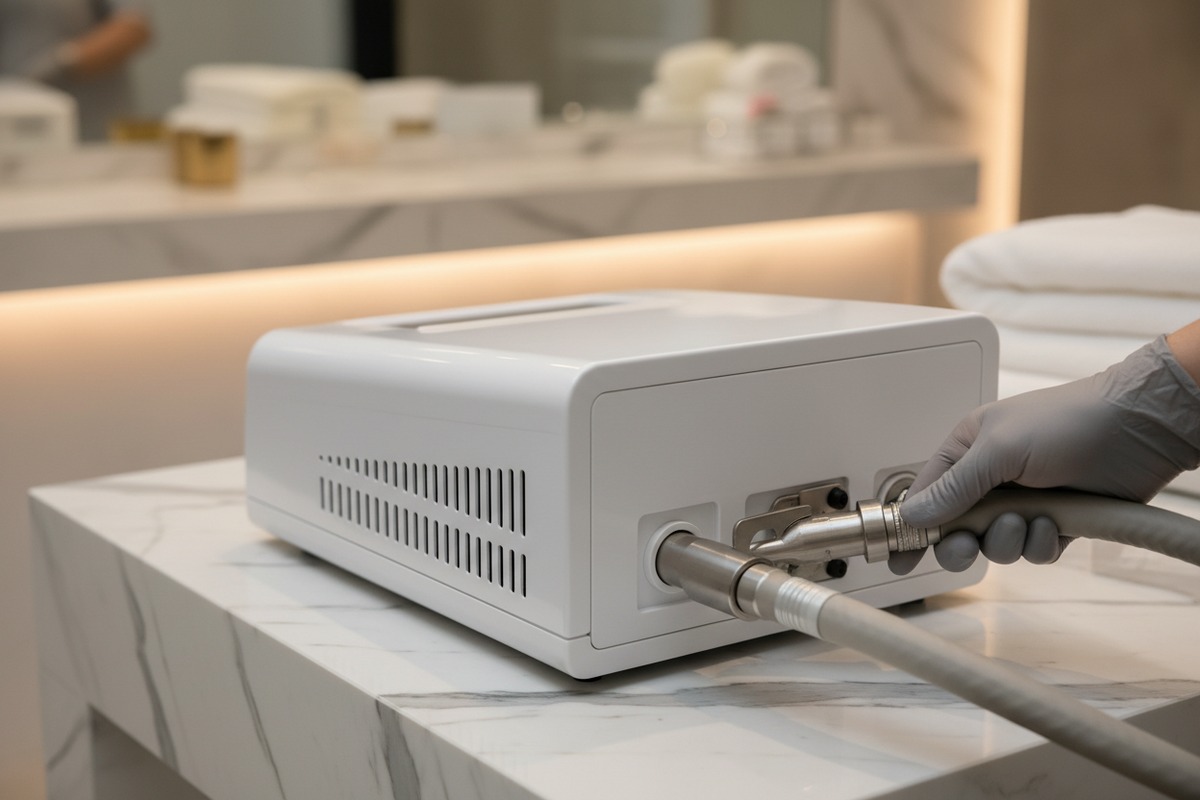
Durability in a commercial setting is not just about the machine turning on; it is about sustaining performance under heavy loads. Luxury resorts often run machines for 8 to 10 hours a day.
In our engineering tests, we find that separate (modular) machines tend to last longer. This is primarily due to thermal management. A standalone compressor has more internal space for air circulation. It can run multiple 45-minute sessions consecutively without the internal temperature reaching critical levels.
On the other hand, one-piece machines are designed for compactness. While they look sleek on a countertop, the internal components are packed very densely. This restricts airflow. Over time, consistent high temperatures can degrade the electronic seals and the air pump diaphragm.
Another aspect of durability is the connection points.
- Separate Systems: These use heavy-duty, quick-release connectors. If a technician accidentally pulls a hose too hard, the damage is usually limited to the hose itself, which is a cheap replacement.
- One-Piece Systems: The hoses are often hard-wired or integrated deeply into the machine's body. A damaged connection point can be catastrophic, requiring the whole unit to be opened up for repair.
Comparison of Wear and Tear Factors
| Feature | One-Piece System | Separate (Modular) System |
|---|---|---|
| Heat Dissipation | Low (Compact design traps heat) | High (Larger case allows airflow) |
| Hose Connections | Fixed or proprietary ports | Quick-release, replaceable valves |
| Suit Material | Often lighter weight for folding | Heavy-duty TPU (Thermoplastic Polyurethane) 2 |
| Pump Lifespan | Rated for ~3,000 hours | Rated for ~5,000+ hours |
| Failure Impact | Total unit failure | Component failure (Compressor survives) |
Additionally, consider the fabric durability. High-end modular systems we export usually pair with 24-chamber suits made of military-grade TPU. One-piece units, targeting a more "lifestyle" aesthetic, sometimes use softer, less durable PVC hybrids that may crack after repeated sanitization with hospital-grade cleaners 3.
Can I private-label both one-piece and modular pressotherapy systems to match my luxury brand's aesthetic?
We understand that for a luxury brand, the equipment must look as good as the treatment feels. Our design team frequently assists clients in color-matching shells to their spa's interior decor. You want your guests to see your brand, not a generic factory logo, when they walk into the treatment room.
Yes, you can private-label both configurations, but the customization scope differs significantly. One-piece machines offer a continuous surface area for prominent logo placement and custom chassis colors. Separate systems allow for branding on the main control unit and individual branding on detachable cuffs, offering a cohesive, professional look across all components of the treatment.
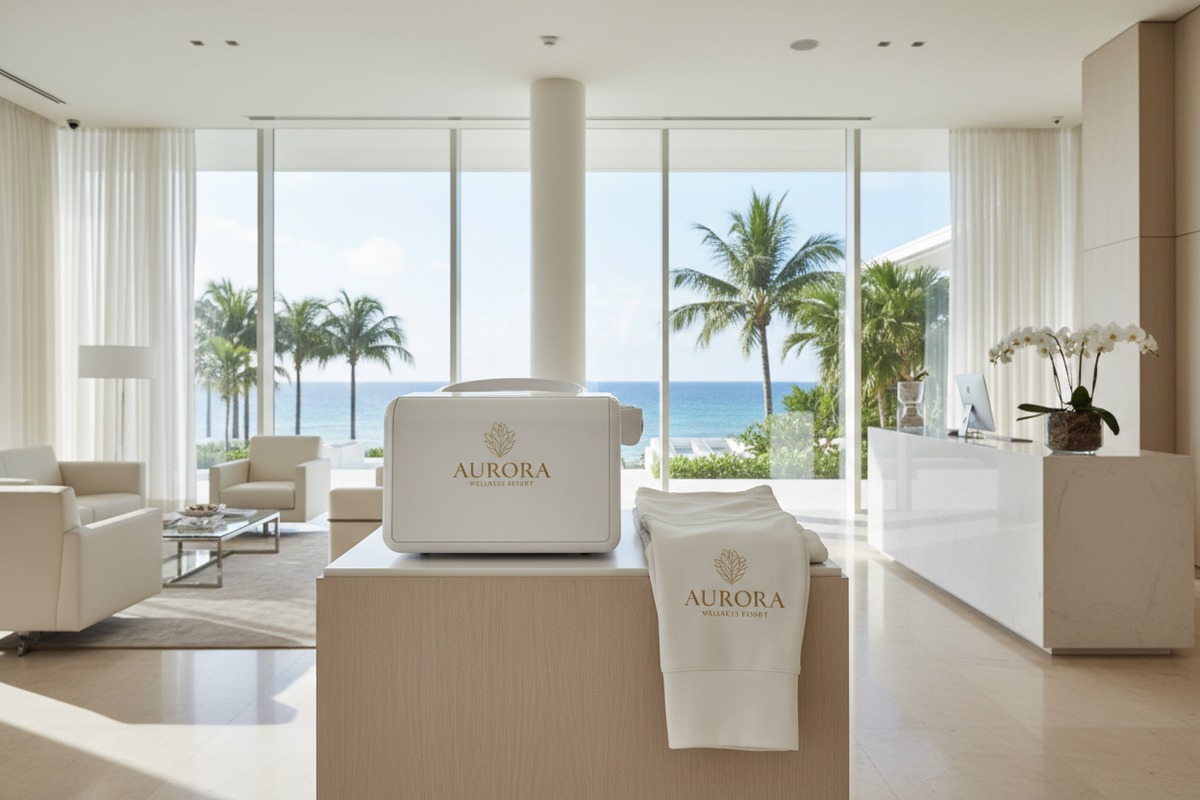
Branding helps justify a premium price point for your services. When you import from us, we offer different levels of customization based on your Minimum Order Quantity (MOQ) 4.
Branding the One-Piece Machine
The one-piece machine is often viewed as a "designer" item. Because the suit and the machine are integrated or stored together in a sleek box, the visual impact is immediate.
- Shell Color: We can paint the plastic injection mold in your brand's specific Pantone color 5 (e.g., matte gold or pearl white).
- Logo: The flat surfaces are perfect for large silk-screen printing.
- Startup Screen: If the unit has a digital touchscreen, we can program your logo to appear immediately upon startup.
Branding the Separate System
The separate system offers a more "clinical professional" look, which builds trust.
- Console: The compressor unit can be branded with a high-end metal sticker or laser engraving.
- The Suits (Garments): This is where separate systems shine. We can sew your logo onto the leg cuffs, arm sleeves, and waist wraps. We can even change the color of the fabric or the stitching to match your resort's uniforms.
Customization Capability Checklist
| Customization Option | One-Piece Machine | Separate Machine | Notes |
|---|---|---|---|
| Shell Color Change | High Visibility | Medium Visibility | One-piece has more surface area. |
| Touchscreen Logo | Available | Available | Requires software update. |
| Garment Logo | Limited | Extensive | Separate cuffs allow multiple logo spots. |
| Packaging Box | Retail-style Box | Heavy-duty Carton | One-piece is easier to unbox for photos. |
For a luxury resort, the "unboxing" experience matters less than the daily visual presence. A modular system with your logo on every cuff looks impressive when laid out on a treatment bed. It signals to the client that they are receiving a medically inspired, professional treatment tailored to them, rather than using a standard consumer gadget.
We also find that separate systems allow for functional customization. If your resort focuses on sports recovery, we can customize the pressure programs in the separate compressor to include "Interval Training Recovery" modes, which is harder to do with the pre-set chips often found in simpler one-piece units.
Which machine configuration will minimize my maintenance costs and downtime if a component fails?
Downtime is the enemy of revenue. In our years of exporting to the US, we have seen spas lose thousands of dollars because a single machine was out of order for weeks. Understanding how repair workflows differ between machine types is crucial for your business continuity.
A separate machine configuration significantly minimizes maintenance costs and downtime. If a boot or arm cuff fails, you simply swap it out with a spare while the compressor continues running. With a one-piece system, a single leak in the integrated suit often requires shipping the entire unit back for repair, leaving you without revenue for weeks.
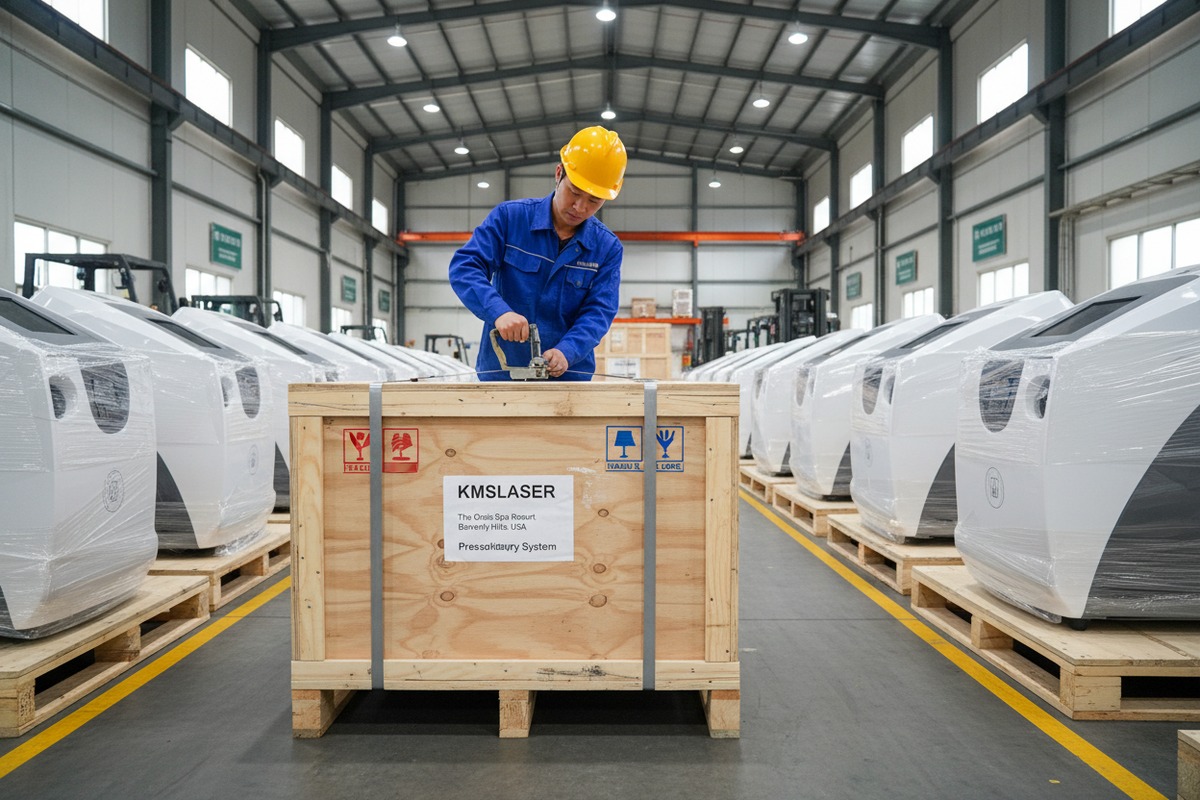
Maintenance is not just about the cost of the part; it is about the cost of the logistics and the lost appointments.
The "Swappable" Advantage
With a separate system, the components (legs, arms, waist, compressor) are independent.
- Scenario: A zipper breaks on the right leg boot.
- Solution: You take a spare right leg boot from your storage and connect it. The machine is back online in 2 minutes. You can ship the broken boot to us or a local repair shop cheaply.
- Result: Zero downtime.
The Integrated Risk
With a one-piece system, the connection between the suit and the machine is often complex or fixed to maintain that "sleek" look.
- Scenario: An air chamber starts leaking in the leg area.
- Problem: You cannot easily detach just the leg. The control unit detects a pressure error and shuts down safety protocols.
- Solution: You must pack the entire machine—compressor and suit—and ship it for service.
- Result: The machine is gone for 2-4 weeks.
Spare Parts Strategy
We always recommend our B2B clients keep a "safety stock" of consumables. For separate machines, this is affordable. You buy one extra set of legs and one extra arm. These parts are lightweight and easy to store.
For one-piece machines, keeping a "spare" means buying a whole second machine, which doubles your capital expenditure.
Maintenance Cost Breakdown (Estimated)
| Cost Factor | Separate Machine | One-Piece Machine |
|---|---|---|
| Minor Repair (Zipper/Leak) | $50 – $100 (Replace cuff) | $300+ (Ship unit + labor) |
| Shipping for Repair | Low (Small parcel for cuff) | High (Bulky box for full unit) |
| Downtime | Minutes (If spares kept) | Weeks |
| Technician Skill Required | Low (Plug & Play) | High (Internal electronics) |
Furthermore, hygiene maintenance is easier with separates. You can disconnect the cuffs and soak them or clean them thoroughly without worrying about getting water into the main computer unit. One-piece units require very careful surface wiping to avoid moisture ingress into the attached electronics.
How does the choice between integrated and separate pressotherapy units affect my door-to-door shipping costs and safety?
Shipping fees can unexpectedly eat into your budget. When we arrange logistics for our clients, we calculate not just the weight, but the volumetric weight 6. The physical structure of the machine determines how it is packed, how much it costs to fly, and how likely it is to arrive safely.
Separate units typically incur lower shipping risks but potentially higher volume costs due to multiple boxes. However, if a component is damaged during transit, you only replace that specific part. One-piece machines are bulkier to crate, increasing the risk of total loss if dropped and often raising door-to-door freight charges due to awkward dimensional weight.
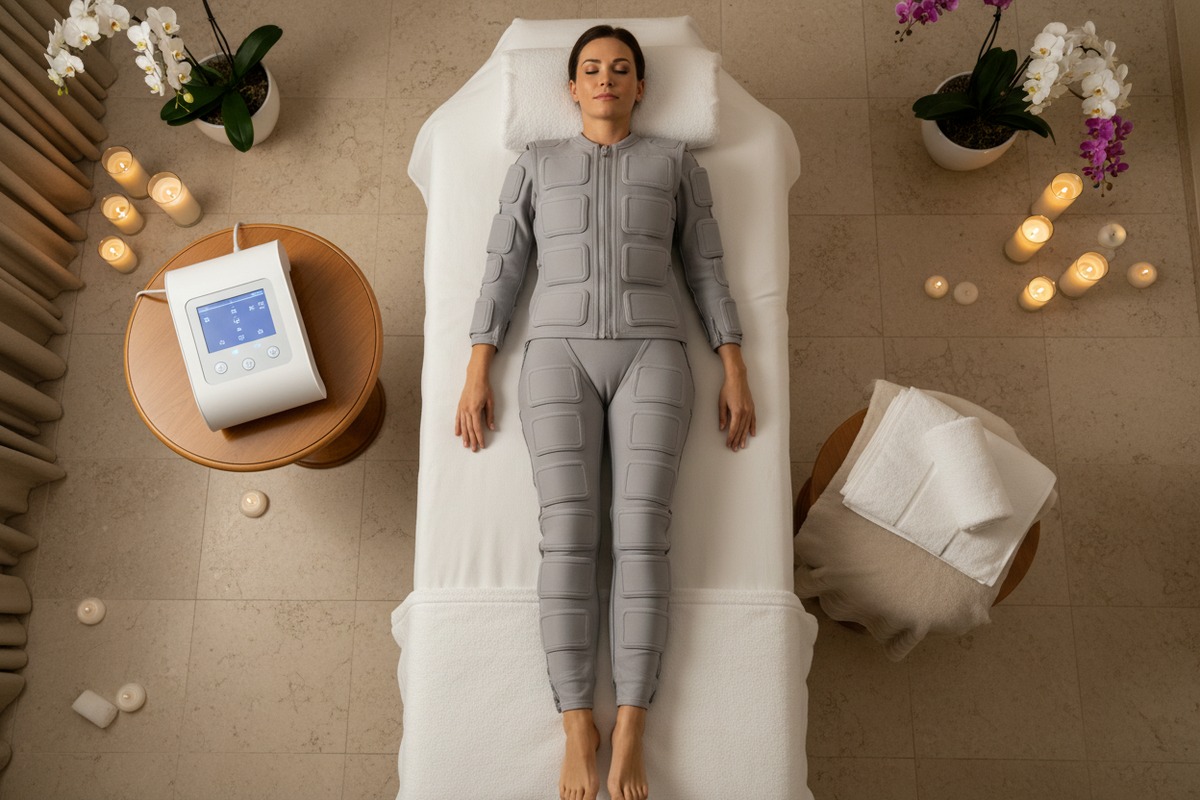
International logistics 7 is a game of volume. Couriers like DHL or FedEx charge based on whichever is greater: actual weight or volumetric weight (Length x Width x Height / 5000).
Volumetric Weight and Packaging
- One-Piece Machines: These usually come in one very large box. Because the shape is fixed (often L-shaped or bulky to accommodate the integrated design), there is a lot of "dead air" inside the box filled with foam. This increases the volumetric weight. If the box is too large, it might require pallet shipping, which adds $300-$500 to the delivery cost.
- Separate Machines: These can be "Tetris-packed." The heavy compressor goes in a small, dense box. The fabric suits (boots, arms) can be folded tightly into smaller flat boxes. This often results in a lower total shipping cost because we can optimize the space in the carton.
Risk of Damage
The safety of your investment during transit is critical.
When a one-piece machine is dropped by a courier, the shock transfers through the rigid chassis. Since the screen, pump, and connections are all in one skeleton, a single crack can ruin the whole device.
With separate systems, the valuable part (the compressor) is isolated. It is packed in thick foam. The suits are soft and practically indestructible during shipping. If the courier drops the box containing the suits, nothing happens. If they drop the compressor box, you only lose the compressor, not the expensive 24-chamber suit set.
Customs and Import Duties
While the HS Code (Harmonized System Code 8) for pressotherapy is usually the same for both (often under massage apparatus), the inspection process differs.
- Separate: Customs officers can easily open the "Accessories" box to check the fabric without touching the sensitive electronics.
- One-Piece: Officers must unpack the entire heavy unit to inspect it. We have seen cases where customs agents re-packed a one-piece unit poorly, leading to damage on the final leg of the journey to the resort.
Logistics Summary
- One-Piece: High risk of "Total Loss" damage; higher volumetric weight; harder to handle by one person.
- Separate: Modular risk (only parts break); optimized packing density; easier to carry into the resort room by room.
Conclusion
For a luxury resort aiming to provide top-tier service with minimal interruption, the separate (modular) pressotherapy machine is the superior choice. It offers the durability required for high-volume use, the flexibility to swap parts instantly to avoid downtime, and greater opportunities for custom branding on the garments. While one-piece units offer a visually simple aesthetic, their higher maintenance risks and potential for overheating make them less suitable for the demanding environment of a busy commercial spa.
Footnotes
1. Replaced with a Wikipedia article on thermal management in electronics, which is an authoritative source and directly relevant to the context of component overheating in machines. ↩︎
2. Replaced with a Wikipedia article providing a comprehensive overview of Thermoplastic Polyurethane (TPU), an authoritative source for material definitions. ↩︎
3. The EPA provides information on registered disinfectants and their classifications. ↩︎
4. Clearly defines MOQ and its importance in e-commerce fulfillment and manufacturing. ↩︎
5. Official source explaining Pantone color systems and their purpose in design and manufacturing. ↩︎
6. DHL provides a clear explanation of volumetric weight and its calculation in shipping. ↩︎
7. Provides a comprehensive definition and importance of international logistics in global trade. ↩︎
8. The International Trade Administration provides a clear definition and purpose of HS codes. ↩︎

 English
  Español de México
  Deutsch
  Français
  العربية
  Русский