
Last month, our quality control team rejected three batches of shockwave handpieces before they left our production line 510(k) clearance 1. The problem? Energy flux density readings fell outside acceptable tolerances. Without documented inspection reports, those flawed units could have reached clinics. This scenario happens more often than buyers realize.
No, not all shockwave therapy machines include factory inspection reports. Inclusion depends on the manufacturer, regulatory requirements, and quality management practices. Many suppliers provide these reports only upon request, while ISO 13485-certified manufacturers typically include them as standard documentation with each shipment.
Understanding what separates verified equipment from undocumented imports can protect your brand and your customers. Let me walk you through what our industry experience has taught us about factory inspection reports.
How can I verify that my shockwave therapy machine passed a professional factory inspection?
When we ship equipment to North American distributors, the most common question involves verification. Buyers want proof, not promises. They need concrete documentation showing their machines underwent rigorous testing before leaving our facility.
To verify professional factory inspection, request batch-specific QC logs linked to your purchase order, serial number traceability records, third-party calibration certificates, and photographic evidence of pre-shipment testing. Reputable manufacturers maintain these documents within ISO 13485-compliant quality management systems.
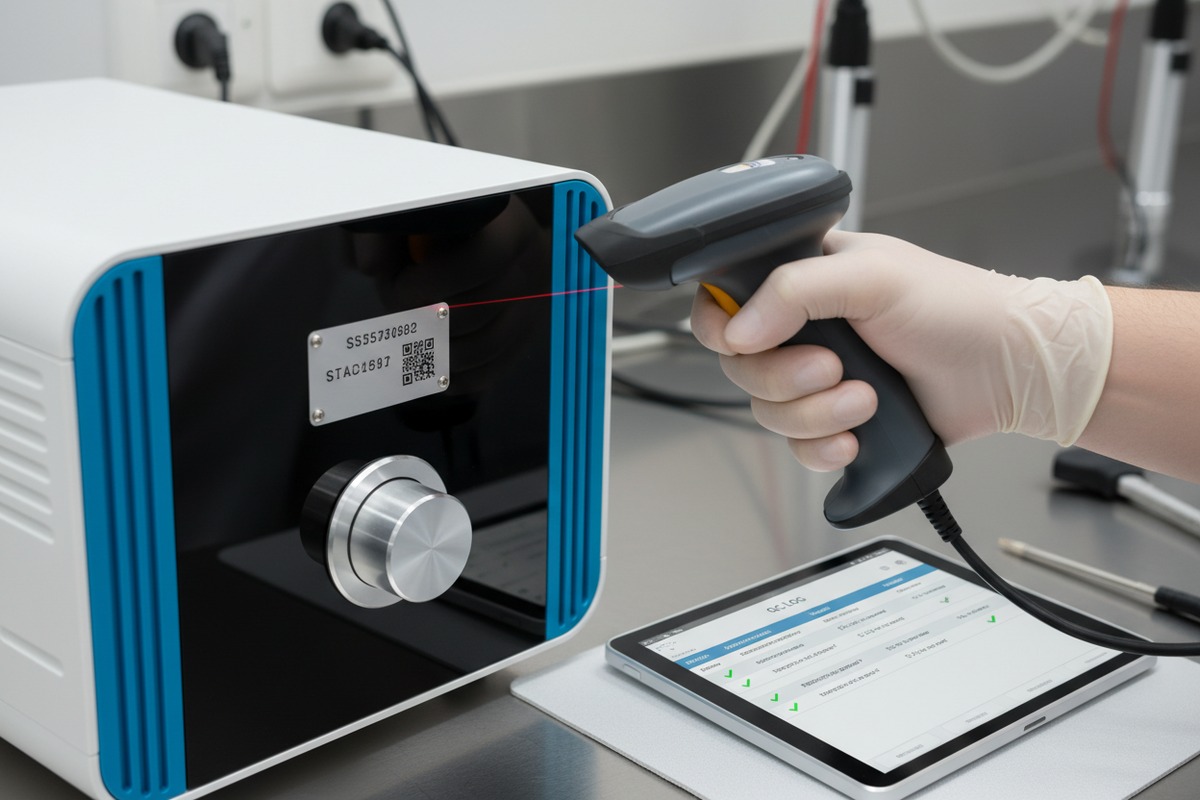
Understanding the Core Inspection Elements
Professional factory inspection involves five critical checkpoints. Each checkpoint generates documentation that buyers can request and verify independently.
Visual inspection covers cosmetic quality, assembly integrity, and labeling accuracy. Functional testing confirms energy output consistency, frequency performance, and safety system operation. Documentation review ensures user manuals, certificates, and warranty cards match the specific unit. Packaging verification protects against shipping damage. Quantity confirmation prevents shortage disputes.
| Inspection Element | What Inspectors Check | Documentation Generated |
|---|---|---|
| Visual Inspection | Surface defects, color consistency, assembly quality | Photo report with timestamps |
| Functional Testing | Energy flux density, frequency accuracy, safety cutoffs | Calibration data sheets |
| Documentation Review | Manuals, certificates, regulatory marks | Compliance checklist |
| Packaging Verification | Box integrity, protective materials, labeling | Packaging inspection form |
| Quantity Confirmation | Unit count, accessory completeness | Packing list with signatures |
Requesting the Right Documents
Ask your supplier for specific documents rather than generic assurances. Serial number registration in their QC database proves traceability. Batch testing reports show actual measured values against specifications. Third-party calibration certificates from accredited laboratories carry more weight than internal testing alone.
Our production records include energy flux density measurements for every handpiece. Each unit receives a unique identifier that links to its complete testing history. This approach meets FDA expectations for Class II medical devices 2 requiring 510(k) clearance.
Red Flags That Signal Missing Verification
Watch for suppliers who deflect inspection requests. Common excuses include "certification is enough" or "we only provide reports for large orders." These responses suggest weak quality management systems 3.
Legitimate manufacturers welcome inspection inquiries. They understand that documented quality control protects everyone in the supply chain. When suppliers resist providing reports, consider this a warning sign worth investigating further.
Why should I insist on a factory inspection report for my private-label beauty equipment?
Our engineering team developed custom firmware for a European distributor last year. During final testing, we discovered inconsistent pulse patterns in 12% of units. The inspection report documented everything. That documentation allowed us to identify the root cause, implement corrections, and provide evidence that replacement units met specifications. Without reports, the distributor would have received defective equipment.
Factory inspection reports protect your private-label brand by providing evidence for warranty claims, liability defense, and customer dispute resolution. They verify that each unit meets your agreed specifications before shipment, preventing costly returns, reputation damage, and downstream complaints from your salon customers.
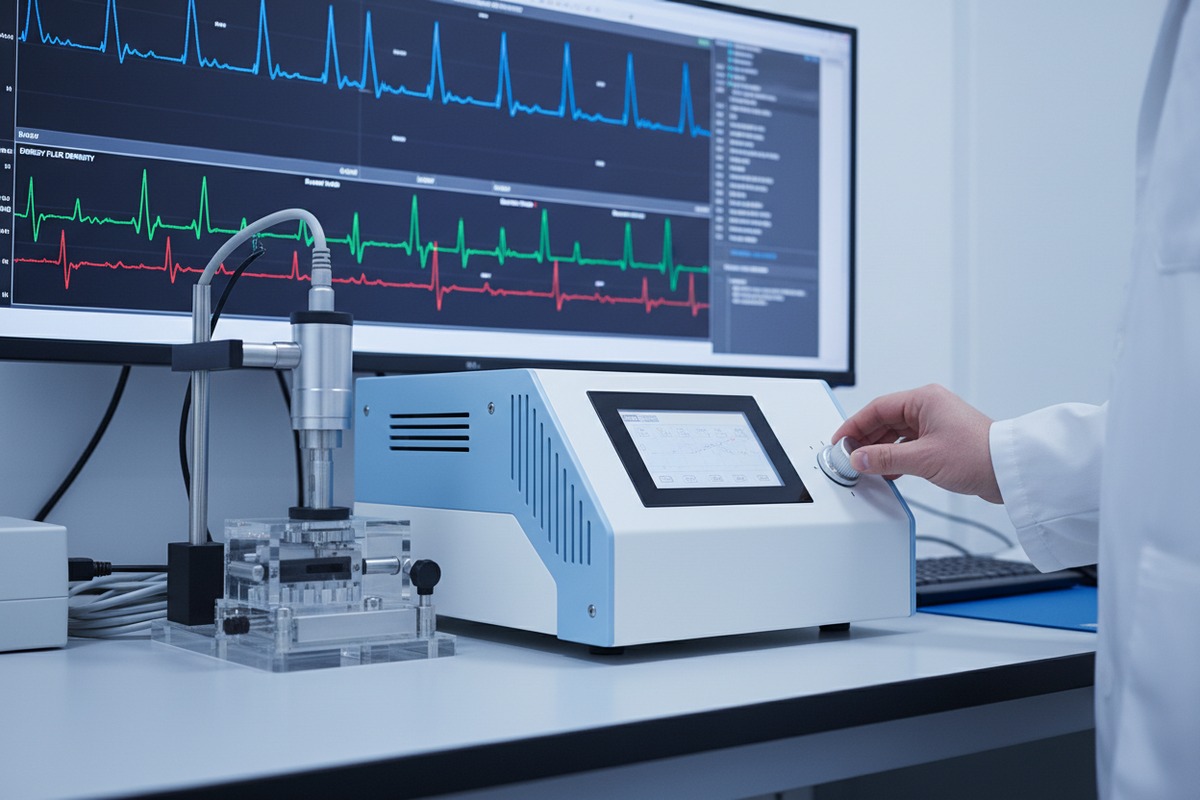
Financial Protection Through Documentation
Private-label equipment carries your brand name. When problems occur, your customers blame you, not some unknown factory in Asia. Inspection reports create accountability.
Consider the payment terms common in international trade. Orders under $5,000 typically require full prepayment. Orders between $5,000 and $100,000 usually follow 30% deposit with 70% balance before shipment after inspection. Some trading companies accept payment against bill of lading copies, but most manufacturers require balance payment before goods leave the factory.
This payment structure gives inspection reports additional importance. You need documented evidence that goods meet specifications before releasing final payment.
| Order Value | Typical Payment Terms | Inspection Timing |
|---|---|---|
| Under $5,000 | 100% prepayment | Pre-shipment photos only |
| $5,000 – $100,000 | 30% deposit, 70% before shipment | Full inspection before balance |
| Over $100,000 | Negotiable, often with LC | Third-party inspection common |
Liability Shield for Your Business
Medical and aesthetic devices carry liability exposure. When something goes wrong during treatment, lawyers investigate the equipment chain. Your inspection reports demonstrate due diligence in supplier selection and quality verification.
FDA MAUDE reports 6 document adverse events involving medical devices. While many issues relate to user error rather than manufacturing defects, having inspection documentation proves your equipment passed testing before sale. This evidence can make the difference between defending your business successfully and facing costly settlements.
Protecting Your Reputation
Your downstream customers trust your brand. Beauty salons invest significantly in equipment purchases. They expect reliable performance and consistent results. Undocumented equipment risks instability within months of delivery.
Market research shows the focused shockwave therapy 7 segment growing at 5.5% CAGR, reaching $770 million by 2031. The broader shockwave device market should hit $2.6 billion by 2025. Competition intensifies as more brands enter the market. Your reputation for quality becomes a competitive advantage that inspection reports help maintain.
What happens to my brand if my supplier fails to provide a detailed quality control report?
Three years ago, we received an urgent call from a distributor whose previous supplier had shipped 200 units without inspection reports. Within six months, 40% of those machines developed handpiece failures. The distributor had no documentation to support warranty claims. They absorbed the replacement costs and lost their largest retail account. That painful experience led them to our company.
Without quality control reports, your brand faces unverifiable warranty claims, potential liability exposure, customer trust erosion, and financial losses from defective returns. You lose the ability to trace problems to specific production batches, making root cause analysis impossible and preventing future quality improvements.

The Cascade of Problems
Missing documentation creates a cascade effect that damages multiple aspects of your business simultaneously.
First, warranty administration becomes impossible. When customers report problems, you cannot determine whether issues stem from manufacturing defects, shipping damage, or user error. Every claim becomes a negotiation rather than a straightforward resolution.
Second, supplier accountability disappears. Without documented specifications and test results, you cannot prove that delivered equipment differed from agreed standards. Suppliers can claim products met requirements without evidence to contradict them.
Third, regulatory exposure increases. FDA and other regulatory bodies expect medical device importers to maintain supplier quality records. Gaps in documentation suggest gaps in due diligence.
Financial Impact Analysis
The financial consequences extend beyond obvious replacement costs. Consider all affected areas when evaluating supplier documentation practices.
| Impact Area | Without Reports | With Reports |
|---|---|---|
| Warranty Claims | Absorb all costs | Share liability with supplier |
| Customer Retention | 30-40% churn risk | Documented resolution builds trust |
| Regulatory Audits | High risk of findings | Evidence of due diligence |
| Insurance Claims | Difficult to support | Documentation strengthens claims |
| Supplier Negotiations | Weak position | Data-backed discussions |
Building Recovery Strategies
If you currently work with suppliers lacking documentation, consider transitioning to more robust partnerships. Start by requesting reports for new orders while evaluating alternative suppliers.
Engage third-party inspection services for critical shipments. Companies specializing in pre-shipment inspection can verify quality independently of supplier claims. This adds cost but provides insurance against undocumented defects.
Gradually shift volume to suppliers demonstrating ISO 13485 certification and consistent documentation practices. The short-term disruption outweighs long-term risks of continuing with inadequate quality verification.
Long-Term Brand Implications
Market competition intensifies as shockwave therapy adoption grows. Key players like Storz Medical, BTL Industries, and Chattanooga set quality benchmarks that buyers increasingly expect from all suppliers.
Your brand positioning depends on consistent quality delivery. One shipment of defective equipment can generate negative reviews that persist online indefinitely. Documentation proves your commitment to quality even when individual units occasionally fail.
Can I customize the inspection criteria for my bulk shockwave therapy machine order?
Our production team recently completed a 500-unit order for a Canadian medical distributor. Their specifications exceeded our standard protocols. They required additional electromagnetic compatibility testing 8, extended burn-in periods, and specific packaging materials for extreme temperature shipping. We documented every customization in their inspection criteria.
Yes, reputable manufacturers accommodate customized inspection criteria for bulk orders. You can specify additional test parameters, tighter tolerances, extended functional verification, custom packaging requirements, and third-party witnessing. These customizations should be documented in purchase agreements before production begins.
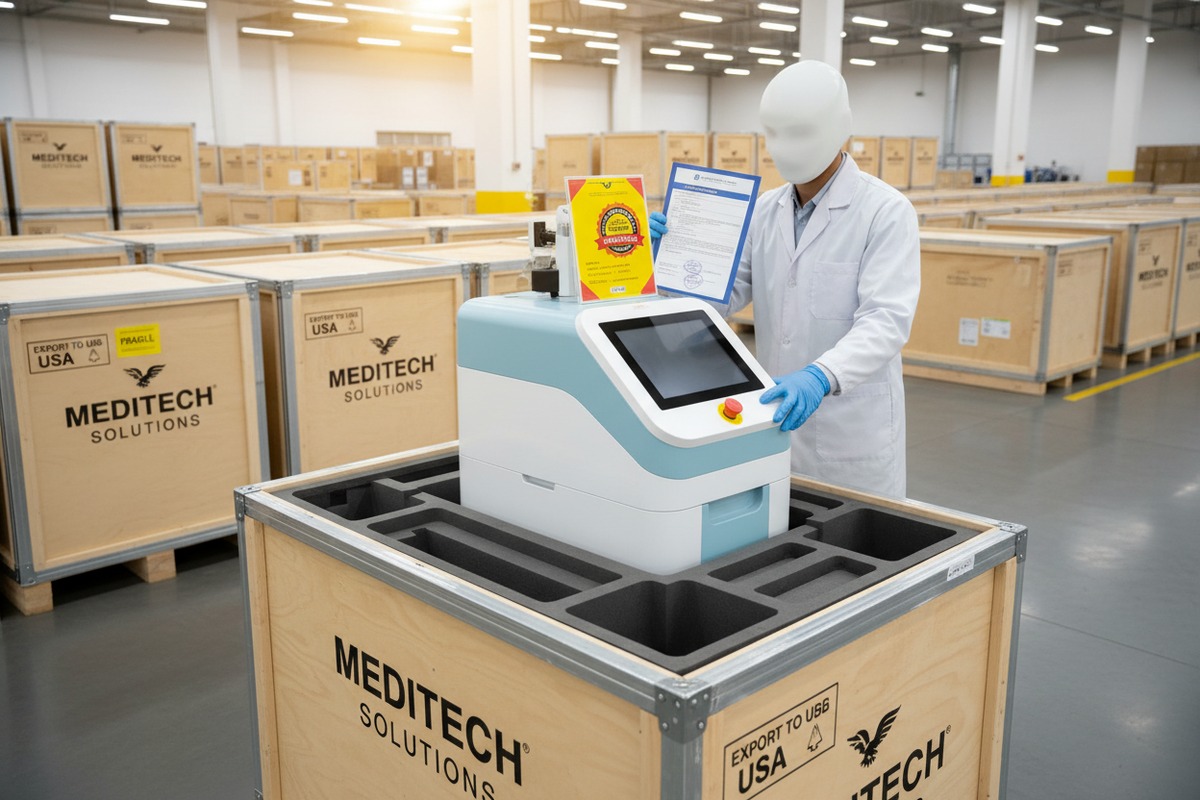
Standard vs. Custom Inspection Protocols
Standard inspection protocols cover baseline quality requirements. Custom protocols address your specific market needs, regulatory environment, and customer expectations.
Most manufacturers welcome customization discussions for significant orders. The key involves clear communication before production begins. Changing criteria mid-production creates complications that benefit nobody.
| Protocol Type | Coverage | Best For |
|---|---|---|
| Standard | Basic function, appearance, packaging | Small orders, established products |
| Enhanced | Extended testing, tighter tolerances | Medical applications, premium brands |
| Full Custom | Client-specified criteria throughout | Regulatory-sensitive markets, new products |
Negotiating Custom Criteria
Start customization discussions early in the ordering process. Provide written specifications rather than verbal descriptions. Include acceptable ranges for critical parameters like energy output and frequency.
Our approach involves a specification review meeting before production scheduling. We identify potential conflicts between requested criteria and manufacturing capabilities. This prevents mid-production surprises that delay shipments.
Consider these common customization areas for shockwave therapy equipment:
Energy Output Parameters
Standard tolerances might accept ±10% variation in energy flux density. Your market might require ±5% consistency. Specify this requirement clearly and confirm the manufacturer can achieve it consistently.
Extended Functional Testing
Standard protocols often include brief functional verification. Custom protocols might require 30-minute or 60-minute burn-in periods under operating conditions. This identifies components prone to early failure.
Environmental Testing
Equipment destined for extreme climates needs verification beyond standard conditions. Cold storage, high humidity, or altitude variations affect performance. Custom protocols can include environmental chamber testing.
Documentation Enhancements
Beyond standard reports, you might require specific formats, additional photographs, video documentation of testing, or digital copies with encryption. These requirements should appear in your purchase agreement.
Working With Third-Party Inspectors
Many buyers engage independent inspection services to witness quality verification. This adds credibility to inspection reports and provides truly independent assessment.
When planning third-party inspection, coordinate timing with your manufacturer. Inspectors need advance notice and facility access arrangements. Build inspection time into your production schedule to avoid shipping delays.
The investment in customized inspection pays dividends through reduced returns, stronger warranty positions, and customer confidence in your brand quality.
Conclusion
Factory inspection reports separate professional medical equipment suppliers from commodity traders. Your brand reputation, financial security, and customer relationships depend on documented quality verification. Request reports, verify documentation, and build supplier relationships that prioritize transparency over convenience.
Footnotes
1. Direct replacement from FDA.gov for information on 510(k) Premarket Notification. ↩︎
2. Explains FDA Class II medical devices and their regulatory requirements. ↩︎
3. Provides a comprehensive definition and benefits of a QMS. ↩︎
4. Explains ISO 13485 for medical devices and its importance. ↩︎
5. Official government source explaining CE marking for medical devices. ↩︎
6. Direct link to the FDA’s MAUDE database for adverse event reporting. ↩︎
7. Provides a medical overview of shockwave therapy from a reputable hospital. ↩︎
8. Direct replacement from FDA.gov for the guidance document on electromagnetic compatibility of medical devices. ↩︎

 English
  Español de México
  Deutsch
  Français
  العربية
  Русский