
Every week, our export team handles questions from US buyers confused about customs fees for shockwave therapy machines Harmonized System structure 1. The numbers on their invoices rarely match their expectations. Duty calculations can feel like a black box, and wrong HS codes 2 lead to overpayment or customs delays.
US import duties for shockwave therapy machines typically range from 0% to 2.6% under HS codes 9018.90.99 or 9019.20.90, depending on device classification. However, Section 301 tariffs on Chinese-origin equipment can add 7.5% to 25%, significantly increasing total landed costs for beauty equipment importers.
In this guide, we break down HS code selection, current tariff rates, FDA documentation requirements 3, and total cost calculations. Let us walk through each step so you can budget accurately and avoid costly surprises at the port.
How do I determine the correct HS code for my shockwave therapy machine imports?
Our quality control team often sees shipments delayed because buyers chose the wrong tariff code Most Favored Nation Rates 4. The HS code determines not just your duty rate but also whether your product faces additional scrutiny from US Customs.
To determine the correct HS code, identify whether your shockwave machine is classified as a medical device (9018.90.99), therapeutic apparatus (9019.20.90), or general electrical equipment (8543.70.9650). The classification depends on intended use, design specifications, and FDA registration status.
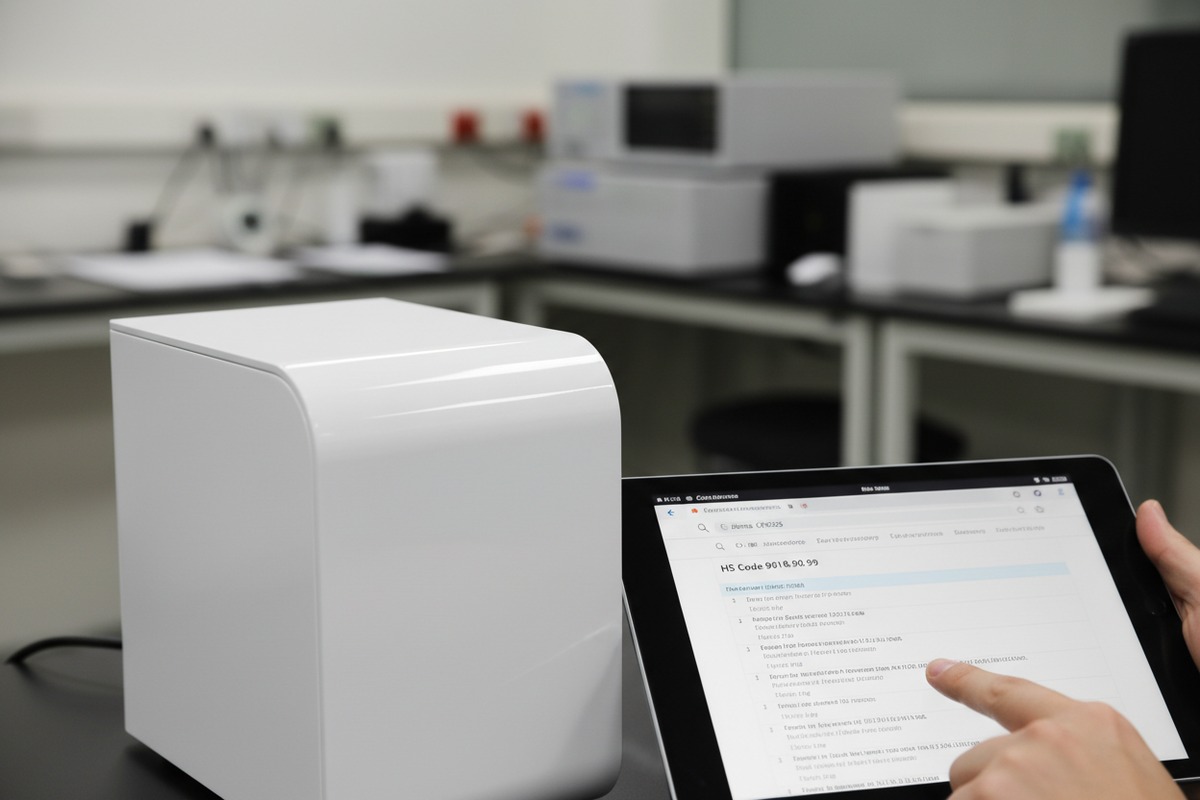
Understanding the Harmonized System Structure
The Harmonized System uses a 6-digit international code 510(k) clearance process 5. The US adds four more digits for specificity. Shockwave therapy machines fall into several possible categories based on their primary function Unique Device Identification (UDI) labels 6.
Medical devices designed for therapeutic treatment often land under Chapter 90. This chapter covers "Optical, photographic, cinematographic, measuring, checking, precision, medical or surgical instruments and apparatus." If your machine treats musculoskeletal conditions and requires FDA clearance, Chapter 90 is likely correct.
However, if your device is marketed primarily for aesthetic or wellness purposes without medical claims, it may fall under Chapter 85 for electrical machinery. This distinction matters because duty rates and regulatory requirements differ significantly.
Common HS Codes for Shockwave Machines
| HS Code | Description | Typical Duty Rate | Best For |
|---|---|---|---|
| 9018.90.99 | Other medical instruments and appliances | 0% | FDA-cleared therapeutic devices |
| 9019.20.90 | Mechano-therapy appliances | 0% – 2.6% | Physical therapy equipment |
| 9019.10.90 | Massage apparatus | 2.6% | Wellness-focused devices |
| 8543.70.9650 | Other electrical machines | 2.6% | General-use electrical equipment |
How to Verify Your Classification
When we ship machines to US buyers, we recommend they consult US Customs and Border Protection's CROSS database 7. This database contains binding rulings on similar products. You can also request your own binding ruling, which takes 30-60 days but provides legal certainty.
Key factors CBP considers include:
- The device's primary intended use
- Marketing materials and product claims
- FDA registration and classification
- Technical specifications and operating principles
A radial shockwave device marketed for plantar fasciitis treatment will likely classify differently than the same device marketed for cellulite reduction. Our engineering team has seen this distinction cause classification disputes at customs.
The Risk of Misclassification
Incorrect HS codes create three problems. First, you may pay more duty than necessary. Second, you may face penalties if CBP determines you deliberately misclassified to avoid duties. Third, your shipment may be held for examination, delaying delivery by weeks.
One US distributor we work with initially classified their focused shockwave machine under 8543.70.9650. After CBP review, the device was reclassified to 9018.90.99. Fortunately, this resulted in a lower duty rate. But the 45-day delay cost them a major client order.
What are the current US import duty rates and Section 301 tariffs for beauty equipment from China?
In our decade of exporting beauty equipment, we have never seen tariff complexity like the current environment. Trade policy changes have layered additional costs onto baseline duties. Understanding these layers is essential for accurate budgeting.
Current US import duties for Chinese-origin shockwave machines combine baseline MFN rates (0%-2.6%) with Section 301 tariffs (7.5%-25%). Most beauty and therapeutic equipment from China faces an additional 7.5% tariff under List 4A, bringing total duties to approximately 10% of declared value.
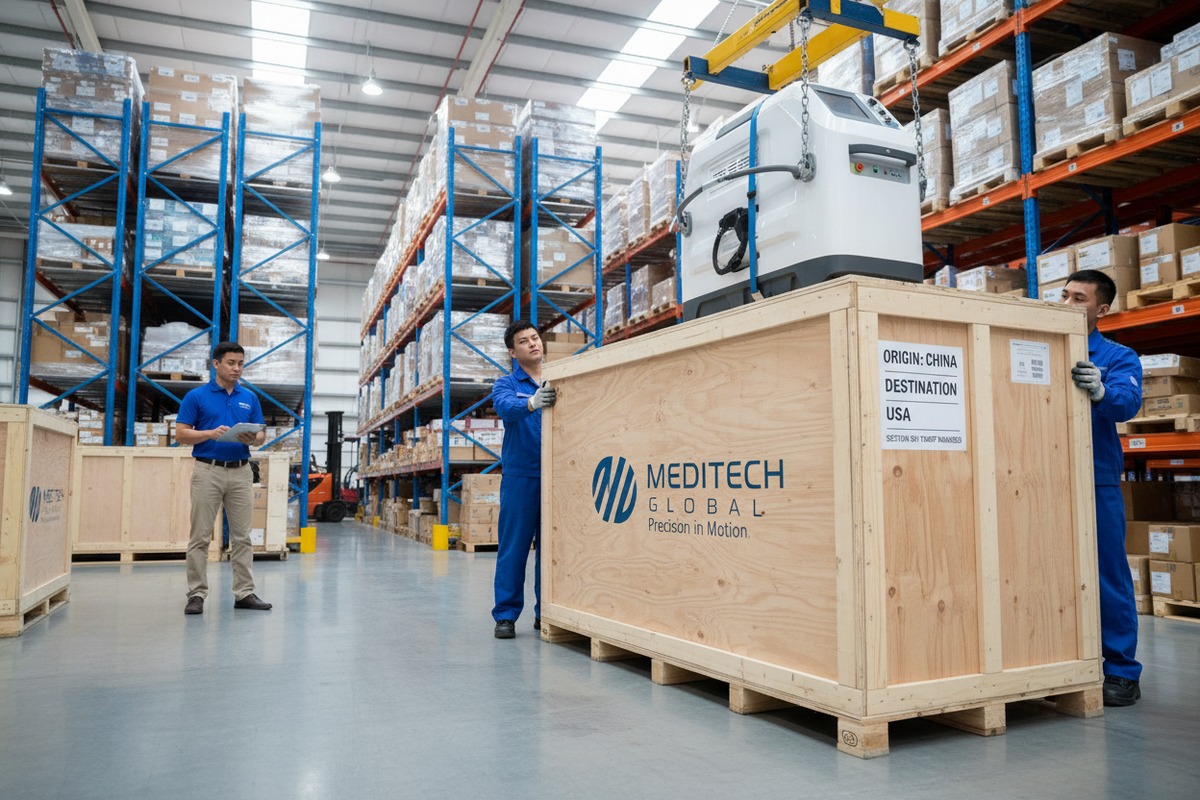
Baseline Most Favored Nation Rates
The standard duty rate for most countries appears in the "General" column of the Harmonized Tariff Schedule. For medical and therapeutic devices, these rates are relatively low.
| HS Code | MFN Rate | Column 2 Rate |
|---|---|---|
| 9018.90.99 | Free | 40% |
| 9019.20.90 | Free | 40% |
| 9019.10.90 | 2.6% | 40% |
| 8543.70.9650 | 2.6% | 35% |
Column 2 rates apply to very few countries. Most nations receive MFN treatment. China maintains MFN status, so baseline rates remain low.
Section 301 Tariff Additions
The trade dispute with China introduced additional tariffs beyond MFN rates. These Section 301 tariffs 9 apply specifically to Chinese-origin goods. They do not apply to the same products sourced from other countries.
Section 301 tariffs came in four "lists," each targeting different product categories. Most beauty and therapeutic equipment falls under List 4A, which carries a 7.5% additional tariff. Some medical devices landed on earlier lists with higher rates.
Calculating Your Total Duty Rate
For a shockwave therapy machine imported from China:
| Component | Rate | Example on $5,000 CIF Value |
|---|---|---|
| MFN Duty (9019.20.90) | 0% | $0 |
| Section 301 Tariff | 7.5% | $375 |
| Merchandise Processing Fee 10 | 0.3464% | $17.32 |
| Total Government Fees | ~7.85% | $392.32 |
If your device classifies under a code with a 2.6% base rate, add that to the Section 301 amount. Your total duty could reach 10.1% plus processing fees.
Tariff Exclusions and Exemptions
Some products received temporary exclusions from Section 301 tariffs. These exclusions expired for most categories in 2020-2022. Currently, very few medical or beauty devices qualify for exclusion.
The Nairobi Protocol offers duty-free treatment for devices "specially designed or adapted for persons with disabilities." However, general-use shockwave therapy machines do not meet this standard. Devices must be specifically designed for permanent disabilities like hearing impairment, vision loss, or mobility limitations.
Our export documentation team helps buyers determine whether their specific product configuration might qualify for any available exemptions. In most cases, standard shockwave machines do not qualify.
Planning for Tariff Changes
Trade policy remains unpredictable. Section 301 tariffs could increase, decrease, or be restructured. When we quote landed costs to US buyers, we recommend building a 5% buffer for potential tariff changes during the production and shipping timeline.
What documentation do I need to ensure my shockwave machines clear US Customs and FDA inspections?
When our logistics team prepares export shipments, we compile documentation packages that address both CBP and FDA requirements. Missing paperwork causes delays that cost our clients money and credibility with their own customers.
Essential documentation includes commercial invoice, packing list, bill of lading, FDA establishment registration number, device listing number, and 510(k) clearance letter (if applicable). For shockwave therapy machines, you also need Unique Device Identification (UDI) labels and importer registration with FDA.
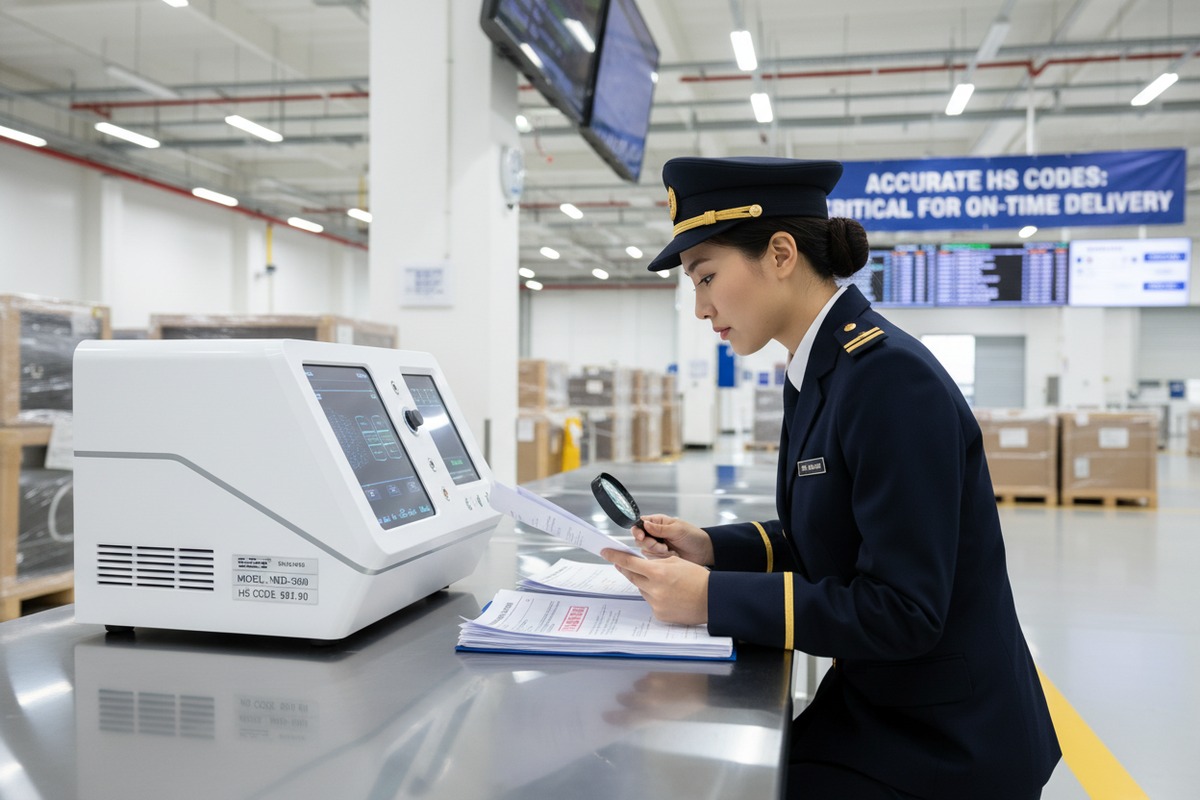
Customs and Border Protection Requirements
CBP requires standard import documentation for all shipments. These documents establish the legal basis for entry and determine applicable duties.
Commercial Invoice: Must include seller and buyer names, detailed product description, quantity, unit value, total value, country of origin, HS code, and Incoterms. We print invoices on company letterhead with original signatures.
Packing List: Details the contents of each carton or crate. Include dimensions, weights, and item counts. CBP uses this to verify shipment contents.
Bill of Lading or Airway Bill: The shipping contract between carrier and shipper. Your customs broker needs this to file entry documents.
Certificate of Origin: Some buyers request this for tariff preference claims. It certifies where the product was manufactured.
FDA Medical Device Import Requirements
FDA oversight applies to shockwave therapy machines classified as medical devices. The FDA maintains active import alerts for therapeutic devices, and non-compliant shipments face detention or refusal.
| FDA Requirement | Description | Timing |
|---|---|---|
| Establishment Registration | Foreign manufacturer must register with FDA | Before first shipment |
| Device Listing | Each device model listed in FDA database | Before first shipment |
| 510(k) Clearance | Premarket notification for Class II devices | Before marketing in US |
| UDI Labeling | Unique device identifier on product and packaging | On every unit |
| Quality System Regulation | GMP compliance documentation | Ongoing requirement |
The 510(k) Clearance Process
Most shockwave therapy machines classify as Class II medical devices. This classification requires 510(k) premarket notification before legal marketing in the United States. The 510(k) demonstrates your device is "substantially equivalent" to a legally marketed predicate device.
Without 510(k) clearance, your shockwave machine cannot be legally imported for commercial sale. FDA may detain and refuse entry. Some buyers mistakenly believe they can import first and seek clearance later. This approach risks losing the entire shipment.
Our company holds 510(k) clearances for specific shockwave therapy configurations. When buyers private-label these cleared models, they can leverage our existing clearance. Custom configurations may require new 510(k) submissions.
Labeling Requirements
FDA requires specific labeling elements on medical devices. Missing or incorrect labels trigger import refusal.
Required label elements include:
- Manufacturer name and address
- Device name and model number
- Unique Device Identifier (UDI)
- Country of origin
- Intended use statement
- Adequate directions for use
- Warning statements (if applicable)
We work with buyers to ensure label content meets FDA requirements before production. Label corrections after manufacturing add cost and delay shipment.
Import Alert 89-01 Considerations
FDA Import Alert 89-01 targets "Misbranded and/or Adulterated Powered Muscle Stimulators and Iontophoresis Devices." While this alert specifically names muscle stimulators, it indicates FDA's active monitoring of therapeutic devices.
Manufacturers on the "Red List" face automatic detention without physical examination. Avoiding this list requires consistent compliance with FDA registration, listing, and quality system requirements.
How can I accurately calculate the total landed cost for my private-label machine order?
Our sales team provides landed cost estimates for every quotation. Buyers who understand all cost components make better sourcing decisions and avoid budget surprises that strain business relationships.
Total landed cost includes product price, tooling and customization fees, inland freight, export charges, ocean or air freight, marine insurance, import duties, customs brokerage, and destination delivery. For a $3,000 shockwave machine from China, expect total landed cost of $4,200-$4,800 depending on shipping method and duty classification.
Breaking Down the Cost Components
Landed cost calculations require accounting for every expense from factory floor to your warehouse door. Missing any component leads to inaccurate budgeting.
| Cost Component | Typical Range | Notes |
|---|---|---|
| Ex-Works Product Price | Base price | Negotiated with manufacturer |
| OEM/Private Label Setup | $200-$500 | Logo, packaging, label customization |
| Inland Freight (China) | $50-$150 | Factory to port |
| Export Documentation | $30-$80 | Commercial invoice, packing list prep |
| Ocean Freight (LCL) | $300-$600 | Per CBM, port to port |
| Ocean Freight (FCL 20') | $2,500-$4,500 | Full container, varies by lane |
| Air Freight | $5-$8/kg | Fastest option, most expensive |
| Marine Insurance | 0.3-0.5% of CIF | Protects against transit loss |
| US Customs Duties | 7.5-10.5% | Based on classification and origin |
| Merchandise Processing Fee | 0.3464% | CBP fee, minimum $27.75 |
| Harbor Maintenance Fee | 0.125% | Ocean shipments only |
| Customs Brokerage | $150-$300 | Per entry, flat fee typical |
| Destination Delivery | $100-$400 | Port to warehouse |
Sample Landed Cost Calculation
Let us work through a real example. One US buyer ordered 10 units of our focused shockwave therapy machine for private-label distribution.
Order Details:
- 10 units @ $2,800 each = $28,000 EXW price
- Total weight: 250 kg
- Total volume: 2.5 CBM
- HS Code: 9019.20.90
- Origin: China
- Destination: Los Angeles
Cost Breakdown:
| Line Item | Amount |
|---|---|
| Product Cost (EXW) | $28,000 |
| Private Label Setup | $350 |
| Inland Freight | $120 |
| Ocean Freight (LCL @ $180/CBM) | $450 |
| Marine Insurance (0.4%) | $116 |
| CIF Value | $29,036 |
| Section 301 Tariff (7.5%) | $2,178 |
| MPF (0.3464%) | $100.54 |
| HMF (0.125%) | $36.30 |
| Customs Brokerage | $175 |
| Destination Delivery | $250 |
| Total Landed Cost | $31,776 |
| Per Unit Landed Cost | $3,177.60 |
This represents a 13.5% increase over the EXW price. The per-unit landed cost of $3,177.60 is what matters for your margin calculations.
Reducing Your Landed Cost
Several strategies can lower your total landed cost:
Consolidate Orders: Shipping larger quantities reduces per-unit freight costs. Our minimum order for full container pricing is typically 50-100 units depending on model.
Optimize Packaging: Reducing carton dimensions lowers volumetric weight and freight costs. Our engineering team has redesigned packaging to reduce shipping volume by 15-20% on some models.
Verify HS Classification: Ensure you are using the code with the lowest legitimate duty rate. A 2.6% difference on a $30,000 order saves $780.
Consider Shipping Methods: Air freight costs 3-5x more than ocean but delivers in days instead of weeks. For urgent orders, the premium may be worthwhile. For standard orders, ocean freight preserves margin.
Work with Experienced Brokers: A good customs broker identifies classification opportunities and avoids costly errors. The $150-$300 brokerage fee typically pays for itself through smooth clearance.
Conclusion
Importing shockwave therapy machines requires attention to HS classification, tariff calculations, FDA compliance, and comprehensive cost planning. Getting these elements right protects your margins and ensures smooth customs clearance. Our team supports US buyers through every step of this process, from product selection to door-to-door delivery.
Footnotes
1. Wikipedia provides a clear, comprehensive overview of the Harmonized System’s structure and organization. ↩︎
2. WCO developed and maintains the Harmonized System for international product classification. ↩︎
3. Official FDA guide on requirements for importing medical devices into the U.S. ↩︎
4. Official CBP explanation of Most Favored Nation (Normal Trade Relations) duty rates. ↩︎
5. Official FDA page providing an overview of the 510(k) premarket notification process for medical devices. ↩︎
6. Official FDA resource explaining the Unique Device Identification (UDI) system and its requirements. ↩︎
7. Replaced with the direct, authoritative link to the CBP Customs Rulings Online Search System (CROSS) database. ↩︎
8. Explains how the Nairobi Protocol provides duty-free entry for specific medical devices for persons with disabilities. ↩︎
9. Replaced with a general, authoritative USTR page on Section 301 investigations, as the specific original URL was a 404. ↩︎
10. Official CBP information on the Merchandise Processing Fee, including rates and exemptions. ↩︎

 English
  Español de México
  Deutsch
  Français
  العربية
  Русский