
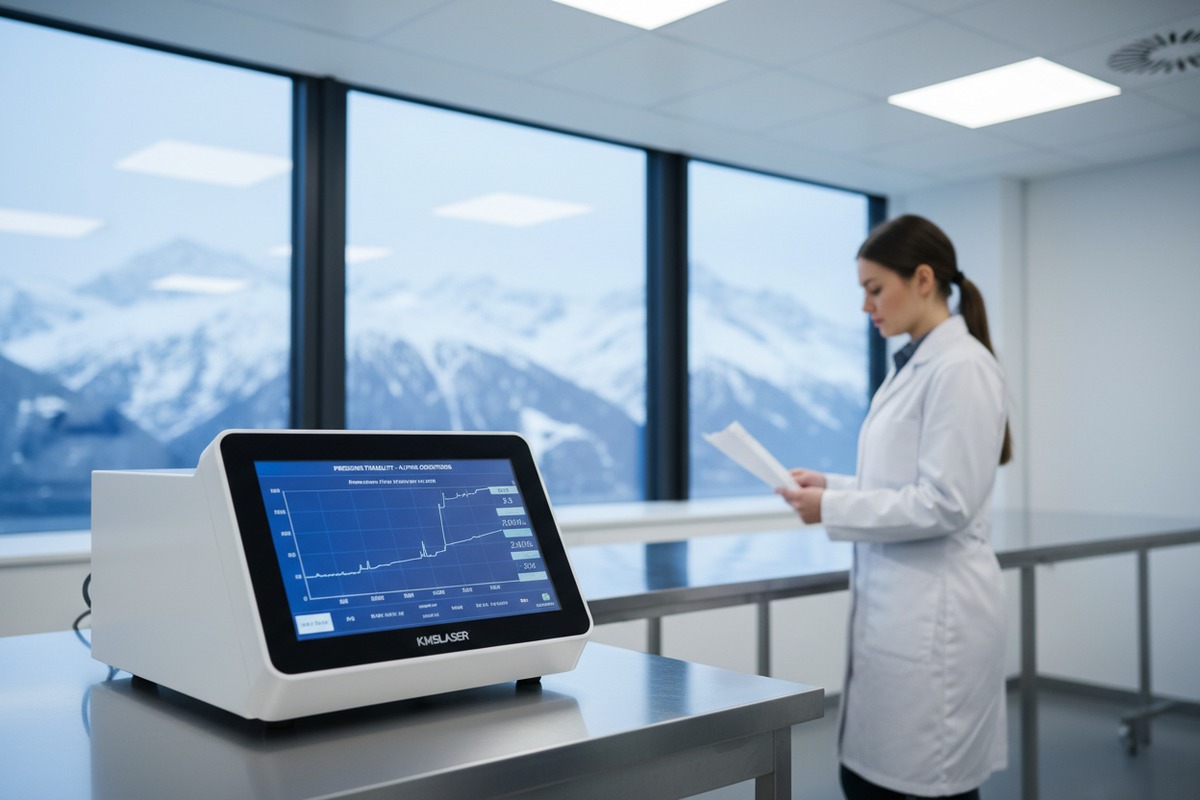
When our production team ships pressotherapy machines to clients in Denver, Mexico City, or the Swiss Alps, we often receive questions about performance consistency. The reality is simple: pneumatic systems 1 behave differently at high elevations. Lower atmospheric pressure changes how air compressors 2 work and how pressure is delivered to treatment chambers.
To ask suppliers about pressotherapy machine performance stability at different altitudes, request altitude-specific testing data, inquire about built-in pressure compensation features, verify the operating altitude range, ask for documented performance curves showing pressure output versus elevation, and confirm warranty coverage for high-altitude use.
This guide will walk you through the exact questions to ask your supplier. We will cover pump consistency, quality control testing, sensor customization, and motor durability in thin-air environments. Each section provides practical questions you can send directly to your supplier.
How do I verify if the pressotherapy pump maintains consistent compression levels at high altitudes?
When we test our pressotherapy units 3 before export, altitude-related pressure variations are a critical checkpoint. Many buyers assume that a machine rated at 200 mmHg will deliver exactly that pressure anywhere in the world. This assumption can lead to disappointing treatment outcomes for your end users.
To verify pump consistency at high altitudes, request documentation of pressure output testing at multiple elevations (sea level, 5,000 ft, 10,000 ft), ask for pressure differential specifications rather than absolute pressure readings, and confirm whether the pump includes altitude compensation technology.

Understanding Why Altitude Affects Pneumatic Compression
Pressotherapy machines work by inflating airbags around the body using compressed air. The core mechanism involves sequential inflation and deflation of air chambers. Air pressure typically ranges from 20-240 mmHg depending on the device and application. At higher altitudes, lower atmospheric pressure affects how compressors deliver air.
Research on CPAP machines 4 shows that "altitude significantly alters delivered pressure according to predictions made by the fan laws, unless a unit has pressure-compensating features." This principle applies directly to pressotherapy devices. A compressor with a pressure ratio of 8.0 at sea level will have a pressure ratio of 11.1 at an altitude of 3000 meters if the application's operating pressure is unchanged.
Key Questions to Ask Your Supplier
| Question | Why It Matters | Red Flag If Missing |
|---|---|---|
| At what altitude were your specifications tested? | Most specs are sea-level measurements | No altitude reference means untested |
| What is the maximum operating altitude? | Defines your market limitations | Generic "worldwide use" claims |
| Does the pump have pressure compensation? | Essential for consistent therapy | Silence on compensation features |
| Can you provide pressure output curves at 0, 5000, 10000 ft? | Shows actual performance variation | Refusal or "unavailable" response |
What to Look for in Technical Documentation
Quality suppliers provide specifications that include operating altitude range. Medical-grade pressotherapy devices should include premium compression sensors that "can monitor the applied pressure and provide feedback to ensure the device functions correctly and applies the desired pressure."
Ask your supplier for test reports showing:
- Actual pressure delivered at different altitudes
- Compressor efficiency ratings
- Airflow rates (liters per minute) at various elevations
- Motor power consumption changes with altitude
Real-World Verification Methods
Before committing to a large order, consider requesting a sample unit and testing it yourself. If your target market includes high-elevation areas, partner with a local facility to run basic pressure tests. Document the results and compare them to the supplier's claims.
What specific quality control tests do you perform to simulate atmospheric pressure changes for my shipment?
Our quality team runs every machine through environmental stress tests before shipping. However, not all manufacturers have the same testing standards. Knowing what tests your supplier performs helps you understand the reliability of the product you are buying.
Ask your supplier about IEC 60068-2-13 low air pressure testing compliance, altitude chamber testing capacity, combined altitude and temperature testing protocols, and whether they simulate both operational and shipping altitude conditions.

Industry Standards for Altitude Testing
Multiple international standards govern altitude testing for electronic and pneumatic devices. The object of IEC 60068-2-13 5 testing is to determine the ability of components, equipment, or other articles to be stored, transported, or used under low air pressure conditions. Other relevant standards include:
| Standard | Application | Altitude Range |
|---|---|---|
| IEC 60068-2-13 | Low air pressure testing | Up to 70,000 ft |
| IEC 60068-2-40 | Combined cold and low pressure | Variable |
| MIL-STD-810 6 | Military-grade environmental testing | Up to 100,000 ft |
| ASTM D6653 | Packaging effects at high altitude | Transportation altitudes |
Testing labs can simulate altitudes up to 50,000 feet and evaluate how products react to rapid or prolonged changes in atmospheric pressure. Combined testing with temperature and humidity is also common.
What Quality Suppliers Should Provide
A credible supplier should be able to show you:
- Test chamber specifications and capabilities
- Test protocols used during production QC
- Pass/fail criteria for altitude performance
- Sample test reports from recent production runs
Altitude testing simulates reduced air pressure experienced at higher elevations and its impact on product integrity. Quality manufacturers perform altitude testing at constant rates or cycle between altitude pressures while the device is powered on or off.
Questions to Include in Your RFQ
When requesting a quote, include these specific questions:
- Do you perform altitude simulation testing on every unit or batch sampling?
- What is the maximum altitude your test chamber can simulate?
- Can you provide test certificates showing altitude test results?
- Do you test the machine operating at altitude, or only during simulated shipping?
- What is your pass rate for altitude testing?
Understanding Shipping Stress vs. Operating Stress
Products face altitude stress during both shipping and operation. While modern aircraft cargo holds are pressurized, they are not maintained at sea-level pressure. At cruising altitudes, the pressure drops significantly. This creates pressure differentials that can affect sealed components and pneumatic systems.
For pressotherapy machines, both shipping altitude (typically up to 40,000 ft in unpressurized cargo) and operating altitude (mountain clinics at 10,000+ ft) must be considered. Ask your supplier if they test for both scenarios.
Can your engineering team customize the internal sensors to ensure performance stability in my high-elevation markets?
When clients come to us with specific high-altitude requirements, our engineering team evaluates sensor and software modifications. Customization is often possible, but it requires clear communication about your target market conditions and expected performance parameters.
Ask your supplier about barometric pressure sensor integration, altitude-compensating firmware options, real-time pressure calibration algorithms, and custom operating profiles for specific elevation ranges. Also inquire about the engineering timeline and minimum order quantities for customization.
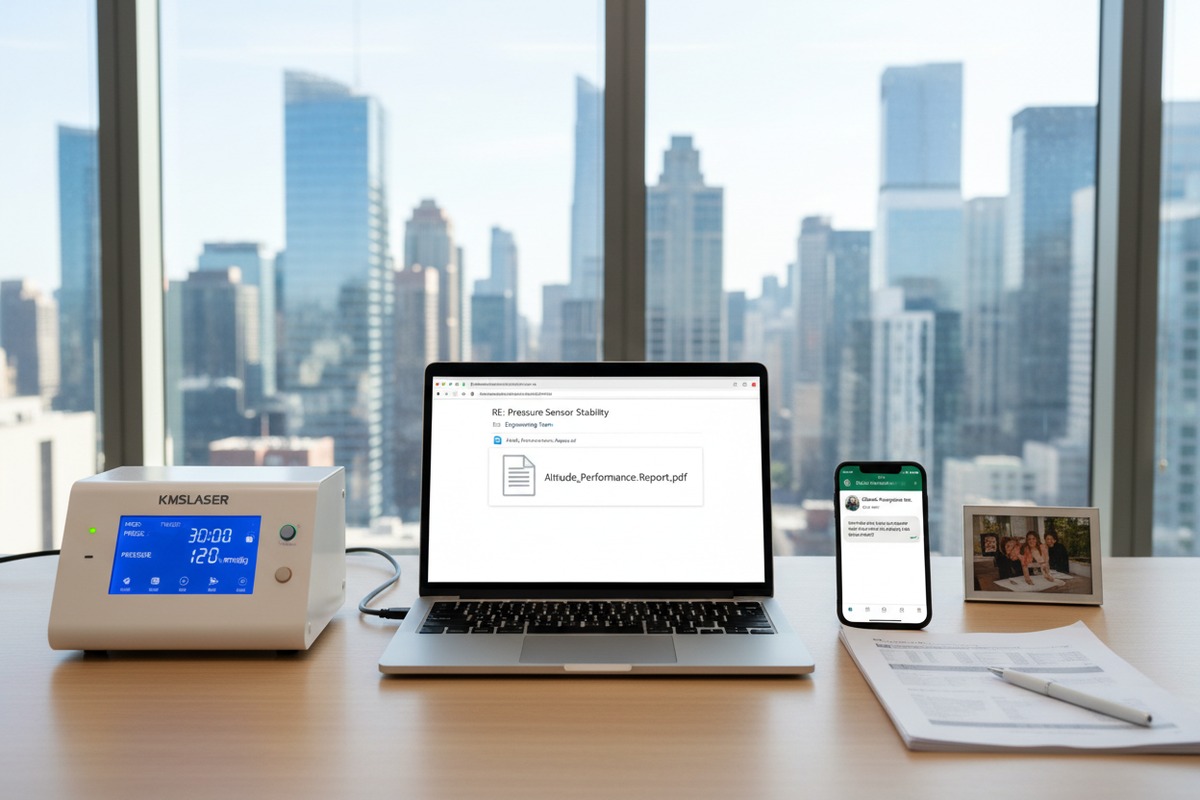
Types of Sensors That Enable Altitude Compensation
Modern pressotherapy systems can include various sensors to maintain performance at different altitudes:
| Sensor Type | Function | Altitude Benefit |
|---|---|---|
| Barometric pressure sensor 7 | Measures ambient atmospheric pressure | Enables automatic pressure adjustment |
| Compression feedback sensor | Monitors actual pressure in airbags | Confirms therapeutic pressure delivery |
| Temperature sensor | Tracks motor and ambient temperature | Prevents overheating in thin air |
| Flow rate sensor | Measures air volume delivery | Adjusts for density changes at altitude |
In the medical industry, barometric pressure sensors accurately ensure devices are calibrated to current atmospheric conditions. Some modern devices can recognize pressure variations as minimal as 0.01 hectopascals.
Software Customization Options
Beyond hardware sensors, software plays a crucial role in altitude compensation. Ask your supplier about:
- Altitude mode programming: Does the firmware include preset modes for different elevation ranges?
- Automatic calibration: Can the machine auto-calibrate based on sensed barometric pressure?
- Manual offset settings: Can users input their local altitude for manual compensation?
- Pressure target adjustments: Does the software adjust target pressure based on altitude input?
AI-driven algorithms 8 in respiratory devices can learn patterns and automatically adjust air pressure delivery to optimize therapy. Similar technology can be applied to pressotherapy systems.
Engineering Collaboration Process
When you need custom sensor integration, expect this process:
- Requirement gathering: You provide target altitude range, performance specifications, and volume projections
- Feasibility assessment: Supplier engineering team evaluates hardware and software changes needed
- Prototype development: Modified units are built and tested
- Validation testing: Prototypes are tested at simulated altitudes
- Production integration: Approved changes are incorporated into your production orders
Ask about:
- Lead time for engineering modifications
- Additional per-unit cost for custom sensors
- Minimum order quantities for customized versions
- Warranty coverage for customized components
Evaluating Supplier Engineering Capability
Not all suppliers have the engineering depth for sensor customization. Evaluate their capability by asking:
- Do you have in-house electrical and software engineers?
- Have you completed altitude-related customizations for other clients?
- Can you provide case studies or references?
- What testing equipment do you have for validating sensor accuracy?
How can I be sure the machine's cooling and motor systems will remain durable in thin-air environments?
At our facility, motor reliability testing is a standard part of production validation. However, high-altitude environments create unique stress on cooling systems and motors that many suppliers do not adequately test. Understanding these challenges helps you ask the right questions.
To verify motor and cooling durability at altitude, ask about motor power derating specifications for high elevation, cooling system design for low-density air, expected lifespan reduction at altitude, and maintenance requirements for thin-air operation.
How Altitude Affects Motors and Cooling
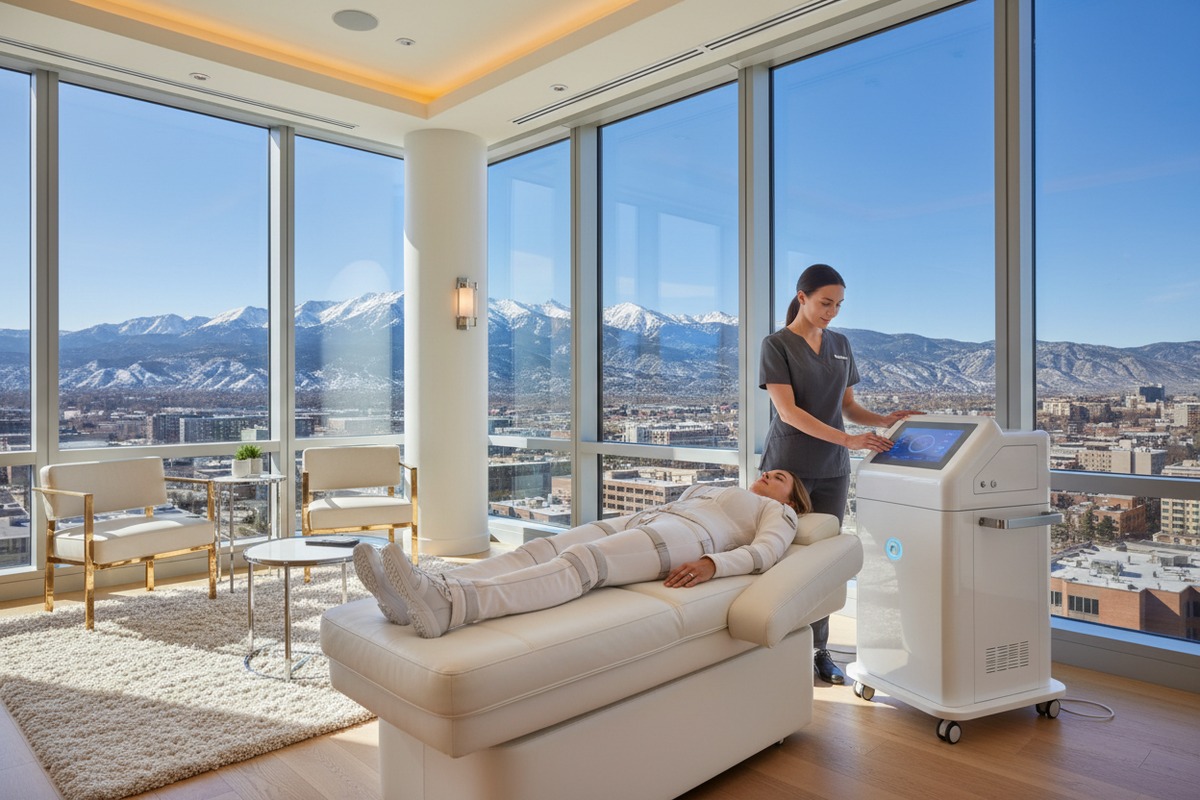
Cooling is impaired on electric motors 9 by the lower density air at high altitudes. Standard motors should be able to work up to 1000 m and with an ambient temperature of 40°C without any impacts on rated data. However, at higher altitudes, motor performance degrades.
The key factors include:
| Altitude | Motor Power Derating | Cooling Efficiency |
|---|---|---|
| Sea level | 100% rated power | 100% rated |
| 1,000 m (3,280 ft) | 100% rated power | Minimal reduction |
| 2,000 m (6,560 ft) | ~95% rated power | Noticeable reduction |
| 3,000 m (9,840 ft) | ~90% rated power | Significant reduction |
| 4,000 m (13,120 ft) | ~85% rated power | Major reduction |
Operating a standard compressor at high altitude requires lowering the working pressure or fitting an oversized motor. This is why knowing your target market elevation is critical when specifying equipment.
Questions About Motor Durability
Ask your supplier these specific questions about motor and compressor durability:
- What is the rated operating altitude for the motor?
- Is the motor oversized to allow for altitude derating?
- What type of cooling system does the compressor use (air-cooled, oil-cooled)?
- Has the cooling system been tested at reduced air density?
- What is the expected motor lifespan at 10,000 ft versus sea level?
Cooling System Considerations
Air-cooled systems are most affected by altitude. The lower air density means less heat transfer capability. Quality suppliers address this by:
- Using oversized heat sinks
- Installing higher-capacity cooling fans
- Using temperature sensors with automatic shutoff protection
- Specifying maximum operating temperature at altitude
Some manufacturers perform high-temperature tests of air-cooled equipment without air pressure reduction as a lower-cost way to simulate the effect of low-density air at high altitudes.
Maintenance Implications
High-altitude operation affects maintenance schedules. Ask about:
- Recommended service intervals at altitude
- Air filter replacement frequency
- Motor brush inspection schedules (if applicable)
- Seal and gasket inspection requirements
Altitude environments can lead to pressure-related failures, seal degradation, material expansion, and reduced electrical performance. Understanding these risks helps you plan for ongoing maintenance support.
Long-Term Durability Testing
For large orders destined for high-altitude markets, request extended testing data:
- Accelerated life testing at simulated altitude
- Motor temperature logging during extended operation
- Compressor efficiency measurements over time
- Failure mode analysis from altitude testing
This data helps you understand the real-world durability you can expect and plan for warranty support.
Conclusion
Asking the right questions about altitude performance helps you select pressotherapy machines that will work reliably in your target markets. Focus on pump consistency, quality control testing, sensor customization options, and motor durability. Document supplier responses in writing and request supporting test data before finalizing your purchase decision.
Footnotes
1. Authoritative source explaining pneumatic systems. ↩︎
2. Describes the fundamental principles and operation of air compressors. ↩︎
3. Provides a medical definition and explanation of how pressotherapy works. ↩︎
4. Discusses the performance of CPAP machines and the effect of altitude. ↩︎
5. Specifies test methods for equipment exposed to low air pressure conditions. ↩︎
6. Explains the U.S. military standard for environmental engineering considerations and laboratory tests. ↩︎
7. Describes the function and importance of barometric pressure sensors. ↩︎
8. Discusses the transformative potential of AI algorithms in respiratory care. ↩︎
9. Explains how altitude affects electric motors and their cooling efficiency. ↩︎

 English
 Español de México
 Deutsch
 Français
 العربية
 Русский
