

When our production team sources components for pressotherapy systems, we face a complex web of suppliers, certifications, and quality variables. A single weak link—unreliable valves, inconsistent compression sleeves, or delayed shipments—can derail your entire product line. The pain is real: your brand reputation suffers, customers complain, and revenue drops.
To evaluate upstream supply chain control, audit raw material origins and certifications, verify OEM branding processes that protect product stability, assess production management systems for on-time delivery, and confirm logistics support meets door-to-door standards. This multi-step approach ensures consistent quality, regulatory compliance, and inventory reliability.
Below, we break down each critical area—raw material sourcing, custom OEM execution, production management, and logistics evaluation. These practical steps help you choose the right manufacturing partner and protect your business.
How do I audit the factory's raw material sourcing to ensure my pressotherapy machines are built with high-quality components?
In our experience building pressotherapy systems for global distributors, raw material quality determines everything—from device lifespan to patient safety. Many buyers overlook this step, trusting supplier claims without verification. The result? Devices fail prematurely, warranty costs spike, and your customers lose confidence.
Audit raw material sourcing by requesting supplier certifications (ISO 13485, CE, FDA clearance), tracing component origins, reviewing incoming inspection records, and conducting on-site factory visits. Verify that critical parts like pneumatic valves, compression sleeves, and control boards come from qualified, traceable sources.
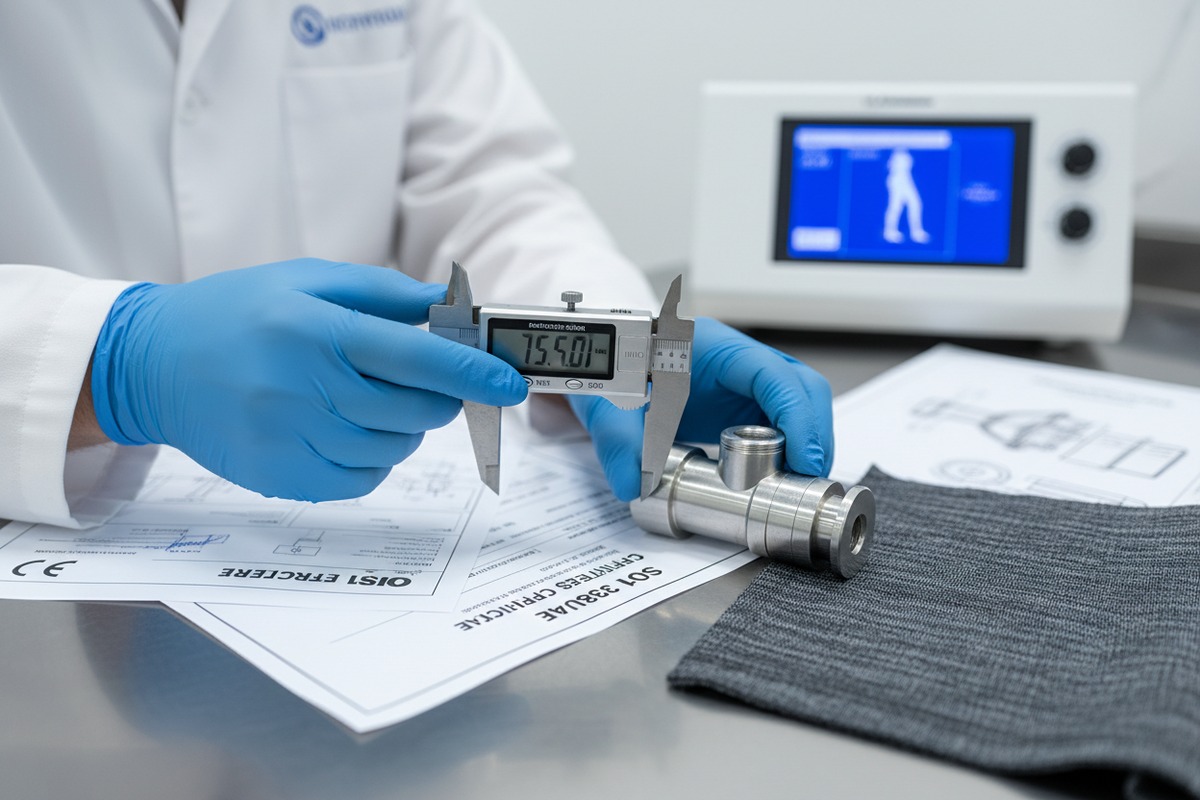
Why Raw Material Traceability Matters
Raw material traceability is not optional for medical-grade equipment. Pressotherapy machines rely on multiple specialized components. Pneumatic control valves regulate air pressure. Compression sleeves apply therapeutic force to patients. Control units coordinate treatment protocols. Each part must meet strict specifications.
When our engineers evaluate incoming materials, they check lot numbers, supplier certificates, and test reports. This creates a documented chain from raw material to finished device. If a defect appears later, we can trace it back to the source and fix the root cause.
Key Certifications to Request
| Certification | What It Covers | Why It Matters |
|---|---|---|
| ISO 13485 1 | Quality management system for medical devices | Demonstrates systematic quality control throughout manufacturing |
| CE Marking 2 | European conformity standards | Required for EU market access |
| FDA 510(k) 3 | US market clearance | Required for US medical device sales |
| RoHS 4 | Restriction of hazardous substances | Ensures environmental compliance |
ISO 13485 is an internationally recognized standard that defines the quality management system (QMS) requirements for medical device manufacturers. The purpose of ISO 13485 is to provide medical devices and related services that consistently meet customer and regulatory requirements throughout the product lifecycle.
Conducting Supplier Audits
A thorough supplier audit involves several steps:
- Document Review: Request material specifications, test certificates, and incoming inspection procedures.
- On-Site Visit: Walk through the factory floor. Observe how components are received, stored, and tested.
- Sample Testing: Take random samples from production batches. Send them to an independent lab for verification.
- Supplier Scorecards: Track delivery performance, defect rates, and responsiveness over time.
Supplier audits are risk-based evaluations of external suppliers performed to verify compliance with ISO 13485 Clause 7.4.1 and verify the supplier's ability to meet specific quality and regulatory requirements. Supplier audit results must be documented and used to update risk ratings, supplier scorecards, and the Approved Supplier List (ASL) as part of the supplier management cycle.
Dual-Sourcing Strategy
Major Market Restraint: ~70 percent of global supply of pressotherapy devices is concentrated in a handful of manufacturers, limiting pricing flexibility and regional availability. This concentration creates risk. If your sole supplier faces disruption, your production stops.
We recommend identifying backup suppliers for critical components. This dual-sourcing approach 5 protects you against supply chain disruptions, tariffs, and price fluctuations.
What steps should I take to confirm the supplier can execute my custom OEM branding without compromising product stability?
Our R&D team has seen buyers excited about custom branding—logos, interfaces, packaging—only to discover later that changes introduced defects. A rushed logo print damaged housing integrity. A modified user interface caused software glitches. These problems hurt sales and brand image.
Confirm OEM capability by reviewing the manufacturer’s design change control process, requesting samples with your branding applied, testing those samples rigorously, and verifying that modifications do not affect core functionality, safety, or regulatory compliance. Proper OEM execution preserves product stability.

Understanding OEM vs. ODM Services
OEM (Original Equipment Manufacturer) 6 means the factory produces devices based on your design or specifications. You control the brand, appearance, and sometimes features. ODM (Original Design Manufacturer) means the factory provides the product design, and you add your branding.
OEM (Original Equipment Manufacturer): The customer provides the brand and design, and the manufacturer produces the product according to the customer's requirements. ODM (Original Design Manufacturer): The manufacturer is responsible for product research and development and design, and the customer can choose to use the product as is or customize it partially.
For pressotherapy machines, most buyers start with ODM—using the manufacturer's proven design—and add custom branding. This approach balances customization with stability.
Critical OEM Customization Areas
| Customization Area | What to Check | Risk If Poorly Executed |
|---|---|---|
| Logo and Branding | Print durability, color accuracy, surface integrity | Peeling logos, discoloration, housing damage |
| User Interface | Software stability, language options, menu navigation | Software crashes, user confusion |
| Packaging | Structural strength, cushioning, brand messaging | Shipping damage, unprofessional presentation |
| Accessories | Material quality, fit, durability | Poor user experience, early wear |
Design Change Control Process
A reliable manufacturer follows a structured design change process:
- Change Request: You submit detailed specifications for the customization.
- Feasibility Review: Engineering evaluates whether the change is possible without affecting device function.
- Prototype Development: The factory creates samples with your modifications.
- Testing and Validation: Prototypes undergo functional, safety, and durability tests.
- Approval and Documentation: Once validated, changes are documented and approved for production.
Brand Logo: Customize the beauty equipment casing, packaging, and user interface with your brand logo to enhance brand recognition. Printing Technology: Utilize high-quality printing techniques to ensure the logo's colors and design align with your brand image, offering durability and resistance to wear.
Sample Validation Steps
Before approving production, test OEM samples thoroughly:
- Visual Inspection: Check logo placement, color accuracy, surface finish.
- Functional Testing: Run full treatment cycles. Verify pressure settings, timing, and safety features work correctly.
- Durability Testing: Simulate extended use. Check for wear, fading, or component loosening.
- Regulatory Review: Confirm that modifications do not affect CE, FDA, or other compliance.
Protecting Intellectual Property
When sharing branding assets and design requirements, clarify IP ownership in your contract. A reputable manufacturer will protect your designs and not share them with competitors.
Intellectual Property Ownership: Working with an OEM allows brands to typically own the intellectual property (IP) of their products. This means the brand holds the rights to the design and formulation, securing their innovations from being replicated by others.
How can I evaluate a manufacturer's production management to guarantee my orders arrive on time and avoid inventory gaps?
When we plan production schedules for overseas buyers, we know delays ripple across your entire business. A late shipment means empty shelves, lost sales, and frustrated customers. Many buyers discover this only after signing contracts with suppliers who overpromise.
Evaluate production management by reviewing the manufacturer’s scheduling systems, capacity planning methods, quality checkpoints, and historical on-time delivery rates. Ask for references, inspect production workflows, and confirm communication protocols for order tracking and issue resolution.

Why Production Management Matters
Production scheduling is crucial for managing your manufacturing operations to ensure efficient production and timely delivery of products to meet customer demand. Key objectives of production scheduling include: Resource Optimization: Efficiently utilizing available resources—like machinery, equipment, and labor—to achieve production targets. Cost Minimization: By effectively scheduling tasks and reducing downtime, organizations can lower production expenses. Meeting Customer Expectations: Aligning production with customer orders and demand forecasts to ensure timely delivery and enhance customer satisfaction.
For pressotherapy machine buyers, production delays create serious problems. You cannot fulfill customer orders. Marketing campaigns launch without product availability. Competitors capture your market share.
Key Production Management Indicators
| Indicator | What to Ask | Healthy Benchmark |
|---|---|---|
| On-Time Delivery Rate | What percentage of orders ship on the confirmed date? | >95% |
| Average Lead Time | How many days from order confirmation to shipment? | 30-45 days for OEM orders |
| Production Capacity | How many units can the factory produce monthly? | Sufficient for your projected orders |
| Quality Pass Rate | What percentage of units pass final inspection? | >98% |
Production Scheduling Systems
Modern manufacturers use digital tools to manage production:
These systems are integrated with advanced algorithms and heuristic functions to dynamically generate schedules in real time, which allows for everything from reducing downtime and balancing workloads to improving punctuality in meeting delivery dates. When these systems are integrated with enterprise platforms (ERP, MPS, or MRP) and real-time execution systems (such as MES or IIoT systems), they enable dynamic predictive scheduling, agile rescheduling to address last-minute changes, and continuous process monitoring.
Ask potential suppliers whether they use ERP (Enterprise Resource Planning) 7 or MES (Manufacturing Execution System) software. These tools improve visibility and help prevent delays.
Quality Checkpoints Throughout Production
Reliable production management includes quality checks at multiple stages:
- Incoming Material Inspection: Verify raw materials before production starts.
- In-Process Inspection: Check critical assemblies during manufacturing.
- Final Inspection: Test completed units against specifications.
- Pre-Shipment Inspection: Random sampling before container loading.
As a result, SAY Plastics' on-time delivery rates are now near to 100%. This example shows that integrated data systems and proactive management can achieve excellent delivery performance.
Communication and Order Tracking
Clear communication prevents surprises. Confirm these protocols:
- Order Confirmation: Written confirmation with delivery date and specifications.
- Production Updates: Regular status reports (weekly for large orders).
- Issue Escalation: Named contact for resolving problems quickly.
- Shipment Notification: Tracking information shared when goods leave the factory.
Capacity Planning for Peak Seasons
Discuss seasonal demand with your supplier. If you expect higher orders during certain months, the manufacturer needs advance notice to secure materials and schedule labor.
What criteria should I use to judge if a supplier's logistics and supply chain support meet my standards for door-to-door delivery?
Our logistics team coordinates shipments to over 30 countries. We have seen everything—customs delays, damaged packaging, missing documents. Buyers often underestimate logistics complexity. They assume the supplier handles everything perfectly. Reality is different.
Judge logistics support by evaluating the supplier’s freight forwarding partnerships, customs documentation accuracy, packaging standards, shipment tracking capabilities, and experience with your destination country. Door-to-door delivery requires coordination across pickup, international transport, customs clearance, and final delivery.
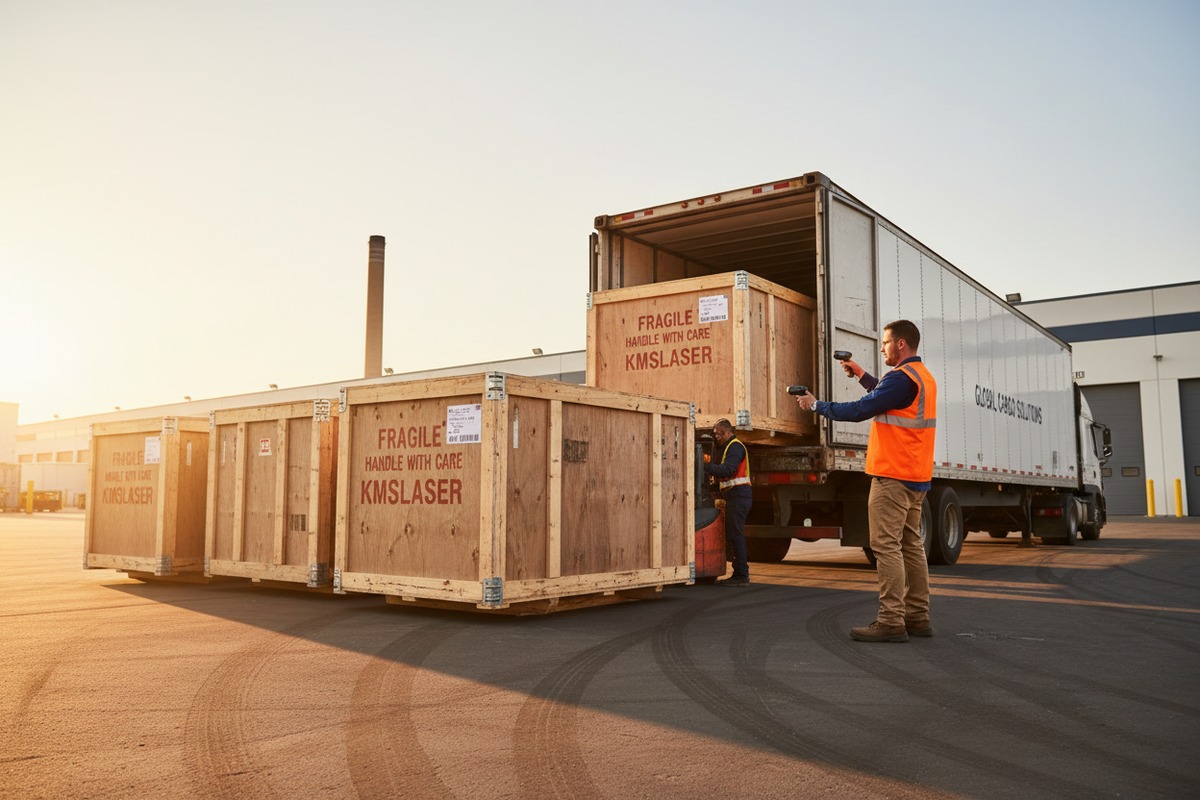
What Door-to-Door Delivery Includes
Door-to-door delivery is a transportation service freight forwarders provide to clients. Under these terms of service, the freight forwarder picks up the container containing the cargo or the cargo itself, transports it to the destination port by the carrier, and delivers it to the designated location in the destination country while handling all necessary processes and paperwork.
This comprehensive service means you receive goods at your warehouse or specified address without managing intermediate logistics yourself.
Key Logistics Evaluation Criteria
| Criterion | What to Verify | Why It Matters |
|---|---|---|
| Freight Options | Air, sea, rail, express courier availability | Different options suit different urgency and budget needs |
| Customs Expertise | Experience with destination country regulations | Prevents clearance delays, fines, or rejected shipments |
| Packaging Quality | Protective materials, labeling, handling instructions | Prevents shipping damage |
| Tracking Systems | Real-time shipment visibility | Enables proactive management and customer communication |
| Insurance Coverage | Cargo insurance options and coverage limits | Protects against loss or damage during transit |
Understanding Incoterms
Incoterms 8 define responsibilities between buyer and seller. Common terms for pressotherapy machine shipments:
- EXW (Ex Works): Buyer handles all logistics from factory gate.
- FOB (Free on Board): Seller loads goods onto the ship; buyer handles the rest.
- DDP (Delivered Duty Paid): Seller handles everything, including customs duties at destination.
Door-to-Door Shipping and Delivered Duty Paid (DDP) shipping are commonly used terms in international logistics. While they share similarities, they cater to different shipping needs. Definition: A logistics service where goods are picked up from the supplier's location in China and delivered directly to the buyer's address in the destination country.
For hassle-free imports, DDP or full door-to-door service is often preferred.
Packaging Standards for Pressotherapy Machines
Pressotherapy devices contain sensitive electronics and precision components. Proper packaging includes:
- Inner Protection: Foam inserts, anti-static bags for electronics.
- Outer Carton: Strong corrugated cardboard rated for international shipping.
- Pallet or Crate: For larger shipments, wooden crates or pallets with proper securing.
- Labeling: Handling instructions, fragile warnings, correct shipping marks.
Transit Times by Shipping Mode
| Mode | Typical Transit Time (China to US) | Best For |
|---|---|---|
| Express Courier (DHL, FedEx) | 5-7 days | Urgent, small shipments |
| Air Freight | 7-14 days | Medium urgency, moderate volume |
| Sea Freight | 25-40 days | Large volume, cost-sensitive |
| Rail Freight (to Europe) | 14-18 days | Balanced speed and cost |
It is the fastest and easiest way to ship goods from China to US and Europe, giving 5 to 7 working days transit time, depending on the chosen shipping speed, the courier, and the type of products you're shipping.
Questions to Ask Your Supplier
- Which freight forwarders do you work with regularly?
- Can you provide DDP shipping to my country?
- What is your process for customs documentation?
- How do you handle shipping damage claims?
- Can you share tracking information proactively?
Conclusion
Evaluating upstream supply chain control protects your pressotherapy machine business from quality failures, delivery delays, and regulatory risks. Audit raw materials thoroughly, verify OEM customization processes, assess production management systems, and confirm logistics capabilities. These steps help you partner with manufacturers who deliver consistent quality and on-time shipments—building a foundation for long-term success.
Footnotes
1. Found a working and relevant page on the original domain (BSI Group) providing information on ISO 13485 for medical devices. ↩︎
2. Replaced with an authoritative source from the European Union’s official website explaining CE Marking. ↩︎
3. Replaced with a working and authoritative page on the official FDA website detailing Premarket Notification 510(k). ↩︎
4. Details the EU directive restricting hazardous substances in electrical and electronic equipment. ↩︎
5. Explains dual sourcing as a supply chain strategy to mitigate risks and enhance resilience. ↩︎
6. Defines Original Equipment Manufacturer as a company producing parts marketed by another. ↩︎
7. Explains ERP as integrated software managing day-to-day business processes and operations. ↩︎
8. Clarifies Incoterms as rules defining responsibilities, costs, and risks in international transactions. ↩︎
9. Explains DDP as an Incoterm where the seller bears maximum responsibility for delivery and costs. ↩︎

 English
 Español de México
 Deutsch
 Français
 العربية
 Русский
