
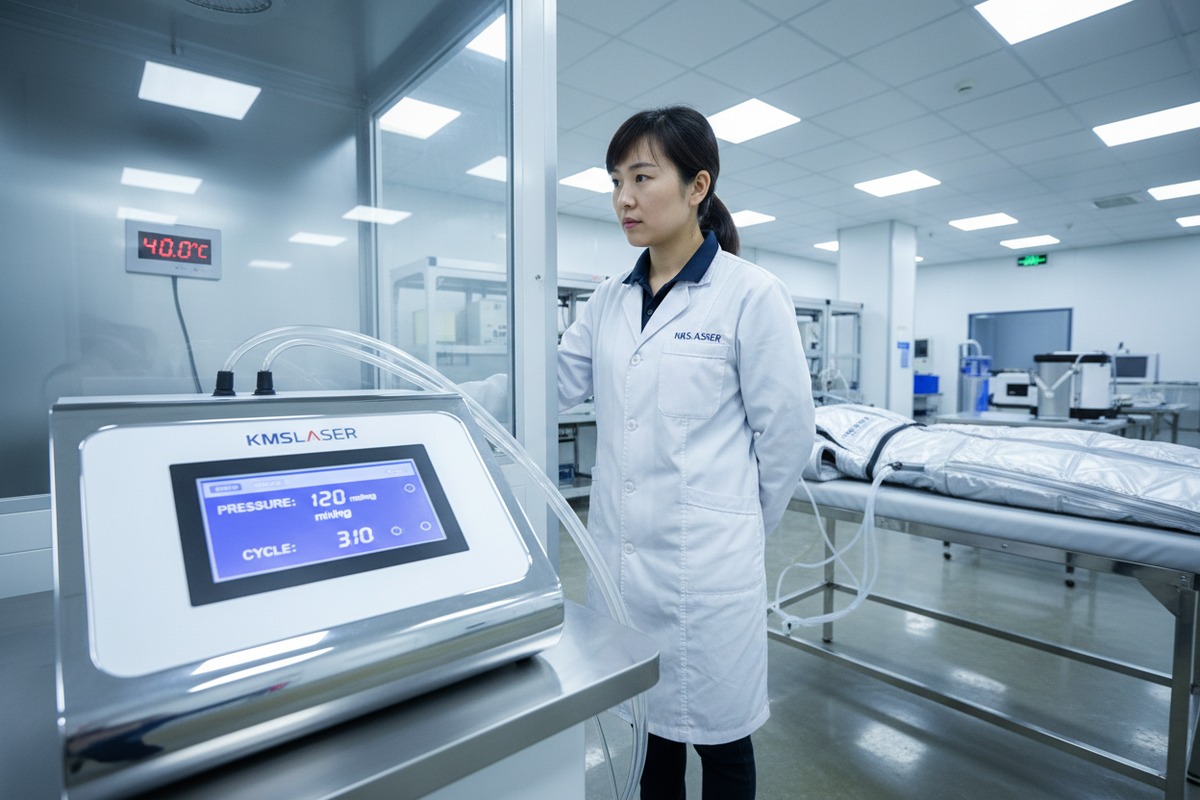
At our production facility in Guangzhou, we’ve seen many procurement teams overlook one critical factor when selecting pressotherapy equipment 2: temperature performance. A machine that works flawlessly in a climate-controlled showroom may struggle in a busy salon where ambient temperatures climb during back-to-back treatments. This oversight leads to inconsistent pressure delivery, shortened equipment lifespan, and costly downtime.
To evaluate pressotherapy machine temperature performance during procurement, request thermal stress testing reports, verify the specified operating temperature range (typically 10°C–40°C), examine internal cooling system design, and assess compressor efficiency ratings. These factors determine whether your equipment will deliver consistent pressure under real-world salon conditions.
Understanding how temperature affects your pressotherapy machine isn’t just technical knowledge—it’s a business decision that impacts treatment quality and your bottom line. Let me walk you through the key evaluation areas that will protect your investment.
How can I verify that my pressotherapy machine maintains consistent performance under high-temperature salon conditions?
When our engineers test equipment before shipment to warmer climates like Florida or Dubai, we’ve observed that salon environments pose unique thermal challenges. Treatment rooms often lack adequate ventilation, and multiple devices running simultaneously create a microclimate that pushes machines beyond their comfort zone.
Verify consistent high-temperature performance by requesting documented test results showing pressure accuracy at temperatures between 30°C and 40°C, checking for built-in thermal protection systems, and confirming the compressor has adequate cooling capacity for continuous operation during peak salon hours.
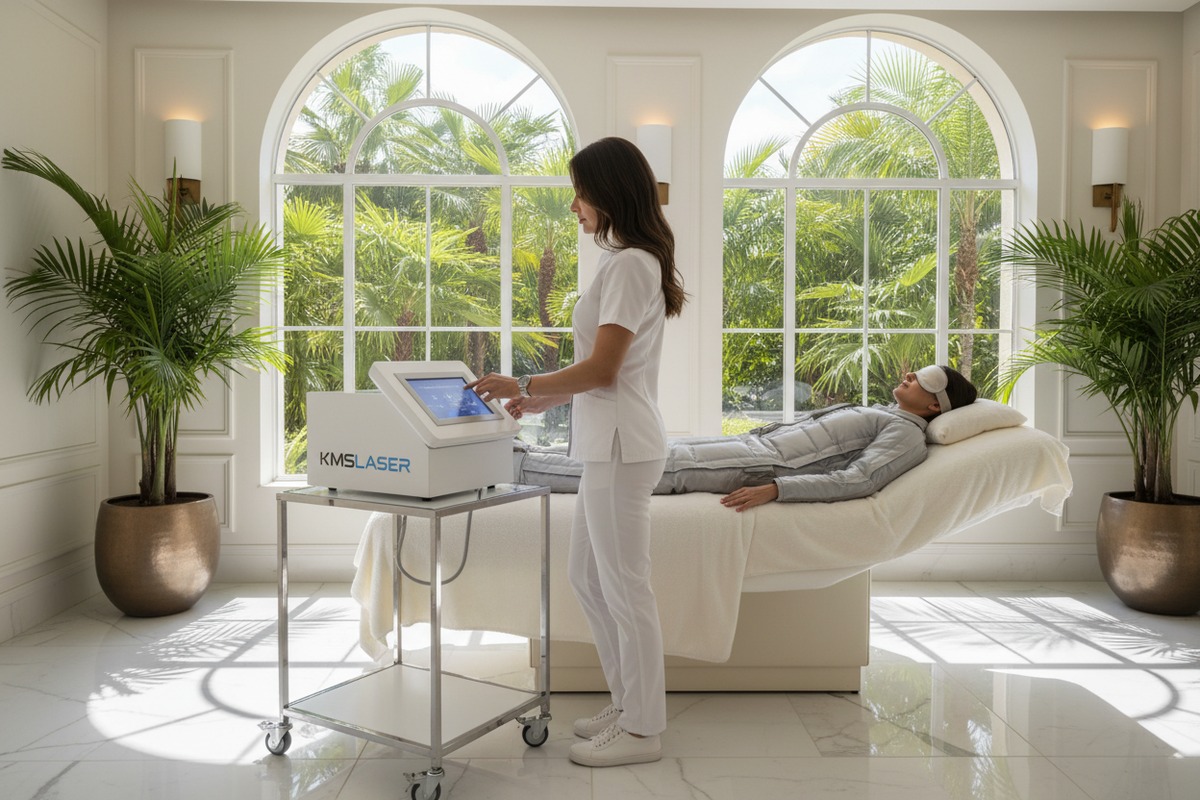
Understanding Ambient Temperature Impact
Pressotherapy machines rely on pneumatic systems 3 that compress and decompress air to deliver therapeutic pressure. Temperature affects air density 4, which directly impacts pressure consistency. When ambient temperatures rise, air becomes less dense, and the compressor must work harder to maintain target pressures.
In our testing labs, we've documented that an uncooled compressor operating at 35°C ambient temperature can see efficiency drops of 10-15%. This translates to pressure variance that clients notice during treatment. The machine may start a session delivering optimal pressure but gradually weaken as internal components heat up.
Key Performance Indicators to Request
| Performance Metric | Acceptable Range | Red Flag |
|---|---|---|
| Operating Temperature Range | 10°C – 40°C | Below 35°C maximum |
| Pressure Accuracy at 35°C | ±5% of set value | Greater than ±10% variance |
| Continuous Operation Time | 8+ hours at 30°C | Less than 4 hours before thermal cutoff |
| Compressor Recovery Time | Under 5 minutes | Over 15 minutes |
| Heat Dissipation Method | Active cooling (fan) | Passive only |
Practical Verification Steps
First, ask your supplier to run the machine continuously for 4 hours at 35°C ambient temperature while measuring pressure output every 30 minutes. The readings should remain within ±5% of the programmed setting. Second, check if the machine has thermal protection cutoffs—these are safety features that prevent damage but also indicate the manufacturer acknowledges high-temperature operation limits. Third, examine the placement and size of ventilation openings on the control unit.
What specific testing reports should I request to ensure my machine's temperature stability during long-term use?
During our quality control process, we generate multiple testing documents that procurement teams rarely think to request. These reports reveal whether a machine can handle the thermal stress of daily salon use over months and years—not just perform well during a brief demonstration.
Request thermal cycling test reports showing performance across temperature ranges, accelerated aging test documentation, compressor duty cycle certifications, and third-party temperature variance validation. These documents provide objective evidence of long-term thermal stability that manufacturer claims alone cannot guarantee.

Essential Documentation Categories
When evaluating pressotherapy equipment, procurement managers should focus on several categories of technical documentation. The depth and quality of these reports often reflect the manufacturer's commitment to quality control.
| Document Type | What It Shows | Why It Matters |
|---|---|---|
| Thermal Cycling Report | Performance after repeated heating/cooling cycles | Predicts real-world salon conditions with AC fluctuations |
| Accelerated Aging Data | Simulated long-term component degradation | Estimates lifespan under thermal stress |
| CE/FDA Certification | Compliance with safety standards | Confirms testing by recognized bodies |
| ISO 13485 Documentation 6 | Quality management system verification | Ensures consistent manufacturing quality |
| Component Specification Sheets | Temperature ratings for individual parts | Identifies weak links in thermal tolerance |
Interpreting Thermal Cycling Reports
A proper thermal cycling test 7 subjects the machine to repeated temperature changes between the minimum and maximum operating range. For pressotherapy equipment, this typically means cycling between 15°C and 40°C multiple times while monitoring pressure output, timing accuracy, and component function.
The report should show pressure readings at the start and end of each cycle. Any drift greater than 5% indicates components that may degrade faster under thermal stress. Pay special attention to the air chamber inflation timing—if cycles become irregular after thermal stress, the machine will deliver inconsistent treatment experiences.
Third-Party Validation
Independent testing laboratories provide unbiased verification that manufacturer claims hold up under scrutiny. Look for reports from accredited testing facilities that follow international standards. These documents carry more weight than internal quality reports because they remove potential bias from the equation.
When our factory ships to demanding markets, we often arrange for third-party testing specifically because buyers trust external validation. If a manufacturer resists providing such documentation, consider it a warning sign about their confidence in the product's thermal performance.
How do I evaluate if the internal components of my equipment can withstand the thermal stress of back-to-back treatments?
Our assembly team follows strict component selection guidelines that prioritize thermal durability. After years of receiving warranty claims from high-volume salons, we learned that component quality determines whether machines survive intensive daily use or fail within months.
Evaluate thermal stress resistance by examining compressor specifications for duty cycle ratings, checking air chamber materials for heat tolerance, verifying electronic control board protection ratings, and requesting maintenance records from existing installations in similar environments.

Critical Internal Components
Pressotherapy machines contain several components vulnerable to thermal stress. Understanding which parts matter most helps you ask the right questions during procurement.
The compressor is the heart of any pressotherapy system. It generates the air pressure that inflates the treatment chambers. During continuous operation, compressors generate significant heat. Look for compressors with thermal overload protection—this feature automatically shuts down the motor if temperatures exceed safe limits, preventing burnout.
Component Thermal Specifications
| Component | Temperature Concern | What to Look For |
|---|---|---|
| Air Compressor | Overheating during continuous use | Duty cycle 8 rating (look for 80%+ for salon use) |
| Electronic Control Board | Circuit damage from heat exposure | Operating range up to 50°C |
| Air Chambers/Bladders | Material degradation at elevated temps | Heat-resistant PU or TPU materials |
| Pressure Sensors | Calibration drift in warm conditions | Temperature-compensated sensors |
| LCD/Display Screen | Visibility reduction when hot | Industrial-grade panels rated to 50°C |
| Connection Hoses | Seal integrity under thermal expansion | Silicone or reinforced rubber construction |
Duty Cycle Explanation
Duty cycle refers to the percentage of time a compressor can run continuously without overheating. A 50% duty cycle means the compressor can run for 30 minutes out of every hour. For salon environments where treatments run back-to-back, you need machines with duty cycles of 80% or higher.
Our production line sources compressors specifically rated for medical and aesthetic equipment. These cost more than standard compressors, but they deliver reliable performance under the demanding conditions of professional use. During procurement, always ask for the compressor's duty cycle rating and maximum continuous operation time.
Material Quality Checks
Air chambers directly contact clients and must maintain their integrity despite repeated inflation/deflation cycles and body heat absorption. High-quality pressotherapy garments use PU materials with documented temperature tolerance. Ask for material specification sheets showing the garment fabric's safe operating temperature range.
Inferior materials may soften, stretch unevenly, or develop air leaks when exposed to elevated temperatures over time. These failures result in inconsistent pressure distribution and shortened garment lifespan—both of which increase your operating costs.
Can my manufacturer customize the thermal management system to prevent performance degradation in my target market?
When buyers from hot climates contact our sales team, we immediately discuss thermal customization options. Standard configurations work well in temperate environments, but markets like Southeast Asia, the Middle East, or southern states require enhanced cooling solutions.
Quality manufacturers can customize thermal management through upgraded cooling fans, enhanced ventilation designs, temperature-compensating firmware, heat-resistant component substitutions, and regional voltage optimization. Discuss your specific market conditions early in procurement to allow time for customization.

Customization Options Available
Not all manufacturers offer the same level of customization flexibility. During procurement, evaluate the supplier's ability and willingness to modify thermal management systems for your specific needs.
| Customization Type | Implementation | Cost Impact | Lead Time |
|---|---|---|---|
| Upgraded Cooling Fans | Larger or additional fans in control unit | Low-Medium | 1-2 weeks |
| Enhanced Ventilation | Redesigned housing with larger vents | Medium | 2-4 weeks |
| Temperature-Compensating Software | Firmware adjustment for pressure calibration | Low | 1-2 weeks |
| Heat-Resistant Components | Upgraded capacitors, sensors, compressor | High | 4-8 weeks |
| Regional Voltage Optimization | Power supply rated for local grid conditions | Medium | 2-3 weeks |
| External Cooling Integration | Ports for auxiliary cooling systems | Medium-High | 4-6 weeks |
Evaluating Manufacturer Capability
When assessing whether a manufacturer can deliver effective thermal customization, look for evidence of engineering capability beyond basic assembly operations. Ask to see examples of previous customization projects for similar climate conditions. Request technical documentation showing how proposed modifications will improve thermal performance.
Our engineering team maintains detailed records of customization projects, including before-and-after performance data. We share this information with procurement teams because it demonstrates real-world effectiveness rather than theoretical improvements. Manufacturers who cannot provide such documentation may lack genuine customization capability.
Cost-Benefit Analysis for Thermal Upgrades
Investing in thermal customization often provides strong returns through reduced downtime, extended equipment lifespan, and consistent treatment quality. Consider the total cost of ownership rather than just the initial purchase price.
A machine that costs 15% more but operates reliably for 5+ years represents better value than a cheaper machine requiring frequent repairs or replacement after 2 years. Factor in lost revenue during equipment downtime, repair costs, and potential reputation damage from inconsistent treatment experiences when calculating the true value of thermal-optimized equipment.
Communication and Support
Effective customization requires clear communication about your specific operating environment. Provide your manufacturer with detailed information about your salon's typical conditions: average ambient temperatures, treatment room sizes, number of daily treatments, air conditioning availability, and any other relevant factors.
The best suppliers will use this information to recommend appropriate customization levels and provide realistic performance expectations. Be cautious of manufacturers who promise universal performance without asking detailed questions about your operating environment.
Conclusion
Evaluating pressotherapy machine temperature performance during procurement protects your investment and ensures consistent treatment quality. Request thermal testing documentation, verify component specifications, and discuss customization options with your manufacturer before making purchasing decisions.
## Footnotes

<span id="footnote-1">
1. Defines and explains the role of thermal protection systems in engineering. <a href="#ref-1" class="footnote-backref">↩︎</a>
</span>

<span id="footnote-2">
2. Explains the concept and application of pressotherapy. <a href="#ref-2" class="footnote-backref">↩︎</a>
</span>

<span id="footnote-3">
3. Replaced with an authoritative Wikipedia page providing a comprehensive overview of pneumatic systems. <a href="#ref-3" class="footnote-backref">↩︎</a>
</span>

<span id="footnote-4">
4. Explains how air density is affected by temperature and pressure. <a href="#ref-4" class="footnote-backref">↩︎</a>
</span>

<span id="footnote-5">
5. Provides a comprehensive overview of thermal management principles and applications. <a href="#ref-5" class="footnote-backref">↩︎</a>
</span>

<span id="footnote-6">
6. Provides official information on the ISO 13485 standard for medical devices. <a href="#ref-6" class="footnote-backref">↩︎</a>
</span>

<span id="footnote-7">
7. Replaced with an authoritative Wikipedia page explaining thermal cycling tests. <a href="#ref-7" class="footnote-backref">↩︎</a>
</span>

<span id="footnote-8">
8. Defines duty cycle in an engineering context, relevant to compressors. <a href="#ref-8" class="footnote-backref">↩︎</a>
</span>

 English
 Español de México
 Deutsch
 Français
 العربية
 Русский
