

When our export team ships pressotherapy machines 1 to US distributors, we hear one complaint more than any other: “What happens if I need to send it back?” The return process keeps buyers up at night. International shipping costs 2, customs paperwork, and weeks of waiting can turn a simple return into a financial nightmare.
Yes, your pressotherapy machine supplier should offer US-based return processing. Local return handling can save you $200-600 in international shipping costs per unit, cut refund timelines from months to days, and eliminate customs complications. This single factor often separates reliable suppliers from risky ones in the aesthetic equipment market.
Below, we break down the real numbers, share what our clients have learned, and give you a clear framework for evaluating suppliers OEM contracts 3. Let’s dig into the details that matter most for your bottom line.
How much can I save on international shipping costs if my supplier handles returns within the US?
When we help our clients calculate total cost of ownership, return shipping is often the hidden expense that surprises them most. A pressotherapy machine that seems affordable at checkout can become expensive fast if you need to ship it back across the Pacific.
US-based return processing typically saves distributors $200-600 per returned unit on shipping alone. You also avoid customs duties that get deducted from your refund, which can add another 10-25% to your losses. For high-volume distributors, these savings compound into thousands of dollars annually.

Breaking Down the Real Costs of International Returns
Returning a pressotherapy machine to China involves multiple cost layers that quickly add up. Our logistics team tracks these expenses carefully because they directly affect our clients' profitability.
First, there is the base shipping cost. A typical pressotherapy machine weighs 15-30 kg with packaging. International shipping rates for this weight class run $150-400 depending on speed and carrier. Add fuel surcharges and handling fees, and you are looking at $200-500 minimum.
Second, customs duties create a one-way loss. When you originally imported the machine, you may have paid 0-7% in duties depending on the HS code classification 4. When you return it, those duties are rarely refunded. Even worse, some countries charge re-importation fees on returned goods.
Third, insurance adds to the bill. Shipping a $2,000-5,000 pressotherapy machine without insurance is risky. Most carriers charge 2-3% of declared value for international shipping insurance 5.
Cost Comparison: International vs. Domestic Returns
| Cost Category | International Return (to China) | US-Based Return |
|---|---|---|
| Base Shipping | $200-400 | $30-80 |
| Customs Duties | $100-300 (often non-refundable) | $0 |
| Insurance | $40-150 | $10-30 |
| Documentation/Handling | $25-50 | $0-10 |
| Total Cost | $365-900 | $40-120 |
| Timeline | 4-8 weeks | 3-7 days |
Hidden Costs Beyond Shipping
The direct shipping expense is only part of the story. When a pressotherapy machine sits in transit for weeks, your salon customers are waiting. They may demand refunds, switch to competitors, or leave negative reviews. This opportunity cost is hard to quantify but very real.
Time zone differences create communication delays. Our team works 9AM-10PM GMT+8, which means limited overlap with US business hours. If a problem arises during the return process, resolving it can take days of back-and-forth emails. US-based return processing eliminates this friction.
Packaging damage during long international transit also increases rejection rates. We have seen machines arrive back at our facility with damaged outer boxes, which triggers restocking fee disputes. Local processing reduces handling touchpoints and damage risk.
Will local return processing help me resolve my salon customers' complaints faster?
In our experience working with US distributors, speed is everything when dealing with unhappy salon customers. A spa owner who invested $3,000 in a pressotherapy machine and experienced a problem wants answers today, not in two months.
Local return processing dramatically accelerates complaint resolution. US-based handling cuts refund timelines from 30-90 days to 3-10 days. Faster resolution means happier customers, fewer chargebacks, and stronger retention rates for your distribution business.

The Timeline Reality of International Returns
Most China-based pressotherapy suppliers follow a standard return process. Our research into competitor policies shows common patterns.
The return window typically spans 14-30 days from delivery. Some suppliers like SureBeauty offer 15-day windows, while others provide 30 days. Once approved, the customer must ship the item back at their own expense. International shipping takes 2-3 weeks minimum. After arrival in China, inspection takes 3-5 business days. Refund processing adds another 1-14 days depending on payment method.
Total timeline: 30-90 days from complaint to refund.
How US-Based Processing Compresses the Timeline
| Process Stage | International Timeline | US-Based Timeline |
|---|---|---|
| Return approval | 1-3 days | Same day – 1 day |
| Customer ships item | 14-21 days | 2-5 days |
| Inspection | 3-5 days | 1-2 days |
| Refund processing | 1-14 days | 1-3 days |
| Total | 30-90 days | 5-11 days |
Customer Satisfaction and Your Brand
Your salon customers do not care about your supplier's location or logistics challenges. They only care about getting their problem solved. When resolution takes months, frustration builds. Negative reviews follow. Chargebacks occur. Your brand reputation 6 suffers.
We have seen distributors lose repeat customers over return experiences. A salon owner who waits eight weeks for a refund will never order from that distributor again. They will also warn their network. In the tight-knit salon industry, word travels fast.
Local return processing transforms the experience. The customer ships within days, receives confirmation quickly, and sees their refund promptly. They may even give you credit for the smooth handling. A negative situation becomes neutral or even positive.
Handling Defective Units Without Delays
Equipment defects require special attention. When our production team identifies a batch quality issue, we want affected customers resolved immediately. International returns create unacceptable delays for defective units.
US-based inventory allows same-day replacement shipping in many cases. The customer sends back the defective unit and receives a replacement within days. No waiting for international transit. No customs delays. Just fast resolution.
How does a US-based return policy protect my brand's reputation as a high-end distributor?
At our production facility, we understand that distributors live and die by their reputation. When you position yourself as a premium provider of professional aesthetic equipment, every customer touchpoint must reinforce that image.
A US-based return policy signals market commitment and operational sophistication. It tells your customers that you have invested in proper infrastructure, that you stand behind your products, and that problems will be handled professionally. This builds the trust essential for high-value B2B relationships.

Signaling Quality Through Support Infrastructure
High-end buyers expect high-end service. When a luxury spa purchases a $4,000 pressotherapy system, they expect support matching that investment. International-only return policies signal budget operations, not premium partnerships.
Consider how your customers perceive different return scenarios. Scenario A: "Ship to this address in California, and you'll have your refund in 5 days." Scenario B: "Ship to Shenzhen, China. Allow 6-8 weeks for processing. Customer pays all shipping and customs costs."
Which scenario builds confidence in your brand?
Meeting US Consumer Expectations
The American market has been trained by Amazon Prime 8 and next-day delivery. Customers expect domestic-level service regardless of product origin. Return policies are no exception.
Post-COVID, consumer expectations have shifted further. Studies suggest that around 70% of US consumers now expect domestic return options for online purchases. While B2B buyers are more patient than consumers, they still benchmark against their personal shopping experiences.
Competitive Differentiation in Crowded Markets
The pressotherapy equipment market has grown crowded. Multiple suppliers offer similar machines at similar prices. How do you stand out?
Service and support become the differentiators. When competitors offer international-only returns, your US-based policy becomes a selling point. Smart distributors lead with this in sales conversations.
Building Long-Term Customer Relationships
| Factor | Impact on Customer Retention |
|---|---|
| Return process difficulty | High – Major friction point |
| Resolution speed | High – Immediate satisfaction driver |
| Communication clarity | Medium – Builds trust |
| Policy transparency | Medium – Reduces anxiety |
| Staff professionalism | Medium – Reinforces brand image |
One smooth return experience can cement a customer relationship for years. One terrible experience can end it permanently. US-based processing dramatically improves your odds of the former.
Risk Mitigation for Your Business
Returns that go wrong create cascading problems. Extended timelines lead to disputes. Disputes lead to chargebacks. Chargebacks lead to payment processor scrutiny. Too many chargebacks can jeopardize your merchant account.
US-based return processing reduces these risks. Faster resolution means fewer disputes escalate. Clear domestic tracking prevents "lost package" claims. Professional handling reduces condition disputes on returned items.
Should I make local return support a non-negotiable requirement for my next OEM pressotherapy contract?
Our OEM clients often ask us this question directly. They want to know if US-based returns should be a deal-breaker when selecting a manufacturing partner. The answer depends on your business model and risk tolerance.
For serious US distributors, local return support should be a high-priority requirement in OEM contracts. While not every supplier can offer it, those who do demonstrate market commitment and operational capability. Include specific return processing terms in your contract negotiations.
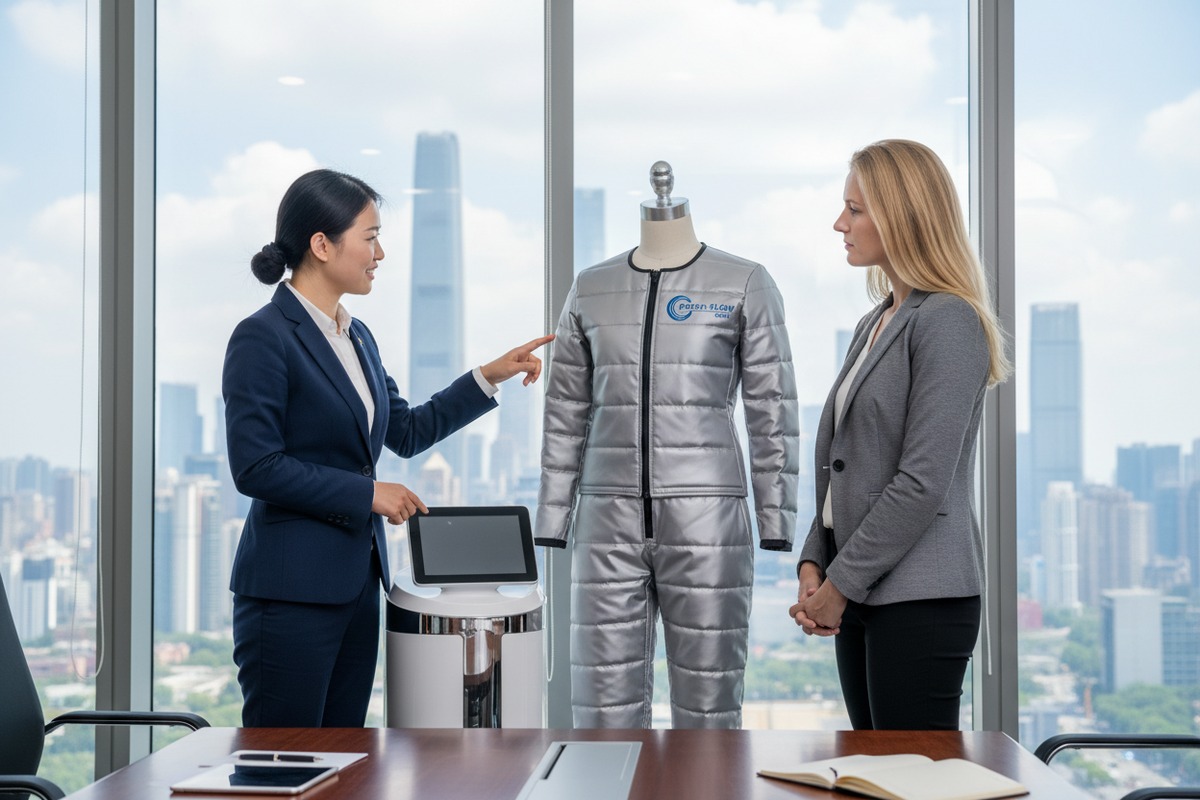
Evaluating Supplier Capabilities
Not all suppliers can support US-based returns. It requires significant investment: warehouse space, inventory capital, trained staff, and logistics partnerships. When evaluating potential OEM partners, dig into their actual capabilities.
Ask direct questions: Do you maintain US warehouse inventory? Where are returns physically processed? What is your average refund timeline for US customers? Can you provide references from current US distributors?
Vague answers indicate limited capability. Specific answers backed by documentation signal genuine infrastructure.
Key Contract Terms to Include
| Contract Element | Why It Matters |
|---|---|
| Return window definition | Protects both parties with clear boundaries |
| Processing location | Ensures domestic handling as promised |
| Timeline commitments | Creates accountability for speed |
| Condition requirements | Reduces disputes over returned item state |
| Cost allocation | Clarifies who pays what |
| Exception handling | Covers defects vs. buyer's remorse |
| Performance metrics | Enables ongoing monitoring |
Negotiating Realistic Terms
When we work with new OEM clients, we discuss return policies early in the relationship. Realistic expectations benefit everyone. Here is what you should know:
Return windows of 14-30 days are standard. Pushing for longer windows may succeed but often comes with stricter condition requirements or restocking fees.
Unused, original packaging returns are universal requirements. No manufacturer accepts opened, used equipment for full refund. This protects everyone from abuse.
Defect coverage is separate from general returns. Manufacturing defects or shipping damage should be covered fully. Buyer's remorse or incorrect ordering may incur fees.
Balancing Cost and Service
US-based return support costs money. Suppliers must maintain local inventory, which ties up capital. They need warehouse space and staff. These costs get passed along in pricing.
You may pay 5-15% more for a supplier with genuine US return infrastructure compared to a basic overseas-only operation. Consider this premium an insurance policy. The cost is predictable and manageable. The cost of a return crisis is not.
Red Flags in Supplier Policies
Watch for these warning signs when reviewing supplier return policies:
- Return address only in China with no US alternative
- Vague timeline commitments ("refund processed promptly")
- Customer bears all costs in all scenarios
- No defect vs. general return distinction
- Missing details on condition requirements
- Refusal to put terms in writing
These patterns suggest a supplier unprepared for professional US distribution partnerships.
Building a Supplier Evaluation Checklist
| Criteria | Must Have | Nice to Have |
|---|---|---|
| US warehouse location | ✓ | |
| Domestic return processing | ✓ | |
| Written policy documentation | ✓ | |
| Defect replacement program | ✓ | |
| 30-day return window | ✓ | |
| Free return shipping on defects | ✓ | |
| Same-day replacement shipping | ✓ | |
| Dedicated US support contact | ✓ |
Conclusion
US-based return processing is not just a convenience—it is a strategic advantage. It saves money, accelerates problem resolution, protects your brand, and should be a key factor in your OEM supplier selection. When evaluating your next pressotherapy machine partnership, prioritize suppliers who demonstrate real commitment to the US market through proper return infrastructure.
Footnotes
1. Authoritative source (Healthline) explaining pressotherapy, which involves machines. ↩︎
2. Details factors influencing international shipping expenses. ↩︎
3. Defines Original Equipment Manufacturer agreements. ↩︎
4. Authoritative government source (.gov) explaining HS codes and their classification. ↩︎
5. Explains the purpose and coverage of shipping insurance. ↩︎
6. Explains the significance of a company’s public image. ↩︎
7. Discusses strategies to reduce payment chargebacks. ↩︎
8. Describes the popular subscription service and its benefits. ↩︎

 English
 Español de México
 Deutsch
 Français
 العربية
 Русский
