

When our production line began receiving more inquiries about operational smoothness, we realized buyers care deeply about vibration control internal damping mechanisms 2. Excess vibration creates noise, reduces client comfort, and shortens machine lifespan. Many distributors overlook these factors until complaints pile up ISO compliance certificates 3. This puts your brand reputation at risk.
To inquire about vibration control when purchasing a pressotherapy machine, ask suppliers about internal damping mechanisms, pump motor quality, decibel ratings, QC testing protocols, and customization options for private labeling. Request documentation on engineering standards and vibration output specifications before placing any order.
Below, we break down the key questions you should ask your supplier. Each section addresses a specific concern that affects your brand’s success and your clients’ satisfaction.
How can I verify the internal engineering standards used to minimize machine vibration?
Many importers trust supplier claims without verification. This leads to receiving machines that rattle, hum loudly, or feel unstable during treatments. Our engineering team often sees this frustration when clients come to us after a bad experience elsewhere.
Ask suppliers for documentation on damping mechanisms, motor specifications, and assembly tolerances. Request ISO compliance certificates and third-party test reports. Verify whether the machine uses rubber isolation mounts, suspended components, or sound-dampening enclosures to reduce vibration transmission.

Understanding Damping Mechanisms
Vibration in pressotherapy machines comes from the air pump and motor. These components cycle air through inflatable chambers. If they lack proper isolation, vibrations travel through the machine body. This creates noise and client discomfort.
The design of vibration-damped equipment and engine mountings are the most effective engineering methods of controlling vibration exposure. Good suppliers use rubber feet, suspended motor mounts, and internal foam lining to absorb vibrations before they reach the outer casing.
Key Engineering Specifications to Request
When evaluating a supplier, ask for these specific data points:
| Specification | What It Tells You | Acceptable Range |
|---|---|---|
| Motor Type | Diaphragm pumps run quieter than gear pumps | Electric diaphragm preferred |
| Decibel Rating (dB) | Noise output at operation | 50-70 dB at 1 meter |
| Isolation Material | Damping effectiveness | Rubber, silicone, or foam |
| Housing Construction | Vibration transmission | Double-shell or reinforced ABS |
| Pump Frequency | Operational stability | 50-60 Hz stable output |
ISO and International Standards
Reputable manufacturers follow ISO guidelines for vibration measurement. Vibration measurement systems 4 include a device to sense vibration (accelerometer) and instruments to measure vibration levels. These tests use frequency-weighting networks that mimic human sensitivity to vibration.
Ask if your supplier tests machines according to ISO 5349 5 or similar standards. Vibration is measured in meters per second squared (m/s²). This gives you objective data rather than vague marketing claims.
Questions to Ask Your Supplier
- What internal damping components do you install?
- Can you provide third-party vibration test reports?
- What motor type does your pressotherapy machine use?
- How do you isolate the pump from the machine body?
- What ISO standards do your products comply with?
What specific QC testing protocols do you use to ensure vibration control meets my brand's requirements?
Suppliers often promise quality without proving it. Without documented QC protocols, you risk receiving inconsistent batches. One shipment may be quiet; the next may rattle. Our quality control team learned this lesson early when building systems that meet export standards.
Quality suppliers should provide written QC protocols that include vibration testing at multiple production stages. Ask for accelerometer test data, decibel measurements under load, and pass/fail criteria. Ensure testing happens both during assembly and before shipment.
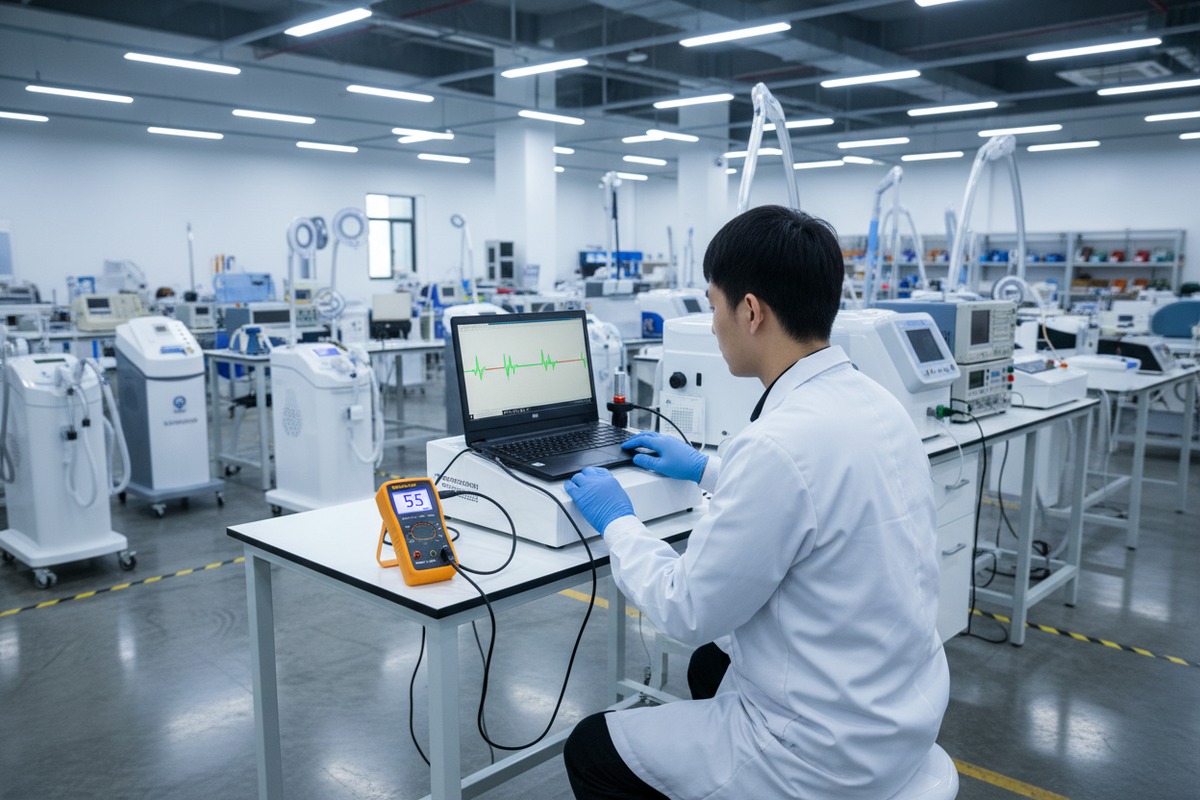
Types of Vibration Testing
Vibration testing falls into two categories. Preliminary testing happens during product development. Ongoing testing ensures each unit meets standards before shipping.
Vibration testing is a precise and reliable way to evaluate how products will perform in daily use and under every condition they can expect to experience. Professional testing facilities use calibrated accelerometers and controlled environments to measure exact vibration levels.
Standard QC Testing Steps
A proper QC protocol should include these stages:
| Stage | Test Method | Purpose |
|---|---|---|
| Component Inspection | Visual and mechanical check | Verify motor and pump quality |
| Pre-Assembly Test | Individual part vibration test | Catch defective components early |
| Operational Test | Run machine at all pressure levels | Measure vibration under load |
| Noise Level Test | Decibel meter at 1 meter distance | Confirm sound output compliance |
| Endurance Test | 4-8 hour continuous run | Check for vibration increase over time |
| Final Inspection | Complete system check | Confirm all specs before packing |
Decibel Standards for Pressotherapy
For pressotherapy machines, acceptable noise levels depend on the setting. Electric pumps typically operate around 80-85 dB or lower under normal conditions. For spa environments, you want machines closer to 50-70 dB for client comfort.
OSHA 7 considers 85 dB the safe threshold for human hearing protection. Your target market may have stricter preferences. Always request the specific testing conditions used to generate any decibel rating.
Documentation to Request
Ask your supplier for:
- Written QC manual with vibration testing sections
- Sample test reports from recent production batches
- Calibration certificates for testing equipment
- Photos or videos of testing procedures
- Acceptance criteria for vibration levels
Why Consistent Testing Matters
Even high-quality components can create problems if assembled incorrectly. A loose fitting or improper mount can amplify vibrations. Proper QC catches these issues before machines reach your warehouse.
Vibration testing and analysis allows manufacturers to stretch stresses and strains to the breaking point, setting product parameter limits. This data helps you understand how machines will perform under real-world conditions.
Can I customize the internal damping components when private-labeling my pressotherapy machines?
Private-label buyers often accept whatever a factory provides. But your brand requirements may differ from standard configurations. Our OEM team works with distributors who need specific customizations. Some want quieter machines for high-end spas. Others prioritize durability over sound reduction.
Yes, you can customize internal damping components when private-labeling pressotherapy machines. Discuss your specific requirements with OEM suppliers who offer design modifications. Options include upgraded motor isolators, custom foam lining, reinforced housing, and alternative pump configurations to meet your brand standards.

What Can Be Customized?
Most OEM suppliers offer some level of customization. The depth of customization depends on your order volume and the supplier's engineering capability.
| Component | Customization Options | Impact on Vibration |
|---|---|---|
| Motor Mounts | Rubber, silicone, or spring isolation | Direct reduction |
| Pump Type | Diaphragm vs. piston vs. centrifugal | Significant impact |
| Internal Foam | Density and placement | Noise absorption |
| Housing Material | ABS, reinforced plastic, metal | Vibration transmission |
| Base Feet | Rubber pads, adjustable feet | Floor vibration transfer |
| Hose Connectors | Flexible vs. rigid | Vibration isolation |
OEM vs. ODM Customization
ODM (Original Design Manufacturing) involves customizing an existing product design. You can adjust branding, packaging, colors, functions, and minor features while keeping the core design. OEM (Original Equipment Manufacturing) means you provide the design and the factory builds to your specifications.
For vibration control, ODM allows you to request upgraded damping components on an existing model. OEM gives you full control to specify every aspect of vibration mitigation from the start.
Minimum Order Quantities
Customization typically requires higher MOQs. Simple changes like upgraded rubber feet may require 50-100 units. Major changes like custom pump configurations may need 500+ units to be cost-effective.
Discuss your volume expectations early. Suppliers can then advise which customizations are practical for your order size.
Working with Your Supplier
To get the best results:
- Share your target decibel level and vibration threshold
- Ask for samples with different damping configurations
- Request comparative test data between options
- Get quotes for each customization level
- Confirm lead time impact for custom components
Quality Assurance for Custom Orders
Custom components require additional QC steps. Ensure your supplier tests customized machines against your specific requirements—not just their standard criteria.
We recommend requesting a pre-production sample for approval. Test this sample in your own facility before approving mass production. This catches issues before they affect your entire order.
How does your vibration control technology improve the long-term reliability of the units I import?
Short-term performance differs from long-term reliability. A machine may run quietly at first, then develop vibration issues after months of use. When shipping equipment across borders, warranty claims become expensive. Our export customers need machines that stay stable throughout their service life.
Effective vibration control improves long-term reliability by reducing mechanical stress on components. Properly damped motors, pumps, and connections experience less wear. This extends service life, reduces maintenance needs, and decreases warranty claim rates for imported units.
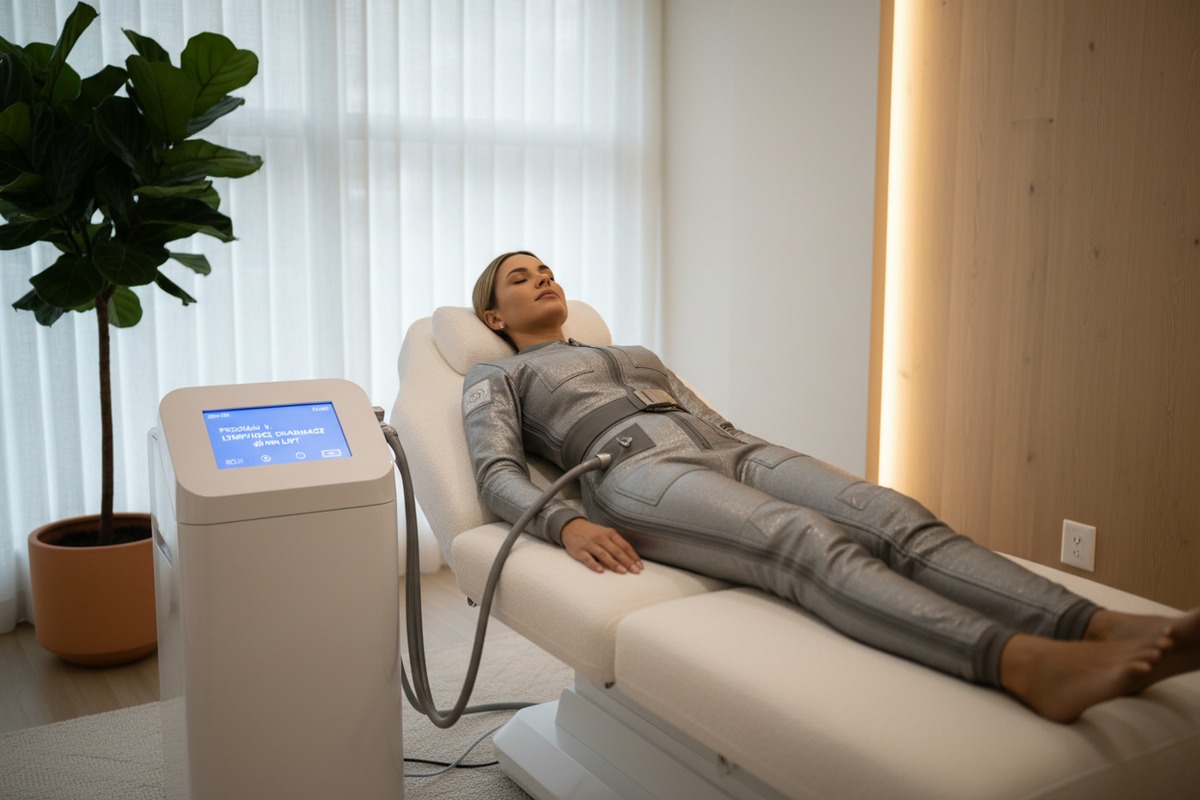
How Vibration Causes Wear
Vibration creates mechanical stress. Every oscillation transfers energy through the machine's structure. Unchecked vibration loosens fasteners, fatigues metal components, and degrades electrical connections.
Components such as panels, shields, supports, and reservoirs can radiate noise at pumping frequencies very effectively. These high-modal-density components have many resonant frequencies. When vibration matches these frequencies, damage accelerates.
Key Reliability Factors
| Factor | How Vibration Affects It | Prevention Method |
|---|---|---|
| Motor Bearings | Accelerated wear from oscillation | Quality bearings + isolation |
| Electrical Connections | Loosening over time | Secure mounting + dampening |
| Pump Components | Fatigue from repeated stress | Proper pump selection |
| Hose Fittings | Vibration-induced loosening | Flexible connections |
| Control Electronics | Solder joint failure | Vibration-isolated housing |
| Housing Integrity | Stress cracks from resonance | Reinforced materials |
Testing for Long-Term Performance
Ask your supplier about endurance testing. A proper test runs the machine continuously for 8+ hours. Vibration measurements at the start and end should show minimal change.
Some manufacturers conduct accelerated life testing 8. This simulates years of use in a shorter time. Results predict how vibration levels will change throughout the machine's service life.
Maintenance Considerations
Even well-designed machines need maintenance. Excessive noise typically means wear, misalignment, cavitation, or air in the fluid. These issues develop over time even in quality equipment.
Ask your supplier for:
- Expected service life of key components
- Maintenance schedule recommendations
- Common wear points to monitor
- Replacement part availability
Total Cost of Ownership
Better vibration control costs more upfront. However, it reduces long-term costs:
- Fewer warranty claims
- Lower return rates
- Better customer satisfaction
- Longer service life
- Reduced support costs
Calculate the total cost of ownership, not just the unit price. A machine that lasts 5 years without issues provides better value than a cheaper unit requiring repairs after 2 years.
Building Trust with Your Customers
Your downstream customers—spas, clinics, distributors—judge your brand by equipment reliability. Machines that run smoothly for years build loyalty. Units that develop noise or vibration issues damage your reputation.
By prioritizing vibration control, you protect both your investment and your brand image.
Conclusion
Vibration control directly impacts your brand's success when importing pressotherapy machines. Ask suppliers about engineering standards, QC protocols, customization options, and long-term reliability. Document everything before placing orders. This protects your investment and your customers' satisfaction.
## Footnotes

<span id="footnote-1">
1. Explains fundamental principles and methods of vibration control. <a href="#ref-1" class="footnote-backref">↩︎</a>
</span>

<span id="footnote-2">
2. Provides a general overview of damping and internal damping properties. <a href="#ref-2" class="footnote-backref">↩︎</a>
</span>

<span id="footnote-3">
3. Explains what ISO compliance certificates are and their significance. <a href="#ref-3" class="footnote-backref">↩︎</a>
</span>

<span id="footnote-4">
4. Replaced with an authoritative source (CCOHS) providing comprehensive information on vibration measurement, control, and standards. <a href="#ref-4" class="footnote-backref">↩︎</a>
</span>

<span id="footnote-5">
5. Describes the ISO 5349 standard for hand-arm vibration measurement. <a href="#ref-5" class="footnote-backref">↩︎</a>
</span>

<span id="footnote-6">
6. Details how rubber isolation mounts function for vibration damping and isolation. <a href="#ref-6" class="footnote-backref">↩︎</a>
</span>

<span id="footnote-7">
7. Provides official information on OSHA's occupational noise exposure limits. <a href="#ref-7" class="footnote-backref">↩︎</a>
</span>

<span id="footnote-8">
8. Defines accelerated life testing as a method for product reliability evaluation. <a href="#ref-8" class="footnote-backref">↩︎</a>
</span>

 English
 Español de México
 Deutsch
 Français
 العربية
 Русский
