
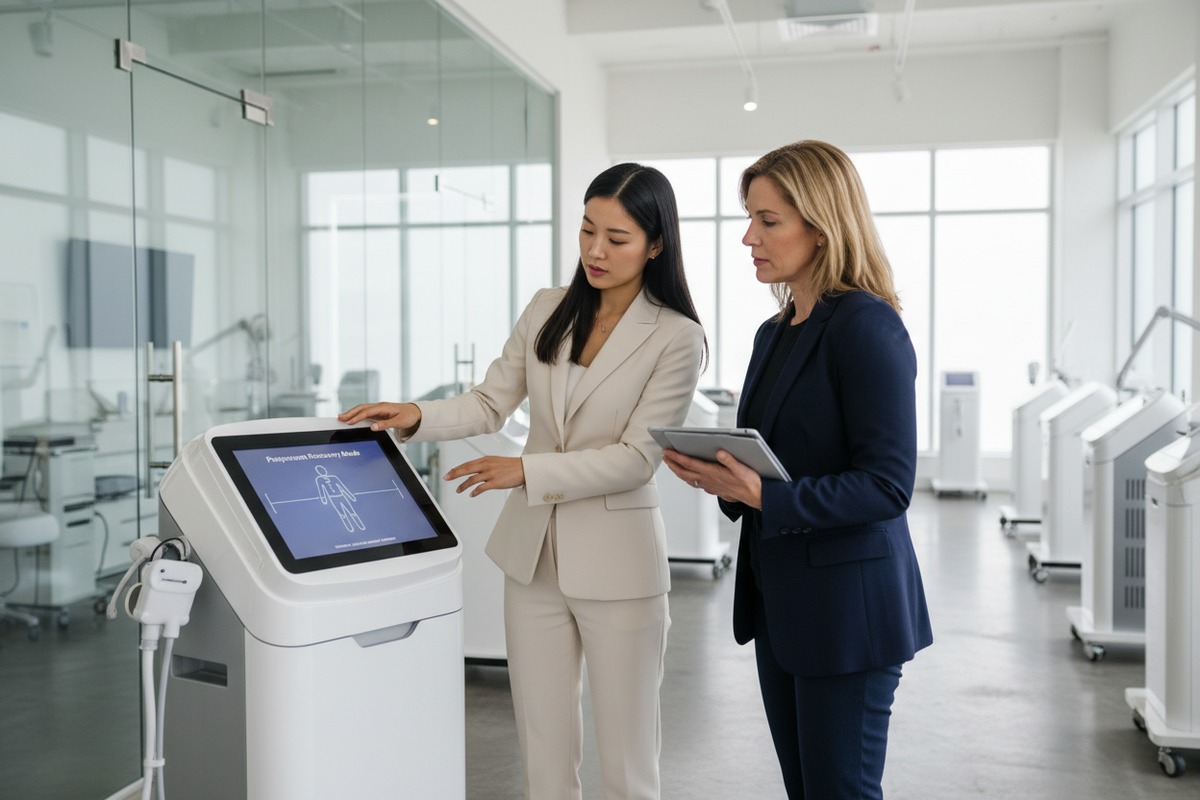
New mothers often struggle with postpartum swelling 1, fluid retention, and slow recovery. Our production floor sees these concerns daily from spa owners and brand managers. Finding the right pressotherapy machine 2 with proper postpartum settings can feel overwhelming when you do not know what to ask.
To ask suppliers about pressotherapy machine postpartum recovery settings, request detailed specifications on adjustable pressure ranges (ideally 20-200 mmHg), dedicated gentle postpartum programs, sequential compression modes, pelvic floor protection features, session duration controls, C-section recovery protocols, and data logging capabilities for tracking client progress.
This guide walks you through the exact questions you need to ask suppliers. We cover technical specs, factory testing, software customization 3, and how to evaluate engineering expertise. Let’s dive into each area step by step.
What technical specifications should I request for effective postpartum lymphatic drainage modes?
Our engineering team regularly receives inquiries about postpartum settings. Many buyers do not realize that standard pressotherapy programs may not suit the delicate state of a new mother's body. Wrong pressure levels or aggressive sequences can cause discomfort or even harm.
Request specifications for pressure ranges between 20-200 mmHg with fine adjustment increments, multi-chamber sequential compression (preferably 8-24 air chambers), gentle wave-like inflation patterns, dedicated postpartum presets with low-pressure cycles, and individual chamber pressure control for targeted treatment of sensitive areas like the abdomen and pelvic region.

Understanding Pressure Range and Adjustment
The pressure range is your most critical specification. Postpartum clients need gentle, low-pressure treatments. A machine with a range of 20-200 mmHg gives you flexibility. You can start new mothers at the lowest settings and gradually increase as they heal.
Ask your supplier these questions:
- What is the minimum pressure setting available?
- Can pressure be adjusted in small increments (5-10 mmHg steps)?
- Does each chamber have independent pressure control?
Air Chamber Configuration
The number and layout of air chambers affect treatment quality. More chambers mean smoother compression waves. For postpartum recovery, look for machines with at least 20 air chambers covering legs, abdomen, and arms.
| Specification | Minimum Requirement | Ideal Requirement |
|---|---|---|
| Pressure Range | 30-180 mmHg | 20-200 mmHg |
| Air Chambers | 16 chambers | 20-24 chambers |
| Adjustment Steps | 10 mmHg | 5 mmHg |
| Treatment Zones | Legs only | Full body (legs, abdomen, arms) |
| Compression Modes | 3 modes | 5+ modes including postpartum |
Sequential vs. Intermittent Compression
Sequential compression moves from distal to proximal areas. sequential compression modes 4 This mimics natural lymphatic flow. For postpartum clients, sequential mode promotes better drainage without sudden pressure changes. Ask if the machine offers both sequential and intermittent modes.
Postpartum-Specific Programs
Suppliers should offer pre-programmed postpartum protocols. These programs use lower pressure, longer inflation cycles, and avoid direct abdominal compression in early recovery. Inquire about C-section recovery modes that provide gentle lymphatic drainage around incision sites without direct pressure. C-section recovery protocols 5
Session Duration and Frequency Controls
Standard pressotherapy sessions last 30-45 minutes. Postpartum protocols may need different timing. Request machines with adjustable session durations from 15-60 minutes. Also ask about built-in rest intervals between compression cycles.
How can I verify that the supplier's factory testing ensures pressure stability for sensitive postpartum treatments?
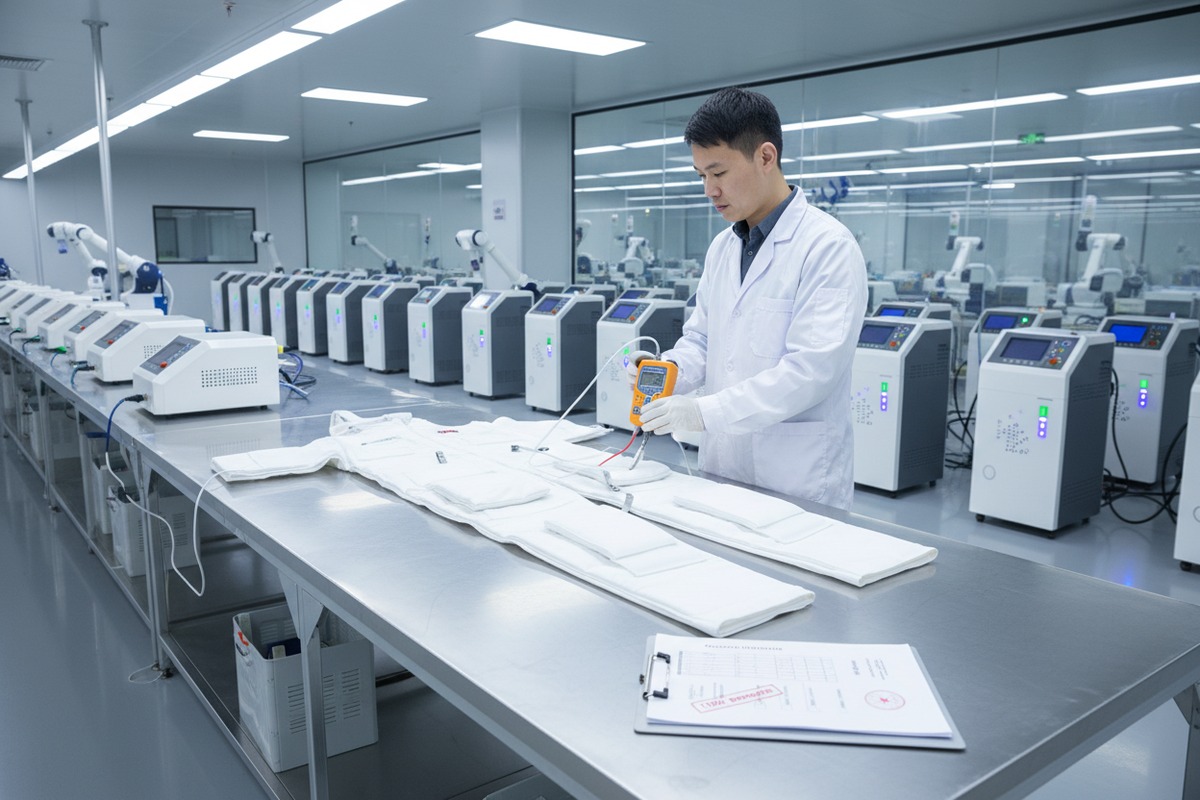
When we calibrate our pressotherapy machines at the factory, pressure stability is a top priority. Inconsistent pressure output can make treatments unpredictable and unsafe for postpartum clients. You need to verify that your supplier takes quality control seriously.
Verify factory testing by requesting calibration certificates, asking about pressure sensor accuracy (±5 mmHg or better), inquiring about burn-in testing periods, reviewing quality control documentation, asking for third-party test reports, and confirming that machines undergo 100% inspection before shipment.
Pressure Sensor Technology
Quality pressotherapy machines use precision pressure sensors. These sensors monitor the applied pressure and provide real-time feedback. This ensures consistent pressure delivery throughout every session.
Ask your supplier:
- What type of pressure sensors do you use?
- What is the sensor accuracy tolerance?
- Do sensors provide real-time feedback to the control system?
Pre-Shipment Testing Protocols
Reputable manufacturers conduct strict pre-shipment inspections. Every machine should undergo a complete functional test before leaving the factory. This includes pressure calibration, air chamber leak testing, and software verification.
| Testing Stage | What to Ask For |
|---|---|
| Component Testing | Test reports for compressor, valves, and sensors |
| Assembly Testing | Leak test results for all air chambers |
| Calibration | Pressure calibration certificate with date |
| Burn-in Testing | Minimum 24-48 hour continuous operation test |
| Final Inspection | 100% inspection checklist signed by QC team |
Certifications and Compliance
Medical-grade pressotherapy machines require proper certifications. For export to the US and Europe, look for CE, FDA registration 6, and RoHS compliance. These certifications indicate that the manufacturer follows international quality standards.
Quality Control Documentation
Request sample quality control documentation from your supplier. This should include:
- Incoming material inspection records
- In-process quality checks
- Final assembly test reports
- Calibration certificates
Factory Audit Options
If you are placing a large order, consider requesting a factory audit. Many suppliers welcome buyer visits to demonstrate their quality systems. You can also hire third-party inspection companies to verify production quality.
Long-Term Reliability
Ask about failure rates and warranty claims. A supplier with confidence in their quality will share this data. Low failure rates indicate robust manufacturing processes and reliable pressure stability over time.
Can I customize the machine's software to include my brand's proprietary postpartum recovery presets?
Our R&D team works with brand owners who want unique treatment protocols. Software customization is a key differentiator in the competitive beauty equipment market. Custom postpartum presets can set your brand apart and meet specific client needs.
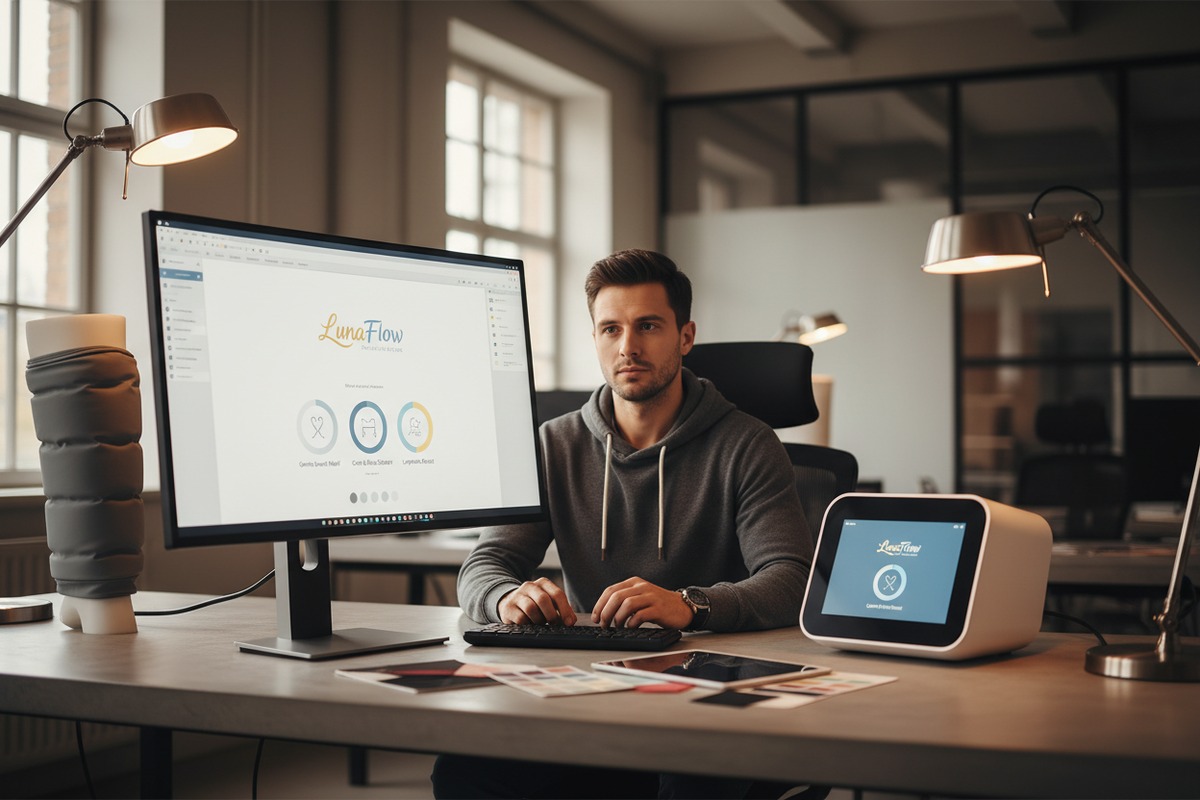
Yes, reputable OEM suppliers can customize machine software to include your brand's proprietary postpartum recovery presets. This typically includes custom program names, specific pressure sequences, branded user interface design, your logo on startup screens, multilingual support, and data logging features tailored to your practice requirements.
Types of Software Customization
Software customization ranges from simple branding to complete program development. Understand what level of customization you need before approaching suppliers.
| Customization Level | Features Included | Typical MOQ | Lead Time |
|---|---|---|---|
| Basic ODM | Logo on screen, brand colors | 10-50 units | 2-4 weeks |
| Standard ODM | Custom program names, interface design | 50-100 units | 4-6 weeks |
| Advanced OEM | Proprietary protocols, unique features | 100+ units | 8-12 weeks |
| Full Development | Complete custom software | 500+ units | 3-6 months |
Creating Proprietary Postpartum Protocols
Work with your supplier's engineering team to develop custom postpartum protocols. Define your desired:
- Pressure levels for different recovery stages
- Compression sequences for specific body areas
- Treatment durations and rest intervals
- Safety limits and contraindication warnings
User Interface Customization
Your brand identity should appear throughout the machine interface. Request customization of:
- Startup screen with your logo
- Menu colors matching your brand
- Custom program names reflecting your services
- Language options for your target markets
Data Logging and Tracking
Modern pressotherapy machines can log session data. This helps track client progress over time. Request software that records:
- Session date and duration
- Pressure settings used
- Programs selected
- Treatment notes
Remote Update Capability
Ask if the machine software supports remote updates. This allows you to push new programs or fixes without sending machines back to the factory. It is especially valuable if you plan to refine protocols based on client feedback.
Protecting Your Intellectual Property
If you invest in proprietary protocol development 7, protect your investment. Discuss:
- Exclusivity agreements for your custom programs
- Software licensing terms
- Non-disclosure agreements with the supplier
How do I evaluate if a supplier has the engineering expertise to develop custom postpartum recovery protocols for my brand?
In our experience exporting to the US and European markets, we know that not all suppliers have true engineering capabilities. Some simply resell machines from other factories. Evaluating engineering expertise is essential for custom protocol development.
Evaluate a supplier's engineering expertise by reviewing their R&D team credentials, requesting case studies of previous custom developments, asking about their laboratory testing capabilities, verifying patents and certifications, requesting a sample protocol development, and visiting their facility if possible to see their engineering resources firsthand.

Assessing R&D Capabilities
A supplier with genuine engineering expertise will have a dedicated R&D team 8. Ask about:
- Number of R&D engineers on staff
- Their educational backgrounds and experience
- Previous projects in postpartum or medical wellness
- Patents or proprietary technologies developed
Reviewing Past Custom Projects
Request case studies of previous custom developments. A capable supplier should be able to share examples of:
- Custom protocol development for other brands
- Modified software interfaces
- Specialized treatment programs they have created
Laboratory and Testing Facilities
Quality suppliers have their own testing facilities. This enables them to:
- Test pressure accuracy across different settings
- Validate treatment protocols before deployment
- Ensure safety compliance for new programs
| Capability | Questions to Ask |
|---|---|
| R&D Team | How many engineers? What is their experience? |
| Testing Lab | Do you have in-house testing equipment? |
| Clinical Validation | Have your protocols been clinically tested? |
| Technical Support | Who provides technical guidance during development? |
| Timeline | What is the typical development timeline? |
Technical Communication Quality
Evaluate how the supplier communicates technical information. A knowledgeable supplier will:
- Answer detailed technical questions clearly
- Provide specifications without hesitation
- Offer suggestions for protocol optimization
- Show understanding of postpartum physiology
Sample Protocol Development
Request a small-scale test before committing to a large order. Ask the supplier to develop a sample postpartum protocol based on your specifications. This reveals their actual engineering capabilities.
Industry Experience and Reputation
Research the supplier's track record:
- How long have they manufactured pressotherapy equipment?
- Do they have experience with medical or wellness applications?
- What do existing customers say about their engineering support?
Ongoing Technical Support
Custom protocol development does not end at delivery. Ensure the supplier offers:
- Training on new protocols
- Technical support for troubleshooting
- Updates and refinements as needed
- Response time guarantees for technical issues
Conclusion
Asking the right questions when sourcing pressotherapy machines for postpartum recovery is crucial. Focus on technical specifications, factory quality control, software customization options, and supplier engineering expertise. This approach will help you find a reliable partner for your brand.
Footnotes
1. Explains causes, symptoms, and natural treatments for postpartum swelling after childbirth. ↩︎
2. Replaced with a comprehensive article from an authoritative health website explaining pressotherapy machines. ↩︎
3. Discusses the benefits and solutions of custom manufacturing software development. ↩︎
4. Clearly explains how sequential compression devices work and their benefits. ↩︎
5. Offers comprehensive guidance on C-section recovery, including physical care and healing. ↩︎
6. Provides official information on medical device registration and listing requirements by the FDA. ↩︎
7. Replaced with a Wikipedia article defining proprietary protocols and discussing their intellectual property aspects, relevant to development and protection. ↩︎
8. Explains the importance and benefits of having a dedicated R&D team in manufacturing. ↩︎

 English
 Español de México
 Deutsch
 Français
 العربية
 Русский
