
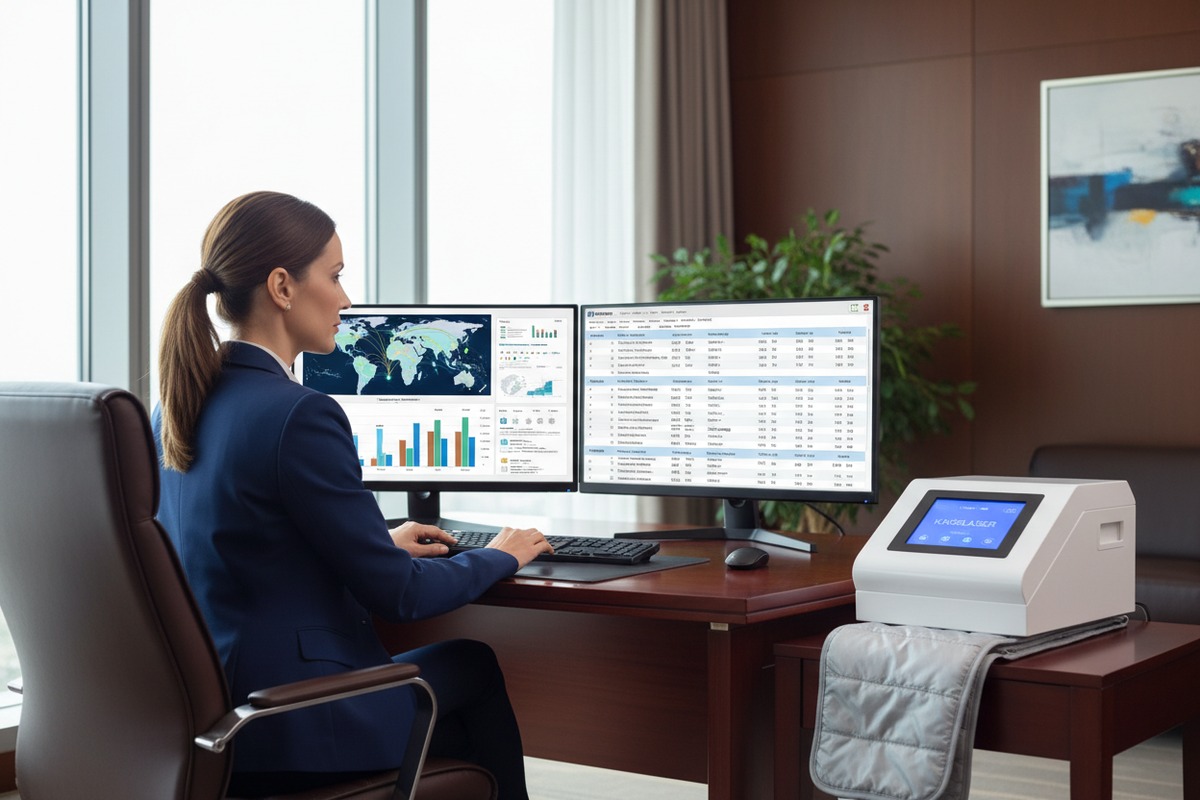
Our production floor sees dozens of pressotherapy machine inquiries every month HS codes 9018 or 9019 1. Yet we know many buyers struggle to tell real manufacturers from shell companies. The fear of sending money overseas and receiving nothing is real.
You can verify a China pressotherapy machine supplier’s credibility by analyzing customs data, including export volumes, shipment frequency, buyer diversity, and transaction history. Platforms like Tendata, ImportGenius, and UN Comtrade let you search HS codes 9018 or 9019 to confirm a supplier’s real export track record and production capacity.
This guide walks you through the exact steps to use customs records for supplier verification Bill of Lading (B/L) 2. You will learn what data points matter, which platforms to use, and how to spot red flags before you sign any contract.
How can I use customs records to verify my pressotherapy machine supplier's actual export history?
When we work with new buyers, they often ask how to prove we actually export. The answer lies in publicly available customs records. Many buyers skip this step and rely only on supplier claims—a mistake that can cost thousands.
Use customs data platforms to search your supplier's company name or the relevant HS code (9018 or 9019 for pressotherapy machines). Look for consistent export shipments over 6+ months, diverse buyer destinations, and stable or growing volumes. This data confirms whether a supplier has real manufacturing operations or is just a middleman.
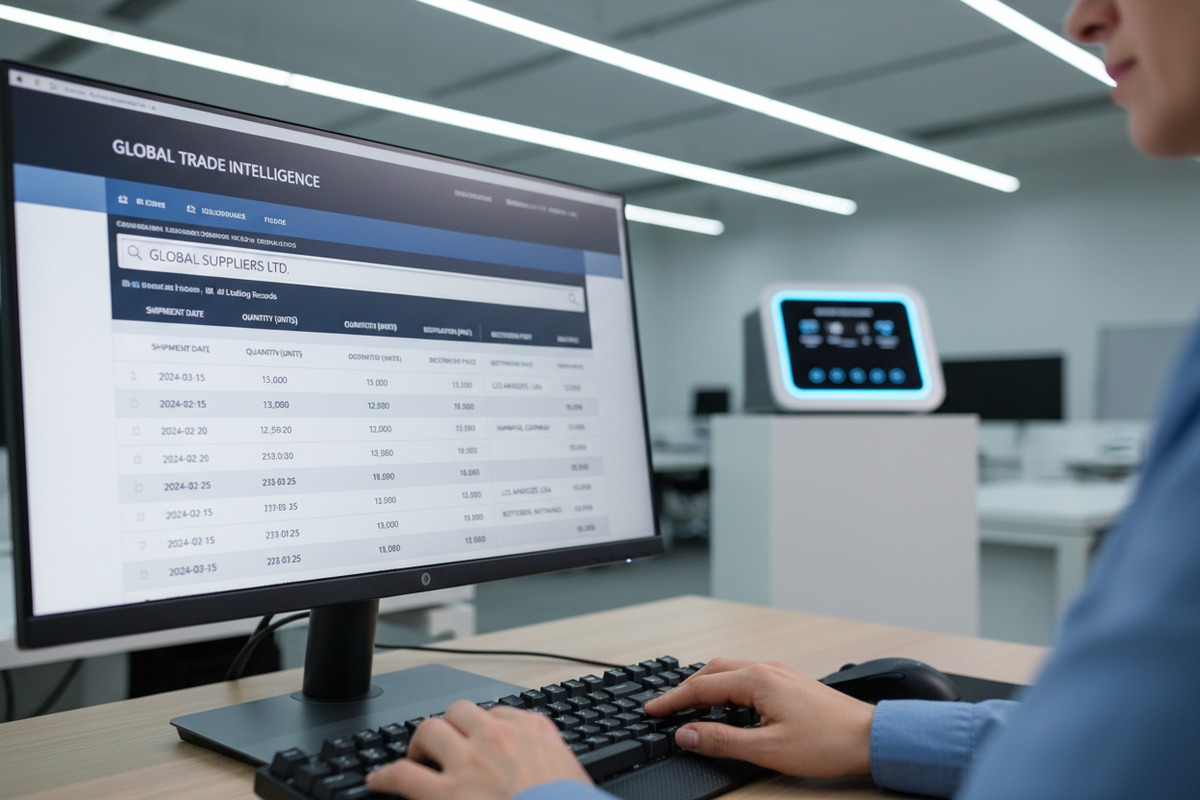
Understanding Customs Data Basics
Customs data refers to official records collected by government authorities during import and export transactions. These records provide valuable insight into a supplier's actual trade activities.
Key data points include:
- Bill of Lading (B/L): A legal shipping document showing shipper, consignee, cargo details, and vessel information
- HS Codes: Harmonized System codes 3 that classify products internationally
- Export volumes: Quantity and value of shipped goods
- Transaction dates: When shipments occurred
- Destination countries: Where products were sent
Finding the Right HS Code for Pressotherapy Machines
Pressotherapy machines fall under medical or massage equipment categories. The relevant codes are:
| HS Code | Description | Application |
|---|---|---|
| 9018 | Instruments and appliances used in medical, surgical sciences | Medical-grade pressotherapy devices |
| 901890 | Other instruments and appliances (medical/surgical) | Pneumatic compression therapy units |
| 9019 | Mechano-therapy appliances, massage devices | Spa and wellness pressotherapy systems |
| 901910 | Massage apparatus | Aesthetic body treatment machines |
When searching customs databases, use these codes to filter results specifically for pressotherapy-related equipment.
Step-by-Step Verification Process
- Collect supplier information: Get the exact legal company name from their business license
- Access a customs data platform: Choose Tendata, ImportGenius, or free options like UN Comtrade 4
- Search by company name: Enter the supplier's registered name to pull their export history
- Filter by HS code: Narrow results to 9018 or 9019 categories
- Analyze export frequency: Check if shipments occur monthly or sporadically
- Review buyer countries: Diverse destinations indicate broader market acceptance
Free vs. Paid Data Sources
| Platform Type | Examples | Coverage | Cost | Best For |
|---|---|---|---|---|
| Free Official | UN Comtrade, China Customs | Aggregated data, limited detail | $0 | Initial screening |
| Low-Cost | ImportYeti, ABke | 50-100 countries, basic filters | $50-200/month | SME verification |
| Professional | Tendata, Panjiva, ImportGenius | 180+ countries, full B/L access | $200-500/month | Enterprise-level due diligence 5 |
| Verification Reports | GlobalTQM, CFC | Single supplier focus | $99-300 per report | One-time checks |
What specific shipment data should I look for to confirm a factory's production capacity?
Our engineering team frequently fields questions about production capacity. Numbers on a website mean nothing without proof. Real capacity shows up in shipping patterns—how much, how often, and to whom.
Look for monthly export volumes exceeding 10 units, consistent shipment frequency over at least 6 months, and diverse buyer relationships with 5+ different importers. A genuine pressotherapy manufacturer will show steady shipping patterns rather than sudden spikes or long gaps that suggest they're sourcing from others.
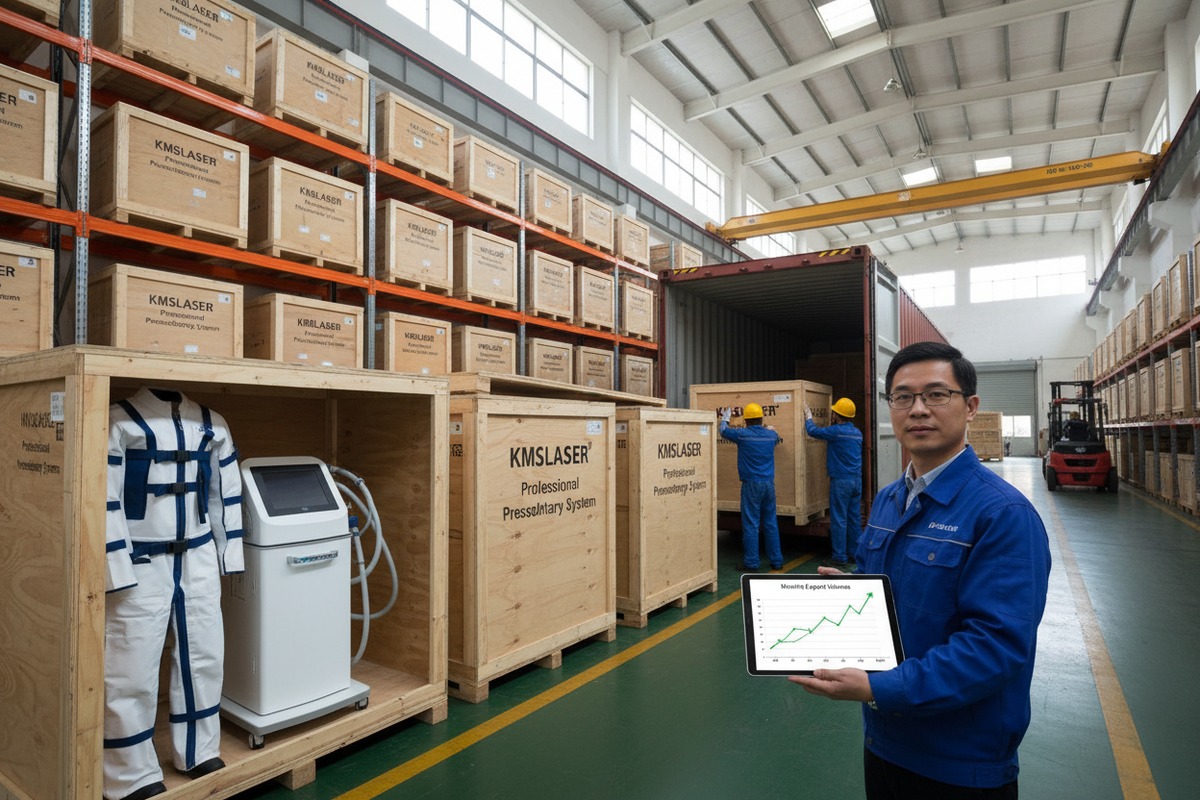
Key Production Capacity Indicators
When analyzing customs data, focus on these metrics that reveal true manufacturing capability:
Volume Consistency
A factory producing pressotherapy machines regularly will have predictable shipping patterns. Look for:
- Monthly or bi-monthly shipments
- Gradual volume growth over 12-24 months
- Seasonal patterns that match market demand cycles
Buyer Diversity Score
Suppliers serving only one or two buyers may be dependent relationships or captive manufacturing arrangements. A strong supplier profile shows:
- 5+ different importing companies
- Multiple destination countries
- Buyers across different market segments (clinics, distributors, spas)
Red Flags in Shipment Patterns
| Warning Sign | What It Means | Risk Level |
|---|---|---|
| Zero records found | No export history or using a different company name | High |
| Single buyer only | May be exclusive agent, not manufacturer | Medium |
| Erratic volumes | Inconsistent production, possible trading company | Medium-High |
| Sudden 500%+ spike | New operation or buying from others | Medium |
| All shipments in one month | One-time order fulfillment, not regular production | High |
Comparing Good vs. Bad Supplier Profiles
Profile A: Reliable Manufacturer
- 48 shipments over 24 months
- Average 8 units per shipment
- Ships to 12 countries
- 23 different buyers
- Steady quarterly growth of 15%
Profile B: Suspicious Entity
- 3 shipments in 18 months
- Highly variable quantities (2, 50, 5 units)
- Ships to 1 country only
- Single buyer
- No recent activity in past 6 months
How to Calculate Real Production Scale
Using customs data, you can estimate a supplier's actual output:
- Sum total units exported over 12 months
- Add estimated domestic sales (typically 20-40% of export volume for China manufacturers)
- Compare against their claimed monthly capacity
- Flag any supplier claiming 10x their verifiable output
This method helped one of our partners avoid a factory that claimed 500-unit monthly capacity but only shipped 30 units total in the previous year.
How do I check if a China supplier has experience shipping to my specific region?
We export our pressotherapy machines to the U.S., Canada, and Europe weekly. But regional experience matters—regulations differ, packaging requirements vary, and customs processes change by country. A supplier new to your market may cause costly delays.
Search customs databases for your target country as the destination, then filter by the supplier's company name or HS code 9018/9019. Look for repeated shipments to your specific region over multiple years. A supplier with 20+ shipments to the U.S. or EU has proven they understand Western regulatory requirements and logistics.

Why Regional Experience Matters
Different regions have unique requirements for pressotherapy machines:
| Region | Key Requirements | Verification Needed |
|---|---|---|
| United States | FDA 510(k) registration 6, UL certification | Look for shipments through FDA-regulated ports |
| European Union | CE marking 7, MDR compliance | Verify consistent EU destination shipments |
| Canada | Health Canada device license | Check Canadian border crossing records |
| Australia | TGA registration | Look for Sydney/Melbourne port arrivals |
Using U.S. Import Data for Reverse Verification
U.S. customs data is among the most transparent globally. You can:
- Access ImportGenius or similar U.S.-focused platforms
- Search for your potential supplier as the shipper
- Identify which U.S. companies imported from them
- Research those U.S. buyers to assess if they're legitimate wellness or medical businesses
When our products ship to U.S. clinics and distributors, those relationships become visible in customs records. A supplier with no U.S. import records claiming "major American clients" should raise questions.
Analyzing Destination Diversity
Strong suppliers typically show geographic spread:
Healthy Export Profile:
- 35% North America
- 30% Europe
- 20% Asia-Pacific
- 15% Other regions
Risky Concentration:
- 95% Single country
- Limited to one trade route
- Only free trade zone destinations
Cross-Platform Validation Strategy
No single platform captures all data. Smart buyers use multiple sources:
- Start with Tendata for China export records covering 200+ countries
- Add U.S. ImportGenius for detailed American import bills
- Check UN Comtrade for aggregate country-level trends
- Verify with China Customs for official exporter lists
This multi-source approach catches discrepancies. If a supplier shows heavy EU shipments in Tendata but zero records in European databases, investigate further.
Can I use bill of lading details to spot red flags in a supplier's business stability?
Our logistics team reviews hundreds of bills of lading annually. These documents tell stories beyond shipping—they reveal business relationships, operational consistency, and potential fraud signals. Learning to read them protects your investment.
Yes, bill of lading details reveal crucial stability indicators. Look for consistent shipper names matching the supplier's registered company, regular shipping agents, stable port usage, and accurate cargo descriptions. Red flags include mismatched company names, personal bank account requests, sporadic activity gaps, and freight forwarder-only shipper details.
Critical B/L Elements to Examine
| B/L Field | What to Check | Red Flag Signs |
|---|---|---|
| Shipper Name | Must match business license exactly | Trading company name when supplier claims manufacturer status |
| Consignee Pattern | Diverse, established buyers | Single consignee or frequent "To Order" shipments |
| Cargo Description | Specific product details | Vague descriptions like "general merchandise" |
| Container Numbers | ISO-compliant format | Non-standard numbering or mismatches |
| Shipping Frequency | Regular intervals | 6+ month gaps between shipments |
| Port of Loading | Consistent with factory location | Loading from port far from claimed factory |
Common Bill of Lading Fraud Indicators
Fraudulent suppliers often make detectable mistakes:
Document Quality Issues
- Inconsistent fonts or formatting
- Missing carrier official stamps
- Blurry logos or signatures
- Information fields that don't align properly
Information Mismatches
- Weight discrepancies between B/L and commercial invoice
- Product descriptions that conflict with HS codes
- Shipper address different from factory address
- Multiple B/Ls showing identical details from "different" shipments
The Shipper vs. Manufacturer Question
A critical distinction many buyers miss: the shipper on a B/L may not be the manufacturer.
Scenario Analysis:
| B/L Shows | Reality | Your Risk |
|---|---|---|
| Factory name as shipper | Direct manufacturer | Lower – direct relationship |
| Trading company as shipper | Middleman involved | Medium – added markup, less control |
| Freight forwarder as shipper | Actual source unknown | Higher – no direct accountability |
When we ship our pressotherapy machines, our company name appears as the shipper. If you're told you're buying direct from a factory but B/L records show a trading company name, you're not getting the full story.
Building a Supplier Stability Timeline
Use historical B/L data to map a supplier's trajectory:
- Pull 3 years of shipment records
- Plot monthly shipment counts
- Note any gaps exceeding 60 days
- Identify buyer churn (new vs. repeat consignees)
- Check for sudden changes in shipping routes or volumes
A stable manufacturer shows gradual growth, consistent shipping relationships, and predictable patterns. Dramatic fluctuations suggest financial instability, quality issues driving buyer loss, or business model changes.
Integrating B/L Analysis with Other Verification
Customs data alone has limitations. Combine it with:
- Business license verification via NECIPS (China's company registry)
- Factory audits for physical production verification
- Certification checks (CE, FDA, ISO) through issuing bodies
- Bank account validation ensuring company name matches
This multi-layered approach catches suppliers who may have some legitimate shipping history but lack genuine manufacturing capability or are experiencing business decline.
Conclusion
Customs data transforms supplier verification from guesswork into evidence-based decision making. By analyzing export history, shipment patterns, regional experience, and bill of lading details, you can identify reliable pressotherapy machine suppliers while avoiding costly mistakes.
Footnotes
1. Explains the Harmonized System codes for product classification in international trade. ↩︎
2. Provides a comprehensive definition and functions of a Bill of Lading. ↩︎
3. Official source defining the international product classification system. ↩︎
4. Official portal for detailed global annual and monthly trade statistics. ↩︎
5. Defines the investigation process to verify information before business arrangements. ↩︎
6. Replaced with the official FDA page providing comprehensive information on Premarket Notification 510(k). ↩︎
7. Official EU information on the mandatory conformity marking for products. ↩︎
8. Details the systematic evaluation of manufacturing facilities for compliance and quality. ↩︎

 English
 Español de México
 Deutsch
 Français
 العربية
 Русский
