
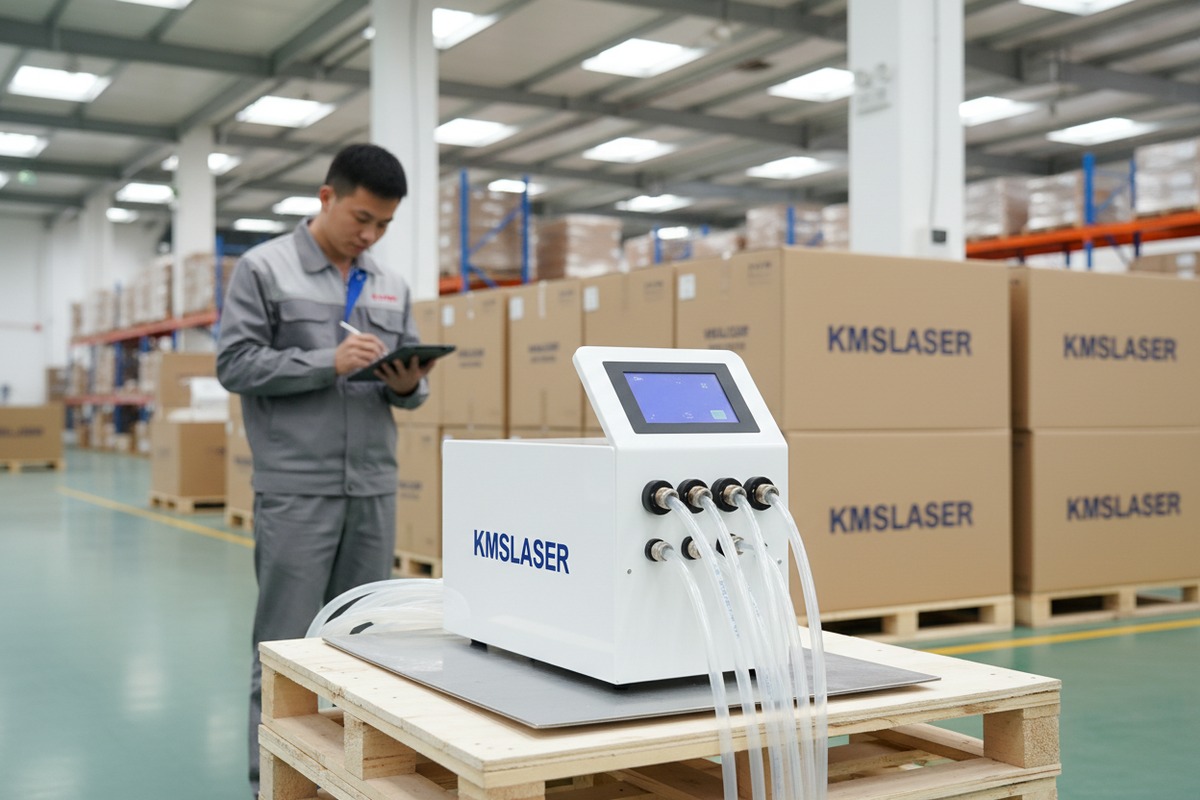
Working on our production line in Guangzhou, we have watched countless buyers struggle with customs delays, surprise fees, and damaged pressotherapy machines 2. The problem often comes down to one bad decision: choosing the wrong DDP freight forwarder 3.
To choose the right DDP freight forwarder for China pressotherapy machines, verify their medical device clearance experience, demand itemized cost breakdowns, check for real-time tracking capabilities, confirm destination country compliance knowledge, and ensure they offer comprehensive cargo insurance covering pneumatic components.
This guide walks you through each critical factor FDA or CE compliance 4. We will show you what to ask, what to avoid, and how to protect your investment from factory door to your warehouse.
How do I verify if a DDP forwarder has specific experience with beauty machine customs clearance?
When we ship pressotherapy systems to the US and Europe, the customs process gets complicated fast. Many forwarders claim expertise but lack actual experience with medical-grade beauty equipment. This gap can cost you thousands in delays and penalties.
Request documented proof of previous medical device shipments, ask for FDA or CE compliance case studies, verify their HS code classification track record for equipment under 9018.90 or 9019.10, and check if they maintain destination-country customs broker partnerships with healthcare logistics expertise.

Why Medical Device Experience Matters
Pressotherapy machines fall into a regulatory gray zone. They are not simple consumer goods. They require specific documentation and handling protocols. A forwarder without this experience may misdeclare your equipment. This can trigger FDA holds or customs seizures.
The FDA conducts inspections of medical device imports and requires specific Affirmation of Compliance codes. If your forwarder does not understand these requirements, your shipment may face examination delays. According to industry data, the FDA may hold shipments for 6-7 days during inspection.
Key Questions to Ask Your Forwarder
Before signing any contract, ask these specific questions:
| Question | Why It Matters | Red Flag Response |
|---|---|---|
| Have you shipped pressotherapy or lymphatic drainage equipment before? | Proves relevant experience | "We ship all types of equipment" (too vague) |
| Do you have a US customs broker on staff? | Ensures destination expertise | "We work with third parties only" |
| Can you provide HS code classification 5 for my specific machines? | Prevents misdeclaration | Hesitation or generic answers |
| How do you handle FDA prior notice requirements? | Shows regulatory knowledge | "The buyer handles that" |
| Do you have experience with CE marking documentation? | Critical for EU shipments | No specific examples given |
Verifying Certifications and Memberships
Look for forwarders who are members of recognized trade organizations. Membership in groups like the Global Logistics Alliance indicates a baseline of professionalism. However, do not rely on certifications alone. Ask for client references from beauty equipment brands.
Our engineering team has found that forwarders with in-house DDP capabilities perform better than those relying entirely on third parties. This is especially true for specialized equipment like pressotherapy machines with pneumatic components 6.
Documentation to Request
Ask potential forwarders to provide:
- Sample customs documentation from previous medical device shipments
- Their process for HS code verification
- A list of ports they regularly clear medical equipment through
- Their standard operating procedure for FDA holds
Our export team reviews dozens of DDP quotes each month. We have learned to spot the warning signs that lead to nasty surprises. A quote that looks cheap often becomes expensive after delivery.
Watch for vague line items like "handling fees," missing duty calculations, absent insurance details, no mention of destination delivery charges, and quotes that don't specify who acts as Importer of Record. Transparent DDP quotes itemize freight, duties, taxes, insurance, and inland transportation separately.
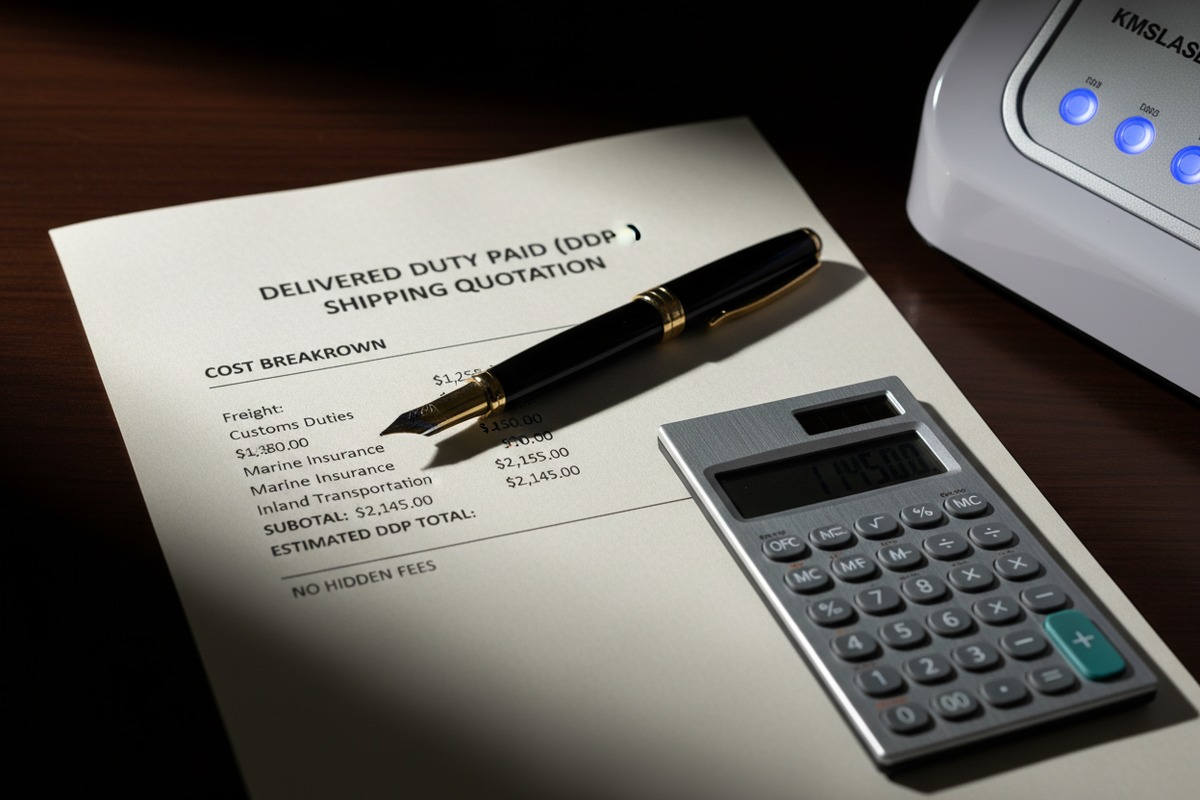
The Anatomy of a Transparent DDP Quote
A proper DDP quote should break down every cost component. When suppliers use vague quotes or push surprise handling fees after shipment, you lose control of your landed cost.
| Cost Component | Should Be Listed | Common Hidden Markup |
|---|---|---|
| Base Freight (Air/Sea) | Yes, with weight/volume | 20-40% of total |
| Import Duties | Yes, with HS code reference | 10-25% of product value |
| Destination VAT/Taxes | Yes, with percentage | Varies by country |
| Insurance | Yes, with coverage amount | 5-15% of shipment value |
| Customs Brokerage | Yes, as separate line | Often bundled and inflated |
| Inland Delivery | Yes, to specific address | Per-mile charges hidden |
| Terminal Handling | Yes, if applicable | Port fees often excluded |
Specific Red Flags in DDP Quotes
Based on our experience shipping pressotherapy machines, these warning signs should make you pause:
Vague "All-Inclusive" Pricing: A single lump sum without breakdown hides the real cost structure. You cannot negotiate what you cannot see.
Missing HS Code Reference: Without the specific tariff code, the duty estimate is just a guess. For pressotherapy machines, codes like 9018.90 or 9019.10 have different duty rates.
No Insurance Details: If insurance is not specified, your machines may travel unprotected. Ask what coverage amount is included and what events are covered.
Unspecified Importer of Record: Under DDP, the seller is typically the importer of record 7. If this is unclear, you may face unexpected liability.
Suspiciously Low Quotes: DDP shipping from China to the US typically costs $6-22 per kg for air freight. Quotes far below this range often exclude essential fees.
How to Demand Full Transparency
Before accepting any quote, request a PDF pre-clearance sheet. This document should include full tariff estimates and carrier handling costs before production begins. As one industry source notes, "DDP without documentation is like insurance without a policy—worthless."
Ask your forwarder to run landed cost simulations for your specific pressotherapy models. This calculation should include the unit price plus total freight, insurance, duties, and any additional fees.
Comparing DDP to Alternative Incoterms
Understanding your options helps you evaluate DDP value: Incoterms 8
| Incoterm | Buyer Responsibility | Typical Cost Impact |
|---|---|---|
| DDP | Receive goods only | Highest upfront price |
| DAP | Pay duties on arrival | 10-20% cheaper than DDP |
| FOB | Everything after loading | Most control, most work |
| CIF | Import clearance, duties | Mid-level responsibility |
While DDP costs more upfront, it eliminates the administrative burden. For many beauty equipment importers, this simplicity is worth the premium.
How can I ensure my pressotherapy machines are protected against damage during DDP transit?
When we calibrate our pressotherapy control units at the factory, we know how sensitive the pneumatic components are. A single impact during transit can damage the air compressor systems. Proper protection starts before the machines leave our facility.
Require your forwarder to provide shock watches and tilt indicators on shipments, specify custom foam packaging for pneumatic components, confirm cargo insurance covers full replacement value, demand documentation of handling procedures at each transit point, and verify climate control for air bladder materials.
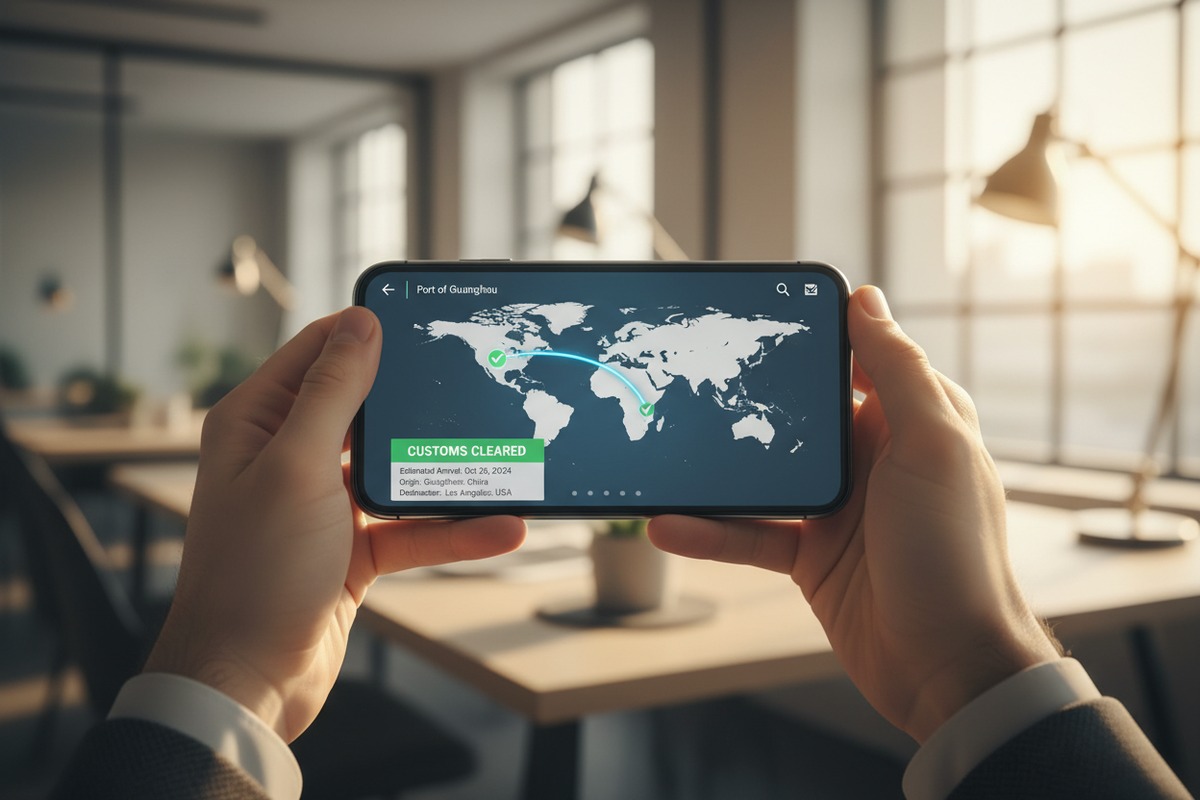
Understanding Pressotherapy-Specific Risks
Pressotherapy machines contain delicate components that standard freight handling may damage:
- Air compressor units: Sensitive to drops and impacts
- Control unit LCD screens: Vulnerable to pressure and shock
- Pneumatic hoses and connectors: Can crack under temperature extremes
- Air bladders in compression suits: Require stable humidity levels
Medical equipment requires careful monitoring during transit for any sudden shock or tilting that could impact machine performance. Your freight forwarder should use monitoring devices like shock watches to measure impacts and "tip and tell" indicators to measure any in-transit tilting.
Packaging Requirements for Safe Transit
Work with your manufacturer and forwarder to establish these packaging standards:
| Component | Protection Method | Monitoring Requirement |
|---|---|---|
| Control Unit | High-density foam insert | Shock indicator |
| Compressor Module | Double-wall corrugated box | Tilt indicator |
| Air Bladder Set | Moisture-barrier bag | Humidity indicator |
| Connecting Hoses | Coiled with protective wrap | Temperature logger |
| LCD Display | Corner protectors + foam | Impact sensor |
Insurance Coverage Essentials
Standard cargo insurance 9 may not cover all damage scenarios. For pressotherapy machines, verify your policy includes:
Full Replacement Value: Coverage should match your purchase price plus shipping costs, not depreciated value.
Mechanical Damage: Some policies exclude internal component failure from transit stress. Ensure pneumatic system damage is covered.
Temperature Excursion: Air bladder materials can degrade in extreme temperatures. Confirm coverage for climate-related damage.
Delay Damages: If customs holds damage perishable components, does your policy cover it?
Handling Protocols at Transit Points
Ask your forwarder to document their handling procedures at each stage:
- Factory Pickup: Who inspects packaging before loading?
- Consolidation Warehouse: How are machines stored before shipment?
- Port Handling: What equipment moves your cargo?
- Destination Customs: Where are machines held during inspection?
- Final Delivery: Who unloads at your warehouse?
Our service team recommends requesting photos at each transit point. This creates an evidence chain if damage claims become necessary.
Creating a Damage Response Protocol
Before shipment, establish clear procedures for damage situations:
- Immediate notification requirements (within 24-48 hours)
- Documentation requirements (photos, indicator readings)
- Claims filing process and deadlines
- Replacement or repair arrangements
- Responsibility allocation between parties
What level of door-to-door tracking should I expect from my China-based logistics partner?
In our experience exporting pressotherapy systems to the US and Europe, tracking visibility directly impacts buyer confidence. When shipments go dark during transit, anxiety rises. Modern DDP forwarders should eliminate information gaps entirely.
Expect real-time milestone updates at minimum seven transit points: factory pickup, warehouse consolidation, export customs clearance, departure, arrival at destination country, import customs status, and final delivery. Top forwarders offer GPS tracking, AI-powered delay predictions, and automated alert systems.
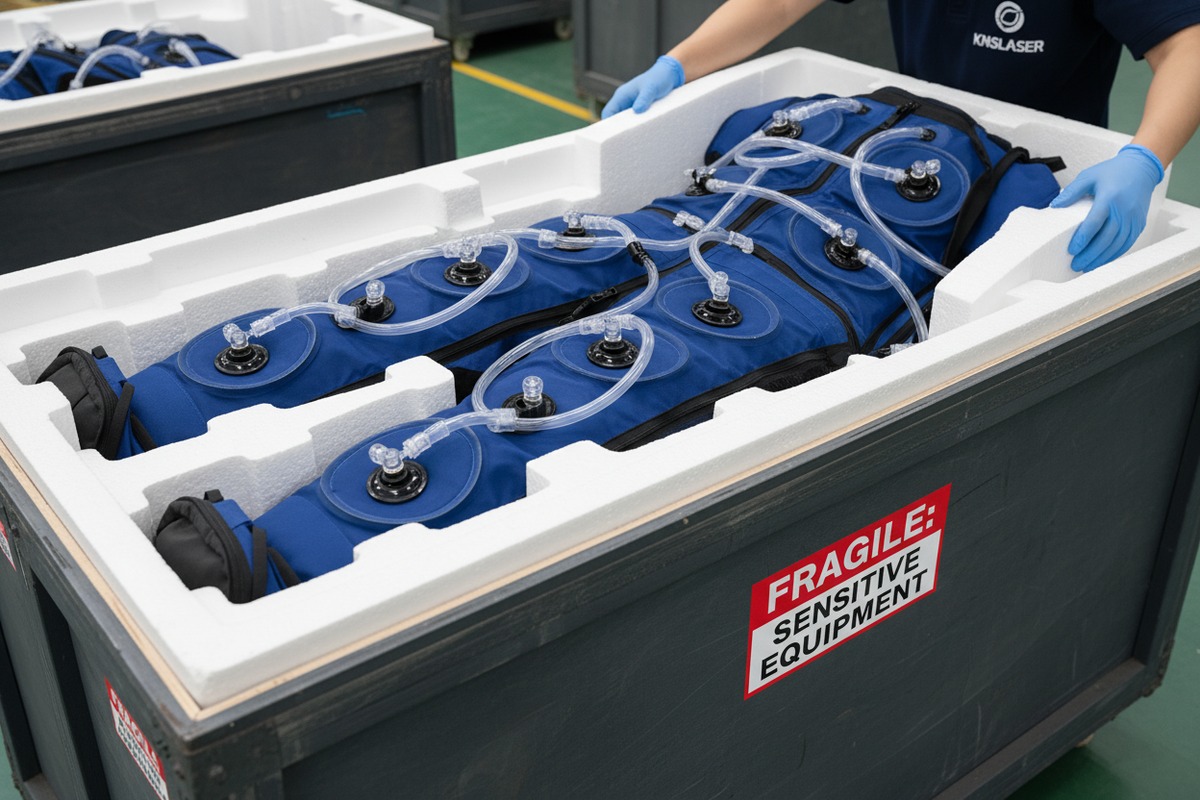
Minimum Tracking Milestones
Any competent DDP forwarder should provide updates at these stages:
| Milestone | What It Confirms | Expected Timing |
|---|---|---|
| Order Info Received | Label created | Immediately after booking |
| Picked Up from Supplier | Physical possession | Within 24 hours of pickup |
| Export Customs Cleared | China clearance complete | 1-2 days after pickup |
| Departed Origin | Left China | Day of departure |
| In Transit | Moving to destination | Updated during journey |
| Arrived Destination | Reached your country | Day of arrival |
| Import Customs Submitted | Clearance in progress | Within hours of arrival |
| Customs Cleared | Ready for delivery | Varies (1-5 days typical) |
| Out for Delivery | Final mile active | Delivery day |
| Delivered | At your door | Completion |
Advanced Tracking Features to Request
Beyond basic milestones, leading forwarders now offer:
AI-Powered Delay Predictions: Some platforms use predictive analytics to alert you before delays happen. This helps you adjust your sales timeline or notify customers proactively.
Exception Heatmaps: Visual tools showing where delays commonly occur by lane, hub, or carrier. This data helps you choose better routing options.
Branded Tracking Pages: Customer-facing portals let your downstream buyers track shipments without flooding your inbox with status questions.
Webhook Integration: For larger operations, real-time tracking data can flow directly into your ERP or inventory management system.
Communication Standards to Establish
Set clear expectations with your forwarder before shipment:
Response Time: How quickly will they respond to status inquiries? Industry best practice is 12-24 hours maximum.
Proactive Alerts: Will they notify you of delays, or must you check manually? Automated email alerts should be standard.
Language Support: Can you communicate in your preferred language? This matters when resolving urgent issues.
Contact Channels: What methods are available—email, phone, WhatsApp, WeChat? Multiple channels ensure you can reach someone when needed.
Handling Tracking Gaps
Even good forwarders experience tracking lapses. Here is how to handle them:
When tracking pauses during international transit, the package may still be moving. Updates often stop during carrier handoffs—for example, when a China-based forwarder transfers to a local delivery carrier.
For shipments from China to the US, tracking commonly pauses at "Departure from outward office of exchange." The package is in transit but may not update until entering the destination postal system.
If tracking shows no movement for more than 7-10 days, contact your forwarder immediately. Have them trace the shipment with the carrier directly.
Integration with Your Operations
For businesses processing multiple pressotherapy orders monthly, tracking should integrate with your existing systems:
- Inventory management software
- Customer notification systems
- Delivery scheduling tools
- Quality control workflows
Ask potential forwarders about their API capabilities. Real-time data feeds reduce manual status checking and improve customer communication.
Conclusion
Choosing the right DDP freight forwarder protects your pressotherapy machine investment from factory to warehouse. Verify medical device experience, demand transparent quotes, ensure proper damage protection, and require comprehensive tracking. These steps separate professional importers from those who learn expensive lessons.
## Footnotes

<span id="footnote-1">
1. Official FDA guide on requirements for importing medical devices into the United States. <a href="#ref-1" class="footnote-backref">↩︎</a>
</span>

<span id="footnote-2">
2. Provides a comprehensive overview of pressotherapy, its benefits, and how the machines work. <a href="#ref-2" class="footnote-backref">↩︎</a>
</span>

<span id="footnote-3">
3. Explains Delivered Duty Paid (DDP) Incoterms, where the seller handles all shipping risks and costs. <a href="#ref-3" class="footnote-backref">↩︎</a>
</span>

<span id="footnote-4">
4. Official FDA resource detailing quality and compliance requirements for medical devices. <a href="#ref-4" class="footnote-backref">↩︎</a>
</span>

<span id="footnote-5">
5. Official government resource explaining Harmonized System (HS) codes, their structure, and importance in international trade. <a href="#ref-5" class="footnote-backref">↩︎</a>
</span>

<span id="footnote-6">
6. Wikipedia provides a clear definition of pneumatics and its components, relevant to the article's context. <a href="#ref-6" class="footnote-backref">↩︎</a>
</span>

<span id="footnote-7">
7. Defines Importer of Record (IOR) and outlines responsibilities for customs compliance and duties. <a href="#ref-7" class="footnote-backref">↩︎</a>
</span>

<span id="footnote-8">
8. Official government resource explaining Incoterms, defining responsibilities, costs, and risks in international trade. <a href="#ref-8" class="footnote-backref">↩︎</a>
</span>

<span id="footnote-9">
9. Explains cargo insurance, its types, and why it's crucial for businesses in global transportation. <a href="#ref-9" class="footnote-backref">↩︎</a>
</span>

 English
 Español de México
 Deutsch
 Français
 العربية
 Русский
