
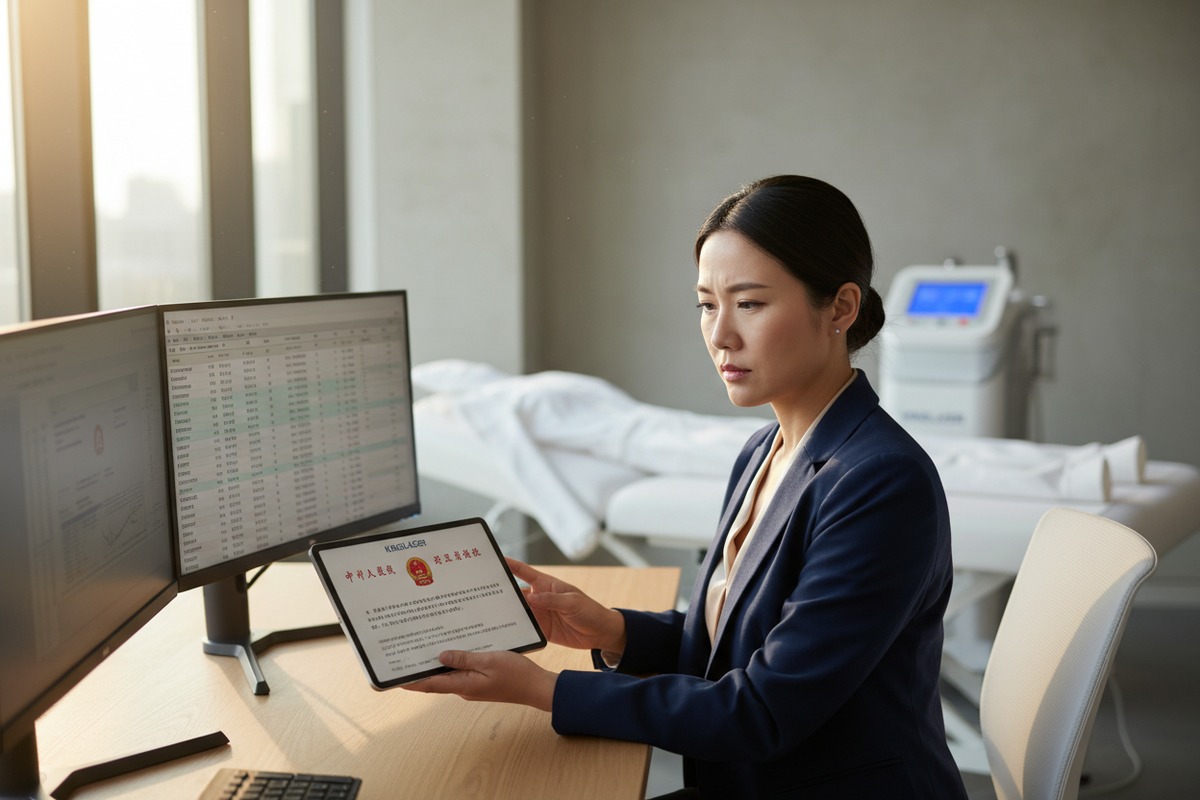
Every week, our customer service team receives urgent calls from buyers who wired payments to fraudulent accounts out-of-band communication 1. They thought they were paying for a pressotherapy machine 2. Instead, their money vanished. This costly mistake is preventable with the right verification steps.
To verify supplier bank account authenticity, always match the bank account name against the supplier’s official business license, use out-of-band phone verification through independently sourced contact details, and consider automated verification tools like Trustpair or apexanalytix that validate ownership in real time across 190+ countries.
This guide breaks down each verification step in plain English Unified Social Credit Code 3. You will learn how to spot red flags, avoid personal account scams, and protect your business from costly fraud. Let us dive in.
How do I confirm the bank account name matches my supplier's official business license?
When our sales team onboards new distributors, we always ask for their business license first. It is the anchor document. If a supplier cannot provide one—or the name does not match the bank account—that is a serious warning sign.
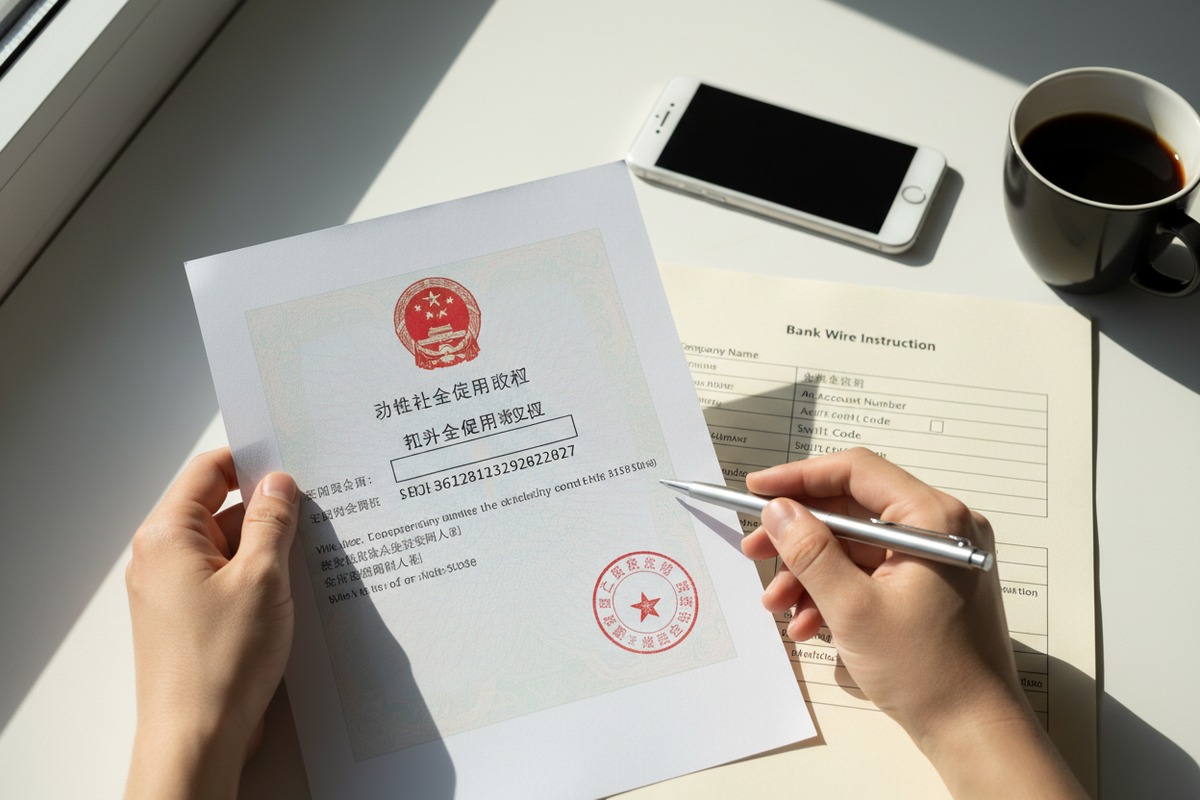
To confirm the bank account name matches your supplier's business license, request a scanned copy of the official license, then compare the registered company name character-by-character with the bank account holder name. For Chinese suppliers, check their Unified Social Credit Code against government registries.
Why Business License Verification Matters
The business license is the legal identity of any company. For pressotherapy equipment suppliers, this document proves the seller is a real, registered entity. When the bank account name does not match the license name, you may be dealing with a scammer or an unregistered middleman.
Step-by-Step Verification Process
First, request the supplier's business license in high resolution. Look for these key details:
| Document Element | What to Check | Red Flag |
|---|---|---|
| Company Name | Must match bank account holder exactly | Slight spelling variations or abbreviations |
| Registration Number | Verify against government database | Number not found or expired |
| Business Scope | Should include medical/beauty equipment | Missing relevant categories |
| Registration Date | Check for established history | Less than 6 months old |
| Legal Representative | Match against company contacts | Different name than primary contact |
Second, verify the license independently. For Chinese suppliers, use the National Enterprise Credit Information Publicity System (NECIPS). For suppliers from other countries, check their local business registries.
Handling Name Mismatches
Sometimes legitimate mismatches occur. A company may use a trading name different from its legal name. In these cases, request a bank letter on official letterhead confirming the account belongs to the registered entity. Legal entity match on supplier's profile and bank account is essential—no bank account change should happen online without trails of data.
Cross-Reference with Multiple Documents
Do not rely on one document alone. Ask for:
- VAT registration certificate
- Export license (for international suppliers)
- Bank statement header showing account holder name
- Voided check or bank confirmation letter
Every new vendor account and every change to existing bank details should go through automated bank account verification—no exceptions, no workarounds. This prevents fraudsters from exploiting small gaps in your process.
What red flags should I watch for when receiving payment instructions for my pressotherapy machine?
In our years of exporting beauty equipment, we have seen sophisticated fraud attempts. Scammers study real supplier communications and create near-perfect copies. Knowing the warning signs can save you thousands of dollars.
Key red flags include last-minute bank account changes via email, payment requests from personal accounts instead of corporate ones, urgency pressure to bypass verification procedures, email addresses with subtle domain misspellings, and bank accounts located in countries different from the supplier's registered location.
The Business Email Compromise Threat
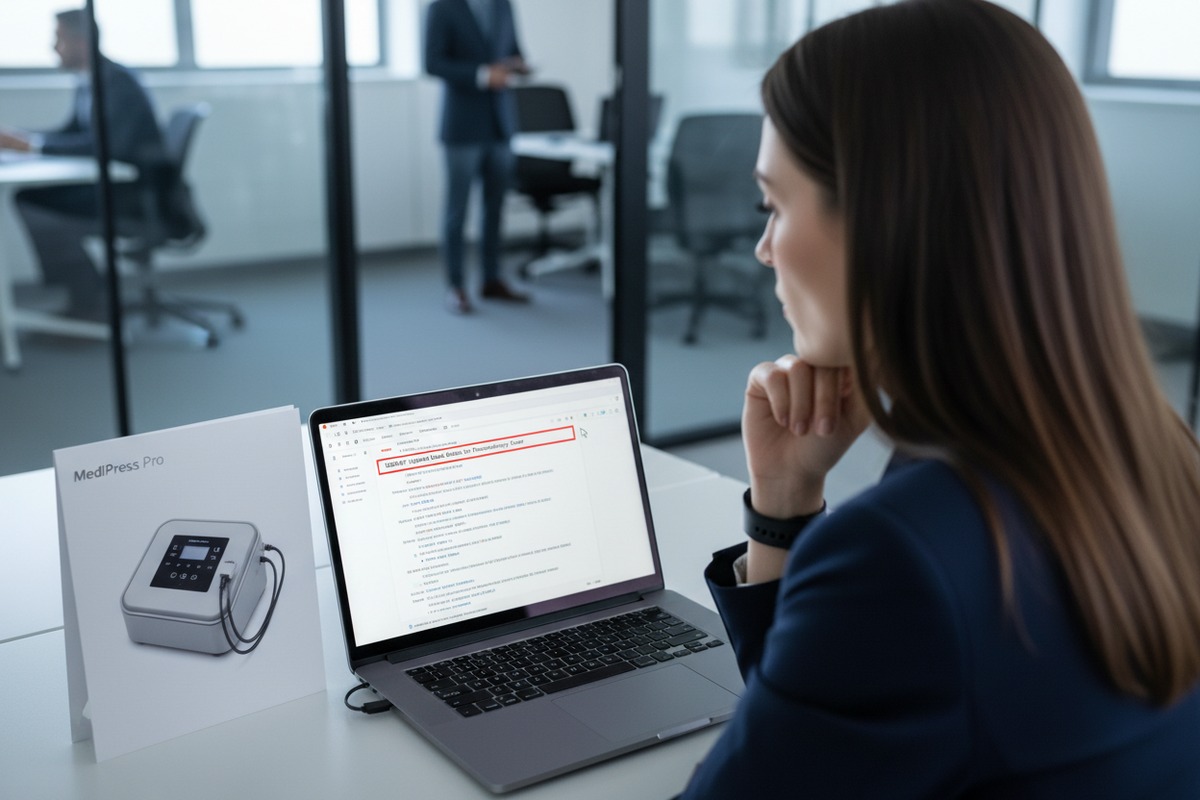
According to the 2025 AFP Payments Fraud and Control Survey 5, business email compromise 6 (BEC) was the most common method used in attempted or actual payments fraud in 2024. This type of attack specifically targets equipment purchases like pressotherapy machines because the transaction values are high enough to be worth the effort.
Since the popularization of generative AI tools, BEC has gone from being only 1% of all cyber attacks in 2022 to 18.6% of all attacks. The emails are now nearly indistinguishable from legitimate business correspondence.
Critical Red Flags Checklist
| Red Flag | What It Looks Like | Why It Is Dangerous |
|---|---|---|
| Last-Minute Bank Change | "Please use this new account for payment" | Attackers now often attempt to intercept or redirect real pending payments, inserting themselves into vendor conversations. |
| Urgency Pressure | "Pay today or lose your order slot" | Creates panic, bypasses normal verification |
| Email Domain Variations | @kms1aser.com instead of @kmslaser.com | Single character changes are easy to miss |
| New Bank Account | Account opened within last 6 months | Fraudulent accounts are typically new |
| Personal Account Request | "Pay to my personal account this time" | No recourse if funds are stolen |
| Foreign IP Login | Payment request sent from unusual location | Account may be compromised |
How Scammers Execute Payment Fraud
An email arrives from a trusted supplier asking to update their bank account details. The request looks legitimate—logo, signature, even the right contact's name. Your team processes the change without question. Days later, you learn the payment didn't go to your supplier at all—it went to a fraudster's account. The money is gone.
Criminals are using increasingly sophisticated tactics, including artificial intelligence (AI)-generated emails and deepfake audio, to make fake bank account change requests appear completely legitimate.
Verification Steps When Red Flags Appear
If any red flag appears:
- Stop all payment processing immediately
- Contact your supplier using phone numbers from your original contract—not from the suspicious email
- Request a video call to verify the person's identity
- Verify any change in account number or payment procedures with the person making the request. Be especially wary if the requestor is pressing you to act quickly.
- Document all communications for potential legal action
Real-World Fraud Statistics
In the IC3 2024 Annual Report, officials found that BEC was the 7th most reported crime, with 21,442 complaints. However, BEC was second on the dollar list, with close to $2.8 billion in losses.
79% of businesses experienced payments fraud in 2024. Do not assume it will not happen to you.
Why is it risky for me to pay into a personal bank account rather than a corporate one?
Our finance team has a strict policy: we only accept payments into our corporate account. When a buyer asks if they can pay to a personal account, we decline. This protects both parties. The same logic applies when you are the buyer.
Paying into a personal bank account eliminates your legal recourse if fraud occurs, removes audit trails for dispute resolution, signals potential tax evasion or unlicensed operations, and forfeits any buyer protection that banks offer for business transactions. Legitimate suppliers always provide corporate banking details matching their business registration.

Legal Protection Disappears
There is an increase in the risk of fraud when using personal accounts. Consumer protection laws generally do not apply to business transactions, so if it's considered a business transaction and you lose your money in a business scam, you may not be able to get your money back.
When you pay a corporate account, the receiving company has:
- Registered business information on file with the bank
- Legal liability tied to the company entity
- Transaction records subject to regulatory oversight
- A reputation to protect
Personal accounts have none of these safeguards.
Why Suppliers Sometimes Request Personal Payments
| Reason Given | What It Really Means | Risk Level |
|---|---|---|
| "Corporate account has issues" | May be avoiding audits or taxes | Very High |
| "Faster processing this way" | No verification, no protection | Very High |
| "My partner handles payments personally" | Unauthorized intermediary | Very High |
| "We're a small family business" | May be legitimate but still risky | High |
| "Just this one time" | Testing your controls | Very High |
The Audit Trail Problem
Maintaining separate bank accounts for your business and personal expenses is crucial for accurate financial reporting and seamless tax compliance. When business and personal bank accounts are mixed, identifying deductible expenses becomes difficult, and money paid into a personal account instead of a business one can compromise accurate reporting.
For you as a buyer, this means:
- You cannot prove the payment was for business purposes
- Your own tax deductions may be questioned
- Dispute resolution becomes nearly impossible
- No paper trail if the supplier disappears
Professionalism and Credibility Concerns
Your financial practices reflect your business's professionalism. Clients and partners may view payments to a personal account as a sign of an informal or less serious operation. This perception can affect your business relationships. Some clients, especially larger companies, require payments to business accounts matching your company's name and may refuse to make payments to personal bank accounts.
A legitimate pressotherapy machine manufacturer will never ask you to pay into a personal account. If they do, walk away.
Corporate Account Verification Benefits
| Corporate Account | Personal Account |
|---|---|
| Registered to legal entity | Registered to individual |
| Subject to business regulations | Limited consumer protections |
| Verifiable through bank systems | Difficult to verify ownership |
| Clear audit trail | Minimal documentation |
| Legal recourse available | Limited legal options |
| Insurance may cover fraud | No fraud protection |
When you register a legal entity, financial separation is essential. A business account establishes the company as distinct from its owners. Without it, liability protection may be challenged.
How can I verify that the bank details provided in the proforma invoice are authentic?
When we send proforma invoice 7s to our distributors, we include our verified corporate bank details. We expect the same transparency from our own suppliers. Here is how to authenticate bank information before sending payment for your pressotherapy equipment.
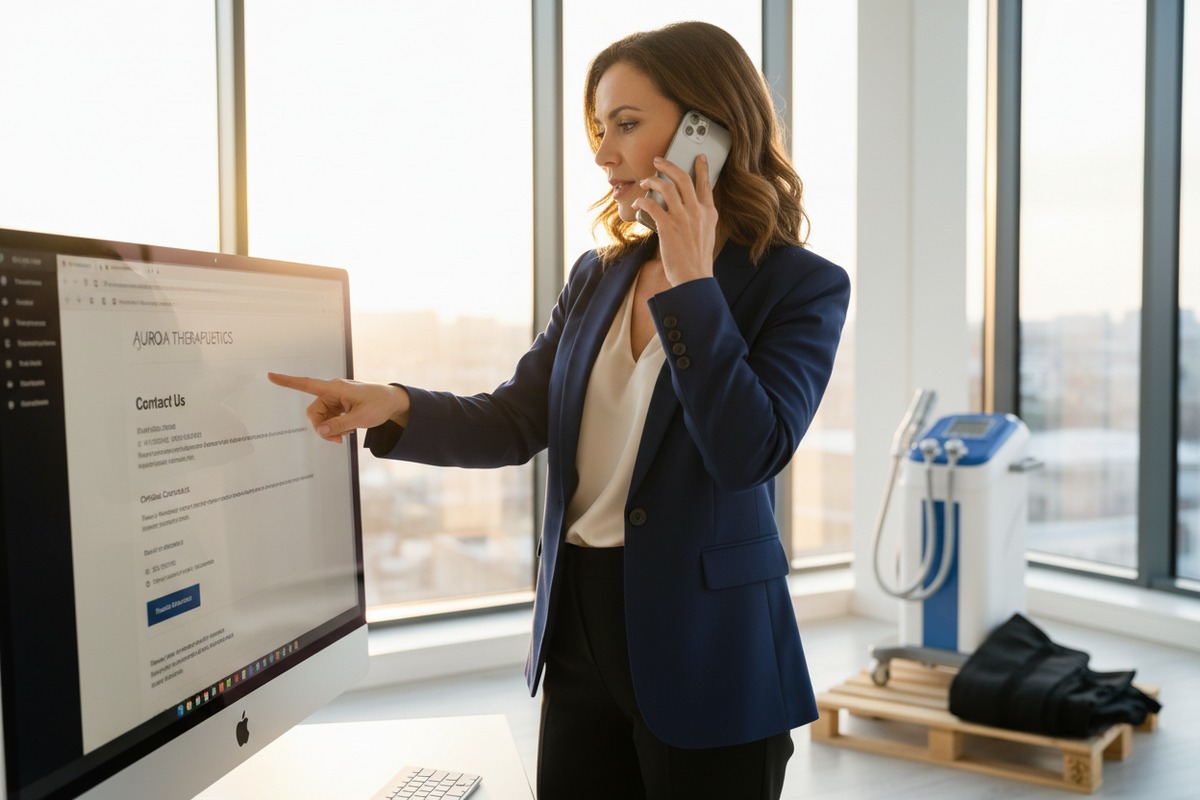
To verify proforma invoice bank details, cross-reference the account name against the supplier's business license, confirm details through out-of-band communication using independently sourced contact information, use automated verification tools that check account ownership in real time, and consider micro-deposit tests for high-value transactions.
Manual Verification Methods
Start with free, low-cost verification before investing in premium tools:
| Method | How It Works | Time Required | Reliability |
|---|---|---|---|
| Phone Callback | Call supplier using original contact number | 10 minutes | High if number is verified |
| Bank Letter Request | Ask for official bank confirmation | 3-5 days | Very High |
| Voided Check | Request scanned voided check | 1-2 days | Moderate |
| Government Registry | Check business registration online | 30 minutes | High |
| Micro-Deposits | Send two small test deposits for confirmation | 3-5 days | Very High |
Automated Verification Tools
Trustpair is widely recognized as the leading bank account verification platform for enterprises. Its technology delivers real-time account validation and continuous monitoring across 190+ countries. By automating the verification process, Trustpair eliminates manual reviews, callbacks, and email-based checks, which are prone to human error.
For pressotherapy equipment buyers, automated tools offer significant advantages:
| Tool | Key Features | Coverage | Best For |
|---|---|---|---|
| Trustpair | Real-time validation, ERP integration, continuous monitoring | 190 countries | International suppliers |
| apexanalytix | Integrated directly with global banks and governmental databases across US, China, UK, India, France, Mexico, and more | Global | Enterprise buyers |
| Eftsure | Validates vendor bank account details before payment using multi-factor checks, including vendor data, transaction history, and name matching | US/AU focus | Mid-size companies |
| VendorInfo | Self-service portals, real-time ownership checks | Primarily US | AP teams |
The Out-of-Band Verification Rule
Never verify bank details using contact information provided in the same email as the payment request. This is how fraud works:
- Scammer sends fake invoice with fraudulent bank details
- Invoice includes "verification phone number"
- You call the number—it goes to the scammer
- Scammer confirms the fake details
- You send payment to criminal account
Instead, use contact information from:
- Your original signed contract
- The supplier's official website (type the URL manually)
- Previous verified correspondence
- Industry directories or trade show materials
Integration with Your Payment Workflow
AP departments should build bank account verification into their onboarding workflow, so it happens automatically before a vendor is approved for payment. This prevents the AP team from inadvertently approving a vendor with inaccurate or fraudulent account information. By making verification part of the natural workflow, AP removes the temptation for staff to skip or delay the process.
Periodic Re-Verification
One-time verification is not enough. Supplier bank details can change over time. AP departments should set a policy to re-verify bank account information at regular intervals. Fraudsters sometimes wait months or years to strike, counting on the fact that initial verification won't be repeated. Periodic re-verification closes this gap and ensures that AP is not paying into a compromised account that changed hands after onboarding.
Success Rates: Manual vs. Automated
Manual checks (like calling a supplier) are error-prone, while automated verification ensures secure payments and compliance with anti-money laundering (AML) requirements 8.
The data supports automation:
| Verification Method | Fraud Detection Rate | Processing Time |
|---|---|---|
| Manual phone/email | 60% | Hours to days |
| Automated real-time | 95%+ | Seconds |
| Combined approach | 98%+ | Minutes |
For high-value pressotherapy equipment purchases, the investment in proper verification pays for itself many times over.
Conclusion
Verifying supplier bank accounts before buying pressotherapy equipment is not optional—it is essential fraud prevention. Match bank names to business licenses, watch for red flags, never pay personal accounts, and use both manual and automated verification tools 9. These steps protect your investment and your business reputation.
Footnotes
1. Authoritative source (NIST) defining out-of-band authenticators, which use out-of-band communication channels. ↩︎
2. Explains what a pressotherapy machine is and its benefits. ↩︎
3. Explains China’s unique identification system for businesses. ↩︎
4. Defines what a business license is and its legal purpose. ↩︎
5. Links to the official source of the mentioned payments fraud survey. ↩︎
6. Provides an official overview of Business Email Compromise scams. ↩︎
7. Defines what a proforma invoice is and its role in business transactions. ↩︎
8. Explains the purpose and components of anti-money laundering regulations. ↩︎
9. Describes how automated tools verify bank accounts to prevent fraud. ↩︎

 English
 Español de México
 Deutsch
 Français
 العربية
 Русский
