

Every year, our production floor sees orders from beauty salons worldwide looking for reliable pressotherapy machines 1. But I have watched buyers lose thousands of dollars on defective units with faulty air chambers or uncalibrated pressure systems. The pain of receiving equipment that fails during client treatments is real.
To use third-party inspection when sourcing pressotherapy machines from China, hire an independent inspection company like SGS, QIMA, or TESTCOO to verify product quality, certifications, and functionality at the factory before shipment. Schedule inspections at pre-production, during production, and pre-shipment stages. Always define clear quality standards in advance.
This guide walks you through everything you need to know about protecting your investment with professional inspections blood circulation 2. Let me show you how to avoid costly mistakes and build a reliable supply chain.
How can a third-party inspection protect my pressotherapy machine investment in China?
When we ship pressotherapy systems to the US or Europe, our clients often ask how they can verify quality without flying to Guangzhou themselves FDA registration 3. It is a fair question. Trusting a supplier across the ocean with a $10,000+ order feels risky. One defective shipment can shut down a clinic or damage your brand reputation overnight ISO 17020 4.
A third-party inspection protects your pressotherapy machine investment by providing independent verification of product quality, safety compliance, and functionality before you release payment. Inspectors check pressure accuracy, air chamber operation, certifications like CE and ISO 13485, and packaging integrity—catching defects before shipment.
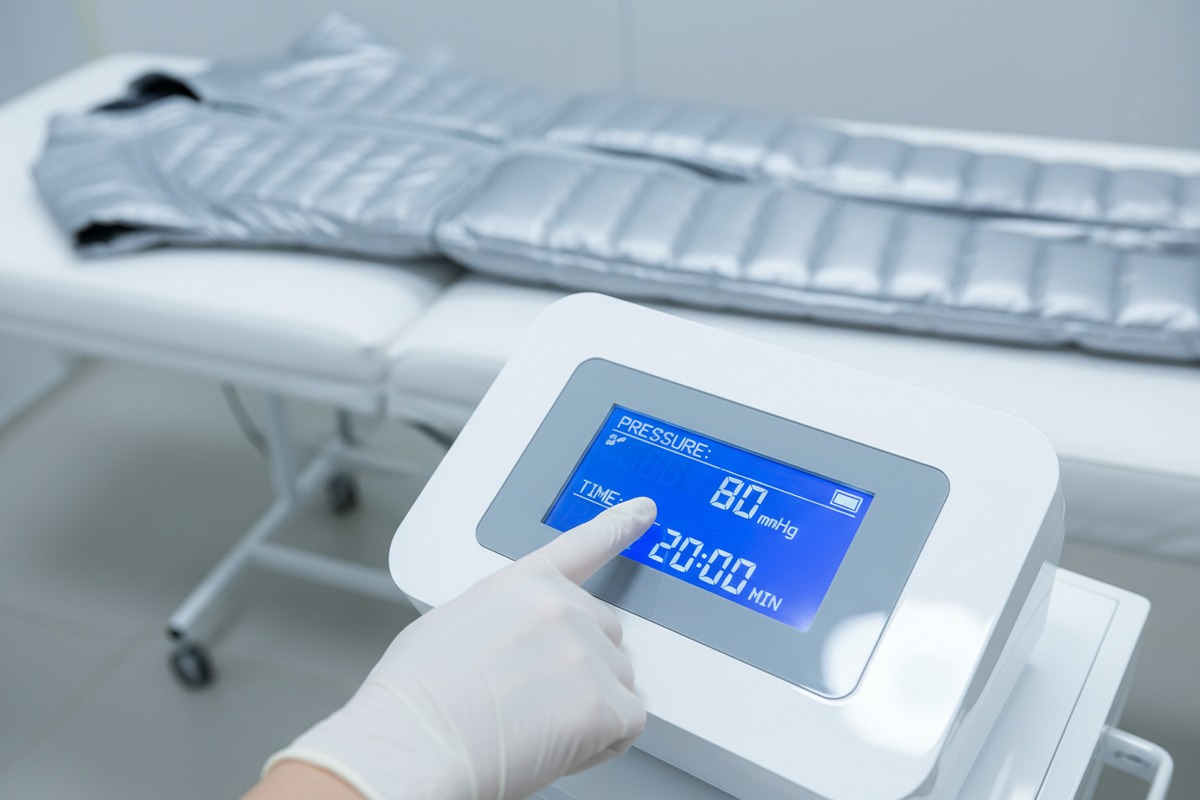
Why Independent Verification Matters
Third-party inspection involves hiring an independent firm to audit factories, verify production quality, and inspect goods before they leave China. These inspectors work for you, not the supplier. They have no incentive to overlook problems.
For pressotherapy machines, this is especially important. These devices use sequential air compression to promote lymphatic drainage 5 and blood circulation. They feature multiple air chambers, pressure sensors, and electronic control units. A small defect in any component can compromise treatment effectiveness or user safety.
The Real Costs of Skipping Inspection
Consider this scenario: You order 50 pressotherapy units at $8,000 each. That is a $400,000 investment. Without inspection, you discover upon arrival that 20% have faulty pressure controls. The machines either over-inflate (risking user injury) or fail to maintain consistent pressure (rendering treatments ineffective).
Your options now include expensive returns, local repairs, or selling at a loss. Meanwhile, your customers wait, and your reputation suffers.
What Third-Party Inspectors Actually Check
| Inspection Area | What They Verify |
|---|---|
| Pressure Systems | Accuracy in mmHg/kPa, consistent inflation/deflation cycles |
| Air Chambers | No leaks, proper sequential operation, biocompatibility of materials |
| Control Units | Touch screen function, mode selection, timer accuracy |
| Safety Features | Electrical safety per IPC standards, proper grounding, voltage compatibility |
| Certifications | CE marks, ISO 13485 6 compliance, FDA registration where applicable |
| Packaging | Export-quality cartons, foam protection, correct labeling |
Building Long-Term Supplier Relationships
Inspections do more than catch defects. They signal to your supplier that you are serious about quality. Factories know that an independent inspector will document everything with photos and detailed reports.
In our experience, suppliers perform better when they know inspections will happen. The announcement alone motivates production teams to follow quality protocols more carefully.
What specific quality checkpoints should I include in my pressotherapy machine inspection list?
Our engineering team spends hours calibrating each pressotherapy system before shipment. But even with rigorous internal QC, external inspection adds another layer of verification that our overseas clients truly value. The key is knowing exactly what to check.
Your pressotherapy machine inspection list should include pressure accuracy testing (0-187mmHg range), air chamber leak detection, sequential inflation cycle verification, control panel functionality, electrical safety compliance, certification document review, biocompatibility of skin-contact materials, and packaging integrity for safe international shipping.

Pressure System Verification
The heart of any pressotherapy machine is its pressure system. Inspectors should verify:
- Pressure range accuracy: Most professional units operate between 0-187mmHg or 0-0.4 kg/cm². Measurements should match specifications within acceptable tolerance.
- Gradient pressure function: The machine should apply decreasing pressure from extremities toward the body core for proper lymphatic drainage.
- Real-time monitoring: Digital displays must accurately reflect actual pressure in each chamber.
Air Chamber and Sleeve Inspection
Air chambers require careful examination because they contact client skin directly.
| Component | Inspection Criteria |
|---|---|
| Chamber Count | Verify advertised number (typically 8-24 chambers) |
| Material Quality | Check PU or similar material for durability, easy cleaning |
| Leak Testing | Inflate each chamber, hold for 60 seconds, check for pressure loss |
| Connector Integrity | Ensure air hose connections are secure and airtight |
| Sequential Operation | Confirm chambers inflate/deflate in correct order |
Electronics and Control Unit Testing
Modern pressotherapy systems feature sophisticated controls. Your checklist should cover:
- Touch screen responsiveness: All buttons and menu options should work correctly
- Mode verification: Test all programmed modes (typically 5-8 different treatment protocols)
- Timer function: Set various durations, confirm accurate countdown
- Emergency stop: Verify instant deflation when emergency button is pressed
- Voltage compatibility: Confirm unit matches destination country requirements (110V/220V)
Certification and Documentation Review
Never skip document verification. Inspectors should examine:
- CE marking: For European markets, verify authentic CE certification with technical file reference
- ISO 13485: Confirm factory holds current certification
- FDA registration: For US imports, verify 510(k) clearance or appropriate exemption
- Test reports: Request electromagnetic compatibility 7 (EMC) and electrical safety test reports
- User manuals: Check for destination-country language versions
Biocompatibility Considerations
Pressotherapy sleeves contact skin during treatments lasting 30-45 minutes. Materials must be:
- Free from harmful chemicals
- Hypoallergenic
- Easy to disinfect between clients
- Durable enough for professional use
Request material safety data sheets (MSDS) for all skin-contact components.
Packaging Assessment for International Shipping
Professional-grade packaging protects your investment during transit.
| Packaging Element | Standard Requirement |
|---|---|
| Outer Carton | Double-wall corrugated, minimum 5-ply |
| Inner Protection | High-density foam inserts custom-fit to unit |
| Moisture Barrier | Plastic wrap or silica gel packets |
| Labeling | Handling instructions, fragile warnings |
| Accessories | Separately packaged sleeves, manuals, cables |
How do I choose a reliable third-party inspection company for my beauty equipment imports?
When our clients in North America ask for inspection company recommendations, we always suggest starting with established firms that understand medical and beauty equipment. Not all inspection companies have the technical expertise to properly evaluate pressotherapy machines.
Choose a reliable third-party inspection company by verifying their medical device experience, checking accreditations like ISO 17020 and AQSIQ certification, confirming inspector training in beauty equipment, reviewing sample reports, comparing costs on a per-man-day basis ($149-$320), and ensuring coverage in your supplier's manufacturing region.
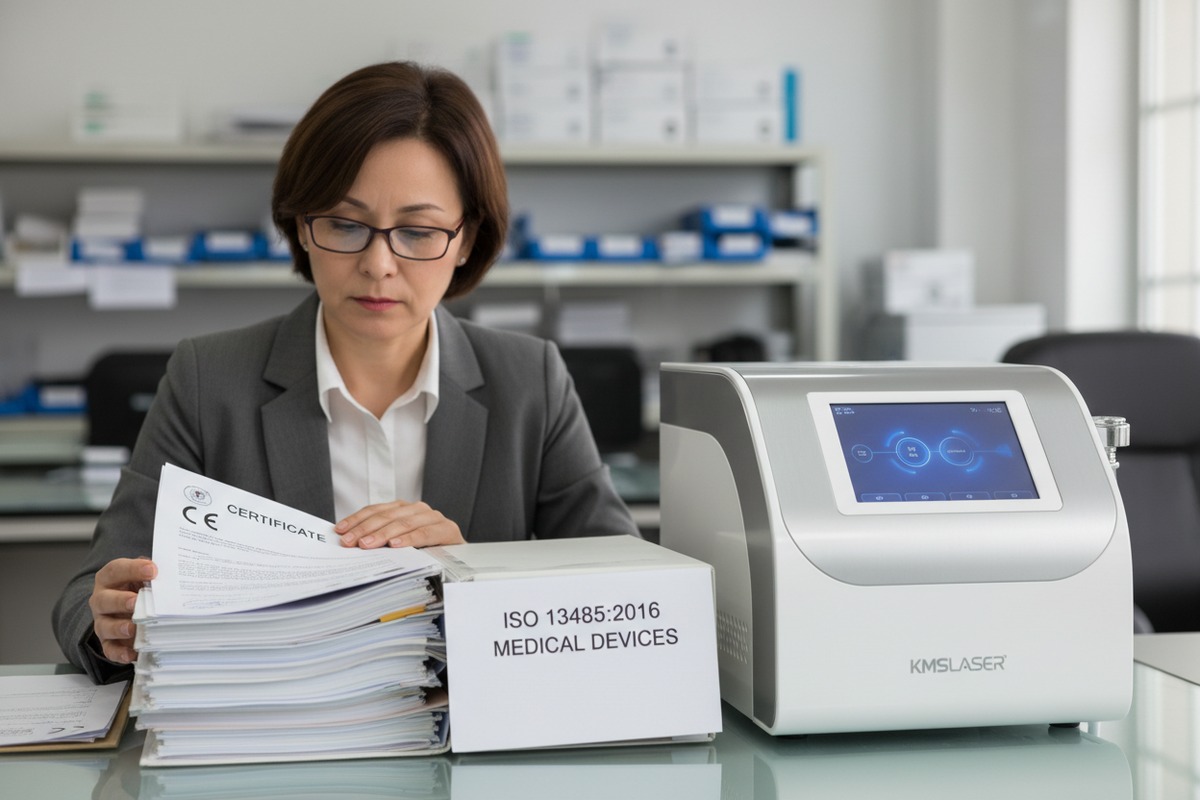
Top Inspection Companies for Medical Beauty Equipment
The inspection industry in China ranges from multinational giants to specialized local firms. Here are key players:
| Company | Strengths | Coverage | Typical Cost |
|---|---|---|---|
| SGS | Global leader, extensive lab network, medical device expertise | 90+ branches, 200+ labs in China | Premium pricing |
| TESTCOO | China-focused, ISO accredited, strong CRM support | Most China regions, Southeast Asia | $249/man-day |
| QIMA | Digital platform, fast booking, same-day reports | 100+ countries, strong Asia presence | Competitive |
| Intertek | 130+ years experience, comprehensive certifications | 1,000+ locations globally | Premium pricing |
| V-Trust | China specialists, cost-effective, good English support | Major manufacturing hubs | Mid-range |
Essential Accreditations to Verify
Before hiring any inspection company, check for these credentials:
- AQSIQ Certification: Chinese government accreditation for inspection bodies. Companies need registered capital over 2.3 million RMB (approximately $350,000 USD) to qualify.
- ISO 17020: International standard for inspection body competence
- CNAS Accreditation: China National Accreditation Service recognition
Questions to Ask Before Hiring
When evaluating inspection companies, ask:
- Do you have inspectors with medical device or beauty equipment experience?
- Can you share a sample inspection report for similar products?
- Are your inspectors full-time employees or freelancers?
- What is included in your man-day rate (travel, photos, reports)?
- How quickly can you schedule an inspection after booking?
- Do you offer during-production inspections, or only pre-shipment?
Understanding Inspection Costs
Third-party inspection pricing in China typically works on a per-man-day basis. One man-day covers 8-12 hours of inspector time.
| Cost Component | Typical Range | Notes |
|---|---|---|
| Base Man-Day Rate | $149-$320 | Varies by company reputation and service level |
| Travel Fees | $50-$150 | Applies for remote factory locations |
| Rush Booking | 25-50% premium | For inspections needed within 48 hours |
| Weekend Inspection | 50% premium | Saturday/Sunday inspections |
| Lab Testing | Variable | Required for safety/EMC testing |
Beware of companies that charge extra for photos, reports, or standard sampling. These should be included in the base rate.
Red Flags to Avoid
Watch out for these warning signs:
- No physical office (operating from apartments)
- Primarily part-time inspectors
- Unusually low prices without clear explanation
- No sample reports available
- Poor English communication
- No accreditation documentation
Matching Inspection Company to Supplier Location
Guangzhou is a major hub for beauty equipment manufacturing. Choose an inspection company with strong presence in Guangdong province to minimize travel fees and ensure inspector familiarity with local factories.
What steps should I take if my pressotherapy machine shipment fails a third-party inspection?
In years of exporting pressotherapy equipment, we have worked through failed inspections with buyers before. It happens even with good suppliers. What matters is how you respond. A failed inspection is not the end—it is an opportunity to fix problems before they become disasters.
If your pressotherapy machine shipment fails inspection, first review the detailed report to understand specific defects. Then communicate findings to your supplier, request a corrective action plan with timeline, negotiate who covers rework costs, schedule a re-inspection after fixes, and only release payment after passing the follow-up inspection.
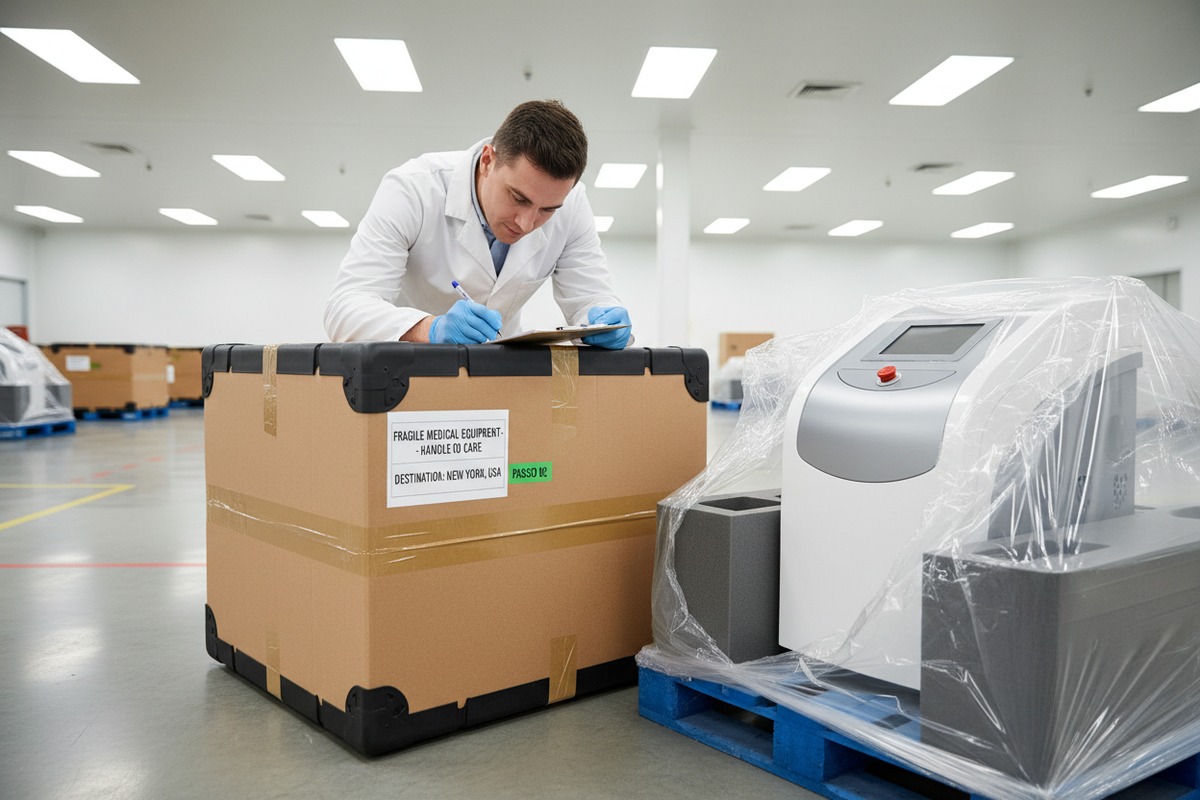
Understanding the Inspection Report
Inspection reports categorize defects into three levels:
| Defect Level | Definition | Impact on Decision |
|---|---|---|
| Critical | Safety hazard or renders product unusable | Automatic fail, must be fixed |
| Major | Likely to affect function or cause customer complaints | Typically triggers fail |
| Minor | Cosmetic issues unlikely to affect use | May pass depending on quantity |
Professional inspection companies use Acceptable Quality Level 9 (AQL) standards to determine pass/fail results. Common AQL levels for pressotherapy equipment:
- Critical defects: 0 (zero tolerance)
- Major defects: 2.5%
- Minor defects: 4.0%
Immediate Actions After a Failed Report
- Stay calm and professional: This is a business matter, not personal
- Review every detail: Examine photos and defect descriptions carefully
- Distinguish between real problems and miscommunication: Sometimes inspection criteria were not clearly defined
- Prioritize critical issues: Focus on safety and functionality first
Communicating with Your Supplier
Share the inspection report with your supplier immediately. Be specific about:
- Which units failed and why
- Photos showing the exact defects
- Your expectations for resolution
- Timeline constraints you face
Avoid accusatory language. Focus on problem-solving. Most reputable suppliers want to maintain relationships and will work to fix issues.
Negotiating Corrective Actions
| Issue Type | Typical Resolution | Who Pays |
|---|---|---|
| Manufacturing defects | Rework or replacement | Supplier |
| Specification miscommunication | Rework or accept at discount | Negotiable |
| Packaging damage | Repack | Supplier |
| Certification issues | Provide valid documentation | Supplier |
| Calibration errors | Recalibrate all units | Supplier |
For pressotherapy machines specifically, common corrections include:
- Replacing leaky air chambers
- Recalibrating pressure sensors
- Fixing touch screen software bugs
- Replacing damaged sleeves
- Providing missing certification documents
Scheduling Re-Inspection
After the supplier completes corrections:
- Request confirmation that all units have been fixed
- Book a re-inspection (often at reduced cost)
- Consider 100% inspection for previously defective batches
- Have the inspector verify corrections against original defect list
Protecting Your Payment Position
This is why escrow or letter of credit payment terms matter:
- Escrow: Hold payment until re-inspection passes
- Letter of Credit: Include inspection certificate as condition for payment release
- Staged Payments: Final 30% held until passing inspection
Never release full payment before confirming quality. Once money transfers, your negotiating leverage decreases significantly.
When to Walk Away
Sometimes the right decision is rejecting the shipment entirely. Consider this if:
- Defects are widespread (affecting 50%+ of units)
- Supplier is uncooperative or dismissive
- Corrections would take unacceptably long
- Trust has been broken beyond repair
Document everything for potential legal action or insurance claims.
Learning for Future Orders
Every failed inspection teaches valuable lessons:
- Improve your specification documents
- Add specific test requirements to purchase orders
- Consider during-production inspections for earlier detection
- Evaluate whether this supplier meets your quality standards
Conclusion
Third-party inspection is essential for protecting your pressotherapy machine investment when sourcing from China. By choosing qualified inspection companies, defining clear quality checkpoints, and knowing how to handle failed inspections, you minimize risk and build reliable supply chains. Quality assurance costs far less than dealing with defective products after they reach your customers.
Footnotes
1. Provides a comprehensive overview of pressotherapy, its benefits, and how it works. ↩︎
2. Details the components and function of the circulatory system and blood circulation. ↩︎
3. Official FDA guidance on medical device registration and listing requirements. ↩︎
4. Official ISO page for the ISO/IEC 17020 standard for inspection bodies. ↩︎
5. Explains the concept of lymphatic drainage, its benefits, and how it’s performed. ↩︎
6. Official ISO page for the ISO 13485 standard for medical device quality management systems. ↩︎
7. Wikipedia provides a clear definition and overview of electromagnetic compatibility (EMC). ↩︎
8. Provides information on AQSIQ certification, relevant for imports into China. ↩︎
9. Wikipedia explains the concept of Acceptable Quality Level (AQL) in quality control. ↩︎

 English
 Español de México
 Deutsch
 Français
 العربية
 Русский
