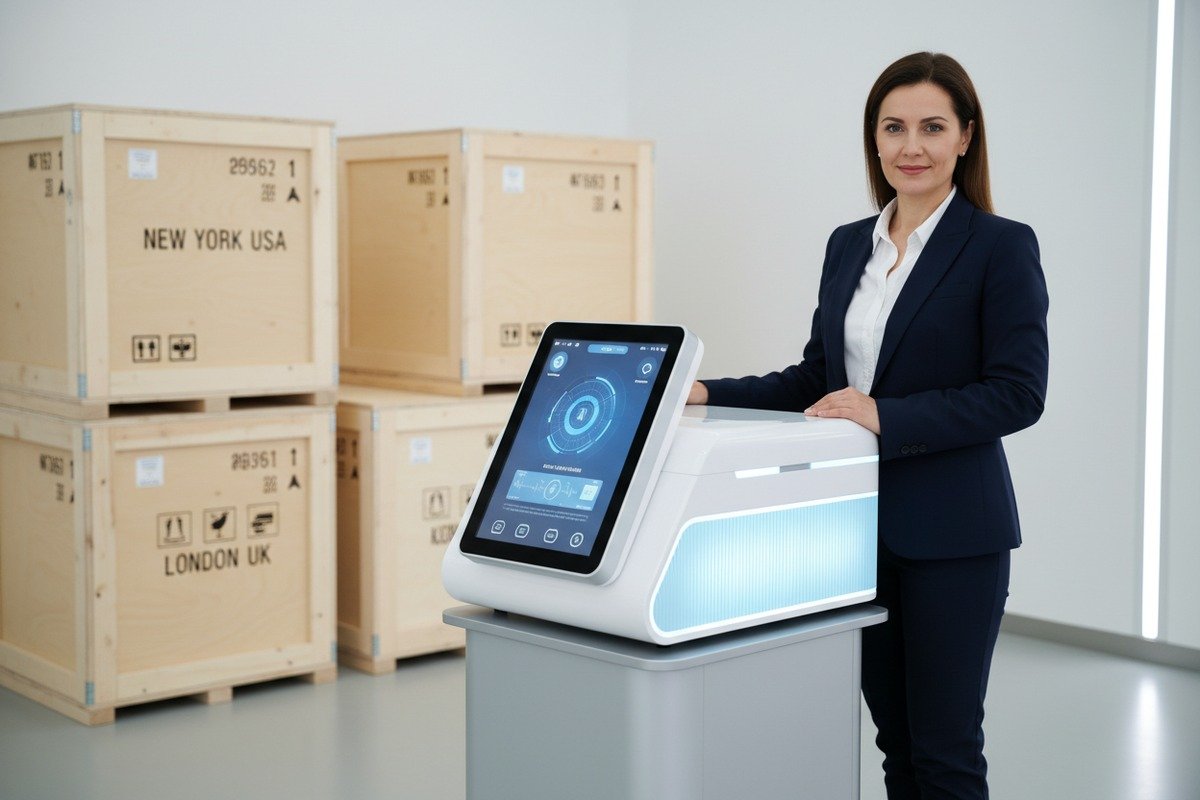
When our production team finishes another batch of shockwave therapy machines 1, distributors often ask about territorial rights. They worry about competitors selling identical models in their region.
Most shockwave therapy machine suppliers do not offer explicit market protection like exclusive territories or price controls. Instead, they prioritize open global distribution, OEM/ODM customization, and competitive pricing. Distributors gain indirect protection through training, private labeling, and marketing support rather than formal non-compete agreements.
This reality surprises many buyers. Let me walk you through what real market protection looks like in this industry and how you can build genuine competitive advantages.
Can I secure exclusive distribution rights for my shockwave therapy machine brand in my region?
Our export team receives this question weekly from new partners in the US and Europe. The hope for exclusive rights is understandable. Exclusive distribution rights 2 You want guaranteed returns on your investment.
Exclusive distribution rights are rare in the shockwave therapy industry. Most suppliers, including major Chinese manufacturers, favor open distribution models to maximize sales volume. However, some premium brands like Storz Medical offer regional exclusivity to select partners who meet strict sales targets and invest heavily in market development.

Why Most Suppliers Avoid Exclusivity
The global shockwave therapy market reached USD 186.6 million in 2024. Suppliers want access to every possible buyer. Locking into exclusive agreements limits their reach. From our factory's perspective, we serve distributors in 28+ countries. Giving one company exclusive rights in the US would cut off dozens of potential partners.
Exclusivity also creates legal risks. Antitrust regulations 3 in the EU and US scrutinize territorial restrictions. Suppliers avoid these complications by keeping markets open.
When Exclusivity Actually Happens
Premium European brands sometimes grant regional rights. Venn Healthcare holds exclusive UK and Ireland distribution for Storz Medical 4. They've supplied over 1,400 sites including NHS hospitals and Premier League football clubs. But this partnership required massive investment in training infrastructure, clinical support staff, and marketing.
| Factor | Open Distribution | Exclusive Distribution |
|---|---|---|
| Supplier Preference | High (90%+ of suppliers) | Low (select premium brands) |
| Investment Required | Low to moderate | Very high |
| Sales Targets | Flexible | Strict minimums |
| Market Size Needed | Any | Large established markets |
| Common With | Chinese OEM suppliers | European premium brands |
What You Can Realistically Expect
Instead of exclusivity, our engineering team recommends private labeling 5. When you create your own branded shockwave device, competitors cannot sell the same product. They might source similar hardware, but your brand identity remains unique.
Many successful distributors build market protection through:
- Custom firmware with proprietary interfaces
- Exclusive color schemes and housing designs
- Branded training programs and certification
- Regional warranty and service networks
How will my supplier prevent other distributors from selling the same model in my territory?
During trade shows, we often hear this concern from established brand owners. They've invested in market education and fear free-riders benefiting from their work.
Suppliers typically cannot and will not prevent other distributors from selling standard models in your territory. Open distribution is the industry norm. Your protection comes from differentiation strategies like OEM customization, unique product configurations, and building stronger customer relationships than competitors.
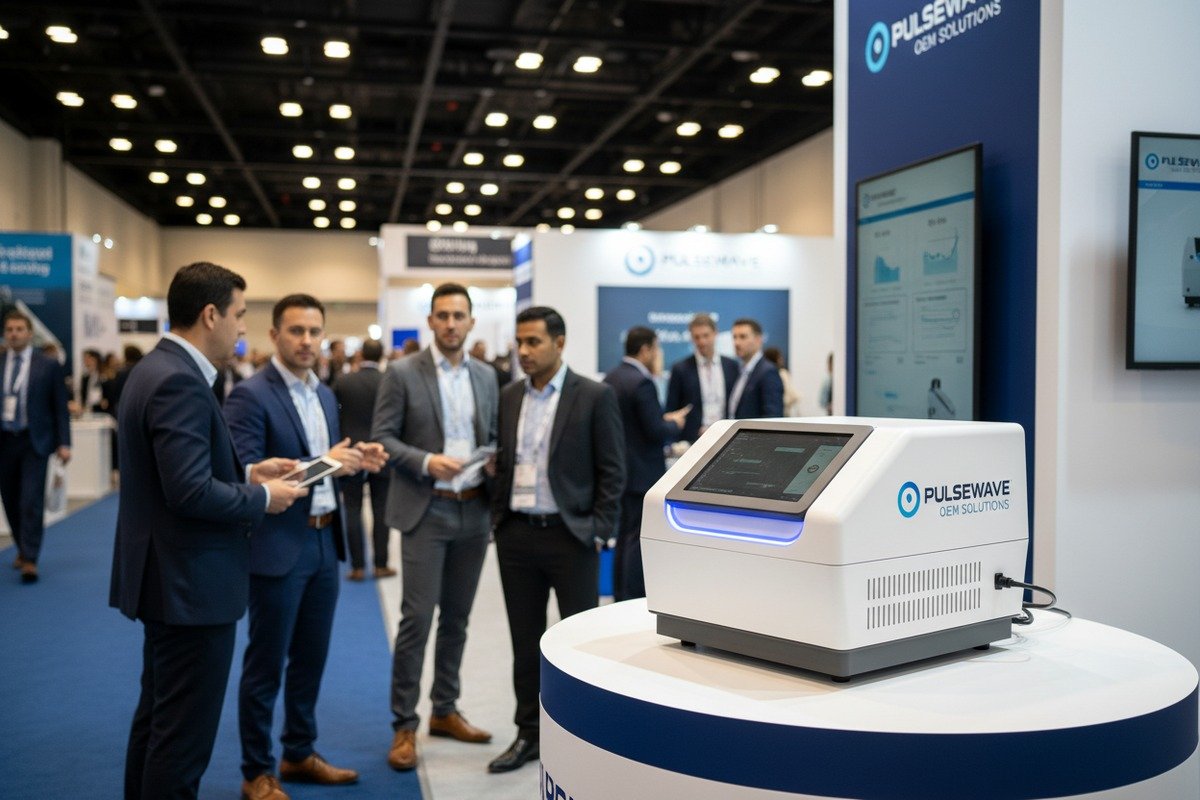
The Reality of Global Distribution
When our shipping department sends machines to California, we often ship similar units to Florida distributors the same week. Both serve American clinics. Neither has territorial protection on standard models.
This openness benefits suppliers financially. The top 5 shockwave therapy companies (Boston Scientific, BTL, Olympus, and others) control 45% market share through aggressive global distribution, not territorial restrictions.
How Smart Distributors Protect Themselves
Successful partners focus on what they can control. Here's what works:
Build Superior Service Networks
Clinics buy from distributors who provide fast repairs, responsive support, and reliable training. When your service outperforms competitors, price becomes secondary.
Create Unique Product Bundles
Our ODM capabilities let you request specific configurations. Combine shockwave therapy with laser modules or unique applicator sets. Competitors selling standard units cannot match your offering.
Supplier Support That Actually Helps
| Support Type | How It Helps Your Position | Availability |
|---|---|---|
| Training Programs | Customers depend on your expertise | Common |
| Marketing Materials | Builds your brand recognition | Common |
| Custom Firmware | Creates unique user experience | Available with OEM orders |
| Priority Shipping | Faster delivery than competitors | Volume-dependent |
| Extended Warranties | Reduces customer risk | 24-36 months typical |
| Clinical Protocols | Adds value beyond hardware | Premium suppliers only |
The Chinese Supplier Approach
From our Guangzhou facility, we ship to brand owners who then compete against each other. Our role is providing quality hardware and customization services. Market competition happens at the distribution level.
This model keeps prices competitive. The projected market growth to USD 296.6 million by 2034 suggests room for multiple successful distributors in each region.
What measures does my manufacturer take to protect my private-label designs from being copied?
Our design team understands this concern deeply. You invest in custom molds, unique interfaces, and brand-specific features. Protecting that investment matters.
Reputable manufacturers protect private-label designs through confidentiality agreements, separate production lines, and strict internal access controls. At quality-focused factories, custom molds and firmware remain exclusive to their commissioning client. However, protection depends heavily on supplier ethics and contractual enforcement.
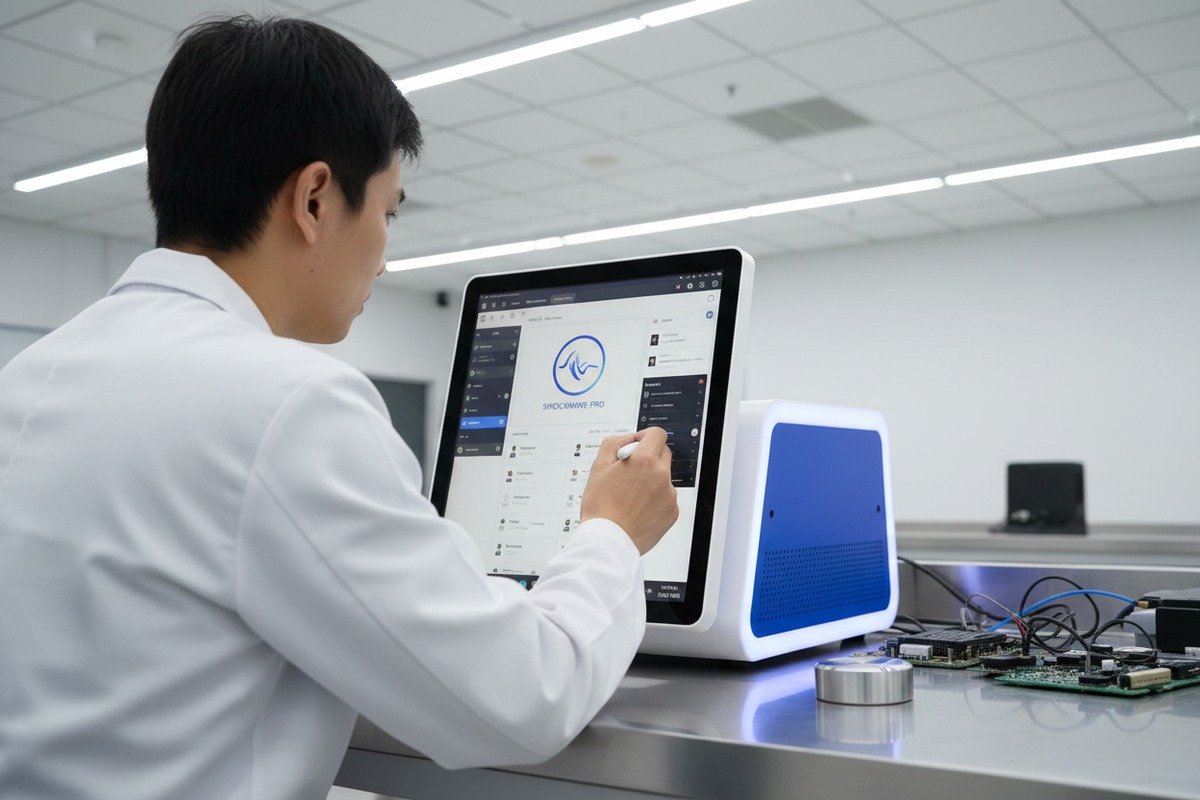
How Design Protection Works in Practice
When clients commission custom housings, our tooling department creates dedicated molds. These molds stay in controlled storage. Production staff cannot use them for other orders without authorization.
For firmware and software interfaces, we maintain separate development branches. Your touchscreen graphics, treatment protocols, and user workflows remain in isolated code repositories.
Key Protection Measures to Request
Before starting custom development, establish clear agreements:
Intellectual Property Clauses
Your contract should specify ownership of:
- Custom mold tooling
- Firmware source code
- Interface designs and graphics
- Treatment protocol libraries
- Unique color formulations
Physical Security Measures
Visit potential suppliers and verify:
- Separate storage for custom tooling
- Access control systems in production areas
- Employee confidentiality training
- Audit trails for design file access
The Risk of Low-Cost Suppliers
FDA warnings 6 indicate that 70%+ of low-end shockwave devices lack proper clearances. These suppliers often have weak internal controls. Design leaks happen when factories prioritize volume over relationships.
| Protection Factor | Premium Suppliers | Low-Cost Suppliers |
|---|---|---|
| Confidentiality Agreements | Standard practice | Often missing |
| Separate Mold Storage | Yes | Shared tooling common |
| Code Repository Controls | Strict access limits | Weak separation |
| Employee Training | Regular updates | Minimal |
| Audit Capabilities | Available | Rarely offered |
| Legal Recourse | Clear jurisdiction | Complex enforcement |
What Cannot Be Protected
Even with strong agreements, some elements remain vulnerable:
- General form factors that competitors can approximate
- Standard shockwave technology principles
- Common interface layouts
- Generic treatment parameters
Your strongest protection comes from continuous innovation. By the time competitors copy your current design, you've already launched improvements.
ISO 13485 and Protection Standards
Suppliers with ISO 13485 certification 7 maintain document control systems. These systems track design files, production records, and change histories. When evaluating manufacturers, request evidence of their quality management systems.
Our quality control department maintains full traceability. We can show you exactly who accessed your design files and when. This transparency builds trust and enables accountability.
Will my supplier guarantee price stability to protect my profit margins against local competition?
When our sales team discusses pricing, distributors often want locked rates for extended periods. They need predictable costs to maintain margins against aggressive competitors.
Most shockwave therapy suppliers do not guarantee long-term price stability. Manufacturing costs fluctuate with component prices, currency exchange rates, and shipping expenses. However, suppliers offer indirect margin protection through volume discounts, loyalty programs, and priority access to new products that help you maintain competitive advantages.

Why Price Guarantees Are Rare
The shockwave therapy market grows at 4.7% CAGR. This growth attracts new competitors, including low-cost Chinese imports. Suppliers face their own margin pressures from component costs and regulatory compliance investments.
From our production planning perspective, we cannot promise prices when:
- Electronic component costs shift quarterly
- Shipping rates vary dramatically
- Currency exchange creates unpredictable costs
- Regulatory requirements add compliance expenses
What Suppliers Can Offer Instead
Volume-Based Pricing Tiers
Larger orders earn better unit costs. This rewards growth and creates incentives for concentrated purchasing.
Annual Framework Agreements
Some suppliers offer 12-month pricing frameworks with adjustment clauses. You get predictability within defined ranges while suppliers manage risk.
Early Access Programs
Priority notification of price changes gives you time to adjust. Some partners receive 60-90 days notice before increases take effect.
| Pricing Strategy | Benefit to Distributor | Supplier Risk Level |
|---|---|---|
| Fixed Annual Price | Maximum predictability | High (supplier absorbs cost increases) |
| Quarterly Reviews | Moderate stability | Medium |
| Volume Discounts | Rewards growth | Low |
| Early Notification | Planning time | Very low |
| Currency Hedging | Exchange rate protection | Medium |
Protecting Margins Through Value
Price competition with low-cost imports is a losing battle. The market includes devices priced at a fraction of premium system costs. Competing on price alone destroys margins for everyone.
Better strategies focus on value differentiation:
Clinical Outcomes Documentation
Premium suppliers like Storz Medical appear in 200+ clinical publications. This evidence justifies higher prices to sophisticated buyers.
Comprehensive Training Programs
Clinics pay more for equipment that comes with thorough training. Our technical team can create certification programs exclusive to your customers.
Extended Service Agreements
36-month warranties (like those from quality suppliers) reduce total ownership costs. Clinics calculate long-term value, not just purchase price.
The Race to the Bottom
Low-cost imports often cut corners on safety testing. Red flags in 70%+ of budget devices include missing 510(k) clearance, unproven manufacturers, and inconsistent energy output.
When competitors sell these risky devices cheaply, resist matching their prices. Instead, emphasize:
- Regulatory compliance (FDA, CE, ISO 13485)
- Consistent energy output and safety features
- Reliable warranty service
- Clinical training and support
Your customers' patients depend on device quality. Position yourself as the safe, reliable choice rather than the cheapest option.
Conclusion
Market protection in the shockwave therapy industry comes from differentiation, not supplier agreements. Build your competitive advantage through private labeling, superior service, and customer relationships that competitors cannot easily replicate.
Footnotes
1. Explains the medical application and types of shockwave therapy. ↩︎
2. Defines the legal framework and characteristics of exclusive distribution. ↩︎
3. Provides a general overview of competition law, including its application in the EU and US. ↩︎
4. Provides direct information about a leading manufacturer of shockwave therapy systems. ↩︎
5. Replaced with a Wikipedia article providing a comprehensive and authoritative definition of private labeling. ↩︎
6. Details the FDA clearance process for medical devices, relevant to warnings about lack of proper clearances. ↩︎
7. Explains the standard for quality management systems in the medical device industry. ↩︎

 English
  Español de México
  Deutsch
  Français
  العربية
  Русский