
Every week, our export team receives inquiries from distributors asking the same question. They want to know if they can lock down a territory before competitors move in. The fear of investing in market development only to see another distributor reap the benefits keeps many buyers awake at night.
Yes, most shockwave therapy machine suppliers do offer exclusive agency agreements. These arrangements typically cover specific territories for 12-36 months and require distributors to meet annual purchase volumes, marketing commitments, and performance benchmarks. Agreements include territorial protection, pricing advantages, and comprehensive support packages.
Understanding how these agreements work can save you months of negotiation time. Let me walk you through the key elements based on what we see in real deals.
How do I qualify for an exclusive agency agreement with a Chinese shockwave therapy machine manufacturer?
When our sales team evaluates potential exclusive partners, we look beyond just purchase volumes. Many distributors approach us thinking money alone will secure the deal. That assumption leads to disappointment.
To qualify for an exclusive agency agreement, you typically need a proven distribution network, regulatory expertise (FDA, CE, TGA knowledge), financial stability for minimum order commitments, technical service capabilities, and a clear marketing strategy. Manufacturers prioritize partners who can genuinely develop their territory rather than simply block competitors.

Core Qualification Criteria
Chinese shockwave therapy machine 1 manufacturers assess potential exclusive partners across several dimensions. Your existing network matters most. Do you have relationships with clinics, hospitals, or aesthetic centers? Can you demonstrate past success distributing similar medical or beauty devices?
Regulatory knowledge ranks second. In our experience exporting to the US, distributors who understand FDA 510(k) requirements 2 save everyone time. Those unfamiliar with IEC 60601-1 or ISO 13485 standards 3 often struggle with customs clearance and market entry.
Financial stability comes third. You must handle minimum order quantities without cash flow problems. Most manufacturers require prepayment for first orders. This tests your financial capacity early.
What Manufacturers Actually Evaluate
| Qualification Area | What Suppliers Look For | Red Flags |
|---|---|---|
| Distribution Network | Existing clinic/hospital relationships | No current customers in target sector |
| Regulatory Knowledge | FDA, CE, TGA familiarity | No prior medical device experience |
| Financial Capacity | Ability to meet MOQ prepayment | Requesting extended payment terms immediately |
| Technical Service | In-house service team or partnerships | No service capability plan |
| Marketing Strategy | Concrete go-to-market plan | Vague promises without specifics |
Building Your Application
Start by documenting your existing customer base. Include the types of facilities, their locations, and purchasing patterns. Prepare a territory analysis showing market size and growth potential.
Outline your regulatory pathway. Which certifications does your target market require? Do you have experience obtaining them? If not, identify regulatory consultants you plan to engage.
Present your service capability plan. Will you handle repairs in-house? Or will you partner with local service providers? Manufacturers want confidence that their devices will receive proper technical support.
Finally, submit a marketing plan. Include trade shows you plan to attend, digital marketing budgets, and sales team resources. Concrete numbers beat vague commitments every time.
Will my territory be legally protected if I sign an exclusive distribution deal for these beauty machines?
Distributors often sign agreements without fully understanding the protection they receive. Our legal team has seen many cases where territory boundaries were unclear. This leads to disputes when another distributor starts selling nearby.
Legal territorial protection depends entirely on contract specifics. A well-drafted exclusive distribution agreement defines exact geographic boundaries, exclusivity scope (product lines covered), enforcement mechanisms, and remedies for violations. Without clear contractual language covering these elements, your protection may be weaker than you expect.
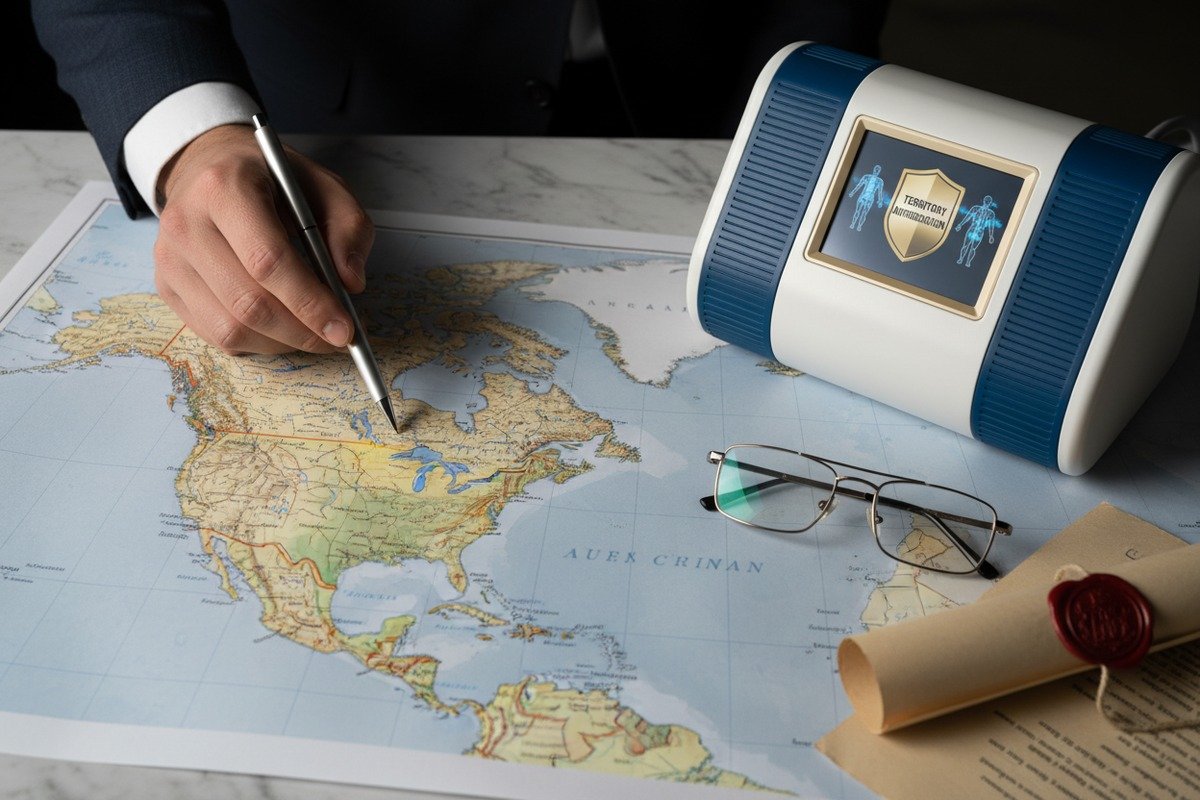
Elements of Territorial Protection
Your agreement should specify the exact territory. "United States" is too broad. Does it include Puerto Rico? US territories? What about online sales to customers in your region from distributors elsewhere?
Define which products the exclusivity covers. Some agreements protect only specific models. Others cover entire product categories. Understand exactly which shockwave therapy machines fall under your exclusive rights.
Specify what exclusivity means. Does the manufacturer promise not to sell directly in your territory? Not to appoint other distributors? Not to allow cross-border sales from neighboring territories? Each scenario requires different language.
Key Contract Clauses to Negotiate
| Clause Type | What It Should Include | Common Pitfalls |
|---|---|---|
| Territory Definition | Specific countries, states, or regions | Vague geographic references |
| Product Scope | Exact model numbers or categories | "All products" without specification |
| Duration | Start date, end date, renewal terms | Auto-renewal without performance review |
| Performance Requirements | Annual targets in units or value | Unrealistic targets that void exclusivity |
| Enforcement | Supplier obligations if violations occur | No remedy specified for breaches |
Understanding Enforcement Realities
Even with strong contract language, enforcement across borders presents challenges. If a distributor in Germany sells to a customer in your French territory, what happens? Your contract should address this.
Most agreements include a supplier obligation to notify other distributors about territorial boundaries. Some include penalties for cross-border violations. Others require the supplier to refuse warranty service for products sold outside authorized territories.
Dispute resolution matters too. Chinese manufacturers often prefer arbitration in China under CIETAC rules. You may prefer arbitration in your home country or a neutral venue like Singapore. Negotiate this before signing.
Protecting Yourself Beyond the Contract
Register your distribution agreement with local trade authorities where possible. In some jurisdictions, this provides additional legal protection. Maintain records of your marketing investments and market development activities. These prove your contribution if disputes arise later.
If you are working with an import agency to handle orders, confirm whether they provide EPR (Extended Producer Responsibility) services. This matters for EU market compliance and affects your legal standing as the responsible party.
Can I secure exclusive rights for a custom-designed shockwave machine under my own brand?
Our engineering team collaborates with distributors on OEM and ODM projects 5 regularly. Creating a custom-branded device involves more complexity than purchasing standard models. But it also provides stronger competitive protection.
Yes, you can secure exclusive rights for custom-designed shockwave machines under your own brand through OEM/ODM agreements. These arrangements typically include design ownership clauses, exclusivity periods tied to development investment recovery, minimum order commitments, and intellectual property protections. Custom designs provide the strongest form of market exclusivity.
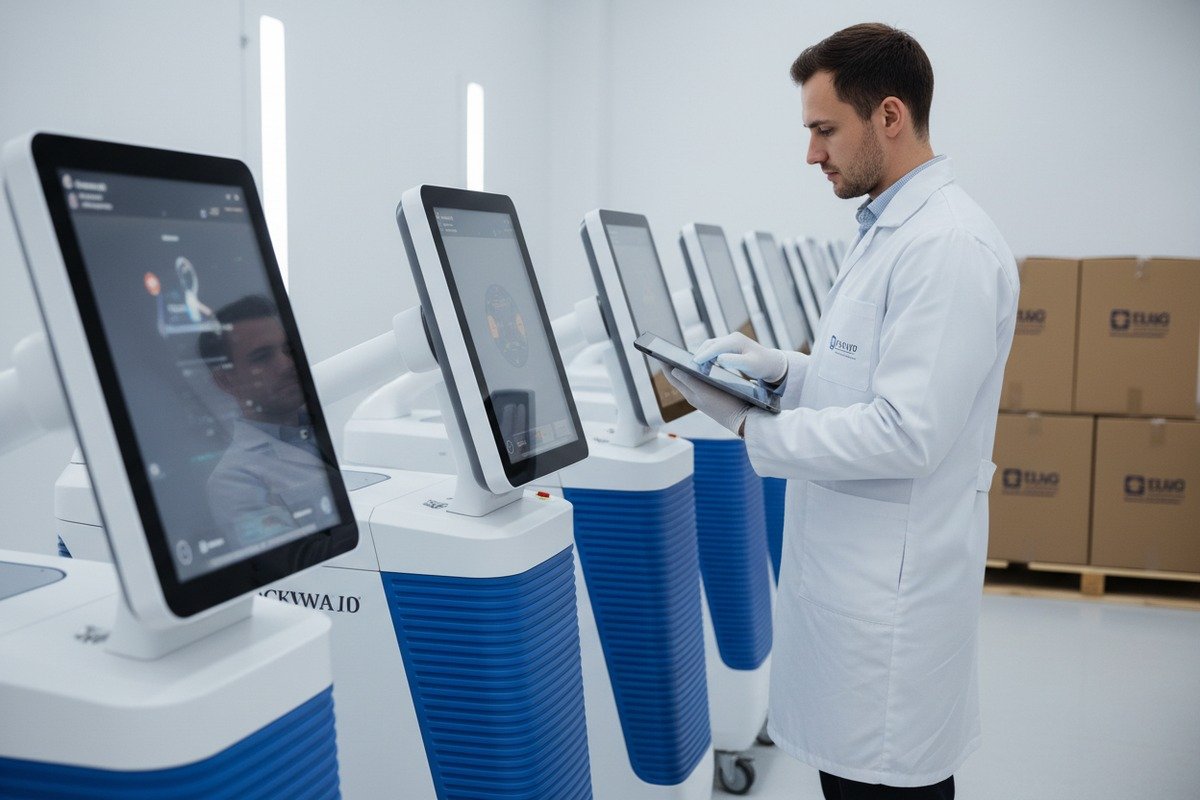
Understanding OEM vs ODM Arrangements
OEM (Original Equipment Manufacturing) means the manufacturer produces your design. You provide specifications, and we build to them. You own the design completely.
ODM (Original Design Manufacturing) means the manufacturer creates a design based on your requirements. We might customize our standard models with your branding, interface changes, or feature modifications. Ownership terms vary.
Pure OEM offers maximum exclusivity but requires significant upfront investment. ODM provides faster market entry at lower cost but may limit your exclusivity claims.
Custom Project Structure
| Project Phase | What Happens | Typical Timeline |
|---|---|---|
| Concept Discussion | Define requirements, target specs, budget | 2-4 weeks |
| Design Development | Engineering drawings, component selection | 4-8 weeks |
| Prototype Creation | Build working samples for testing | 6-10 weeks |
| Testing & Refinement | Performance validation, design adjustments | 4-6 weeks |
| Production Setup | Tooling, supplier qualification, QC protocols | 6-8 weeks |
| Initial Production | First batch manufacturing | 4-6 weeks |
Protecting Your Custom Design
Intellectual property protection 6 requires specific contract language. Specify who owns the design drawings. Clarify whether the manufacturer can produce similar devices for others. Define what happens to tooling and molds if you end the relationship.
Non-disclosure agreements should cover all technical discussions. Include your internal teams, the manufacturer's engineering staff, and any third-party consultants involved.
Consider registering design patents 7 in your target markets. This provides legal protection beyond contract terms. Even if your agreement ends, competitors cannot copy your protected design elements.
Investment Recovery and Exclusivity Terms
Most ODM exclusivity agreements tie duration to investment recovery. If you fund tooling costs, you might receive 24-36 months of exclusivity. After recovering development costs through your purchases, the manufacturer may gain rights to sell similar designs to others.
Negotiate these terms carefully. Some distributors prefer paying higher tooling costs for permanent exclusivity. Others accept time-limited exclusivity in exchange for lower upfront investment.
When we develop custom shockwave therapy machines, we typically offer tiered exclusivity. Higher development contributions earn longer exclusive periods. This aligns both parties' interests fairly.
What are the typical annual purchase volumes required to maintain my exclusive status?
Volume requirements cause the most negotiation friction in our experience. Distributors want low commitments during market development. Manufacturers want assurance that exclusive territories will produce meaningful business.
Annual purchase volumes for exclusive status typically range from 10-50 units for focused territories to 100+ units for major markets, or equivalent value thresholds of $50,000-$500,000. Requirements increase progressively over agreement terms, often starting at 50% of target in year one and reaching 100% by year two or three.
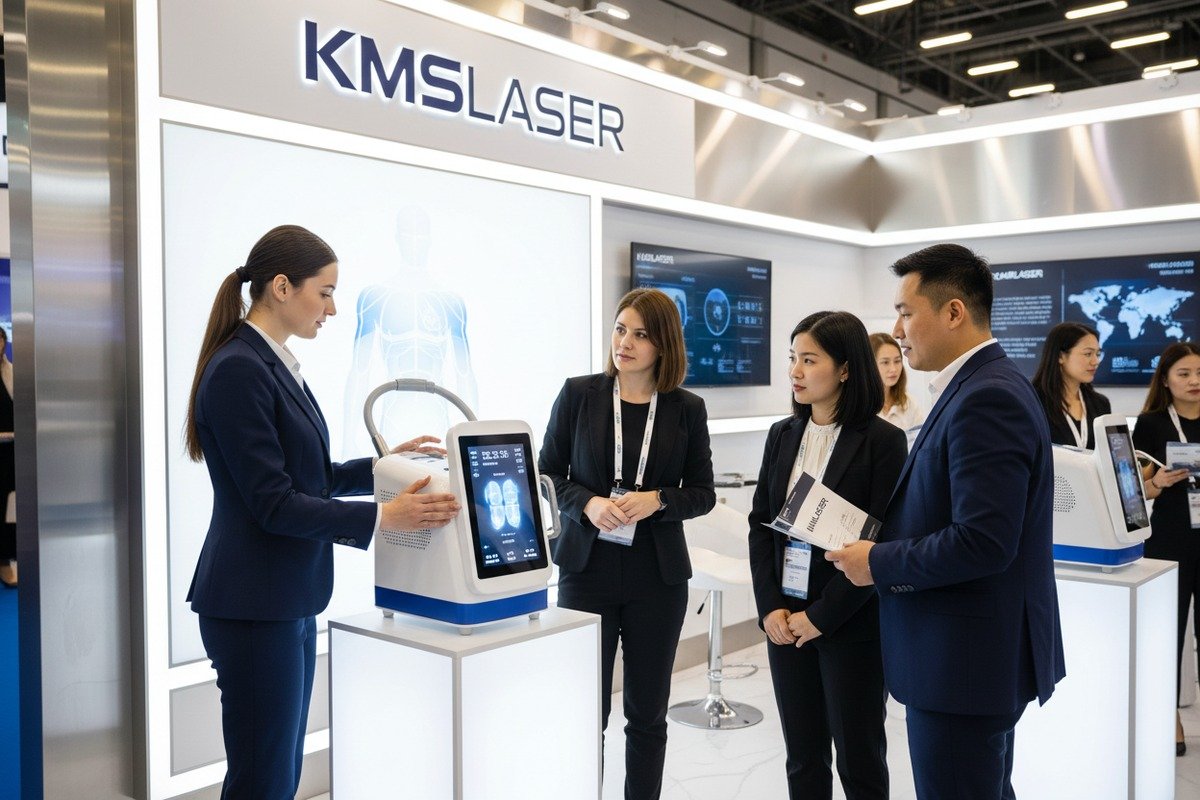
How Volume Requirements Are Structured
Most agreements use tiered targets. Year one allows market development with reduced expectations. Year two increases significantly. Year three reaches full target levels.
Some manufacturers prefer value-based targets over unit counts. This accounts for product mix variations. Selling fewer high-end units might satisfy requirements better than many entry-level devices.
Progressive increases reflect realistic market development timelines. Our export data shows most distributors need 12-18 months to build meaningful sales momentum in new territories.
Typical Volume Frameworks
| Market Size | Year 1 Target | Year 2 Target | Year 3 Target |
|---|---|---|---|
| Small (Population <10M) | 10-15 units | 20-30 units | 30-50 units |
| Medium (Population 10-50M) | 20-30 units | 40-60 units | 60-100 units |
| Large (Population >50M) | 30-50 units | 60-100 units | 100-150 units |
Alternatives to Volume Commitments
When our sales team negotiates with distributors who cannot commit to high volumes, we explore alternatives. Marketing spend commitments can substitute for purchase targets. Trade show participation requirements demonstrate market development investment.
Demo unit placements count toward commitments in some agreements. Placing devices in key clinics for evaluation generates sales pipeline even without immediate revenue.
Training investments also qualify. Certifying your technical staff, hosting educational events, and developing clinical protocols show commitment beyond simple purchasing.
What Happens If You Miss Targets
Most agreements include cure periods. If you miss year one targets, you might receive 60-90 days to catch up. Persistent shortfalls trigger exclusivity review.
Consequences vary by agreement. Some convert exclusive arrangements to non-exclusive status. Others require territory reduction. A few terminate immediately.
Smart negotiators build flexibility into original agreements. Include force majeure clauses 8 covering economic disruptions. Allow carryover credits if you exceed targets in good years. These provisions protect against circumstances beyond your control.
Total Cost of Ownership Considerations
Volume commitments should account for total cost of ownership beyond device purchases. Budget for consumables, spare parts, and maintenance over the agreement term.
Typical shockwave therapy machine warranties run 12-24 months for electronics. Consumable components have shorter coverage. Spare parts availability guarantees of 5-7 years post-discontinuation matter for long-term customer support.
When calculating whether you can meet volume commitments, include these ongoing costs. Profitable distribution requires margins that cover device acquisition, consumables, service, and marketing—not just initial purchase prices.
Conclusion
Exclusive agency agreements for shockwave therapy machines are achievable with proper preparation. Focus on demonstrating your qualifications, negotiating clear territorial protections, and structuring realistic volume commitments. Whether you pursue standard distribution or custom OEM development, understanding these elements positions you for successful partnership negotiations.
Footnotes
1. Explains the medical applications and mechanisms of shockwave therapy. ↩︎
2. Official FDA page detailing the 510(k) premarket notification process and requirements. ↩︎
3. Details the international standard for quality management systems in medical devices. ↩︎
4. Explains key clauses and legal considerations for exclusive distribution agreements. ↩︎
5. Clarifies the definitions and differences between OEM and ODM manufacturing models. ↩︎
6. Outlines the various types of intellectual property and their respective protections. ↩︎
7. Provides the official definition and scope of design patents from the USPTO. ↩︎
8. Explains the definition and legal implications of force majeure clauses in contracts. ↩︎

 English
  Español de México
  Deutsch
  Français
  العربية
  Русский