When our production team receives calls from clinic owners, one question keeps popping up minimum order quantities 1. They want their medical equipment 2 to match their brand. But they worry that customization is impossible or too expensive.
Yes, you can customize shockwave therapy machine colors when sourcing from qualified manufacturers. Most OEM suppliers offer Pantone color matching, custom enclosures, branded packaging, and logo placement. However, color customization typically requires minimum order quantities and adds lead time to your delivery schedule.
Color customization goes beyond aesthetics. It builds brand recognition and patient trust. Let me walk you through exactly how the process works and what you need to know before placing your order.
How can I request specific Pantone colors for my shockwave therapy machine order?
Our clients often come to us with very specific color requirements. They have brand guidelines. They have Pantone codes. But they don't know how to communicate these needs effectively to a manufacturer overseas.
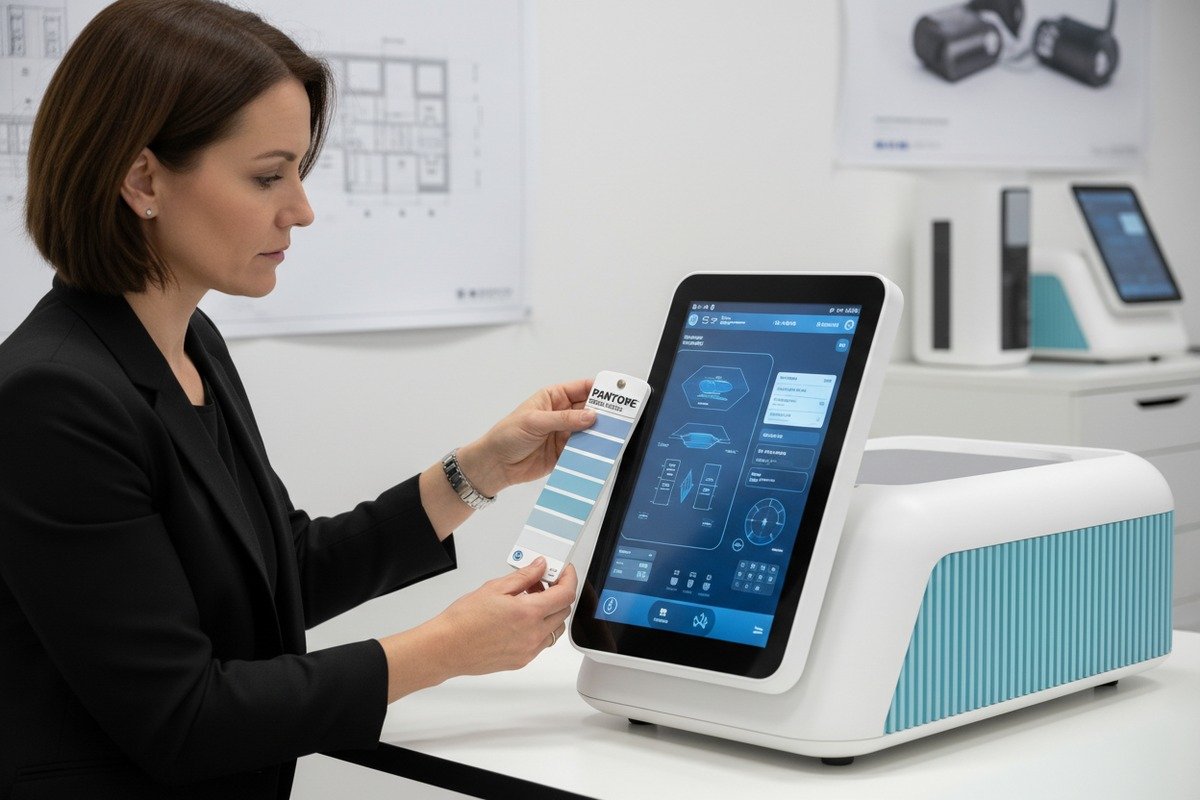
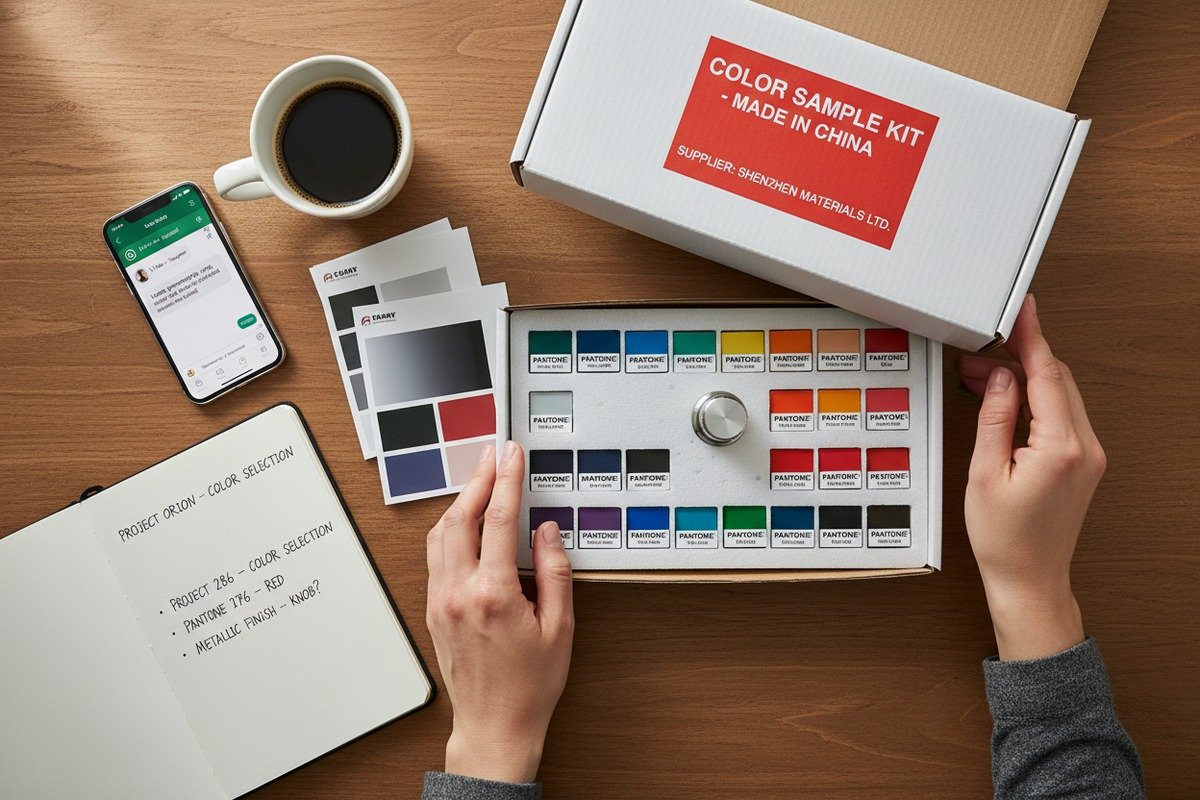
To request specific Pantone colors, provide your manufacturer with the exact Pantone code, desired finish type (matte, gloss, or textured), and the specific components you want colored. Most OEM factories can match any Pantone color for plastic enclosures, side panels, and accessory housings with proper lead time.
Understanding the Color Matching Process
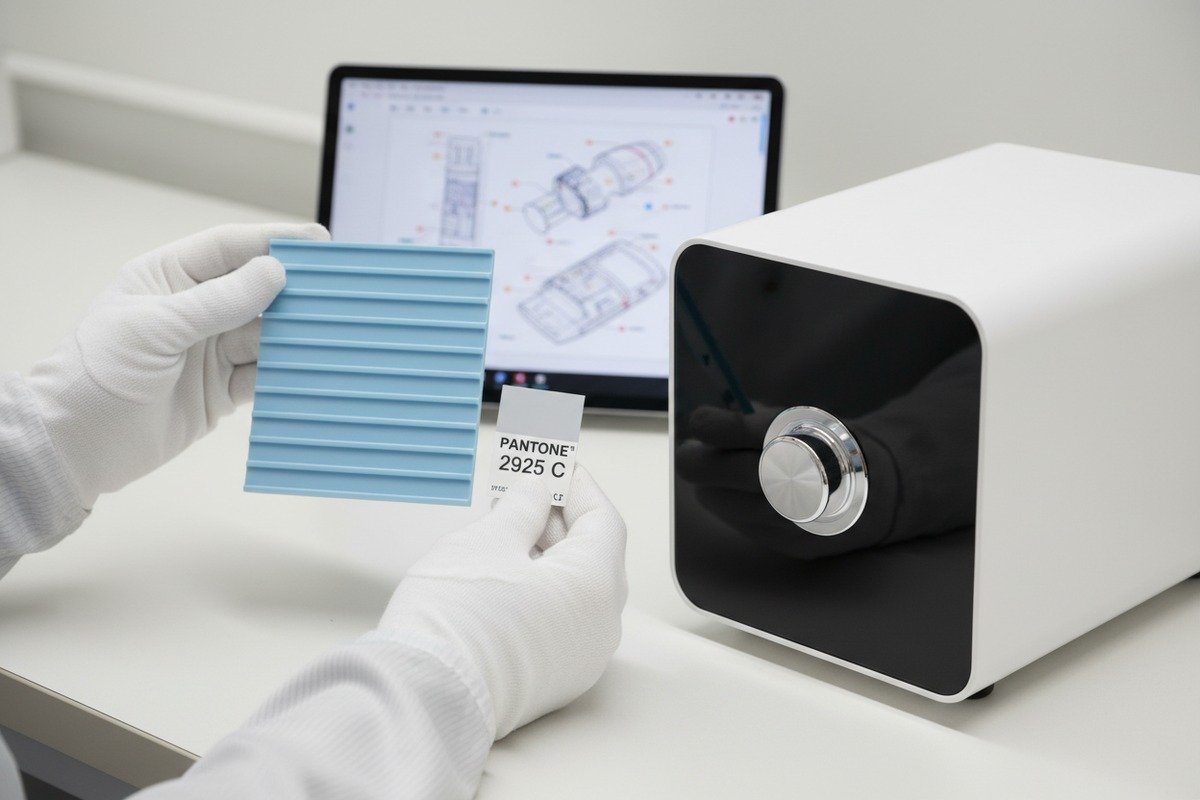
The process starts with communication. When you send your Pantone code to our engineering team, we first assess which machine components can accept that color. Not every part uses the same material. Plastic housings, metal frames, and silicone handpiece grips each require different coloring methods.
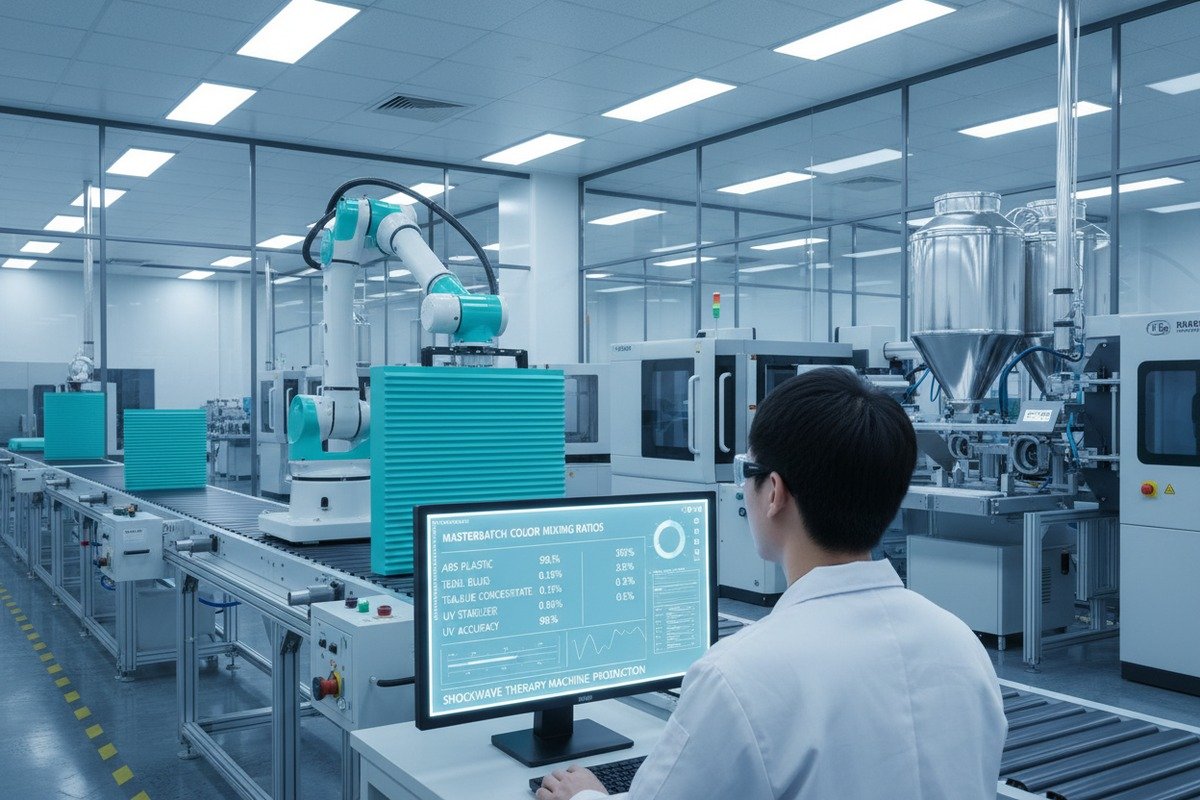
For plastic enclosures like the white cuboid body or tapered side panels with ribbed textures, we use masterbatch colorants 3 mixed directly into the raw material. This creates consistent color throughout the plastic, not just on the surface. For metal components like the circular control knob, we typically apply powder coating 4 or anodizing.
Material Considerations for Color Application
| Component | Material Type | Coloring Method | Pantone Accuracy |
|---|---|---|---|
| Main Body Enclosure | ABS Plastic | Masterbatch Mixing | 95-98% |
| Side Panels | PC/ABS Blend | Injection Molding with Colorant | 95-98% |
| Touch Screen Bezel | Glossy Black Glass | Limited Options | N/A |
| Control Knob | Aluminum Alloy | Powder Coating/Anodizing | 90-95% |
| Handpiece Housing | Medical-Grade Plastic | Masterbatch Mixing | 95-98% |
Steps to Request Custom Colors
First, send us your Pantone Matching System (PMS) code. Be specific. "Light blue" means different things to different people. PMS 2905 C is exact.
Second, specify the finish. Matte finishes hide fingerprints better. Gloss finishes look more premium. Textured finishes like the horizontal ribbed pattern on side panels add visual interest but may slightly affect color perception.
Third, identify which parts need coloring. Most clients customize the main enclosure and side panels. Some want matching handpiece housings. Few request colored screens because the glossy black glass interface works universally.
Fourth, request a physical color sample before full production. Digital renderings help visualize the result, but nothing replaces holding the actual colored plastic in your hands under your clinic's lighting.
Can I match the shockwave device color to my existing brand identity and logo?
Many distributors we work with already have established brands. They sell multiple product lines. They need equipment that fits seamlessly into their existing catalog without looking like it came from a different company.
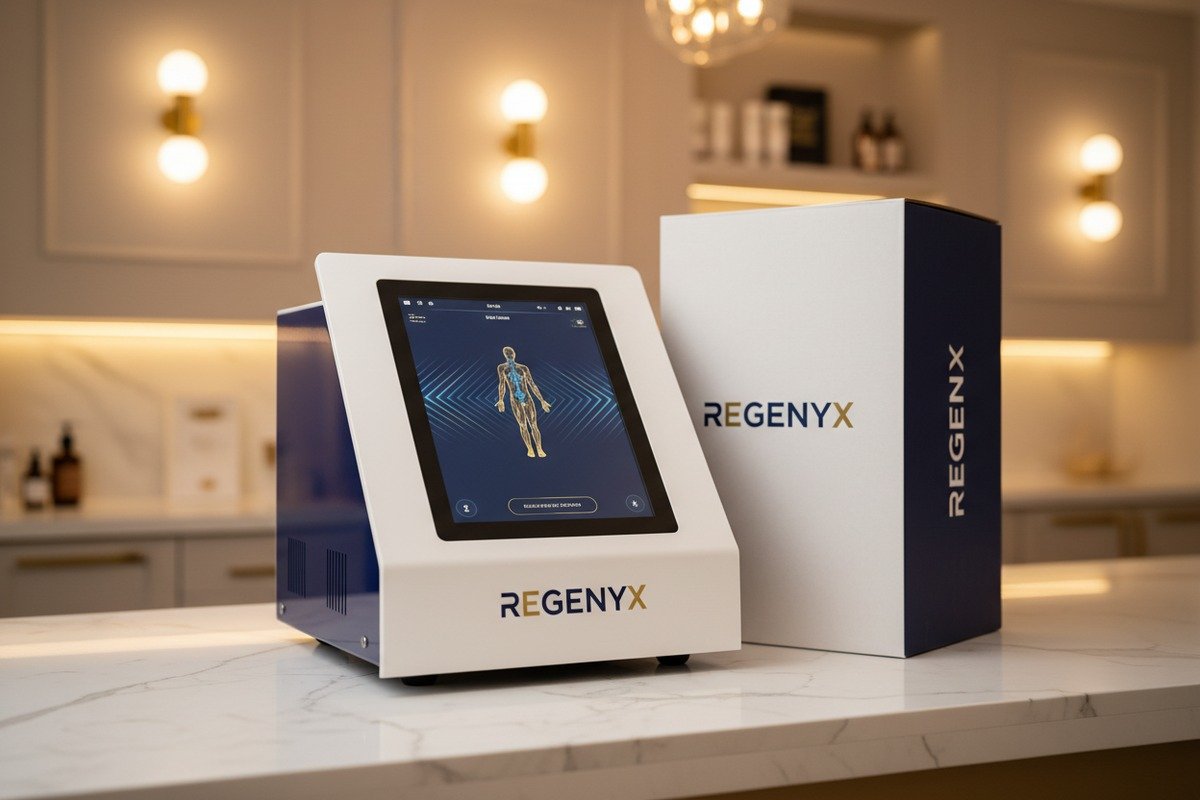
Yes, you can fully match your shockwave device to your brand identity. Beyond color matching, manufacturers offer logo printing, custom UI screen designs, branded packaging, and even modified structural elements. This creates cohesive branding across your entire product line and strengthens market positioning.
Complete Brand Integration Options
Our design team approaches brand integration holistically. Color is just one piece. The goal is making your shockwave device look like it was born from your company, not purchased from China.
Start with the visual elements patients see first. The main body enclosure accepts your primary brand color. The side panels can feature your secondary color or accent shade. We can print your logo directly onto the front panel using pad printing or screen printing methods that withstand years of cleaning with medical-grade disinfectants.
The touch screen interface offers even more branding opportunities. The display showing anatomical human diagrams and technical data can feature your logo in the corner. The color scheme of the user interface can match your brand palette. Even the startup screen can display your company name and tagline.
Packaging and Presentation
| Branding Element | Customization Options | Typical Lead Time |
|---|---|---|
| Machine Body Color | Full Pantone matching | 3-4 weeks |
| Logo on Enclosure | Pad print, screen print, laser engraving | 1-2 weeks |
| UI Color Scheme | Software modification | 2-3 weeks |
| Startup Screen | Custom graphics | 1 week |
| User Manual | Full rebrand with your content | 2 weeks |
| Outer Packaging | Custom box design, your branding | 3-4 weeks |
| Inner Packaging | Foam inserts, branded tissue paper | 2-3 weeks |
Structural Modifications for Brand Differentiation
Some clients want to go further. They want their device to look structurally different from competitors. We can modify the rounded vertical edges of the main unit. We can change the shape of the side panels. We can add or remove design elements.
However, structural changes require new mold tooling 6. This adds significant cost—often $3,000 to $15,000 depending on complexity. Most clients find that color, logo, and UI customization provides sufficient differentiation without this investment.
Working Within Regulatory Limits
One important note: while aesthetics are flexible, certain elements must remain unchanged. The glossy black glass surface housing the LCD screen serves functional purposes. The metallic circular control knob meets specific ergonomic requirements. We can change colors, but we cannot modify dimensions that affect device performance or user safety.
All customized devices still undergo the same EMC testing and quality verification as standard models. Your branding doesn't compromise functionality or regulatory compliance.
Does color customization require a higher minimum order quantity for my wholesale purchase?
This question keeps purchasing managers up at night. They love the idea of branded equipment. But they worry about being forced to order 500 units when they only need 50.
Yes, color customization typically increases minimum order quantities. Standard products may ship with MOQs as low as 5-10 units, while custom-colored orders often require 20-50 units minimum. The exact threshold depends on the manufacturer's production processes, colorant purchasing requirements, and your specific customization scope.
Why MOQs Increase for Custom Colors
The economics are straightforward. When we produce standard white or black machines, we order colorant materials in bulk. We run production lines continuously. Every unit uses the same components.
Custom colors change this equation. We must order specific Pantone-matched colorant for your order alone. This colorant has its own minimum purchase quantity from our suppliers. We must clean and reconfigure injection molding machines. We lose production time during changeover.
These costs get distributed across your order. With 50 units, each device absorbs a small portion of setup costs. With 5 units, each device would carry an unreasonably high burden.
MOQ Breakdown by Customization Level
| Customization Level | Typical MOQ | Setup Costs | Lead Time |
|---|---|---|---|
| Standard Colors (White, Black, Gray) | 5-10 units | Minimal | 2-3 weeks |
| Logo Addition Only | 10-20 units | $200-500 | 3-4 weeks |
| Single Custom Pantone Color | 20-30 units | $500-1,000 | 4-5 weeks |
| Multiple Custom Colors | 30-50 units | $1,000-2,000 | 5-6 weeks |
| Full Brand Package (Color + Logo + UI + Packaging) | 50-100 units | $2,000-5,000 | 6-8 weeks |
Strategies to Meet MOQ Requirements
Our clients use several approaches to make MOQs workable. Some place larger initial orders and warehouse inventory. Others combine multiple product models into a single order to reach volume thresholds. Still others partner with fellow distributors to share customization costs.
For smaller operators just starting out, we sometimes offer a middle path. You can order standard-colored units with logo customization only. This keeps MOQs lower while still establishing your brand presence. Later, when volumes grow, you upgrade to full color customization.
Negotiating MOQ Flexibility
Every manufacturer has some flexibility. The key is understanding what drives their costs. If you can order during slow production periods, we may accept smaller quantities. If you commit to quarterly reorders, we may reduce initial MOQs. If you accept slightly longer lead times, we may accommodate smaller batches.
Be direct in negotiations. Tell us your ideal order quantity. Tell us your budget constraints. We want long-term relationships, not one-time transactions. Finding workable terms benefits everyone.
How do you ensure the custom finish is durable enough to avoid cosmetic defects during shipping?
A beautifully colored machine means nothing if it arrives scratched. Our quality team has seen shipments ruined by inadequate packaging. We've developed specific protocols to protect custom finishes throughout the supply chain.
Custom finishes are protected through multiple layers of defense: durable colorant formulations resistant to scratching, protective film applications on high-gloss surfaces, shock-absorbing inner packaging with custom foam inserts, reinforced outer cartons, and pre-shipment inspection photographs documenting condition before dispatch.
Building Durability Into the Finish
Protection starts at the manufacturing stage. The colorants we use aren't ordinary plastics dyes. Medical-grade masterbatch colorants include UV stabilizers 7 to prevent fading. They include scratch-resistant additives to maintain appearance through years of handling.
For the sleek, futuristic tabletop design with smooth white plastic and light blue tapered side panels, we test finish durability before approving production. We rub samples with standard cleaning cloths. We expose them to medical-grade disinfectants. We simulate years of clinical use in accelerated aging tests.
The glossy black glass surface housing the LCD screen receives special attention. We apply temporary protective film that customers remove after unpacking. This prevents scratches during the entire journey from factory floor to clinic installation.
Testing Standards for Custom Finishes
| Test Category | Method | Pass Criteria |
|---|---|---|
| Scratch Resistance | Cross-hatch adhesion test | No color lifting |
| Chemical Resistance | 70% isopropyl alcohol wipe, 48 hours | No discoloration or softening |
| UV Stability | 500 hours UV exposure | Less than 1 ΔE color shift |
| Abrasion Resistance | Taber abrasion test, 500 cycles | Minimal surface wear |
| Impact Resistance | Drop test, 60cm onto concrete | No cracking or chipping |
Packaging Engineering for Transit Protection
Our logistics team designs packaging specifically for each machine configuration. The compact tabletop units with rounded vertical edges and smooth matte finish need different protection than larger combination systems.
We start with custom-cut EVA foam inserts. These hold the main unit, handpiece, and accessories in precise positions. Nothing shifts during transit. Contact points are padded to prevent pressure marks.
Inner packaging goes into reinforced double-wall corrugated cartons. Edge protectors shield corners. Humidity indicators and shock sensors track conditions throughout shipping. We photograph every unit before sealing cartons—these images become your pre-shipment inspection documentation.
Quality Control Checkpoints
Before any custom-colored machine leaves our facility, it passes through multiple inspection stations. We check color consistency against the approved Pantone sample. We inspect every surface for scratches, bubbles, or inconsistencies. We verify logo printing quality and positioning.
For full brand packages with custom UI, we power on each unit and verify screen displays match approved designs. We test every protocol and parameter setting. Only after complete verification do we approve units for packaging.
If you've worked with suppliers who delivered scratched or damaged equipment, you understand why we obsess over these details. One cosmetic defect undermines your brand. We eliminate that risk before it starts.
Conclusion
Customizing shockwave therapy machine colors is absolutely possible when working with the right manufacturer. Request specific Pantone codes, match your brand identity 8, understand MOQ requirements, and ensure durable finishes. Your branded equipment will strengthen patient trust and market position.
Footnotes
1. Defines minimum order quantities and explains their impact on manufacturing and supply chain. ↩︎
2. Provides a definition and context for medical equipment from an authoritative source. ↩︎
3. Defines masterbatch colorants and explains their composition and use in plastic manufacturing. ↩︎
4. Describes the process of powder coating, a durable finishing method for metal components. ↩︎
5. Explains the Pantone Matching System and its role in standardizing colors across industries. ↩︎
6. Discusses the factors influencing the cost and process of creating new mold tooling for plastic parts. ↩︎
7. Explains how UV stabilizers protect plastics from degradation and maintain their appearance. ↩︎
8. Explains the concept of brand identity and its importance for market recognition. ↩︎

 English
  Español de México
  Deutsch
  Français
  العربية
  Русский