
Every week, our production line ships hundreds of shockwave therapy units 1 worldwide. Yet the most common call we receive from clinic owners isn’t about the machine itself—it’s about running out of consumables mid-treatment. This panic is avoidable.
Shockwave therapy machines require several essential consumables: transmitter tips (applicator heads), projectiles (bullets), guiding tubes, and ultrasound gel. Radial shockwave devices need more mechanical replacements, while focused shockwave machines often require only gel and occasional applicator changes.
Understanding these consumables helps you avoid costly downtime ISO 13485 medical device manufacturing certification 2. Let’s explore exactly what you need to keep your shockwave therapy practice running smoothly.
What specific replacement parts should I keep in my inventory to ensure zero downtime?
Nothing frustrates clinic owners more than canceling patient appointments. Our engineering team has seen clinics lose thousands in revenue simply because a $50 part wasn't in stock.
To ensure zero downtime, stock these essentials: multiple transmitter tips (15mm, 20mm, 35mm sizes), at least two projectile-and-tube revision kits, sufficient ultrasound gel, and backup handpiece components. Prioritize high-wear items based on your treatment volume and specialization.
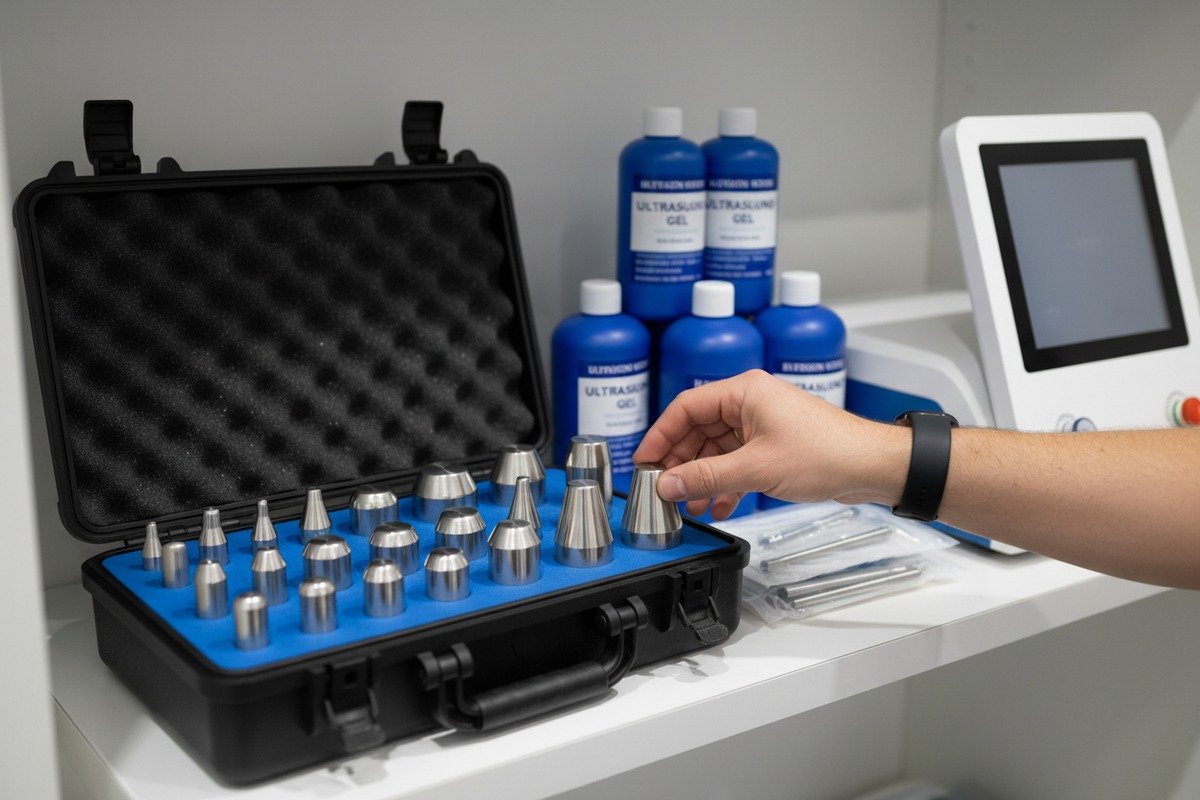
Understanding Your Core Inventory Needs
The parts you need depend on your machine type. Radial shockwave therapy (RSWT) 3 devices use pneumatic or ballistic technology. They have more moving parts. Focused shockwave therapy (FSWT) 4 devices penetrate deeper but often have fewer consumable components.
Our factory produces both types. We've learned that radial machines require more frequent part replacement. The projectile inside strikes thousands of times per minute. This creates wear that focused piezoelectric systems avoid.
Essential Parts Checklist by Machine Type
| Component | Radial Shockwave | Focused Shockwave | Priority Level |
|---|---|---|---|
| Transmitter Tips (15mm) | Required | Required | High |
| Transmitter Tips (20mm) | Required | Optional | High |
| Transmitter Tips (35mm) | Required | Optional | Medium |
| Projectiles (Bullets) | Required | Not Needed | High |
| Guiding Tubes | Required | Not Needed | High |
| Ultrasound Gel 5 | Required | Required | Critical |
| Handpiece Revision Kit | Recommended | Rarely Needed | Medium |
Sizing Your Inventory Correctly
Stock levels should match your treatment volume. A busy physiotherapy clinic treating 40 patients daily needs larger reserves than a part-time practice. We recommend keeping at least two of each transmitter size you regularly use.
The 15mm tip handles most tendon work. The 20mm serves myofascial release 6. The 35mm works well for larger muscle groups and aesthetic treatments like cellulite reduction. Smaller 6mm tips suit trigger point work but see less frequent use.
Storage and Organization Tips
Keep consumables in a clean, dry environment. Label everything clearly. Track usage patterns monthly. This data helps you predict reorder timing. Many of our clients use simple spreadsheet systems. Others prefer inventory management software 7.
When parts arrive from suppliers like us, inspect them immediately. Check for shipping damage. Verify quantities match your order. Store backup parts near your treatment room for quick access during busy days.
How often do I need to replace the bullet and tube in my shockwave handpiece?
When customers visit our Guangzhou facility, they always ask this question first. The answer varies significantly based on usage intensity and treatment protocols.
Replace projectiles and guiding tubes every 500,000 to 1,000,000 pulses, or when you notice inconsistent energy delivery. High-volume clinics may need replacements every 3-6 months, while lower-volume practices might extend this to 12-18 months. Always monitor treatment quality for early warning signs.
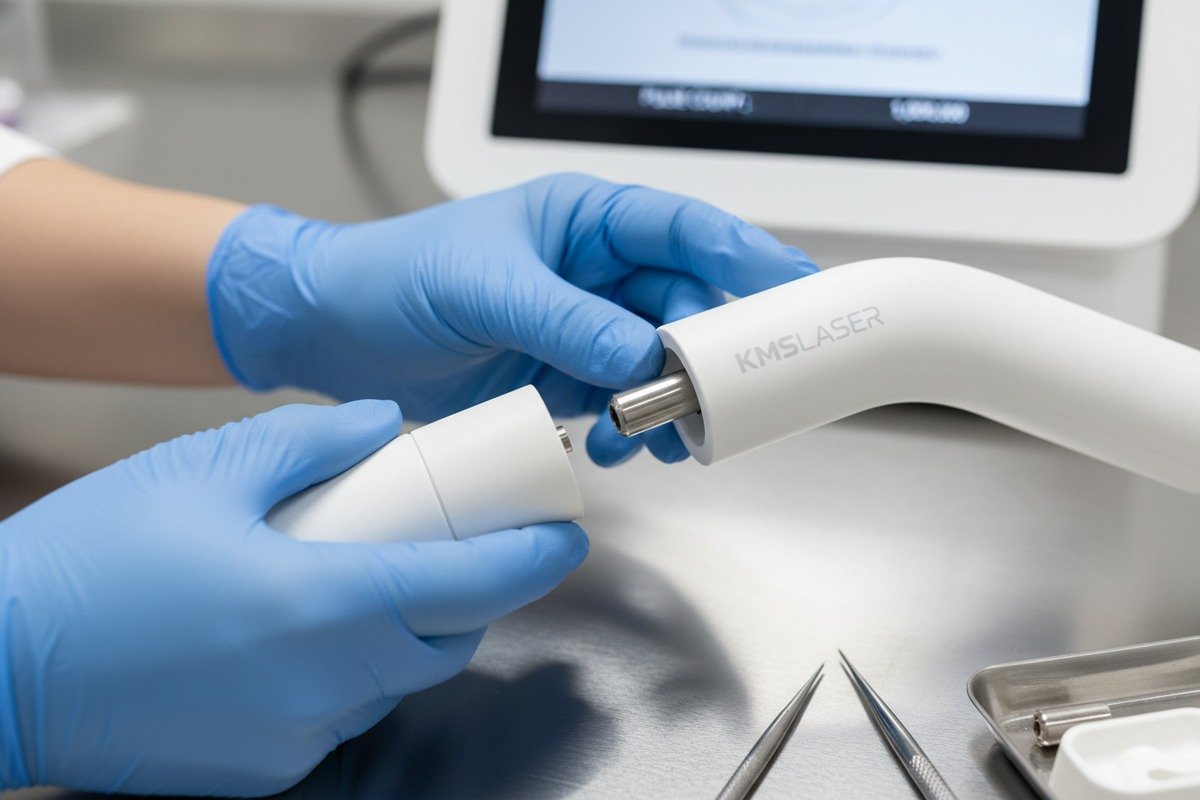
How Projectiles Wear Out
The projectile—often called the bullet—sits inside your handpiece. Compressed air accelerates it forward. It strikes the applicator at high speed. This creates the therapeutic shockwave.
Each impact causes microscopic metal fatigue. Over hundreds of thousands of pulses, the projectile surface degrades. The magnetic coating may wear thin. Shape distortion affects wave consistency.
Our quality control team tests projectiles at various wear stages. We've documented how degraded projectiles produce uneven pressure waves. Patients may notice treatments feel different. Therapists report needing higher settings to achieve the same results.
Replacement Frequency Guidelines
| Clinic Volume | Patients Per Day | Pulses Per Week | Recommended Replacement |
|---|---|---|---|
| Low Volume | 5-10 | 25,000-50,000 | Every 12-18 months |
| Medium Volume | 15-25 | 75,000-125,000 | Every 6-9 months |
| High Volume | 30-50 | 150,000-250,000 | Every 3-4 months |
| Very High Volume | 50+ | 300,000+ | Every 2-3 months |
Warning Signs That Replacement Is Due
Listen to your machine. A healthy shockwave device produces consistent sounds. Irregular clicking or unusual vibrations suggest internal wear. Patients may report treatments feeling weaker or less uniform.
Visual inspection helps too. Remove the transmitter tip and examine the projectile. Look for visible dents, scratches, or discoloration. Compare it against a new projectile if possible.
The Tube-Projectile Relationship
Guiding tubes wear alongside projectiles. A worn projectile damages the tube's inner surface. A damaged tube accelerates projectile wear. This creates a destructive cycle.
Always replace both components together. Our revision kits include two projectiles and two guiding tubes for this reason. Replacing only one component wastes money and shortens the new part's lifespan.
Tracking Your Usage
Modern machines often include pulse counters. Use this data. Record pulse counts weekly or monthly. Create a maintenance log. This removes guesswork from replacement timing.
If your machine lacks a counter, estimate based on treatment protocols. A typical session delivers 2,000-3,000 pulses. Multiply by daily patient count. Track this over time.
Can I source custom-branded transmitters and consumables for my private label line?
Building a brand means controlling every detail. Our OEM and ODM services help clients create cohesive product lines. Custom consumables strengthen your brand identity and customer loyalty.
Yes, custom-branded transmitters and consumables are available through OEM manufacturing partnerships. You can customize logos, packaging, colors, and even technical specifications. Minimum order quantities typically apply, ranging from 100-500 units depending on the component type and customization level.

What Can Be Customized
Almost everything visible can carry your branding. Transmitter tips accept laser engraving or pad printing. Packaging displays your logo, colors, and contact information. Even the product manuals can feature your brand.
Technical customization goes deeper. We've developed custom tip profiles for clients targeting specific treatment niches. One partner wanted softer silicone tips for their men's health clinic chain. Another needed extra-durable stainless steel tips for high-volume sports medicine centers.
The Private Label Process
The journey from concept to finished product follows clear steps. First, we discuss your requirements. What makes your brand unique? Who are your customers? What problems do you solve?
Next comes design. Our engineering team creates prototypes. We test them against performance standards. You review samples and request adjustments. This iterative process ensures the final product meets your expectations.
Production follows approval. We manufacture to your specifications. Quality control checks every batch. Packaging displays your branding. Shipment arrives at your door ready for distribution.
Minimum Orders and Pricing
| Customization Level | Typical MOQ | Lead Time | Price Impact |
|---|---|---|---|
| Logo Only (Packaging) | 100-200 units | 2-3 weeks | 5-10% increase |
| Logo + Packaging Design | 200-300 units | 3-4 weeks | 10-15% increase |
| Custom Colors/Materials | 300-500 units | 4-6 weeks | 15-25% increase |
| Full Custom Design (ODM) | 500+ units | 8-12 weeks | 25-40% increase |
Benefits of Private Label Consumables
Branded consumables create recurring revenue. Customers who buy your machine return for your consumables. This builds loyalty. It protects margins. It differentiates you from competitors selling generic parts.
Professional packaging impresses distributors. When your consumables look premium, partners perceive higher value. They're willing to pay more. They market your products more enthusiastically.
Quality Assurance for Custom Products
Custom doesn't mean compromised. Our quality standards apply equally to branded and unbranded products. Every transmitter tip undergoes the same testing. Every projectile meets the same specifications.
We provide certificates of conformity. Materials documentation accompanies each shipment. This supports your regulatory compliance in markets like the US and EU. Your customers receive the same quality regardless of the label.
What are the quality standards I should look for when purchasing bulk shockwave accessories?
Cheap parts cost more in the long run. Our quality control team rejects batches that other factories might ship. We've learned that shortcuts create callbacks, complaints, and lost customers.
When purchasing bulk shockwave accessories, verify ISO 13485 medical device manufacturing certification, material composition documentation, dimensional tolerance specifications, and energy transmission testing results. Request batch traceability records and supplier audit reports. Prioritize suppliers offering warranty coverage and technical support.

Essential Certifications to Verify
ISO 13485 certification matters most for medical device components. This standard ensures systematic quality management. It covers design, manufacturing, storage, and distribution. Ask for current certificates—they expire and require renewal.
CE marking 8 indicates European conformity. FDA registration applies to US market products. These aren't just paperwork. They represent actual testing and compliance verification.
Material Quality Indicators
Transmitter tip materials directly affect treatment outcomes. Stainless steel tips suit deep orthopedic applications. Titanium offers excellent energy transmission. Ceramic provides durability with lighter weight. Silicone tips work best for sensitive areas.
Request material certifications. Medical-grade stainless steel differs from industrial grades. The documentation should specify exact alloy compositions. Traceability should connect materials to specific suppliers and batches.
Testing and Performance Standards
| Quality Factor | What to Request | Why It Matters |
|---|---|---|
| Dimensional Accuracy | Tolerance specifications | Ensures proper fit and function |
| Material Hardness | Rockwell/Vickers test results | Predicts wear resistance |
| Surface Finish | Ra roughness measurements | Affects energy transmission |
| Energy Efficiency | Transmission loss data | Determines treatment effectiveness |
| Durability | Cycle testing results | Predicts lifespan |
Evaluating Supplier Reliability
Factory audits reveal truth behind marketing claims. Visit facilities when possible. Or request third-party audit reports. Observe production processes. Examine quality control stations. Talk to quality managers.
Communication responsiveness indicates service quality. How quickly do suppliers answer technical questions? Do they provide detailed specifications? Are they transparent about limitations?
The True Cost of Poor Quality
Inferior consumables fail faster. You replace them more often. Each replacement costs money and time. Worse, failing parts during treatment damage your reputation.
Inconsistent quality creates variable treatment outcomes. Patients notice. Some won't return. Some will complain publicly. The cost of acquiring new patients far exceeds the savings from cheap parts.
Building Long-Term Supplier Relationships
Quality improves with partnership. Share feedback with suppliers. Explain problems clearly. Good manufacturers welcome this information. They use it to improve processes.
Consistent orders earn priority treatment. Suppliers invest more in reliable customers. They hold inventory. They expedite urgent orders. They offer better pricing over time.
Conclusion
Proper consumable management keeps your shockwave therapy practice profitable. Stock essential parts, replace worn components on schedule, consider private labeling for brand growth, and never compromise on quality standards.
Footnotes
1. Provides a general overview of extracorporeal shockwave therapy. ↩︎
2. Explains the requirements and importance of ISO 13485 for medical device quality management systems. ↩︎
3. Provides a comprehensive overview of radial shockwave therapy, its mechanism, and applications. ↩︎
4. Offers a detailed explanation of focused shockwave therapy, its benefits, and conditions treated. ↩︎
5. Explains the properties, functions, and applications of ultrasound gel in medical imaging. ↩︎
6. Provides a general overview of myofascial release as a therapeutic technique. ↩︎
7. Discusses various medical inventory management software options and their features. ↩︎
8. Defines CE marking, its requirements, and the process for medical devices in the EU. ↩︎

 English
  Español de México
  Deutsch
  Français
  العربية
  Русский