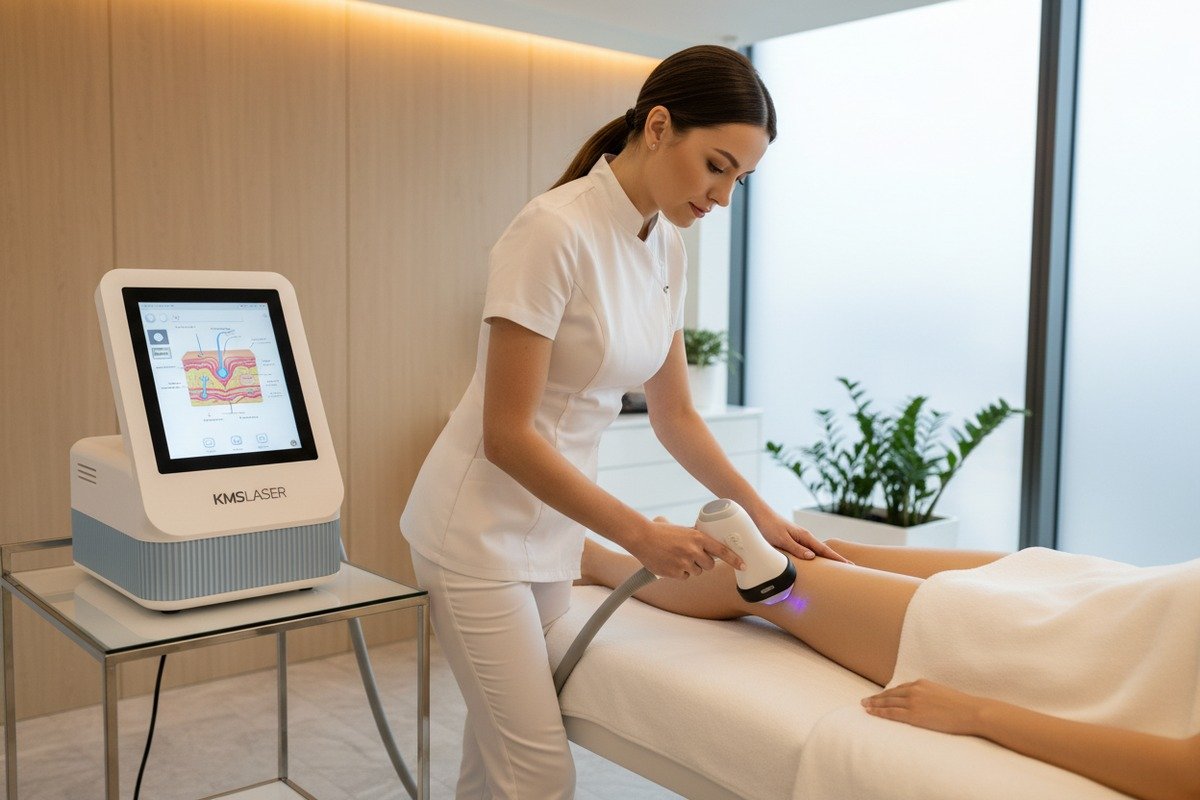
Every week, our production team receives calls from salon owners frustrated with cellulite 1 treatments that promise everything but deliver little extracorporeal shockwave therapy 2. Clients spend hundreds on creams and massage devices, yet dimpled skin remains. This gap between expectation and reality costs beauty businesses their reputation.
Yes, shockwave therapy machines can effectively improve cellulite results. Clinical studies show extracorporeal shockwave therapy (ESWT) reduces cellulite severity by stimulating collagen production, breaking down fibrous bands, and enhancing blood circulation. Most patients see visible improvement after 6-10 sessions, with results lasting 3-12 months.
But not all shockwave devices perform equally. Below, we break down the technical factors that separate effective machines from disappointing ones, and show you how to source equipment that builds your brand’s credibility.
How can I ensure shockwave therapy machines deliver the visible cellulite reduction my salon clients demand?
When we test shockwave applicators in our Guangzhou facility, we see firsthand how small technical differences create big outcome gaps collagen production 3. Salon owners often blame poor results on treatment protocols. But the root cause is usually the machine itself. Wrong energy output or inconsistent pulse delivery leads to client complaints CE marking 4.
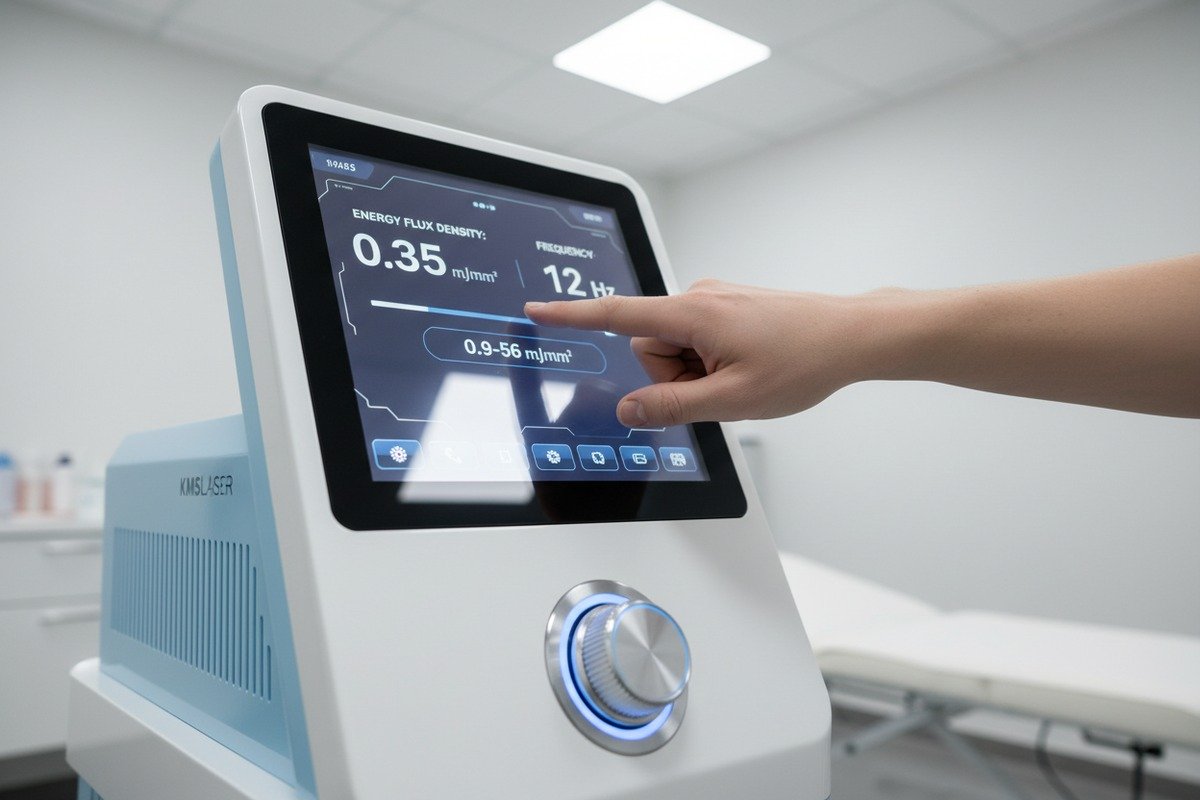
To ensure visible cellulite reduction, select machines with energy flux density between 0.09-0.56 mJ/mm², radial or focused wave capability, and consistent pulse delivery of 2000-4000 shocks per session. These specifications align with clinical protocols proven to stimulate collagen remodeling and break fibrous septae.
Understanding How Shockwave Therapy Works on Cellulite
Cellulite affects about 90% of women. It appears as dimpled skin on thighs, buttocks, and hips medical-grade components 5. The cause is structural. Fibrous bands 6 called septae pull skin downward while fat pushes upward. Poor circulation makes it worse.
Shockwave therapy targets these root causes through three mechanisms. First, mechanical waves physically disrupt the stiff fibrous bands. Second, the pressure waves boost microcirculation and lymphatic drainage 7. Third, controlled tissue stress activates fibroblasts to produce new collagen and elastin.
Our engineering team has found that machines must deliver consistent energy to trigger these biological responses. Inconsistent output means some areas receive effective treatment while others do not. This creates patchy results that frustrate clients.
Key Technical Specifications for Effective Treatment
| Specification | Recommended Range | Why It Matters |
|---|---|---|
| Energy Flux Density 8 | 0.09-0.56 mJ/mm² | Controls treatment depth and tissue response |
| Shock Count per Session | 2000-4000 shocks | Ensures adequate coverage of treatment area |
| Frequency | 8-15 Hz | Balances comfort with efficacy |
| Applicator Type | Radial or Focused | Radial for coverage, focused for depth |
| Pressure Range | 1.5-5 bar | Adjusts intensity for different body areas |
Radial vs. Focused Shockwave Technology
The 2015 meta-analysis by Knobloch and Kraemer reviewed 11 trials with 297 women. Both radial and focused ESWT reduced cellulite degree effectively. However, they work differently.
Radial shockwaves spread outward from the applicator tip. They cover larger areas and work best on surface-level cellulite. Our machines using radial technology treat thighs efficiently in 15-20 minute sessions.
Focused shockwaves concentrate energy at a specific depth. They penetrate deeper into tissue. This makes them better for stubborn, severe cellulite where fibrous bands sit deeper under the skin.
Many successful clinics use machines offering both options. This flexibility lets technicians customize treatment based on each client's cellulite grade and location.
Treatment Protocol Recommendations
Based on clinical evidence, effective protocols typically include:
- 6-10 sessions total
- 1-2 treatments per week
- 15-30 minutes per session
- Progressive energy increases across sessions
- Treatment areas: thighs, buttocks, hips
The Modena 2019 study showed CSS severity dropped significantly with 10 sessions of electromagnetic ESWT. Severe cases improved to moderate. Moderate cases became mild. Results remained stable at 3-month follow-up.
What technical specifications should I prioritize to guarantee the long-term durability of my shockwave equipment?
Our service team handles warranty claims from distributors worldwide. The pattern is clear. Machines that fail early share common weak points. Cheap compressors, thin handpiece cables, and low-grade capacitors cause 80% of breakdowns. These failures happen right when your clients need treatments most.
Prioritize pneumatic compressor quality, handpiece cable durability, capacitor grade, and cooling system efficiency. Medical-grade components with 10,000+ hour ratings prevent costly downtime. Additionally, look for modular designs that allow part replacement without scrapping the entire unit.
Critical Components That Determine Lifespan
When our engineers design shockwave machines, they focus on five components that receive the most stress during daily salon use.
The pneumatic compressor generates the pressure for radial shockwaves. Budget machines use industrial compressors rated for intermittent use. Professional devices need medical-grade compressors designed for 8+ hours of daily operation. We source compressors rated for 15,000 hours minimum.
Handpiece cables flex thousands of times per day. Poor-quality cables develop internal breaks within months. Our cables use reinforced braiding and strain relief connections. This prevents the fraying that causes intermittent energy delivery.
Component Quality Comparison
| Component | Budget Grade | Professional Grade | Expected Lifespan Difference |
|---|---|---|---|
| Compressor | Industrial, 5,000 hrs | Medical, 15,000 hrs | 3x longer |
| Handpiece Cable | Standard rubber | Reinforced braided | 4x longer |
| Capacitors | Consumer electronics | Medical-grade ceramic | 2x longer |
| Cooling Fan | Single fan | Dual redundant system | Prevents overheating failures |
| Power Supply | Non-isolated | Isolated medical PSU | Safer, more stable output |
Cooling System Requirements
Shockwave machines generate significant heat during extended treatments. A salon performing 8-10 treatments daily pushes the cooling system hard. Inadequate cooling causes thermal shutdowns and shortens component life.
Effective cooling systems include intake and exhaust fans, internal air channels, and thermal sensors that adjust fan speed automatically. Some premium machines add thermoelectric cooling for the handpiece itself. This prevents the applicator from becoming uncomfortably hot during long sessions.
Serviceability and Spare Parts Access
Durability also means easy repair when issues arise. Modular designs let technicians replace individual components rather than entire assemblies. This reduces repair costs and downtime.
Before committing to bulk orders, we recommend asking suppliers these questions:
- Are spare handpieces and cables readily available?
- What is the typical repair turnaround time?
- Can local technicians perform basic maintenance?
- Is firmware updatable for future improvements?
Our standard service packages include spare parts kits for common wear items. This allows distributors to handle minor repairs locally without shipping machines back to China.
Can I customize the casing and software of these machines to align with my existing brand identity?
Building a recognizable brand requires visual consistency across all touchpoints. Our design team works with distributors who want their shockwave machines to look like natural extensions of their product lines. But customization goes beyond slapping a logo on a white box. True OEM service transforms a generic device into your proprietary system.
Yes, reputable manufacturers offer comprehensive OEM/ODM customization including casing colors, materials, logo placement, UI themes, boot screens, language options, and treatment protocol presets. Minimum order quantities for full customization typically range from 50-100 units depending on modification complexity.
Casing Customization Options
Physical appearance creates the first impression. When salon clients see equipment matching your brand colors, it reinforces professionalism and trust.
Our standard customization options include:
- Color matching: Pantone color matching for plastic panels
- Material upgrades: Premium finishes like soft-touch coating or brushed aluminum accents
- Logo integration: Laser engraving, screen printing, or backlit logo panels
- Control knob styling: Custom shapes and materials
- Accessory matching: Handpiece housings, carts, and storage cases
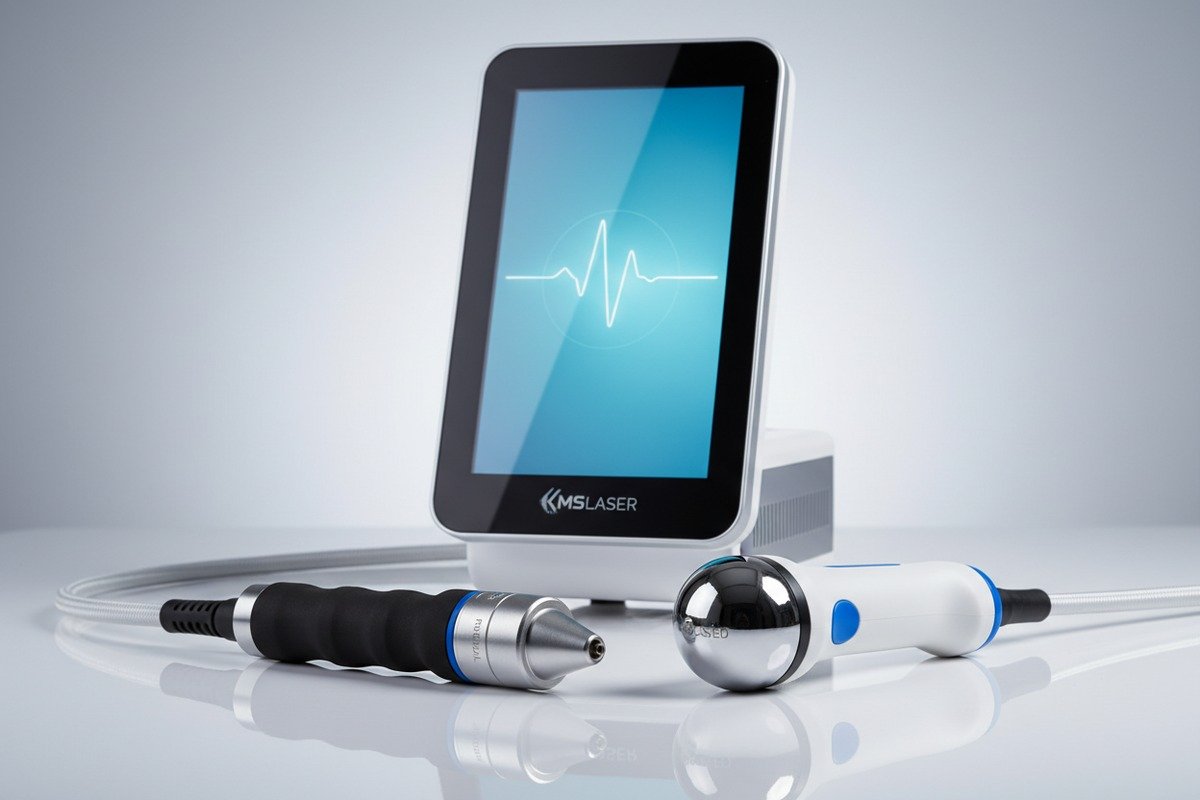
The machines described in our product line feature modular panel designs. The white plastic body and light blue side panels can be produced in any color combination. The ribbed texture on side panels can be smooth, textured, or custom patterned.
Software Interface Customization
| Customization Level | What's Included | Typical MOQ |
|---|---|---|
| Basic Branding | Boot screen logo, UI color theme | 20 units |
| Standard OEM | Custom menus, protocol names, language | 50 units |
| Full ODM | Unique interface design, custom features | 100 units |
The large touchscreen interface serves as an opportunity for brand differentiation. Our software team can customize:
- Startup animation with your logo
- Color schemes matching brand guidelines
- Treatment protocol names (your proprietary method names)
- Tutorial videos featuring your training content
- Languages for your target markets
- Data export formats compatible with your CRM
Certification Considerations
When customizing machines for export, certification requirements vary by destination. The United States requires FDA registration 9 for aesthetic devices. Europe requires CE marking. Each modification must be documented for compliance.
We handle certification paperwork for OEM partners. Our documentation includes:
- Technical files with your branding specifications
- Updated labeling that meets regulatory requirements
- User manuals with your company information
- Training materials with your protocols
This documentation protects your brand legally while streamlining customs clearance.
Timeline and Cost Factors
Full customization takes longer than ordering stock units. Plan for these typical timelines:
- Basic branding (logo, colors): 2-3 weeks additional
- Standard OEM package: 4-6 weeks additional
- Full ODM development: 8-12 weeks additional
Costs depend on modification complexity. Simple color changes add minimal expense. Custom tooling for unique panel shapes requires mold investment. Software development charges apply for major interface changes.
How do I streamline the quality control and door-to-door shipping process for my bulk shockwave machine imports?
Importing medical aesthetic equipment carries real risk. Our logistics team has seen shipments arrive with cracked screens, bent panels, and DOA units. These problems cost more than replacement parts. They damage your reputation with customers expecting immediate delivery. Prevention starts at the factory, not the port.
Streamline QC and shipping by implementing pre-production sample approval, in-line inspection during assembly, pre-shipment testing of every unit, reinforced export packaging, and partnering with freight forwarders experienced in medical device logistics. Request inspection reports with photos before shipment release.
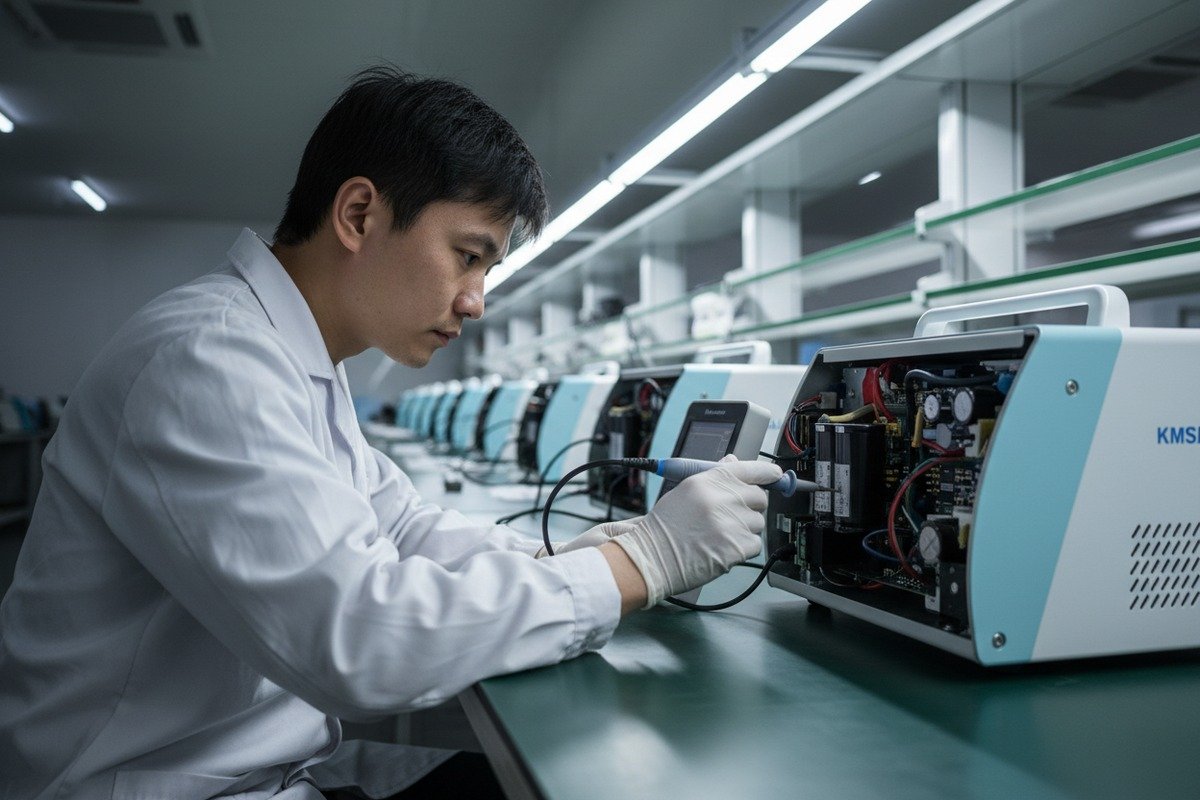
Pre-Shipment Quality Control Protocol
Our QC process follows a systematic approach designed to catch problems before they leave our facility. This protects your investment and your brand reputation.
Stage 1: Component Inspection
Incoming parts are tested before assembly begins. This catches supplier quality issues early.
Stage 2: In-Line Assembly Checks
Technicians verify proper installation at key assembly points. Wiring connections, seal integrity, and mechanical alignment are confirmed.
Stage 3: Functional Testing
Every completed unit undergoes full operational testing. This includes:
- Power-on and boot sequence verification
- Energy output calibration across all settings
- Handpiece responsiveness
- Touchscreen functionality
- Safety interlock testing
- Continuous operation stress test (30+ minutes)
Stage 4: Cosmetic Inspection
Visual inspection under bright lighting checks for scratches, color inconsistencies, and assembly gaps.
Quality Control Checkpoints
| Stage | Tests Performed | Documentation Provided |
|---|---|---|
| Incoming | Component specs, certifications | Supplier COAs |
| Assembly | Torque values, wire routing | Photo records |
| Functional | Output calibration, safety tests | Test data sheets |
| Final | Cosmetic, packaging integrity | Inspection photos |
Export Packaging Requirements
Shockwave machines contain sensitive electronic components and glass displays. Standard packaging fails during international shipping. Our export packaging includes:
- Custom foam inserts molded to device shape
- Double-wall corrugated outer cartons
- Corner protectors and edge guards
- Moisture barrier bags for ocean freight
- Tilt and shock indicators
- Clear handling labels in multiple languages
For customers requiring additional protection, we offer wooden crate packaging. This adds cost but virtually eliminates transit damage.
Shipping and Logistics Management
Door-to-door service means we handle everything from factory pickup to your warehouse delivery. Our logistics partners specialize in medical device shipments.
Air Freight: Fastest option at 5-7 days. Best for urgent orders or small quantities. Higher cost but reduced handling.
Ocean Freight: Economical for large orders. Transit time 25-35 days depending on destination. Requires careful packaging for container conditions.
DDP vs. FOB Terms: We recommend DDP (Delivered Duty Paid) for customers wanting hassle-free receiving. We handle customs clearance, duties, and final delivery. FOB terms reduce our price but shift logistics responsibility to you.
Managing Customs and Documentation
Smooth customs clearance requires accurate documentation. We prepare:
- Commercial invoice with proper HS codes
- Packing list with weights and dimensions
- Certificate of Origin
- FDA registration confirmation (for US imports)
- CE documentation (for EU imports)
- Product technical files
Our export team stays updated on changing regulations. Recent changes to FDA requirements for aesthetic devices required documentation updates. We implemented these changes immediately to prevent customer shipments from being held.
Conclusion
Shockwave therapy machines do improve cellulite results when built with proper specifications and quality components. Your success depends on choosing equipment that delivers consistent energy output and withstands daily salon demands. Partner with manufacturers who understand clinical requirements and support your brand growth.
Footnotes
1. Provides a comprehensive overview and definition of cellulite. ↩︎
2. Provides a clear definition and medical uses of ESWT. ↩︎
3. Explains the biological process of collagen synthesis in the body. ↩︎
4. Replaced with an accessible and authoritative official European Commission page on CE marking. ↩︎
5. Provides general information about medical devices, implying the need for high-quality components. ↩︎
6. Describes the role of fibrous bands in the formation of cellulite. ↩︎
7. Explains the concept of microcirculation, including lymphatic capillaries. ↩︎
8. Defines Energy Flux Density as a key parameter in shockwave therapy. ↩︎
9. Outlines the process and requirements for FDA medical device registration. ↩︎

 English
  Español de México
  Deutsch
  Français
  العربية
  Русский