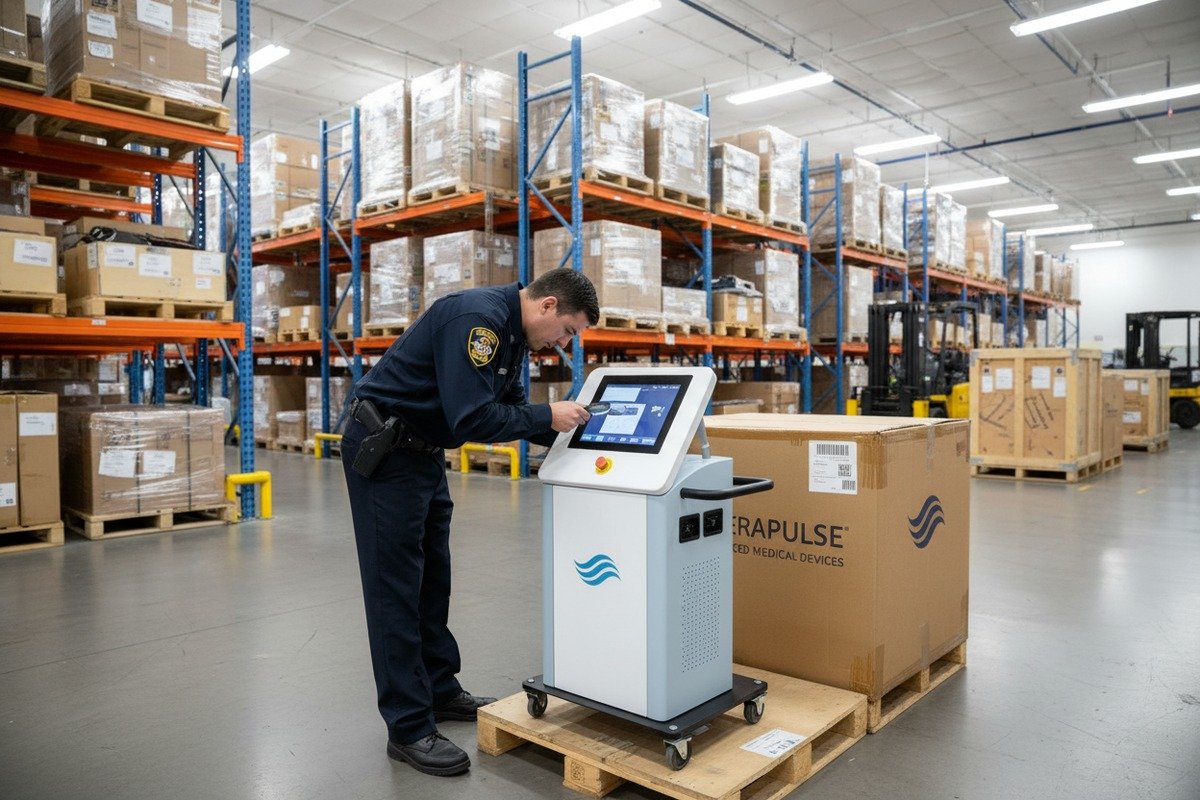
Every week, our quality team receives calls from importers panicking about seized shipments FDA clearance 1. Their shockwave machines sit in customs warehouses. The reason? Missing safety certifications. This creates costly delays and damages business relationships with downstream clients.
UL certification is not legally required by U.S. federal law for importing shockwave therapy machines. However, it is strongly recommended and often practically necessary for FDA clearance, healthcare facility acceptance, OSHA workplace compliance, and liability protection. Without it, importers face customs holds, buyer rejection, and significant legal risks.
Understanding the full picture requires exploring FDA requirements, liability implications, supplier verification, and insurance considerations IEC 60601 electrical safety standards 2. Let us walk through each critical aspect so you can make informed decisions for your business.
Do I legally need UL certification to import and sell shockwave therapy machines in the United States?
When we prepare export documentation for U.S.-bound shipments, clients often ask this exact question product liability lawsuits 3. The confusion between legal requirements and practical necessities costs businesses thousands of dollars annually.
No federal law mandates UL certification for importing shockwave therapy machines. However, FDA requires compliance with IEC 60601 electrical safety standards for Class II medical devices. UL testing provides recognized evidence of this compliance. Most healthcare facilities and OSHA-regulated workplaces require UL-listed equipment.
Understanding the FDA Framework
The FDA classifies most non-invasive shockwave therapy machines as Class II medical devices 4. This classification applies to devices treating musculoskeletal conditions like plantar fasciitis. Class II devices require 510(k) premarket notification 5 before legal marketing in the United States.
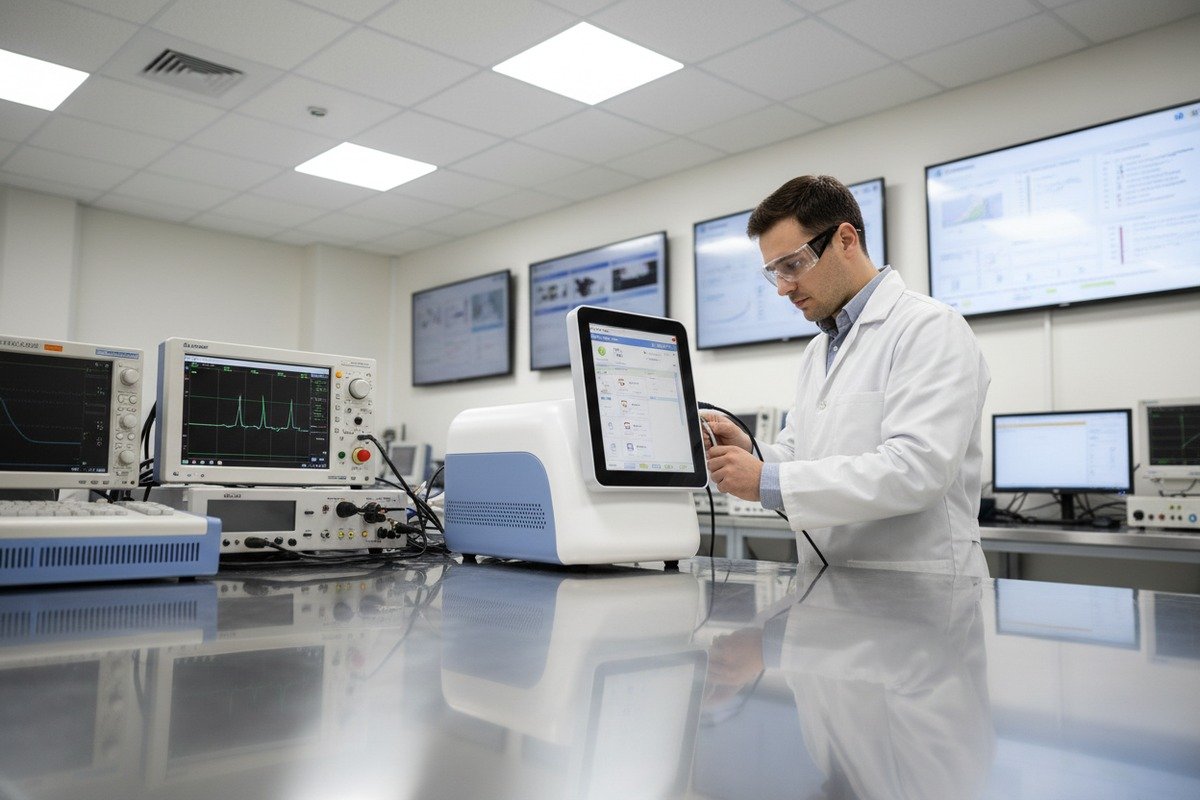
The FDA does not explicitly demand UL marks on your submission. However, they require evidence of electrical safety compliance with IEC 60601-1 and electromagnetic compatibility with IEC 60601-1-2. UL testing reports provide this evidence in a format FDA reviewers recognize and trust.
Our engineering team has observed that 510(k) submissions including UL safety reports receive faster clearance. FDA reviewers spend less time verifying safety data when it comes from an OSHA-recognized Nationally Recognized Testing Laboratory 6.
The OSHA Connection
Here is where practical requirements differ from legal mandates. OSHA requires electrical equipment in workplaces to be tested by a Nationally Recognized Testing Laboratory. UL is the most recognized NRTL in the United States.
| Certification Type | Legal Status | Practical Acceptance |
|---|---|---|
| UL Mark | Not federally mandated | Widely required by facilities |
| TUV Mark | Valid NRTL alternative | Less recognized in U.S. |
| CB Scheme Report | Not standalone valid | Supports UL application |
| Self-Declaration | Legal for some products | Rejected by most buyers |
What This Means for Your Business
When you import shockwave machines without UL certification 7, you face multiple challenges. Customs may hold shipments pending safety verification. Healthcare facilities will reject your products. Insurance companies may deny coverage.
One importer we work with learned this lesson expensively. Their Chinese-sourced machines met all technical specifications. However, without UL marks, three hospital systems cancelled orders worth over $200,000. The machines sat in warehouses for eight months while they completed certification.
What are the liability risks for my business if my shockwave equipment lacks a UL listing?
In our twenty years manufacturing medical equipment, we have witnessed several lawsuits destroy importing businesses. The common thread? Products lacking recognized safety certifications. Understanding these risks helps protect your company and customers.
Without UL listing, your business faces severe liability exposure including product liability lawsuits, negligence claims, breach of implied warranty suits, and potential criminal charges for selling unsafe medical equipment. Insurance coverage gaps may leave you personally responsible for damages, which can reach millions of dollars for serious injuries.
Product Liability Exposure
When a shockwave machine causes injury, the certification status becomes critical evidence. Plaintiffs' attorneys specifically target products lacking NRTL certification. They argue that selling uncertified electrical medical equipment demonstrates negligence or reckless disregard for safety.
Courts have consistently found importers liable for injuries from uncertified equipment. The legal theory is straightforward: you had a duty to ensure product safety. Recognized certification provides evidence you fulfilled that duty. Without it, you struggle to defend your decisions.
Financial Impact Analysis
The financial consequences extend far beyond individual lawsuits. Our industry contacts have shared real cases demonstrating the full scope of risk.
| Risk Category | Potential Cost | Likelihood Without UL |
|---|---|---|
| Single injury lawsuit | $500,000 – $5,000,000 | High if injury occurs |
| Class action suit | $10,000,000+ | Moderate for defects |
| Product recall costs | $100,000 – $1,000,000 | High for safety issues |
| Business interruption | $50,000 – $500,000 | Very high |
| Reputation damage | Incalculable | Certain |
Insurance Coverage Gaps
Most product liability insurance policies contain exclusions for non-certified equipment. When we review supplier contracts, we always check certification requirements in their insurance policies.
Your policy may specifically exclude coverage for products lacking required safety certifications. Even if coverage exists, insurers may deny claims arguing you misrepresented product safety compliance. This leaves you personally responsible for all damages.
Criminal Liability Considerations
Selling medical equipment that causes serious injury can trigger criminal investigations. If prosecutors determine you knowingly sold unsafe equipment, you face potential charges including:
- Fraud for misrepresenting product safety
- Negligent homicide if deaths occur
- Wire fraud if interstate sales involved deception
These risks multiply when you import from overseas suppliers whose quality control you cannot directly verify. Prosecutors argue importers have heightened duties to ensure foreign products meet safety standards.
How can I ensure my Chinese supplier meets UL safety standards for my custom-branded machines?
Our production floor handles dozens of custom branding projects annually. We understand both sides of this relationship. The challenge is verifying that your supplier truly meets standards, not just claims compliance. Let me share what actually works.
Verify your Chinese supplier meets UL standards by requesting valid UL certification documents with file numbers, conducting factory audits, specifying UL-listed components in purchase agreements, requiring pre-shipment third-party testing, and establishing quality control protocols aligned with ISO 13485. Never rely solely on supplier claims.
Document Verification Process
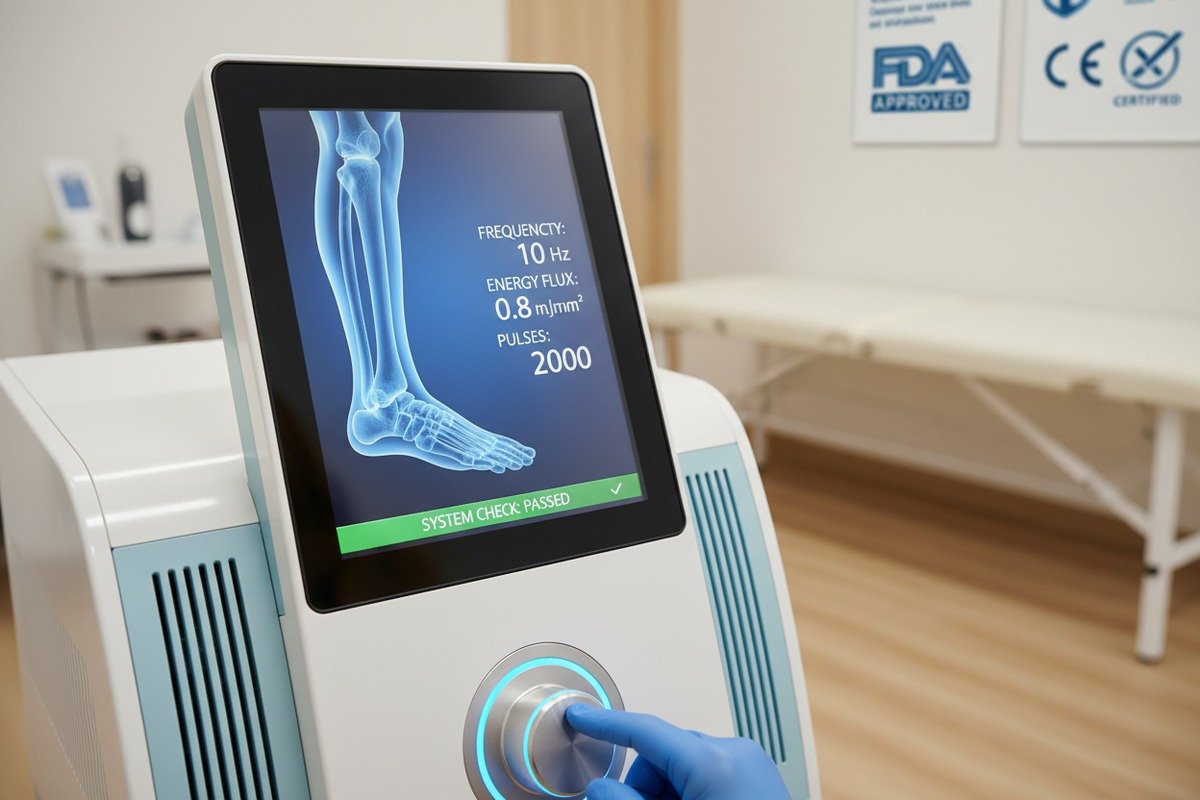
The first step is requesting and verifying certification documents. Legitimate suppliers provide UL file numbers that you can verify directly on UL's online database. Fake certificates are common, so verification is essential.
When our clients visit the factory, we walk them through our certification files. We show original certificates, test reports, and ongoing compliance documentation. Any supplier hesitant to share this information raises immediate concerns.
Request these specific documents from potential suppliers:
- UL certificate with file number
- Complete test reports per IEC 60601-1
- EMC test reports per IEC 60601-1-2
- Biocompatibility testing documentation
- Component certification for critical parts
Supplier Qualification Checklist
| Verification Step | What to Check | Red Flags |
|---|---|---|
| Certificate authenticity | Verify on UL database | Unable to verify, expired certificates |
| Factory audit | Production processes | Restricted access, disorganized records |
| Component sourcing | UL-listed parts used | Generic parts, no traceability |
| Quality system | ISO 13485 8 certification | No quality management documentation |
| Test equipment | Calibrated, current | Outdated equipment, missing calibration |
Critical Component Specifications
Power cords represent a common failure point. Hospital-grade NEMA 5-15P plugs must meet UL 60601-1 requirements. Many Chinese suppliers substitute standard plugs that lack required safety features. This single component can invalidate your entire certification.
When we specify components for U.S.-bound machines, we maintain approved supplier lists for all safety-critical parts. Each component has documented UL listing status. This traceability protects both us and our customers.
Contractual Protections
Your purchase agreement should include specific clauses addressing certification compliance. Without contractual protections, you have limited recourse when problems arise.
Include these provisions in supplier contracts:
- Warranty that all certifications are valid and current
- Right to conduct unannounced factory audits
- Requirement for pre-shipment third-party testing
- Financial penalties for certification failures
- Indemnification for liability from non-compliance
Ongoing Monitoring Requirements
Certification is not a one-time event. UL requires ongoing compliance through factory inspections. Verify your supplier maintains their certification by checking renewal dates and inspection records annually.
Our quality management system includes quarterly reviews of all certification status. We notify customers immediately if any certification issue arises. This proactive approach prevents downstream problems that damage customer relationships.
Will my salon customers face insurance issues if the shockwave machines I provide aren't UL certified?
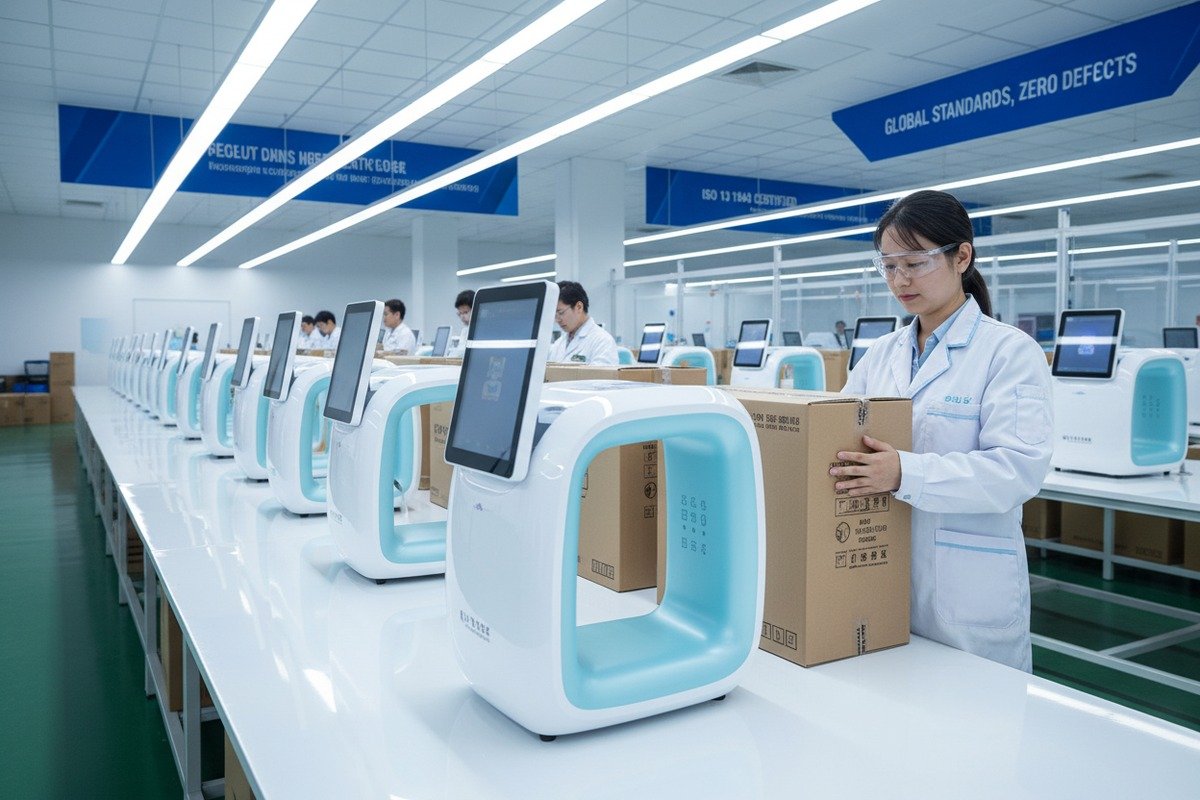
When salon owners purchase equipment from us through distributors, they trust the products meet all necessary standards. Our customer service team regularly fields calls from salon owners denied insurance coverage. The certification status of their equipment often determines whether they can operate legally.
Yes, salon customers will likely face serious insurance issues with non-UL certified shockwave machines. Insurance companies routinely deny coverage or claims for businesses using non-certified electrical equipment. Some insurers cancel policies entirely when they discover uncertified medical devices in use, leaving salon owners unprotected against liability.
Insurance Company Requirements
Property and liability insurers carefully evaluate equipment used in insured businesses. Medical and aesthetic devices receive particular scrutiny because of injury potential. Insurance underwriters specifically ask about certification status during policy applications.
When salon owners file claims related to equipment incidents, adjusters immediately investigate certification. A claim involving non-certified equipment typically results in denial. The policy language usually requires all equipment to meet applicable safety standards.
Coverage Implications for Salon Owners
The insurance implications extend beyond individual claims. Your customers face cascading problems when using uncertified equipment.
| Insurance Issue | Impact on Salon | Your Business Impact |
|---|---|---|
| Claim denial | Financial loss from incident | Reputation damage, returns |
| Policy cancellation | Cannot operate legally | Customer loss, refunds |
| Premium increases | Higher operating costs | Price sensitivity issues |
| Coverage exclusions | Gaps in protection | Liability exposure |
| Audit failures | Penalties, fines | Warranty claims |
Professional Liability Considerations
Salons offering shockwave therapy treatments need professional liability coverage. This coverage protects against claims of improper treatment or negligent use. Insurers providing this coverage require equipment to meet safety standards.
Many professional liability policies specifically exclude coverage for treatments using non-certified equipment. Even general liability policies often contain similar exclusions. Your salon customers may operate believing they have coverage when they actually do not.
Protecting Your Customer Relationships
As a supplier, you have both ethical and business reasons to ensure your products carry proper certifications. When customers face insurance problems, they blame you. Even if you never explicitly promised certification, they expected it.
Our approach involves providing complete certification documentation with every shipment. We include certificates, test reports, and verification instructions. Customers can share this documentation directly with their insurers, eliminating coverage questions.
Multi-Setting Use Considerations
Many salon-grade shockwave machines eventually find use in medical offices, physical therapy clinics, or home healthcare settings. UL standards specifically address multi-setting use for medical equipment. Machines designed only for single environments may fail safety requirements in other settings.
When we design products, we anticipate this migration across settings. Our machines meet the strictest applicable standards. This future-proofs customer investments and protects against liability regardless of where equipment ultimately operates.
Conclusion
UL certification may not be legally mandatory, but practical business realities make it essential. Protect your business and your customers by ensuring all shockwave therapy equipment carries proper certifications before import.
Footnotes
1. Replaced with an authoritative FDA.gov page that explains medical device classification, which directly relates to the pathway for FDA clearance. ↩︎
2. Wikipedia provides a comprehensive overview of the IEC 60601 series of technical standards. ↩︎
3. Authoritative legal definition and overview of product liability law in the United States. ↩︎
4. Replaced with an authoritative FDA.gov page that provides an overview of medical device classification, including Class II devices. ↩︎
5. Official FDA page explaining the 510(k) premarket notification process for medical devices. ↩︎
6. Official OSHA page explaining the Nationally Recognized Testing Laboratory (NRTL) Program. ↩︎
7. Official source explaining product certification and compliance with standards. ↩︎
8. Official FDA page discussing harmonization of Quality Management System Regulation with ISO 13485. ↩︎

 English
  Español de México
  Deutsch
  Français
  العربية
  Русский