
When our production team first designed shockwave therapy devices 1, buyers constantly asked us this question. The confusion is real. You see two machines that look almost identical. Yet one uses compressed air, and the other uses electromagnetic coils electromagnetic and pneumatic types 2. The wrong choice can cost you thousands in maintenance and lost sales.
Shockwave therapy machines are available in both electromagnetic and pneumatic types when sourcing. Pneumatic machines use compressed air to generate radial pressure waves for superficial treatments. Electromagnetic machines use coils to create focused or radial waves for deeper penetration. Your choice depends on clinical applications, budget, and maintenance tolerance.
Let me walk you through the key differences. By the end of this guide, you will know exactly which type fits your brand’s needs.
How do I decide between electromagnetic and pneumatic shockwave technology for my brand's product line?
Our engineering team has helped dozens of buyers make this exact decision focused or radial waves 3. Many come to us confused by marketing claims. They hear "focused" and "radial" without understanding what these terms mean for their end users superficial musculoskeletal conditions 4. The truth is simpler than most suppliers admit.
Choose pneumatic shockwave technology if your customers treat superficial musculoskeletal conditions and need cost-effective power. Choose electromagnetic technology if they require deeper penetration, quieter operation, or portable designs. Your decision should match your target clinic's primary treatment protocols and patient demographics.
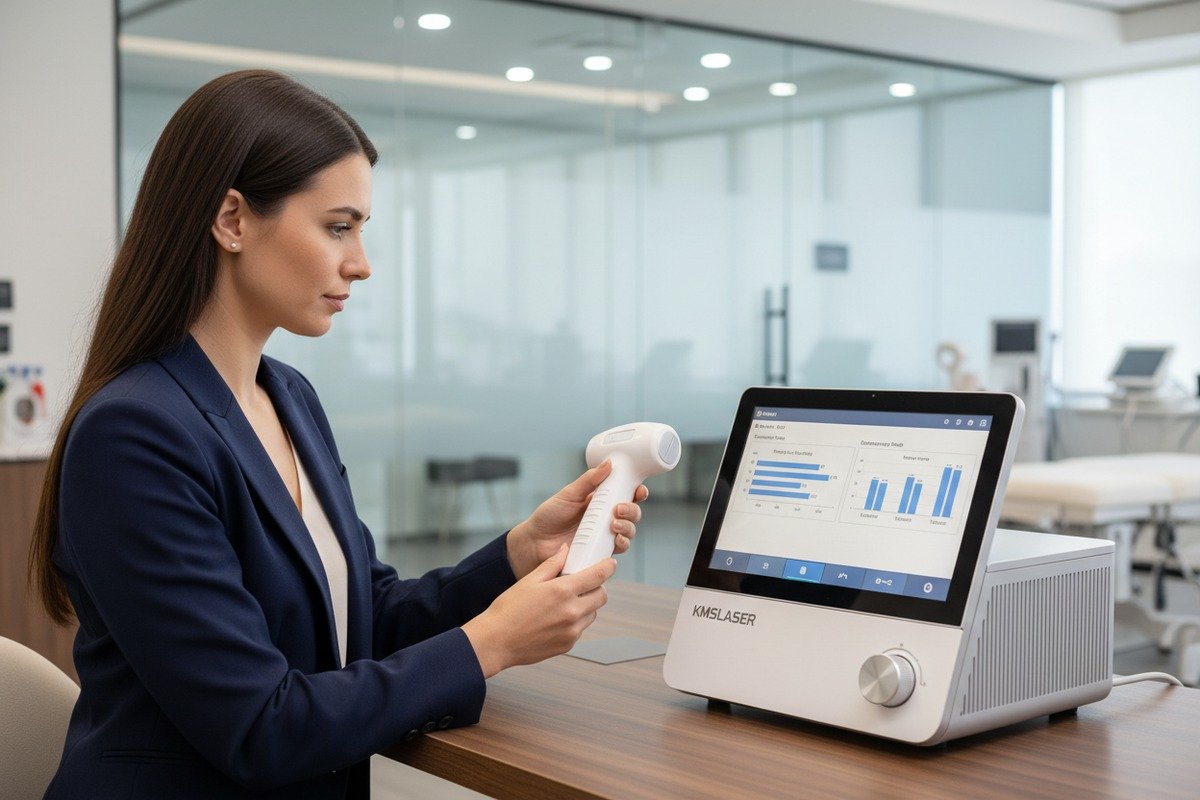
Understanding the Core Mechanisms
Pneumatic machines work through a straightforward process custom OEM branding 5. Compressed air drives a projectile inside the handpiece. This projectile strikes a metal applicator. The impact creates radial pressure waves 6 that spread outward into tissue.
Electromagnetic machines operate differently. An electric coil generates a magnetic field. This field accelerates a metal membrane or coil. The rapid movement produces acoustic waves. These waves can be radial or focused, depending on the design.
Key Technical Differences
| Feature | Pneumatic | Electromagnetic Radial | Electromagnetic Focused |
|---|---|---|---|
| Penetration Depth | 3-7 cm | 3-4 cm | 5-12 cm |
| Power Output | Up to 8 bar | Lower than pneumatic | High energy density |
| Noise Level | High (compressor) | Low | Low |
| Portability | Limited | Excellent | Moderate |
| Wave Pattern | Divergent | Divergent | Convergent |
Matching Technology to Market Segments
When we consult with buyers, we ask about their end users first. Chiropractors and sports physiotherapists often prefer pneumatic machines. These practitioners treat large muscle groups and scar tissue. They need raw power over precision.
Aesthetic clinics and pelvic floor specialists lean toward electromagnetic options. Their treatments require quieter operation. Patients in these settings expect a premium experience. A loud compressor can feel intimidating.
Orthopedic specialists treating calcifications or deep bone pathologies need focused electromagnetic technology. The convergent wave pattern delivers energy to a precise point. This precision matters when treating specific lesions.
Cost Considerations for Your Product Line
Pneumatic machines typically cost less upfront. The compressor technology is mature and widely available. However, maintenance costs add up. Handpieces need rebuilding every 2 million shots. The compressor requires regular service.
Electromagnetic handpieces last 5-8 million shots. The total cost of ownership 7 often favors electromagnetic over a 5-year period. But the initial investment is higher. Your pricing strategy must account for this difference.
If your brand targets budget-conscious clinics, pneumatic makes sense. If you position as premium, electromagnetic aligns better with that image.
Can I request custom OEM branding and high-end design for both types of shockwave machines?
In our factory, we handle OEM requests for both pneumatic and electromagnetic machines daily. Some buyers assume one type limits customization options. This is not true. Both technologies accommodate full branding and design modifications. The real question is what level of customization serves your market positioning.
Yes, you can request custom OEM branding and high-end design for both electromagnetic and pneumatic shockwave machines. Reputable manufacturers offer logo placement, custom color schemes, branded software interfaces, and packaging customization. High-end design options include premium housing materials, touchscreen upgrades, and ergonomic handpiece modifications.
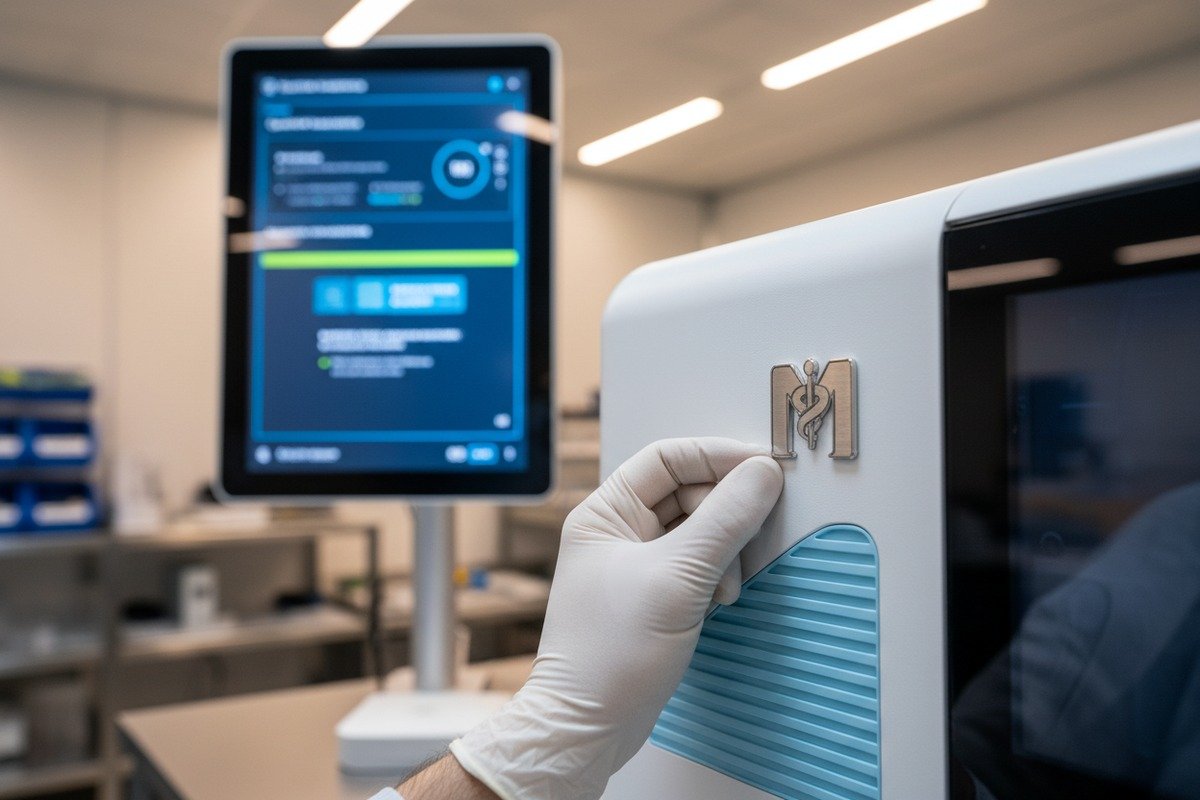
Standard OEM Customization Options
Most manufacturers, including our facility, offer tiered customization packages. The base level covers essential branding. Higher tiers include structural and software modifications.
| Customization Level | Included Features | Typical MOQ | Lead Time |
|---|---|---|---|
| Basic Branding | Logo on device, branded manual, packaging labels | 10-20 units | 2-3 weeks |
| Standard OEM | Custom colors, branded UI, certificate customization | 30-50 units | 4-6 weeks |
| Full Custom | Housing design, software features, handpiece ergonomics | 100+ units | 8-12 weeks |
Design Elements That Elevate Perceived Value
When buyers order from our production line, we guide them toward design choices that justify premium pricing. The touchscreen interface matters enormously. A bright, responsive display with intuitive graphics signals quality to end users.
Housing materials also communicate value. We use smooth matte finishes with metallic accents. Ribbed textures on side panels add visual interest. Glossy black glass fronts with integrated LCDs look professional in any clinical setting.
The control interface deserves attention too. A single metallic knob below the screen creates a clean, uncluttered appearance. This minimalist approach appeals to modern aesthetic sensibilities.
Customization Differences Between Technologies
Pneumatic machines have more components to brand. The external compressor needs attention alongside the main unit. This creates additional branding opportunities but also complexity.
Electromagnetic machines offer simpler branding since everything integrates into one unit. The compact form factor limits where logos can appear. However, this constraint often results in cleaner, more elegant designs.
Pricing Strategies for Custom Orders
If your order quantity is large, you can request tiered pricing from suppliers. For example, ask for three price levels: 1-50 units, 51-200 units, and 200+ units. This approach helps you plan inventory investments and margin calculations.
Custom molds and tooling add significant upfront costs. These costs spread across larger orders. A 500-unit order might add only $2-3 per unit for custom housing. A 50-unit order might add $20-30 per unit for the same modification.
Software and Interface Customization
Our software team can modify the user interface to match your brand identity. This includes custom boot screens, branded color schemes throughout the menu system, and your logo on treatment protocol screens.
Some buyers request language localization. Others want specific treatment protocols pre-loaded. These modifications require coordination with our development team but add significant value for specialized markets.
Which shockwave mechanism offers the best long-term durability to minimize my after-sales maintenance costs?
Our service department tracks warranty claims and repair requests across both technologies. The data tells a clear story. After-sales costs can erode your margins quickly if you choose poorly. This is especially true for buyers who import from China and handle their own distribution.
Electromagnetic shockwave machines generally offer better long-term durability with handpiece lifespans of 5-8 million shots compared to 2 million shots for pneumatic systems. However, total maintenance cost depends on usage patterns, treatment protocols, and end-user care. High-volume clinics may still find pneumatic economical despite more frequent rebuilds.

Handpiece Lifespan Comparison
The handpiece is the most maintenance-intensive component in any shockwave system. It experiences direct mechanical stress with every shot. Understanding lifespan expectations helps you forecast service costs.
| Component | Pneumatic Lifespan | Electromagnetic Lifespan | Replacement Cost Range |
|---|---|---|---|
| Handpiece Assembly | 2 million shots | 5-8 million shots | $300-$800 |
| Applicator Tips | 500K-1M shots | 1-2 million shots | $50-$150 |
| Internal Seals | 1 million shots | 3-4 million shots | $20-$50 |
| Compressor | 5-7 years | N/A | $200-$500 |
Factors That Affect Durability
Usage intensity varies dramatically between clinics. A busy sports medicine practice might deliver 500 shots per patient, treating 20 patients daily. That's 10,000 shots per day or roughly 2.5 million shots per year.
At this pace, a pneumatic handpiece needs annual replacement. An electromagnetic handpiece lasts 2-3 years. The cost difference compounds quickly.
Treatment protocols also matter. Higher pressure settings accelerate wear. Clinics that consistently operate at maximum output will experience shorter component life regardless of technology.
Environmental factors play a role too. Dusty clinic environments can contaminate pneumatic compressors. Humidity affects both technologies but impacts compressor-based systems more severely.
Real-World Maintenance Scenarios
When we ship machines to distributors in the US and Europe, we include maintenance projections based on typical usage. A mid-volume aesthetic clinic using electromagnetic technology might spend $200-$400 annually on maintenance. A high-volume physiotherapy practice using pneumatic technology might spend $800-$1,200 annually.
These projections help buyers set warranty terms and service pricing. Some distributors include first-year maintenance in their selling price. Others offer service contracts. Your business model determines the best approach.
Hidden Costs to Consider
Beyond handpiece rebuilds, consider diagnostic and repair time. Pneumatic systems have more components that can fail. The compressor, air lines, and handpiece each represent potential failure points.
Electromagnetic systems consolidate most mechanisms into the handpiece itself. When problems occur, diagnosis is usually faster. Replacement is straightforward.
Shipping costs for warranty repairs add up. A 20kg pneumatic machine with compressor costs more to ship than a compact electromagnetic unit. If your customers are in remote areas, this difference matters.
Recommendations by Business Model
For distributors serving price-sensitive markets with many small clinics, pneumatic technology often makes sense. The lower upfront cost attracts buyers. Service revenue from maintenance can become a profit center.
For premium brands targeting high-end medical practices, electromagnetic technology aligns better. These customers expect minimal downtime. They will pay more upfront to avoid ongoing maintenance hassles.
How can I verify the internal component quality of these machines during a pre-shipment inspection in China?
When our quality control team prepares shipments, we know experienced buyers will inspect carefully. This is wise. Component quality varies enormously among Chinese manufacturers. A machine that looks identical externally can have vastly different internal specifications. Verification before shipment prevents costly problems after delivery.
Verify internal component quality during pre-shipment inspection by requesting functional testing with shot counters, examining handpiece construction materials, checking compressor specifications (for pneumatic), testing energy output with calibrated meters, and reviewing component origin documentation. Professional third-party inspection services can perform these checks if you cannot visit personally.
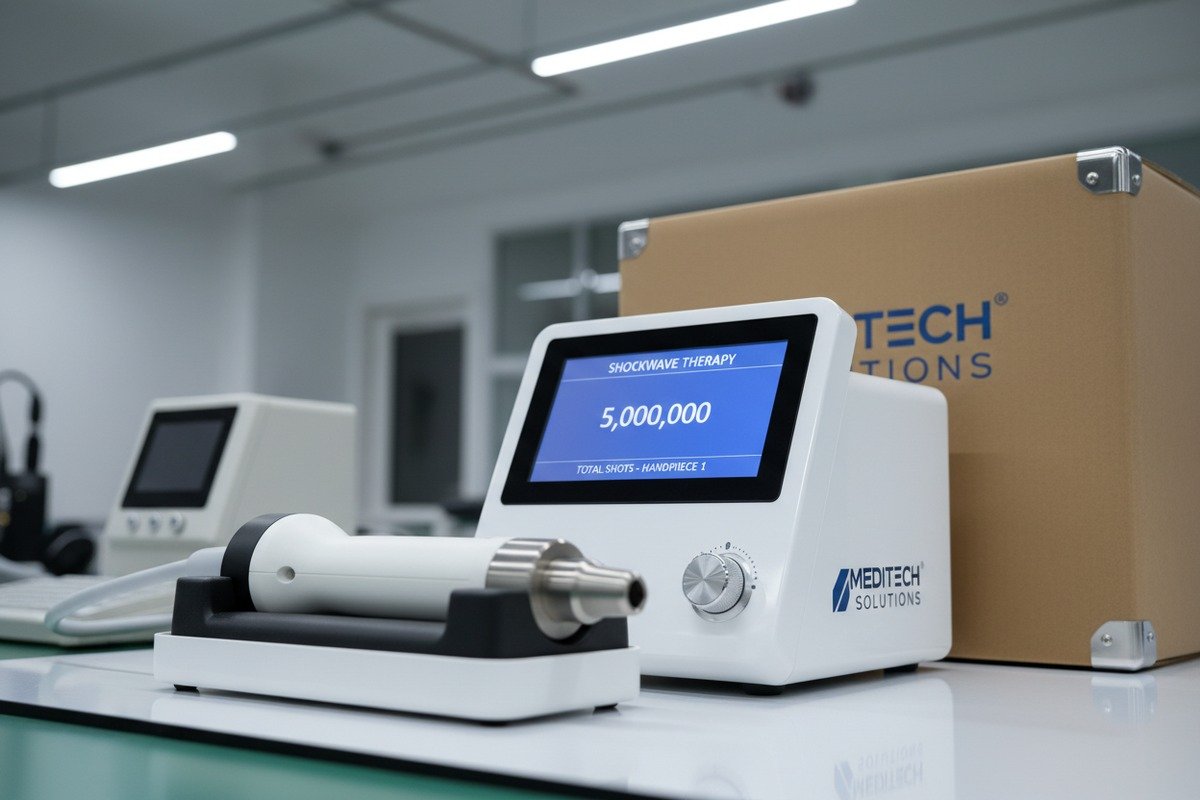
Essential Inspection Points
A thorough pre-shipment inspection covers multiple areas. Each area reveals different aspects of build quality. Skipping any area leaves blind spots that could become problems later.
| Inspection Area | What to Check | Red Flags |
|---|---|---|
| External Housing | Material thickness, finish quality, seam alignment | Thin plastic, rough edges, visible gaps |
| Display Screen | Resolution, touch responsiveness, brightness | Dim display, delayed response, dead pixels |
| Handpiece | Weight, material quality, cable flexibility | Lightweight feel, stiff cables, loose connections |
| Compressor (Pneumatic) | Brand marking, pressure output, noise level | Unknown brands, inconsistent pressure, excessive noise |
| Energy Output | Measured vs. specified power, consistency | Output below spec, high variation between shots |
Functional Testing Protocols
Request a live demonstration during inspection. The machine should complete a minimum 100-shot test cycle. Document the shot counter reading before and after. This confirms the counter functions accurately.
For pneumatic machines, check pressure output at multiple settings. Use a calibrated gauge if available. The displayed pressure should match actual output within 5%. Larger variances indicate calibration issues or sensor problems.
For electromagnetic machines, verify pulse characteristics. Some inspection services bring oscilloscopes to measure wave forms. This level of detail might seem excessive, but it reveals manufacturing precision that affects treatment outcomes.
Component Origin Verification
Ask suppliers for component sourcing documentation. component origin documentation 8 Reputable manufacturers use branded compressors from companies like Jun-Air or Thomas. Generic compressors from unknown factories often fail prematurely.
Electromagnetic coils should come from established suppliers. The copper winding quality affects energy efficiency and heat generation. Poor coils overheat during extended treatment sessions.
Circuit boards deserve attention too. Look for clean solder joints and organized wiring. Messy internal wiring suggests rushed production and poor quality control.
Working with Third-Party Inspection Services
If you cannot travel to China, hire a professional inspection company. Services like SGS, Bureau Veritas, or specialized medical device inspectors can perform detailed checks on your behalf.
Provide them with a detailed checklist based on the specifications you agreed upon with the supplier. Include acceptable tolerance ranges for each measurement. This prevents disputes about what constitutes a passed or failed inspection.
Third-party inspection typically costs $200-$400 per visit. This investment prevents shipments of defective goods that would cost far more to remedy after arrival.
Documentation to Request
Before inspection, request these documents from your supplier:
- Component specification sheets
- Factory test reports for each unit
- Calibration certificates for test equipment
- Quality control checklists with inspector signatures
Review these documents before the physical inspection. Discrepancies between documentation and physical findings indicate systemic quality control problems.
Post-Inspection Actions
If inspection reveals issues, you have options. Minor cosmetic defects might warrant a price reduction. Functional problems should trigger rework or rejection. Document everything with photos and written reports.
Our factory maintains open communication during this process. We prefer catching problems before shipment rather than handling returns later. Professional buyers appreciate this transparency. It builds the trust necessary for long-term partnerships.
Conclusion
Choosing between electromagnetic and pneumatic shockwave technology requires understanding your market, customers, and business model. Both technologies serve legitimate purposes. The right choice minimizes your maintenance burden while meeting clinical needs. Partner with a manufacturer who answers your questions honestly and supports thorough pre-shipment inspection.
Footnotes
1. Provides a general overview of shockwave therapy and its applications. ↩︎
2. Explains the physical principles and generation mechanisms of different shockwave types. ↩︎
3. Compares the characteristics and applications of focused and radial shockwaves. ↩︎
4. Discusses the use of shockwave therapy for various musculoskeletal and soft-tissue disorders. ↩︎
5. Provides official guidance on private label medical devices, which includes OEM branding. ↩︎
6. This page explains how pneumatic shockwave therapy works, detailing that pneumatic devices use compressed air to generate pressure waves that propagate radially. ↩︎
7. Wikipedia provides a general and authoritative explanation of the ‘Total Cost of Ownership’ concept, which is relevant to understanding the long-term financial implications of medical equipment. ↩︎
8. Details regulatory requirements for medical device supplier documentation, including traceability and purchasing records. ↩︎
9. Explains the importance and benefits of independent third-party quality audits for medical devices in China. ↩︎

 English
  Español de México
  Deutsch
  Français
  العربية
  Русский