Every week, our export team receives emails from beauty brand owners asking the same question Incoterms selection 1. They want to pay for shockwave therapy machines 2 only after receiving them. The frustration is real. You are investing thousands of dollars in equipment you cannot inspect until it arrives. The risk feels enormous.
Yes, payment after shipment is possible when importing shockwave therapy machines, but it requires specific conditions. These include established supplier relationships, creditworthiness verification, appropriate Incoterms selection, and often third-party mechanisms like Letters of Credit or escrow services. Without these, most suppliers will not accept deferred payment terms due to high non-payment risks.
This guide will walk you through exactly how to negotiate these terms, what qualifications you need, and how to protect both your investment and your supply chain. Let us explore each critical factor.
How can I find a Chinese supplier that accepts open account payments for shockwave therapy machines?
When we work with new clients from the United States, this question comes up in almost every first conversation. Brand owners want flexibility. They want to test products before committing payment. The challenge is that open account terms 3 expose suppliers to significant financial risk.
To find a Chinese supplier accepting open account payments for shockwave therapy machines, focus on established manufacturers with Trade Assurance programs, request references from their existing long-term clients, and demonstrate your company's financial stability through credit reports and purchase volume commitments. Building trust over multiple smaller orders typically precedes open account eligibility.

Understanding Open Account Terms
Open account means you receive goods first and pay later. The typical payment window ranges from 30 to 90 days after shipment. This arrangement benefits buyers tremendously. However, it places all risk on the supplier.
Most Chinese manufacturers refuse open account terms with new customers. The reason is simple. They have experienced non-payment before. Chasing payments across international borders is expensive and often unsuccessful.
Where to Search for Flexible Suppliers
Start with platforms that offer built-in protection mechanisms. Alibaba's Trade Assurance program 4 provides some security for both parties. Suppliers on this platform understand international trade expectations better.
Industry trade shows like Canton Fair allow face-to-face relationship building. Our experience shows that personal connections accelerate trust development significantly.
| Platform/Method | Open Account Likelihood | Trust Building Speed | Risk Level for Buyer |
|---|---|---|---|
| Alibaba Trade Assurance | Medium | Moderate | Low |
| Direct Factory Contact | Low (initially) | Slow | Medium |
| Trade Shows | Medium-High | Fast | Low |
| Industry Referrals | High | Very Fast | Very Low |
Building Your Supplier Relationship Roadmap
Do not expect open account terms on your first order. Our typical pathway with new partners looks like this:
First order: 100% payment before production. Second order: 50% deposit, 50% before shipment. Third to fifth orders: 30% deposit, 70% before shipment. Sixth order onward: Open account consideration begins.
This progression demonstrates payment reliability. Each successful transaction builds your credit history with that specific supplier.
Documentation That Accelerates Approval
Prepare your business credentials before approaching suppliers. Include company registration documents, bank references, and a Dun & Bradstreet credit report 5 if available. Established companies with verifiable track records receive preferential treatment.
Volume commitments also matter. A supplier is more likely to extend credit to a buyer committing to $100,000 annually than someone ordering $5,000 once.
What are the specific requirements for my brand to qualify for payment after shipment?
In our years of exporting beauty equipment, we have developed clear qualification criteria. Not every brand qualifies for deferred payment. Understanding these requirements saves you time and positions your company correctly.
To qualify for payment after shipment, your brand typically needs verified business registration of at least two years, positive credit history, annual purchase volumes exceeding supplier minimums (often $50,000+), references from other Chinese suppliers, and willingness to accept trade finance instruments like Letters of Credit as an intermediate step.

Financial Stability Indicators
Suppliers evaluate your ability to pay, not just your willingness. They look for signs that your business generates consistent revenue. Bank statements showing healthy cash flow help tremendously.
Credit insurance is another powerful tool. If you carry export credit insurance 6 from providers like Euler Hermes or Coface, suppliers gain confidence. Their payment is protected even if you default.
Minimum Order Volume Thresholds
Higher volumes justify the administrative burden of credit management. Our internal policy, like many manufacturers, requires minimum annual commitments before considering open terms.
| Annual Purchase Volume | Payment Term Availability |
|---|---|
| Under $20,000 | Full prepayment only |
| $20,000 – $50,000 | 50% deposit, balance before shipment |
| $50,000 – $100,000 | 30% deposit, 70% on delivery |
| Over $100,000 | Open account negotiable (Net 30-60) |
Legal and Compliance Requirements
Your business must be properly registered in your country. Suppliers need assurance that legal recourse exists if payment disputes arise. A registered company provides this security.
Import licenses for medical devices matter especially for shockwave therapy machines. In the United States, FDA registration and listing requirements apply. Demonstrating regulatory compliance shows operational sophistication.
Trade Finance Instruments as Stepping Stones
Letters of Credit 7 offer a middle ground. The bank guarantees payment upon document presentation. This protects both parties. Many suppliers accept LCs from first-time buyers when they refuse open account.
After successfully completing several LC-backed transactions, suppliers become more comfortable extending open terms. Consider LCs as your pathway to preferred payment conditions.
The Role of Third-Party Verification
Services like SGS pre-shipment inspection 8 combined with escrow accounts create hybrid solutions. Funds are held by neutral parties and released after quality verification. This approach addresses supplier concerns while giving you inspection rights.
How do I ensure the quality of my beauty machines if I am not paying until after delivery?
Our quality control team handles this concern daily. When payment follows delivery, buyers worry about receiving substandard equipment. Suppliers worry about buyers finding excuses to delay or avoid payment. Both concerns are valid.
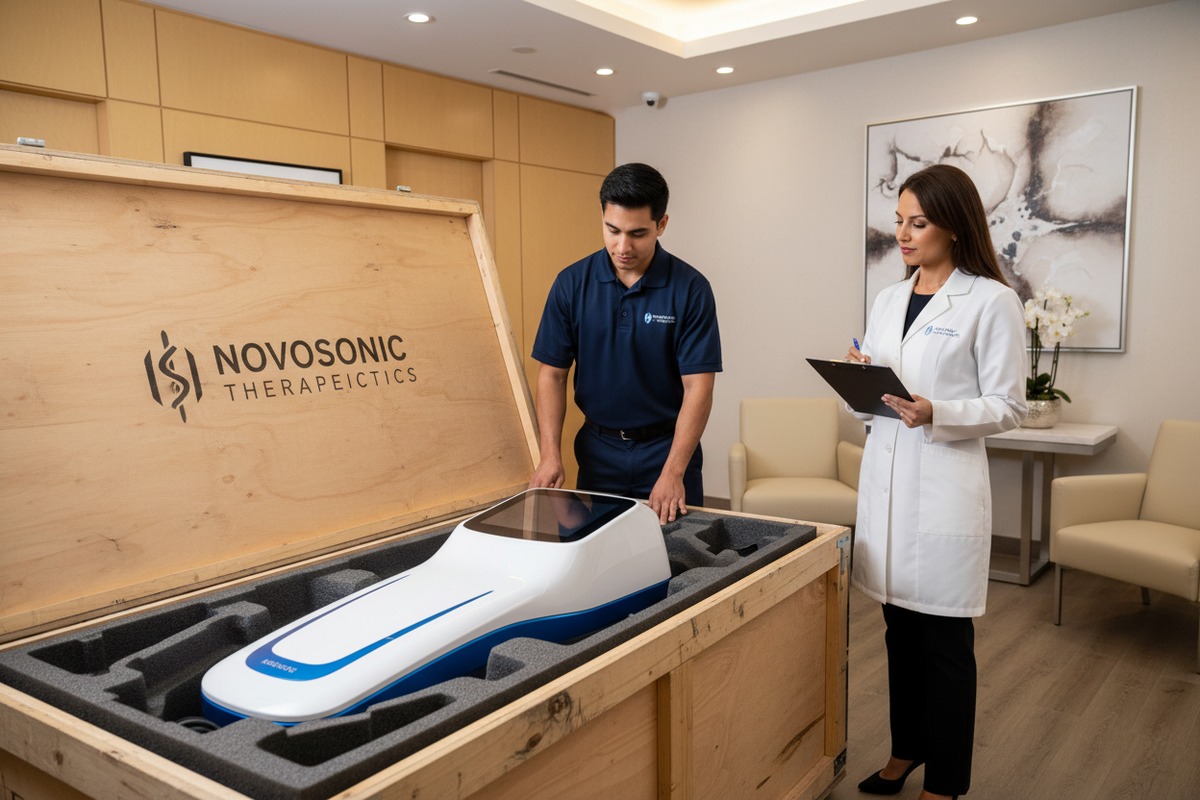
Ensuring quality with post-delivery payment requires implementing pre-shipment inspections by third-party agencies, establishing detailed product specifications in contracts, using escrow services that release funds only after quality verification, and including clear return/refund clauses. Video inspections and sample approvals before mass production provide additional protection layers.
Pre-Production Quality Agreements
Before any manufacturing begins, create comprehensive product specifications. Include technical parameters, cosmetic standards, and packaging requirements. Our engineering team always recommends documenting acceptable tolerance ranges.
For shockwave therapy machines, critical specifications include:
- Energy output levels and consistency
- Pulse frequency accuracy
- Handpiece durability standards
- Display functionality requirements
- Safety certifications needed
Third-Party Inspection Services
Independent inspection agencies like SGS, Bureau Veritas, or Intertek provide unbiased quality verification. They inspect products at the factory before shipment. Their reports document exactly what you are receiving.
| Inspection Type | Timing | Cost Range | Coverage |
|---|---|---|---|
| During Production | Mid-production | $200-$400 | 20% of units |
| Pre-Shipment | Before packing | $250-$450 | AQL sampling |
| Container Loading | At loading | $150-$300 | Quantity verification |
| Full Inspection | All stages | $500-$800 | Comprehensive |
Escrow Payment Mechanisms
Escrow services hold your payment securely until conditions are met. Alibaba Trade Assurance works this way. Your money stays protected until you confirm satisfactory delivery.
This approach gives you inspection time without leaving the supplier unpaid indefinitely. Most escrow arrangements allow 5-15 days for quality verification after delivery.
Sample Approval Protocols
Never skip sample approval. Request production samples before authorizing mass manufacturing. Test these samples thoroughly. Our production line does not proceed until clients sign off on samples.
Keep approved samples as reference standards. If delivered products differ significantly, you have documented evidence for disputes.
Video and Photo Documentation
Request video calls during production. Seeing your machines being assembled provides reassurance. Photos of each production stage create a documentation trail.
Modern communication makes this easy. WeChat video calls directly to the factory floor take minutes but provide valuable oversight.
Contract Clauses That Protect Both Parties
Include specific quality benchmarks in your purchase agreement. Define what constitutes a defect. Establish procedures for handling quality disputes. Specify refund or replacement terms clearly.
Good contracts protect everyone. They remove ambiguity that causes conflicts later.
Can I combine door-to-door logistics with deferred payment terms for my imported equipment?
Our logistics coordination team manages door-to-door shipping for clients across North America and Europe. Combining this service with deferred payment terms is possible but requires understanding how customs duties and logistics fees interact with your payment timeline.
Yes, you can combine door-to-door logistics with deferred payment terms, but these are separate arrangements. Supplier payment terms (open account, LC, etc.) are independent from logistics costs. You must still pay customs duties, taxes, and carrier fees upon or before delivery regardless of when you pay your supplier. Many suppliers offering DDP terms include these costs upfront.

Understanding Incoterms and Payment Separation
Incoterms define who pays for what during shipping. They do not dictate when you pay your supplier. These are separate negotiations.
Under DAP (Delivered at Place), your supplier handles transport to your location. You pay import duties upon arrival. Under DDP (Delivered Duty Paid), your supplier covers everything including duties. The product price is higher, but your arrival costs are zero.
| Incoterm | Supplier Responsibility | Buyer Responsibility | Best For |
|---|---|---|---|
| EXW | Product at factory only | All shipping, duties, taxes | Experienced importers |
| FOB | Export clearance, loading | Freight, insurance, import duties | Mid-experience importers |
| DAP | All transport to destination | Import duties, unloading | Buyers wanting simplicity |
| DDP | Everything including duties | Nothing additional | Maximum convenience |
How Carriers Handle Duty Payments
When shipments arrive in the United States, duties must be paid before release. Carriers like FedEx and DHL often advance these payments. They then bill you with additional disbursement fees.
Current 2026 Merchandise Processing Fees range from $33.68 minimum to $651.50 maximum, calculated at 0.3464% of shipment value. These fees apply regardless of your supplier payment terms.
Combining Services Effectively
Request DDP pricing from your supplier. This bundles product cost, shipping, and duties into one payment. Your deferred payment terms then cover everything. Upon delivery, you owe nothing additional.
This simplification benefits both parties. You have predictable costs. The supplier has clear payment expectations.
Avoiding Shipment Holds
Unpaid duties cause shipment holds. Even with supplier payment terms of Net 30, customs will not release goods without duty payment. Demurrage charges accumulate quickly after the 3-7 day free period.
Ensure your logistics agreement clearly identifies who pays duties and when. Miscommunication here causes expensive delays.
Working With Freight Forwarders
Professional freight forwarders coordinate customs clearance seamlessly. They can arrange duty payment on your behalf. Some offer credit accounts for regular importers.
Our recommended approach is using forwarders who specialize in medical device imports. They understand FDA entry requirements and prevent compliance-related holds.
Conclusion
Payment after shipment is achievable for shockwave therapy machine imports with proper preparation. Build supplier relationships gradually. Demonstrate financial reliability. Use trade finance tools strategically. Combine quality assurance protocols with clear logistics agreements. Your path to favorable payment terms starts with understanding these interconnected elements.
Footnotes
1. Defines Incoterms rules and their importance in international trade contracts. ↩︎
2. Replaced with an authoritative overview of shockwave therapy from Mayo Clinic. ↩︎
3. Clarifies the definition and implications of open account payment terms for international trade. ↩︎
4. Details the features and benefits of Alibaba’s Trade Assurance for buyers and sellers. ↩︎
5. Describes the purpose and importance of a D&B credit report for business credibility. ↩︎
6. Explains how export credit insurance mitigates risks for suppliers in international trade. ↩︎
7. Replaced with an authoritative explanation of Letters of Credit from the International Trade Administration (.gov). ↩︎
8. Outlines the role of SGS in verifying product quality before international shipment. ↩︎

 English
  Español de México
  Deutsch
  Français
  العربية
  Русский