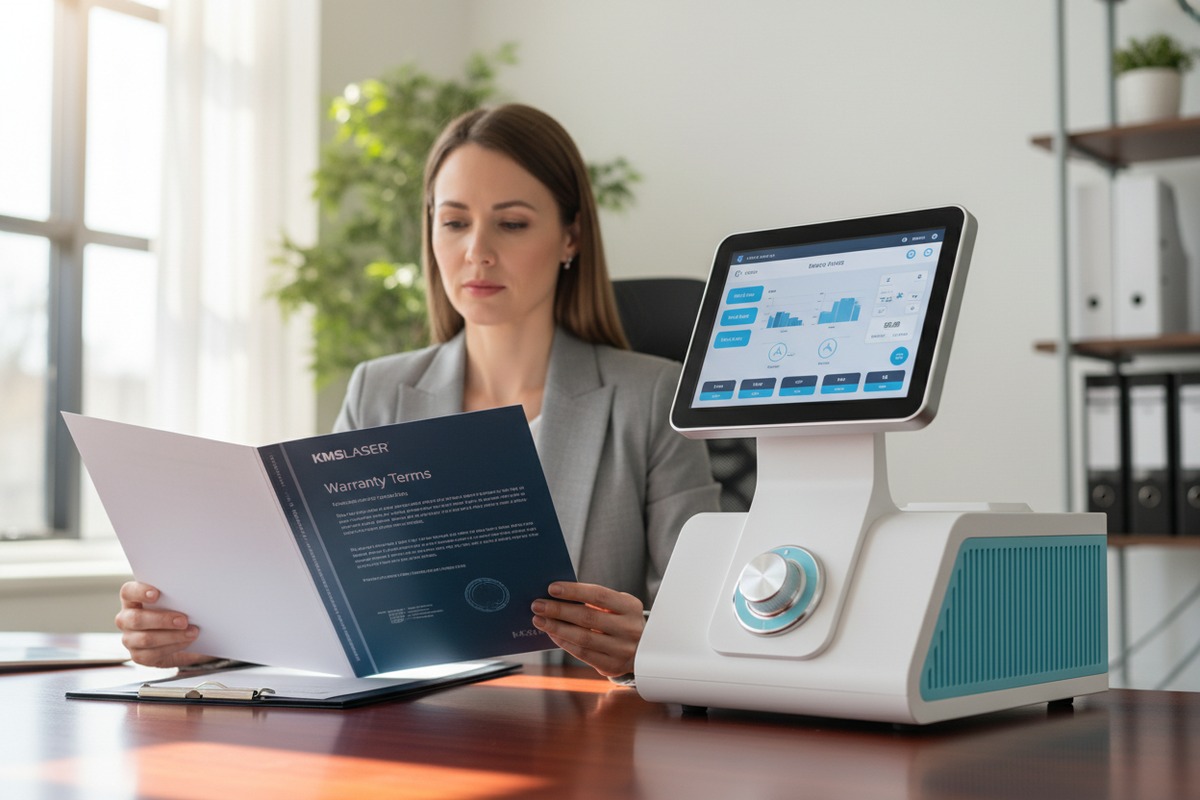
Every week, our customer service team receives calls from clinic owners who bought shockwave machines elsewhere without clear warranty terms FDA 510(k) clearance 1. They face unexpected repair bills and weeks of downtime. This frustration is avoidable with proper due diligence 2.
Yes, reputable imported shockwave therapy machine suppliers do provide warranty details. Quality exporters furnish written documentation covering component-specific durations, exclusions, claim procedures, and support timelines. However, coverage depth varies significantly between suppliers, with established manufacturers offering comprehensive breakdowns while smaller sellers provide only generic terms.
Understanding what warranty coverage actually means for your business requires looking beyond the surface quality management system 3. Let me walk you through the specific details you should expect and demand from any supplier.
What specific components are covered under my shockwave therapy machine's warranty?
When we ship machines to our US and European clients, one of the first questions they ask concerns component coverage. They want to know exactly what breaks down and what protection they have. This clarity prevents costly surprises later.
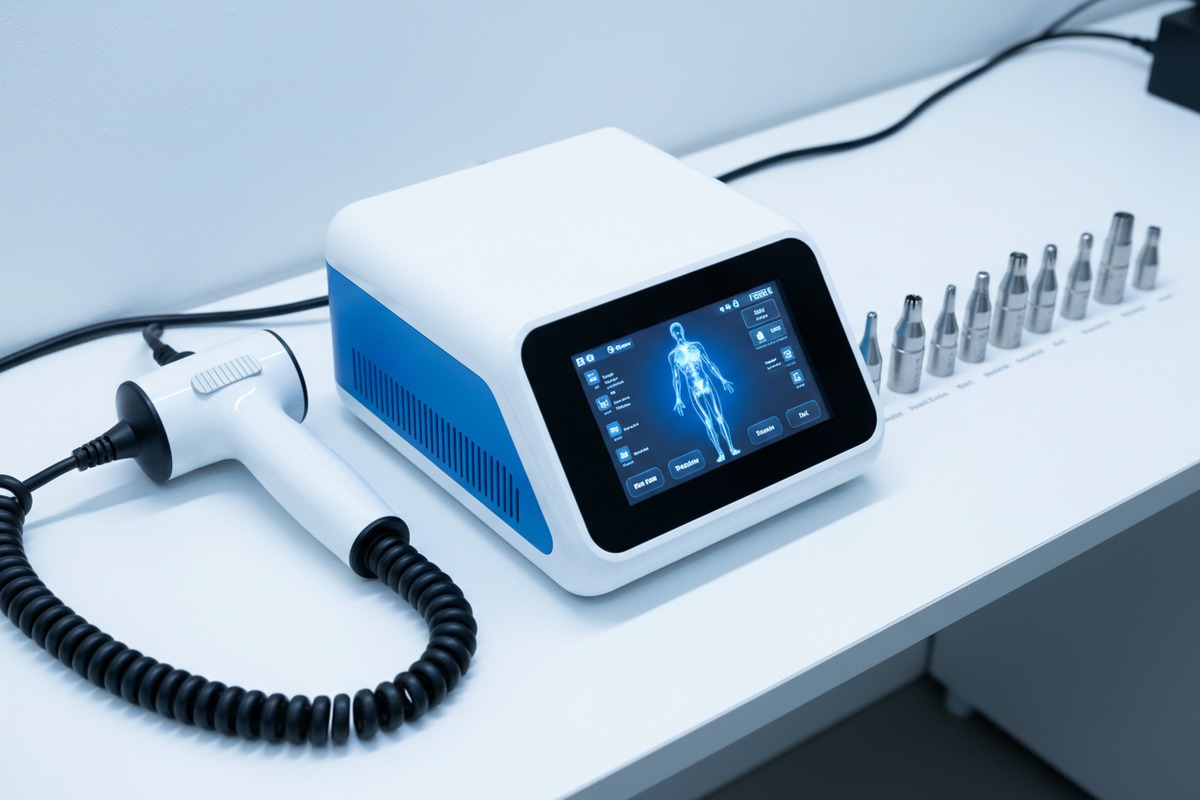
Under standard warranty agreements, main consoles typically receive 12-24 months coverage, handpieces get 12 months or pulse-based limits, power supplies carry 12-24 months protection, and cables receive 6-12 months coverage. Consumables and wear parts are usually excluded unless specified as free spares in your contract.
Understanding Component-Level Coverage
The warranty on your shockwave therapy machine is not one blanket policy. Each component has its own timeline and conditions. Our production team tests every part separately, and the warranty reflects these different failure rates.
The main control unit houses the motherboard and power supply unit. These electronic components 4 rarely fail when properly manufactured. That is why most suppliers cover them for 12-24 months. The failure rate on quality mainboards sits below 2% in the first year.
Handpieces present a different story. They experience mechanical stress 5 during every treatment session. A typical handpiece delivers millions of pulses over its lifespan. Some warranties specify 12 months regardless of use. Others cap coverage at 3.5 million pulses. You need to know which type applies to your purchase.
Standard Warranty Duration by Component
| Component | Typical Coverage Duration | Common Exclusions |
|---|---|---|
| Main Console/Mainboard | 12-24 months | Water damage, power surges |
| Power Supply Unit | 12-24 months | Improper voltage use |
| Handpiece | 12 months or 3.5M pulses | Physical damage, dropped units |
| Cables and Connectors | 6-12 months | Crushing, bending damage |
| Touchscreen Display | 12-18 months | Scratches, impact cracks |
| Consumable Tips | Not covered | All wear and tear |
What Gets Excluded
Every warranty has exclusions. Understanding these prevents disputes later. Most suppliers exclude damage from misuse, unauthorized modifications, and failure to follow operating instructions. Our technical documentation always specifies proper voltage requirements, cleaning procedures, and storage conditions.
Consumable parts 6 like applicator tips wear out naturally. No manufacturer covers these under warranty. However, some suppliers include a starter pack of spare consumables with your purchase. Ask specifically about this when negotiating your order.
Water damage voids most warranties immediately. Shockwave machines should never operate in wet environments. Power surge damage 7 from unstable electrical supply also falls outside coverage. We recommend surge protectors for every installation.
Premium vs. Standard Component Quality
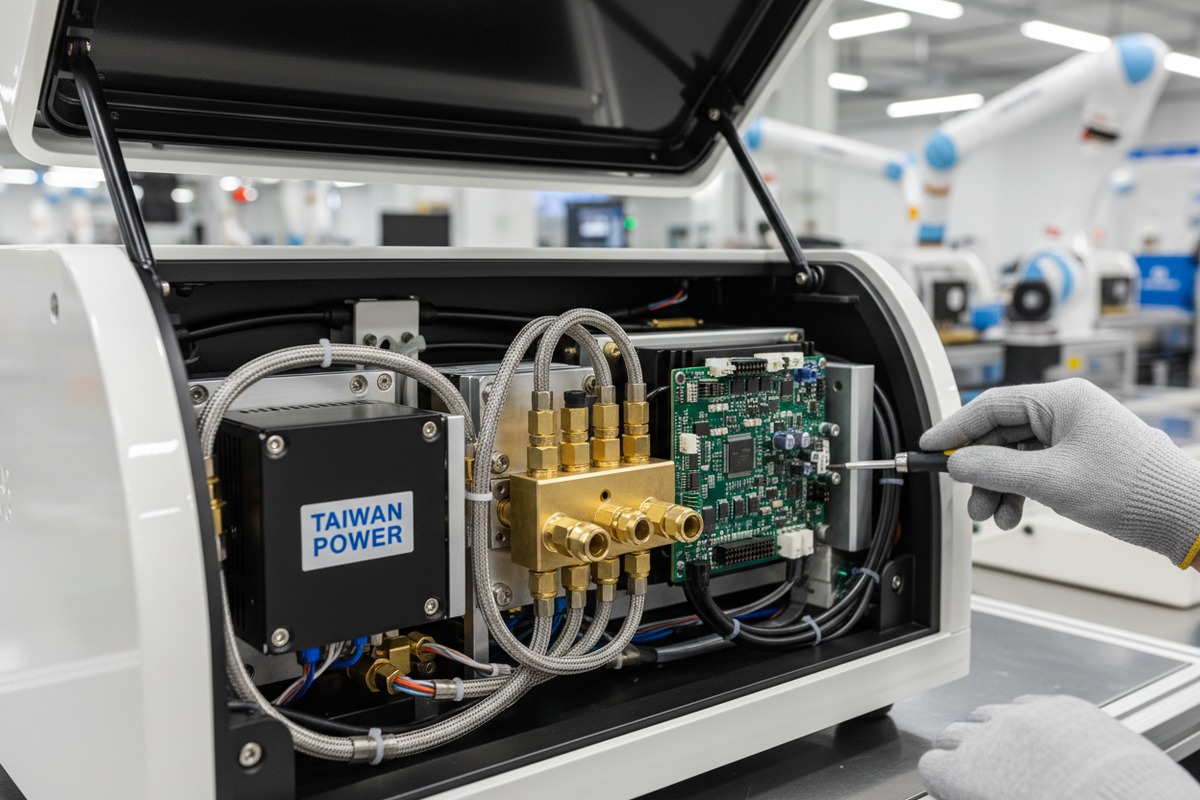
The components inside your machine affect warranty reliability. Machines built with Taiwan-manufactured power supplies and Japanese SMC valves typically experience fewer failures. This allows suppliers to offer more confident warranty terms.
When we source premium components for mid-tier machines, our claim rates drop significantly. This translates to better service for buyers. Ask your supplier about component origins. Quality parts from established manufacturers like MW (Taiwan) or SMC (Japan) indicate serious investment in reliability.
How will my supplier handle the logistics and costs if my imported machine needs repair?
Our export team handles warranty claims every month. The process matters as much as the coverage itself. A generous warranty means nothing if claim procedures take months or leave you paying hidden costs.
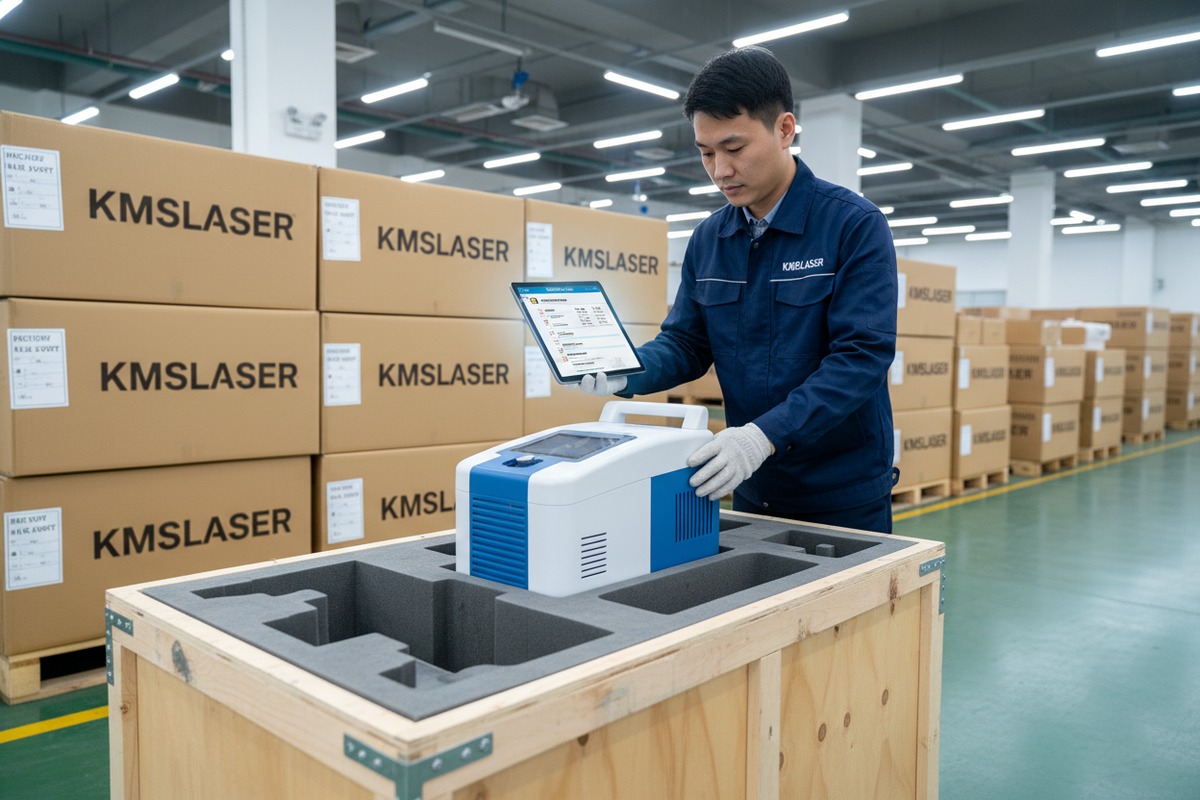
When warranty repairs are needed, reputable suppliers follow a structured process: evidence submission within 24 hours, remote diagnostics via video within 24-48 hours, authorized parts shipping within 1-3 days, and guided installation. Parts are free under warranty, but buyers typically cover inbound shipping costs while suppliers cover outbound replacement parts.
The Standard Claim Process
The claim process begins when you report an issue. Our support team asks for photos, videos, and a description of the malfunction. This evidence helps us diagnose problems remotely. We aim to respond within 24 hours during business days.
Remote diagnostics happen next. Video calls through Zoom or WhatsApp let our technicians see exactly what is happening. We guide you through basic troubleshooting steps. Many issues resolve at this stage without any parts replacement. A loose cable or incorrect setting causes many reported "failures."
If parts replacement is necessary, we authorize shipping within 1-3 business days. The replacement part ships via international courier. Transit time runs 3-7 days depending on destination. You receive installation guidance through video support.
Warranty Repair Timeline Breakdown
| Stage | Timeline | Your Responsibility | Supplier Responsibility |
|---|---|---|---|
| Issue Reporting | Day 1 | Submit photos/videos | Acknowledge receipt |
| Remote Diagnostics | 24-48 hours | Join video call | Diagnose issue |
| Part Authorization | 1-3 days | Confirm shipping address | Approve replacement |
| Parts Shipping | 3-7 days | None | Cover outbound shipping |
| Installation | Same day as receipt | Follow video guidance | Provide live support |
| Case Closure | Within 24 hours of fix | Confirm resolution | Document case |
Who Pays for What
Cost allocation during warranty claims varies between suppliers. Most established exporters cover the replacement part itself and outbound shipping to you. You typically pay to ship the defective part back if required.
Some suppliers require the faulty part returned before shipping a replacement. Others send the new part first, trusting you to return the old one afterward. Ask about this policy before purchasing. The advance replacement model minimizes your downtime.
Return-to-factory repairs present the biggest cost challenge. If remote fixes fail, you may need to ship the entire unit back to China. This process takes 2-4 weeks and shipping costs can exceed several hundred dollars. Few Chinese suppliers offer on-site service contracts, making remote-first support the standard approach.
Regional Support Variations
Support capabilities differ between suppliers based on their global presence. US and European manufacturers like Shockwave Medical maintain local service networks. They offer faster response times and on-site repairs. However, their machines cost significantly more.
Chinese exporters like ourselves prioritize remote support efficiency. We invest in video diagnostic capabilities and maintain spare parts inventory for fast shipping. Some suppliers partner with local technicians in major markets. Ask whether your supplier has service partners in your country.
Practical Tips for Faster Resolution
Document everything from day one. Keep your purchase contract, serial numbers, and all communication records. When issues arise, provide clear evidence immediately. Blurry photos or incomplete descriptions delay diagnosis.
Maintain a small spare parts inventory. Order backup cables and common wear items with your initial purchase. This reduces downtime for minor issues that do not warrant warranty claims.
Establish a direct contact with your supplier's technical team. Know their working hours considering time zone differences. Our team in Guangzhou operates on China Standard Time, meaning morning hours in the US correspond to our evening availability.
Can I negotiate a longer warranty period for my private-label shockwave equipment?
When our clients place larger orders for private-label equipment, warranty terms become negotiable. We understand that your brand reputation depends on product reliability. Extended coverage demonstrates supplier confidence and protects your downstream relationships.
Yes, warranty periods are negotiable for private-label shockwave equipment, especially on larger orders. Suppliers commonly extend standard 12-month warranties to 18-24 months for repeat customers or bulk purchases. Negotiable elements include duration extensions, loaner equipment policies, spare parts packages, and customized Incoterms for repair logistics.

What Elements Are Negotiable
Standard warranty terms serve as starting points, not fixed rules. Experienced buyers negotiate multiple aspects of their coverage. Duration extensions represent the most common request. Moving from 12 to 18 or 24 months protects your investment longer.
Parts availability agreements ensure you can source replacements for years after purchase. Some suppliers commit to maintaining spare parts inventory for 5-7 years post-production. This matters for equipment with expected lifespans exceeding the warranty period.
Loaner equipment policies provide backup machines during extended repairs. Large distributors often negotiate access to loaner units shipped within 48 hours of claim approval. This keeps their clinic customers operational during downtime.
Factors That Strengthen Your Negotiating Position
| Factor | Impact on Negotiation | Typical Improvement |
|---|---|---|
| Order Volume | High | +6-12 months extension |
| Repeat Customer Status | High | Priority parts access |
| Long-term Contract Commitment | High | Loaner equipment inclusion |
| Upfront Payment Terms | Medium | +3-6 months extension |
| Regional Exclusivity Agreement | Medium | Local parts stocking |
| Marketing Partnership | Low-Medium | Enhanced technical training |
Building a Strong Negotiation Case
Volume commitments give you leverage. When you project annual orders of 10+ units, suppliers recognize the long-term value. We offer better terms to customers who demonstrate growth potential and reliable payment history.
Payment terms affect warranty negotiations too. Buyers offering upfront payment or shorter credit terms reduce supplier risk. This financial confidence translates to extended warranty offers. Conversely, demanding extended payment terms weakens your position on warranty negotiations.
Regional exclusivity arrangements create mutual investment. When you commit to representing our brand exclusively in your territory, we commit to supporting your success with enhanced warranty terms. This partnership model aligns incentives.
Common Extended Warranty Packages
Many suppliers offer tiered warranty packages. The base package covers manufacturer defects for 12 months. Premium packages extend coverage and add services.
Extended parts coverage adds 6-12 months beyond standard terms. Preventive maintenance packages include scheduled check-ups via video call. Priority support packages guarantee response times under 12 hours rather than 24.
Some suppliers offer post-warranty service contracts. These paid agreements provide continued access to discounted parts and technical support after the warranty expires. Annual fees typically run 5-10% of the original equipment cost.
Documentation Requirements for Extended Terms
Any negotiated warranty extensions must appear in writing. Verbal promises offer no protection. Your purchase contract should specify exact durations for each component, claim procedures, and any special terms negotiated.
Request a separate warranty certificate for each unit purchased. This document should include the serial number, purchase date, warranty expiration date, and covered components. Keep digital and physical copies in secure locations.
For private-label orders, ensure the warranty documentation carries your branding requirements. Some buyers want warranty cards printed with their logo. Others prefer neutral documentation. Specify your preferences during contract negotiation.
What quality control documentation should I expect to support my warranty agreement?
Our quality team generates extensive documentation for every production batch. This paperwork does more than satisfy regulators. It provides the foundation for meaningful warranty enforcement. Without proper documentation, warranty disputes become impossible to resolve fairly.
You should expect quality control documentation including IEC 60601-1 safety compliance certificates, ISO 13485 manufacturing quality management certification, CE or FDA clearance where applicable, component-level test reports, pre-shipment inspection records, and detailed product serial number tracking. This documentation package validates warranty claims and demonstrates manufacturing standards.
Essential Certification Documents
Regulatory certifications prove your equipment meets international safety standards. IEC 60601-1 certification 8 addresses medical electrical equipment safety. This standard covers electrical hazards, mechanical risks, and radiation concerns. Any legitimate medical device exporter should provide this documentation.
ISO 13485 certification 9 demonstrates quality management system compliance. This certification shows the manufacturer maintains consistent production processes. Our facility undergoes annual audits to maintain this certification. Request a copy of your supplier's current ISO certificate.
Regional market access requires additional certifications. CE marking 10 permits European market sales. FDA 510(k) clearance or registration allows US distribution. Your warranty may become unenforceable if the equipment lacks proper certification for your market.
Quality Documentation Checklist
| Document Type | Purpose | Red Flag if Missing |
|---|---|---|
| IEC 60601-1 Certificate | Safety compliance proof | Cannot verify electrical safety |
| ISO 13485 Certificate | Quality system verification | Inconsistent manufacturing |
| CE Marking Declaration | European market access | Regulatory violations possible |
| FDA Registration | US market compliance | Import seizure risk |
| Component Test Reports | Parts quality verification | Unknown component origins |
| Final Inspection Report | Pre-shipment verification | Unverified product condition |
| Serial Number Record | Warranty tracking | Claim disputes likely |
Component-Level Documentation
Beyond certifications, detailed component documentation matters. Quality suppliers provide test reports for critical parts. Power supply output stability tests, handpiece pulse accuracy measurements, and pressure calibration records demonstrate thorough quality control.
When we assemble machines at our Guangzhou facility, each unit undergoes documented testing. The final inspection report records test results for every measurable parameter. This report ships with your equipment and supports future warranty claims.
Serial number tracking connects each unit to its production batch. If quality issues emerge, proper tracking enables targeted responses. We can identify which production run produced a problematic unit and check whether other units from that batch need attention.
How Documentation Supports Warranty Claims
Clear documentation simplifies warranty disputes. When you submit a claim with proper serial number records and original test reports, the supplier can verify the unit's production history. This verification speeds authorization for replacement parts.
Documentation also protects you against counterfeit concerns. Some markets face issues with unauthorized copies of popular equipment models. Your certification documents prove authenticity and maintain warranty validity.
Keep all documentation organized from purchase through the warranty period. Create a digital file for each unit containing certifications, test reports, and purchase records. This organization proves invaluable when issues arise.
Compliance Packs and Modern Transparency Trends
As of 2025, leading exporters ship "compliance packs" with every order. These packages bundle all relevant certifications, test reports, and quality records. Our compliance packs include component tables showing part origins and specifications.
This transparency trend reflects growing buyer sophistication. Clinic owners and distributors increasingly demand proof of quality rather than accepting marketing claims. Suppliers who provide comprehensive documentation build trust and reduce after-sales disputes.
Request sample documentation before placing your order. Any reputable supplier should share certification copies and explain their quality control procedures. Hesitation or vague responses signal potential problems with warranty enforcement later.
Conclusion
Getting proper warranty details from your shockwave therapy machine supplier is absolutely possible and entirely necessary. Request written documentation, negotiate terms appropriate to your order size, and verify quality control records before purchasing. Your business success depends on equipment reliability, and solid warranty coverage protects that investment.
Footnotes
1. Outlines the FDA’s premarket submission process for medical devices. ↩︎
2. Wikipedia provides a comprehensive definition and overview of due diligence. ↩︎
3. Defines a structured framework for achieving and maintaining product/service quality. ↩︎
4. Wikipedia offers a detailed definition and classification of electronic components. ↩︎
5. Defines mechanical stress as internal resistance from external forces. ↩︎
6. Law Insider provides a clear definition of consumable parts in an equipment context. ↩︎
7. Describes electrical surges and their potential damage to electronics. ↩︎
8. Explains the global standard for safety and performance of medical electrical equipment. ↩︎
9. Details the international standard for quality management systems in medical devices. ↩︎
10. Describes the mandatory conformity marking for products sold in the European Economic Area. ↩︎

 English
  Español de México
  Deutsch
  Français
  العربية
  Русский