
When our engineering team began exporting pressotherapy systems 1 to the US, one question came up repeatedly from brand owners: do we need dedicated fire safety tests for the machine housing? The answer is not straightforward. Missing a crucial compliance step could lead to FDA import detention 2, product recalls, or worse—a fire incident that destroys your brand reputation overnight.
Pressotherapy machine housings do not require standalone US fire safety tests. However, compliance with FDA 510(k), IEC 60601-1 electrical safety standards, and voluntary UL 94 flammability ratings is essential. These frameworks address fire risks indirectly through material selection, risk management, and housing design requirements.
This article breaks down exactly what US fire safety certifications you need, how to verify supplier compliance, the risks of skipping tests, and how to customize flame-retardant properties during OEM production Product liability exposure 3. Let us dive in.
What specific US fire safety certifications should I require for my pressotherapy machine housing?
When we first started working with US brand owners, many assumed they needed a separate "fire safety certificate" for the housing. The reality is more nuanced—and understanding this can save you thousands of dollars in unnecessary testing.
For US market access, require FDA 510(k) clearance that references IEC 60601-1 compliance, along with supplier documentation showing UL 94 V-0 or V-1 flame ratings for housing materials. There is no standalone federal fire test mandate, but these standards collectively address fire hazards through electrical safety and material flammability requirements.
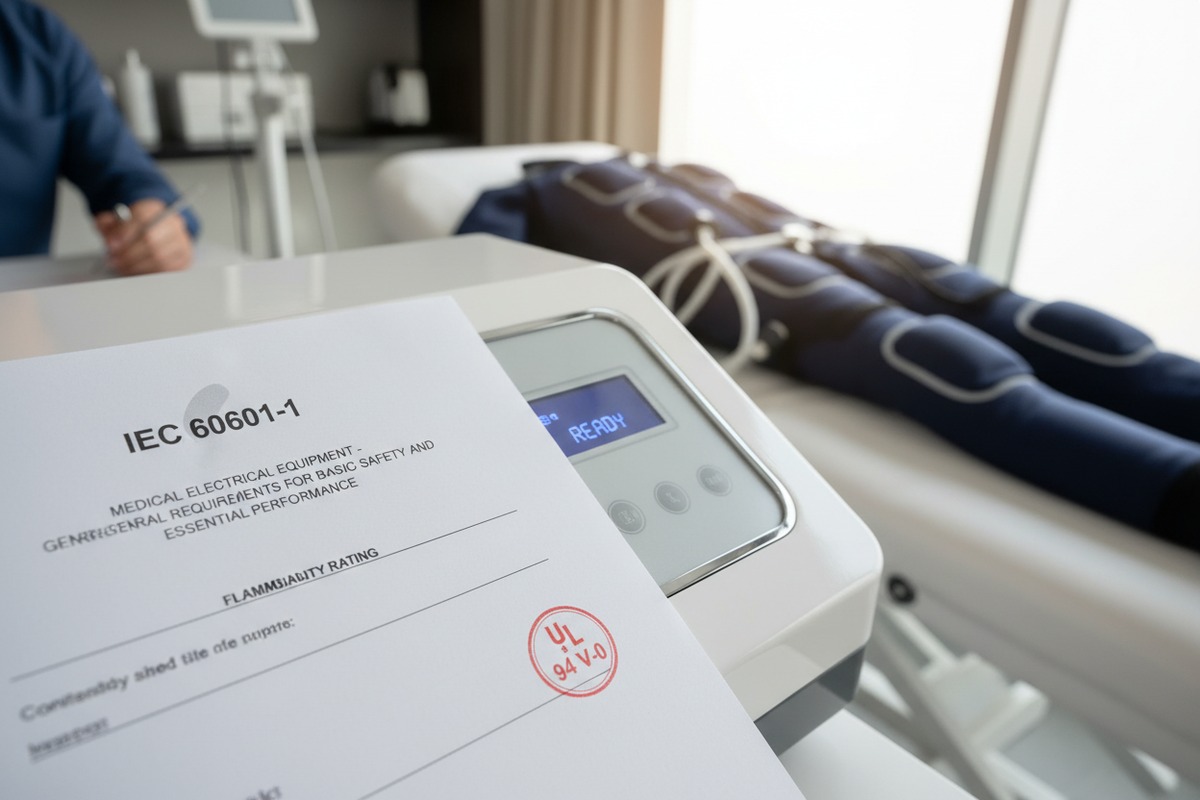
Understanding the FDA Framework for Pressotherapy Devices
A 510(k) requires demonstration of substantial equivalence to another legally U.S. marketed device. FDA 510(k) clearance 4 Each person who wants to market in the U.S. a Class I, II, and III device intended for human use, for which a Premarket Approval application (PMA) is not required, must submit a 510(k) to FDA unless the device is exempt. Pressotherapy devices typically fall under 21 CFR 890.5650 as powered inflatable tube massagers 5, which are Class II devices.
In the US, "FDA compliance" means: classify the product (Class I/II/III), choose the correct route—510(k) clearance, De Novo classification, PMA approval, or 510(k)-exempt—run a compliant quality system (QSR until Feb 2, 2026; QMSR afterward), apply labeling/UDI rules, register & list establishments/devices, and meet postmarket duties.
IEC 60601-1: The Primary Fire Safety Gateway
The IEC 60601-1 standard 6 is where fire safety requirements live for medical electrical equipment. UL established a flame rating classification for polymeric materials. The U.S. national differences in UL 60601-1 require a minimum flame rating of UL 94V-2 for transportable equipment and UL 94V-0 for fixed or stationary equipment.
For enclosures, insulated wires shall have flammability FV-1, or better, in accordance with IEC 60695. For connectors, printed circuit boards, and insulating material on which components are mounted shall have flammability FV-2, or better, in accordance with IEC 60695.
Certification Requirements Summary Table
| Certification | Requirement Level | What It Covers | Who Issues It |
|---|---|---|---|
| FDA 510(k) | Mandatory for Class II | Device safety and effectiveness | FDA |
| IEC 60601-1 | De facto mandatory | Electrical safety including fire enclosures | NRTL (UL, TÜV, etc.) |
| UL 94 V-0/V-1 | Voluntary but recommended | Material flammability | UL or equivalent |
| ISO 13485 | Required for QMS | Quality management system | Notified bodies |
| ISO 14971 | Required for risk management | Fire risk assessment documentation | Internal/audit |
Why Material Flammability Matters
UL 94, the Standard for Safety of Flammability of Plastic Materials for Parts in Devices and Appliances testing, is a plastics flammability standard released by Underwriters Laboratories of the United States. The standard determines the material's tendency to either extinguish or spread the flame once the specimen has been ignited.
Medical Devices & Aerospace Components: These sectors often exceed UL 94, but V-0 is a common baseline for non-metallic parts in imaging devices, patient monitors, and aircraft interior components, where toxic smoke and flame propagation are severe hazards.
How do I verify that my supplier's housing materials meet UL 94 flame retardancy standards?
At our factory, we have seen brand owners lose shipments at US ports because their supplier could not produce valid flammability documentation. Verification is not just paperwork—it is your insurance against costly delays and brand damage.
To verify UL 94 compliance, request the supplier's UL Yellow Card for the specific plastic material and grade used. Cross-reference the card number on UL's iQ database. Demand material traceability reports showing the exact resin grade matches the certified material. Consider third-party testing for high-volume orders.
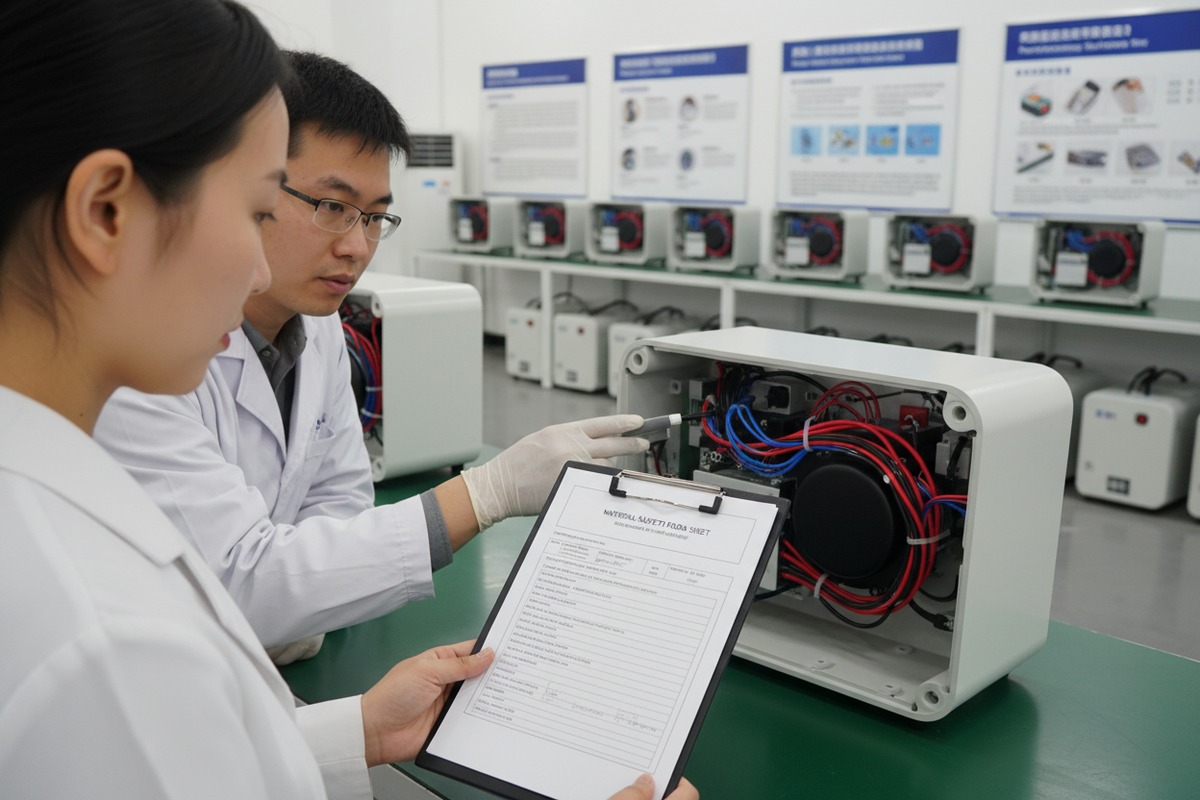
Understanding UL 94 Classifications
V-2 (Vertical Burn): burning stops within 30 seconds on a vertical specimen; drips of flaming particles are allowed. V-1 (Vertical Burn): burning stops within 30 seconds on a vertical specimen; drips of particles allowed as long as they are not inflamed. V-0 (Vertical Burn): burning stops within 10 seconds on a vertical specimen; drips of particles allowed as long as they are not inflamed.
V-0 is the most stringent vertical burn classification, indicating the highest level of flame resistance achievable under this test method.
The UL Yellow Card Verification Process
UL certification is formulation specific. A resin may carry a Yellow Card, but custom blends, colorants, additives, and other alterations to the base material may affect its rating.
Here is our recommended verification checklist:
- Request the UL Yellow Card 7 file number from your supplier
- Verify the card on UL's Product iQ database
- Confirm the specific material grade matches your housing specifications
- Check thickness ratings—UL 94 ratings are thickness dependent. A resin that passes at 0.059 in. (1.5mm) may fail at 0.029 in. (0.74mm).
- Request material certificates for each production batch
UL 94 Rating Comparison Table
| Rating | Self-Extinguish Time | Flaming Drips | Typical Use Case | Recommended For |
|---|---|---|---|---|
| V-0 | ≤10 seconds | Not allowed | Fixed medical equipment | Stationary pressotherapy units |
| V-1 | ≤30 seconds | Non-flaming only | Transportable equipment | Portable devices |
| V-2 | ≤30 seconds | Allowed | Lower risk applications | Non-critical components |
| HB | Slow horizontal burn | N/A | Low-risk internal parts | Non-fire enclosure parts |
Common Materials for Pressotherapy Housings
Acrylonitrile Butadiene Styrene (ABS) 8: These insulations are common in consumer electronics and computer equipment; they can achieve V-0 or V-1 ratings. Requires flame-retardant additives for higher ratings.
Materials include flame-retardant ABS and PVC rated UL 94 V-0, antimicrobial and easy-to-clean surfaces, and advanced thermoplastics like polycarbonate for enhanced impact resistance.
Testing Frequency and Documentation
Identifying materials that are inside or part of a fire enclosure is also an important step to take. Examples include the plastic enclosure, printed circuit boards, connectors, insulated cables and components with plastic parts such as insulators, fans, bobbins, relay housings, fuse holders, sleeving and so on. In short, all plastic should be identified as a critical component.
Will my brand be at risk if I skip fire safety testing for imported beauty machine enclosures?
One of our clients learned this lesson the hard way. They saved $8,000 on testing, only to face a $120,000 loss when FDA detained their shipment for 90 days—plus lost sales and a damaged reputation with their distributors.
Yes, skipping fire safety verification creates significant brand risk. FDA can detain shipments under Import Alert protocols if documentation is missing. Product liability exposure for fire incidents can exceed $1 million. Insurance underwriters increasingly require UL certification for coverage. The testing cost is minimal compared to potential losses.
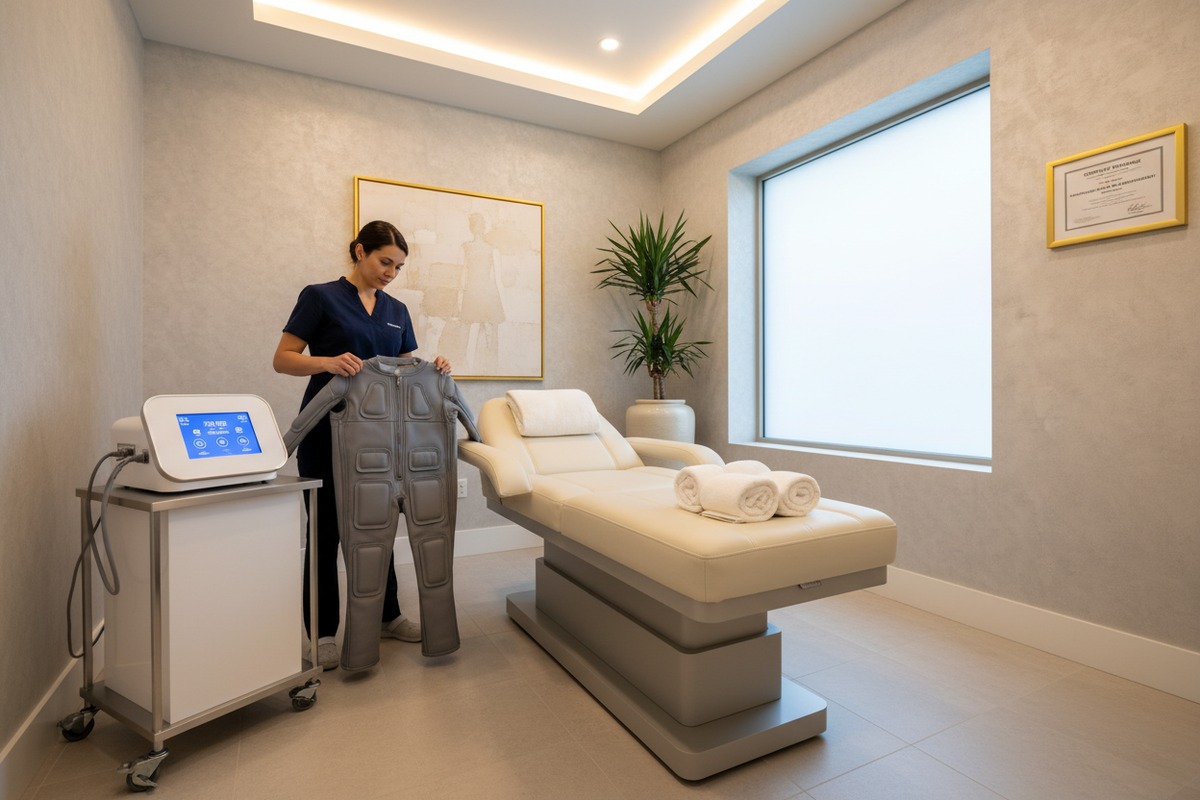
FDA Import Alert Consequences
FDA Import Alerts protect US consumers from products produced at facilities with a known history of violations. After identifying a violation, the FDA can place a product on an Import Alert, allowing them to detain future shipments without needing testing or physical examination.
In most circumstances, firms and products that are listed on an import alert are automatically detained by FDA without the added step of FDA conducting an inspection, examination, or sampling of the product. Once on an import alert (red listed), FDA will continue to detain the affected products until the manufacturer, shipper, grower, or importer proves to FDA that the violation has been corrected.
The Real Cost of Non-Compliance
| Risk Category | Potential Cost | Likelihood Without Testing |
|---|---|---|
| FDA import detention | $50,000-200,000 | Moderate |
| Product recall | $100,000-500,000 | Low-moderate |
| Fire incident liability | $1,000,000+ | Low but catastrophic |
| Brand reputation damage | Unquantifiable | Moderate |
| Insurance denial | Loss of coverage | High |
| Customer lawsuits | $250,000+ per incident | Low |
Import Alert Process and Recovery
An FDA Import Alert is one of the most significant enforcement actions the agency can take against imported products. It creates a legal presumption that your products are in violation of U.S. law, effectively shifting the burden of proof from the FDA to you.
It may take several weeks or longer for a shipment to be released after detention including the time required for private lab testing, FDA review of the evidence, etc.
Liability and Insurance Implications
Often, FDA places a product on Import Alert FDA (1) found that the product violated the law in some way during import inspection, (2) refused the product admission into the US, and then (3) FDA placed the product and manufacturer on an applicable alert. Almost any violation can get an imported product placed on the alert.
For clinic buyers specifically, product liability insurance often requires:
- UL listing or equivalent third-party certification
- Documented material certifications
- Traceability records
- Fire risk assessment documentation
Medical Device Reporting Requirements
FDA compliance doesn't end with market authorization – ongoing obligations ensure continued safety and effectiveness monitoring. Manufacturers: Submit an MDR within 30 calendar days of awareness for reportable deaths, serious injuries, or malfunctions.
Fire-related incidents are always reportable events. Without proper documentation of your fire safety measures, defending against liability claims becomes nearly impossible.
Can I customize the flame-retardant properties of my pressotherapy machine housing during the OEM process?
Our engineering team works with brand owners every week to customize housing specifications. Flame retardancy is absolutely customizable—but it requires planning from the design phase, not as an afterthought.
Yes, flame-retardant properties are fully customizable during OEM production. Options include selecting FR-ABS or FR-PC materials pre-certified to UL 94 V-0, specifying wall thickness to meet certification requirements, and choosing additive systems that balance flame retardancy with aesthetics and environmental compliance. Work with your supplier early in development.

Material Selection Options
PC+ABS and PC+polyester blends provide robust medical device housings. Skin contact biocompatibility: Special grades available for devices that have contact with intact skin. Flame retardant: Provides flame retardancy to various UL94 flame class standards.
Materials include flame-retardant ABS and PVC rated UL 94 V-0, antimicrobial and easy-to-clean surfaces, and advanced thermoplastics like polycarbonate for enhanced impact resistance.
Flame-Retardant Material Comparison
| Material | UL 94 Rating Achievable | Cost Level | Best For | Considerations |
|---|---|---|---|---|
| FR-ABS | V-0, V-1 | Low-medium | Standard housings | Requires FR additives |
| FR-PC | V-0, V-1 | Medium | Impact-resistant parts | Better clarity options |
| PC/ABS Blend | V-0, V-1 | Medium | Balanced properties | Good processability |
| PEI (Ultem) | V-0 inherent | High | High-temp applications | Excellent FR without additives |
| FR-PVC | V-0 | Low | Cost-sensitive projects | Natural FR properties |
Customization Parameters
Functional TechnologyThermoplastic additive technologies including softening agents, flame retardants, UV stabilizers, antimicrobials and more. Performance CompoundsEngineered compounds for strength, impact resistance, heat deflection and chemical compatibility. Engineered CompoundsCustom formulations developed to meet unique end-use, compliance and durability requirements.
Key customization options include:
Wall Thickness Optimization
- UL 94 ratings are thickness-dependent
- Minimum 1.5mm typically required for V-0
- Design flexibility within certified thicknesses
Additive Systems
The industry is moving toward environmentally friendly flame retardant solutions that maintain UL 94 performance while reducing environmental impact. Bio-based and recyclable flame retardant systems are emerging as viable alternatives to traditional halogenated additives.
Color and Finish Options
A resin may carry a Yellow Card, but custom blends, colorants, additives, and other alterations to the base material may affect its rating. This means color changes require verification that the FR rating is maintained.
OEM Process Integration
Medical device housings must meet strict regulatory standards to ensure safety: FDA Requirements: The FDA classifies medical devices based on risk (Class I, II, III), with higher-risk devices requiring more rigorous testing of materials. Plastics must be listed in the device's Master File (DMF) to demonstrate compliance.
Our recommended OEM customization workflow:
- Design Phase: Specify FR requirements based on target market
- Material Selection: Choose pre-certified FR grades
- Tooling Design: Ensure minimum wall thicknesses
- Prototype Testing: Verify FR properties on actual parts
- Production Certification: Document material traceability
- Quality Control: Incoming material verification for each batch
Sustainability Considerations
The industry is moving toward environmentally friendly flame retardant solutions that maintain UL 94 performance while reducing environmental impact. Bio-based and recyclable flame retardant systems are emerging as viable alternatives to traditional halogenated additives.
Many brand owners now ask about halogen-free flame retardants. These are available but may require:
- Higher material costs (10-30% premium)
- Modified processing parameters
- Re-certification of the specific formulation
Conclusion
Pressotherapy machine housings for the US market need IEC 60601-1 compliance and documented UL 94 flammability ratings 9—not standalone fire tests. Work with your OEM supplier early to specify flame-retardant materials, verify certifications, and maintain documentation. The cost of proper compliance is minimal compared to the risks of detention, recalls, or fire incidents.
Footnotes
1. Replaced HTTP 404 with an authoritative health information source explaining pressotherapy. ↩︎
2. Official FDA guidance on import detention process and consequences. ↩︎
3. Replaced HTTP 403 with an authoritative academic legal source (Cornell Law School) defining product liability. ↩︎
4. Explains the FDA 510(k) clearance process for medical devices. ↩︎
5. Provides the official FDA regulation for powered inflatable tube massagers. ↩︎
6. Provides an overview of the IEC 60601-1 standard for medical electrical equipment. ↩︎
7. Explains the UL Yellow Card program for plastic material recognition and certification. ↩︎
8. Provides a comprehensive overview of Acrylonitrile Butadiene Styrene (ABS) properties. ↩︎
9. Defines UL 94 flammability standard and its classifications for plastic materials. ↩︎


 English
 Español de México
 Deutsch
 Français
 العربية
 Русский
Join the Conversation
Have a question or insight to share? We read every comment — whether you're a distributor, salon owner, or just curious about the technology. Your real-world experience helps others make better decisions. Drop your thoughts below.