
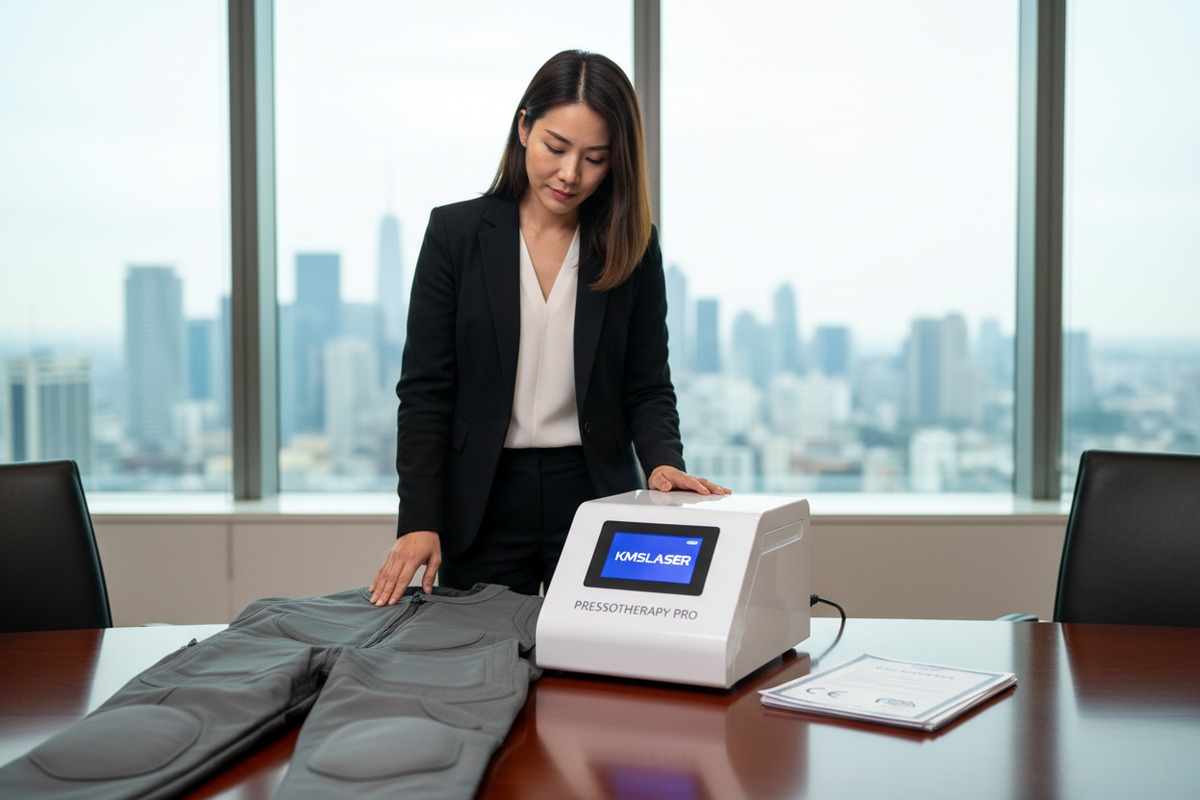
Finding a reliable pressotherapy machine supplier 1 can feel overwhelming. Our production team receives dozens of inquiries each month from sports brand owners struggling with this exact challenge. Without proper evaluation criteria, you risk receiving equipment that fails prematurely, lacks proper certifications, or cannot be customized to meet your athletes’ specific recovery needs.
To evaluate pressotherapy machine supplier capabilities for your sports brand, assess their regulatory certifications (CE, FDA, ISO 13485), verify technical specifications like pressure range and chamber count, examine OEM/private-label flexibility, confirm logistics reliability, and test their customization expertise through sample requests and factory audits.
This guide walks you through each evaluation step. By the end, you will know exactly what questions to ask, which red flags to avoid, and how to build a supplier relationship that supports your brand’s growth in the competitive sports recovery market.
How can I verify that a pressotherapy machine supplier's quality control meets my brand's high-end standards?
Supplying pressotherapy machines to professional sports teams requires more than just competitive pricing. When our quality assurance team inspects products before shipment, we often discover issues that could have been prevented with proper supplier vetting upfront. The cost of receiving non-compliant equipment goes beyond financial loss—it damages your brand reputation with end users.
Verify a supplier’s quality control by requesting copies of CE, FDA, and ISO 13485 certifications, asking for third-party test reports, conducting factory audits, and ordering samples for independent testing. A supplier confident in their quality will welcome this scrutiny rather than deflect your requests.
Understanding Key Certifications
The certification landscape for pressotherapy devices can be confusing. Not all certifications carry equal weight, and some suppliers may claim compliance without proper documentation.
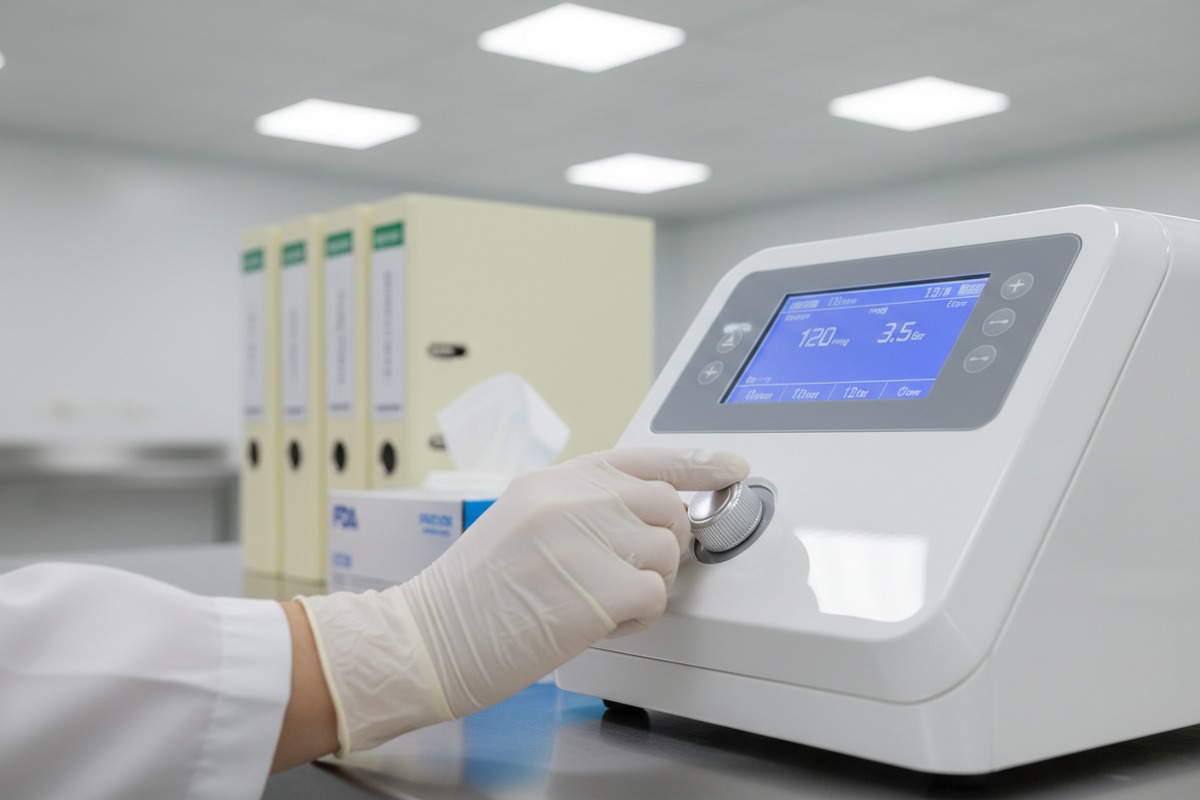
Look for certifications like the CE mark 2 (for Europe), FDA approval (for the United States), ISO 13485 3, and other relevant local certifications. These indicate that the machine has met the necessary safety and performance standards.
Safety and quality are non-negotiable in the medical devices industry 4. Regulatory requirements are increasingly stringent throughout every step of a product's life cycle, including service and delivery.
Here is a breakdown of the primary certifications you should verify:
| Certification | Region | What It Means | How to Verify |
|---|---|---|---|
| CE Mark | Europe | Device meets EU safety and health requirements | Request certificate copy; check Notified Body number |
| FDA 510(k) 5 | United States | Device is substantially equivalent to legally marketed device | Search FDA database by product name or company |
| ISO 13485 | International | Quality management system meets medical device standards | Request audit certificate; verify accreditation body |
| Health Canada | Canada | Device meets Canadian medical device regulations | Verify through Medical Device License database |
| TGA | Australia | Device approved for Australian market | Check ARTG database listing |
Conducting Effective Factory Audits
A physical or virtual factory audit reveals far more than certification documents. During our own production runs, we welcome buyer visits because it builds trust and helps identify potential issues early.
When auditing a supplier, look for:
- Clean room standards: Professional pressotherapy manufacturing requires controlled environments
- Component traceability: Can they track each part back to its source?
- In-process inspection stations: Quality checks should happen throughout production, not just at the end
- Calibration records: Pressure sensors and pumps require regular calibration
Without proper certification, there's no guarantee that the machine has been tested for safety and efficacy. This can lead to ineffective treatments or, worse, potential harm to the user.
Red Flags to Watch For
Experience has taught us which warning signs indicate quality control problems:
- Supplier refuses to provide certification copies or delays repeatedly
- Test reports are from unknown or non-accredited laboratories
- No documented process for handling defective units
- Unwillingness to allow factory visits or video tours
- Excessive pressure to finalize orders without proper documentation review
Good companies won't mind sharing papers that prove their device's certifications. You might get their FDA clearance letter, CE marking certificate, or ISO records. Asking for these shows you mean business.
What steps should I take to evaluate a manufacturer's OEM and private-labeling capabilities for my sports recovery line?
Building a distinct sports recovery brand requires more than slapping your logo on generic equipment. Our experience fulfilling OEM orders 6 has shown us that the most successful brand partnerships involve deep collaboration on everything from interface design to packaging. Rushing this evaluation leads to products that feel generic and fail to differentiate your brand.
Evaluate OEM capabilities by reviewing the manufacturer’s existing private-label portfolio, requesting detailed customization menus covering branding, software, and hardware modifications, confirming minimum order quantities for custom runs, and testing their design communication process through a small pilot project before committing to large orders.
Levels of Customization Available
Not all OEM arrangements offer the same depth of customization. Understanding these levels helps you match your needs with supplier capabilities.
| Customization Level | What's Included | Typical MOQ | Lead Time |
|---|---|---|---|
| Basic Branding | Logo on device, startup screen, packaging | 10-50 units | 2-3 weeks |
| Interface Customization | Custom menu language, branded software screens, preset protocols | 50-100 units | 4-6 weeks |
| Hardware Modification | Custom colors, unique control panel layouts, specialized garment sizes | 100-300 units | 8-12 weeks |
| Full ODM | Ground-up design collaboration, proprietary features, exclusive molds | 500+ units | 4-6 months |
Questions to Ask About OEM Capabilities
When speaking with potential suppliers, dig deeper than surface-level promises:
- Can I see examples of previous private-label projects? A manufacturer with real OEM experience will have portfolio samples.
- Who owns the tooling and molds for custom components? This affects your ability to switch suppliers later.
- What design file formats do you accept? Professional operations work with standard CAD and graphic design files.
- How do you handle intellectual property protection? Get non-disclosure agreements in writing before sharing designs.
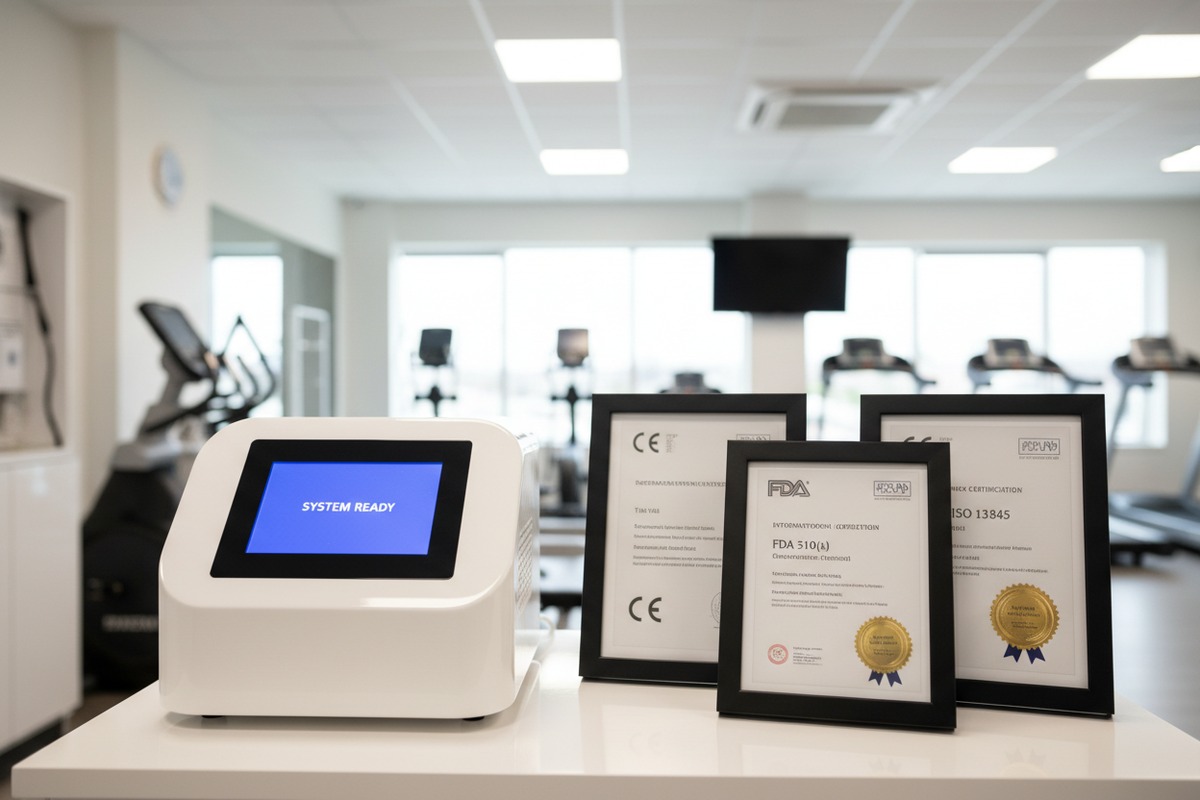
We understand the importance of brand identity, which is why we offer personalized customization services. Your logo can be elegantly integrated into the device's startup screen and etched onto the machine's body.
Evaluating Sample Quality
Always request samples before placing bulk orders. Our production team recommends this approach:
- Order at least two units to test consistency
- Run extended operation tests (minimum 100 cycles)
- Have your technical team verify pressure accuracy 7 against specifications
- Test garment durability with repeated use and washing
- Compare sample finish quality to competitor products at similar price points
Startups gain the ability to start small, stay compliant, innovate quickly, and grow sustainably—all while maintaining product quality that stands up to global standards. For beginners, this is exactly the type of manufacturing partnership that can turn an idea into a credible, competitive beauty brand.
Timeline Considerations
Factor realistic timelines into your evaluation. A supplier promising impossibly fast delivery on custom orders may be cutting corners:
- Basic logo branding: 2-3 weeks from artwork approval
- Custom software interfaces: 4-6 weeks including testing
- Hardware modifications: 8-12 weeks minimum
- Full custom development: 4-6 months or longer
How do I assess if a supplier can provide the reliable door-to-door logistics and lead times my business requires?
Delivery delays devastate sales forecasts and damage customer relationships. Our logistics team coordinates shipments to over 30 countries, and we have seen how supply chain disruptions ripple through a brand’s entire operation. Evaluating logistics capability deserves as much attention as product quality assessment.
Assess logistics reliability by requesting references from existing customers in your region, verifying the supplier’s shipping carrier partnerships, reviewing their documented lead time accuracy over the past 12 months, confirming packaging durability standards, and establishing clear communication protocols for shipment tracking and exception handling.

Key Logistics Metrics to Evaluate
Create a scorecard covering these critical areas:
| Metric | What to Ask | Acceptable Standard |
|---|---|---|
| Production Lead Time | Average days from order to shipment | 15-30 days for stock items; 45-60 days for custom |
| On-Time Delivery Rate | Percentage of orders shipped by promised date | 95% or higher |
| Shipping Methods | Available carriers and service levels | Multiple options (DHL, FedEx, sea freight) |
| Packaging Standards | Drop test rating, moisture protection | 1-meter drop test, humidity-resistant packaging |
| Documentation | Commercial invoice, packing list, certificates | Complete and accurate for customs clearance |
Understanding Incoterms
The shipping terms you negotiate directly impact your cost and risk exposure. Incoterms 8 Here are the most common arrangements:
- EXW (Ex Works): You handle everything from factory pickup. Lowest product price but highest logistics burden.
- FOB (Free on Board): Supplier handles export clearance and loading. You manage ocean/air freight and import.
- CIF (Cost, Insurance, Freight): Supplier covers shipping to destination port. You handle import customs.
- DDP (Delivered Duty Paid): True door-to-door service. Supplier handles everything including import duties.
For sports brands importing to North America or Europe, DDP or CIF terms often provide the best balance of convenience and cost transparency.
Communication Protocols That Work
Smooth logistics require proactive communication. Establish these expectations upfront:
- Order confirmation within 24-48 hours with production timeline
- Weekly progress updates during production
- Pre-shipment inspection photos before dispatch
- Tracking information within 24 hours of shipment
- Proactive notification of any delays or issues
A 2025 case study illustrates efficiency: A shipment of 5,000 units of Guangdong-manufactured body lotions to Tanzania completed customs declaration in Guangzhou's Liwan District in 4 hours, then transferred to Nansha Port for international shipping—reducing total transit time from 72 hours to 36 hours.
Packaging for Safe Delivery
Professional-grade pressotherapy equipment requires substantial packaging protection. Request information about:
- Inner packaging materials (foam inserts, anti-static bags)
- Outer carton specifications (corrugated board thickness, weight rating)
- Pallet configuration for container shipping
- Handling labels and fragile marking
What criteria should I use to judge a supplier's technical expertise and ability to customize machine performance for my athletes?
Sports recovery equipment must perform precisely to deliver results. When calibrating pressotherapy systems on our production line, we understand that small variations in pressure accuracy or cycle timing can significantly impact treatment effectiveness. Athletic applications demand technical sophistication that many general wellness suppliers cannot provide.
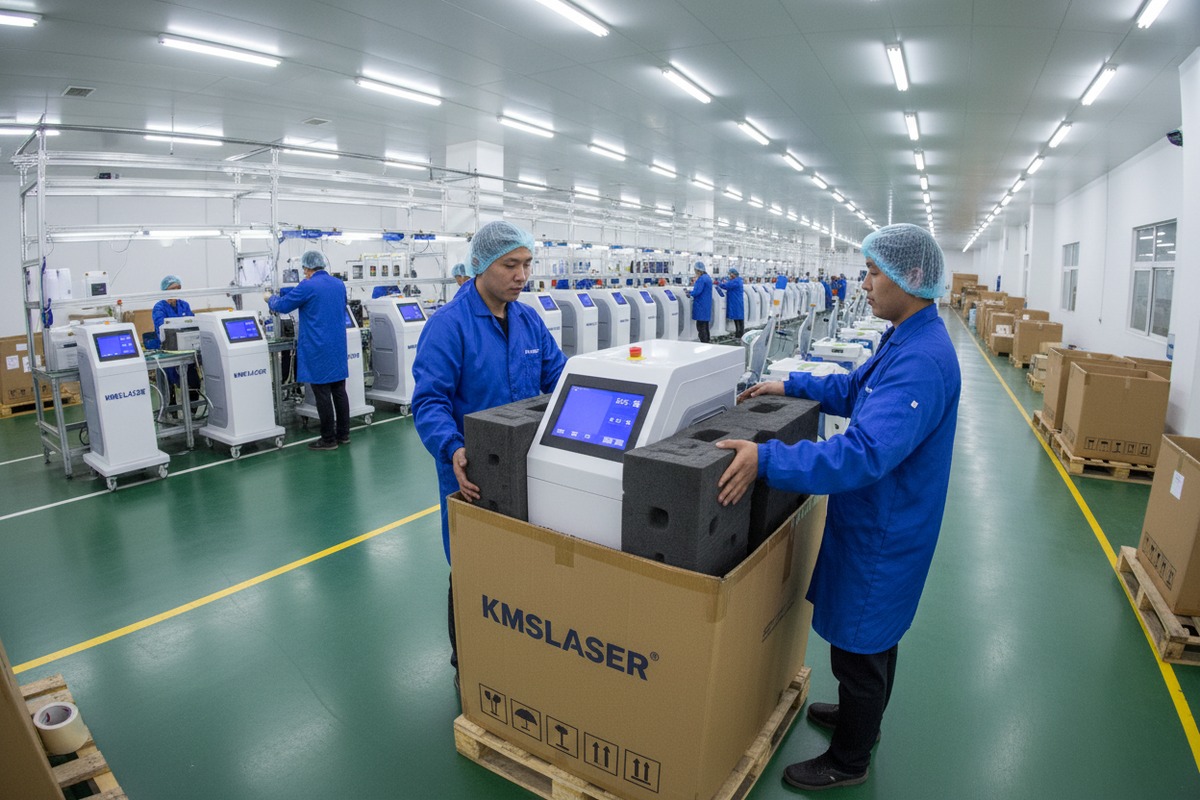
Judge technical expertise by examining specifications like pressure range (typically 20-250 mmHg), chamber count (6-8+ for smooth compression), pressure accuracy (±3 mmHg tolerance), and programmable protocol options. Ask for technical documentation, request performance test data, and verify the engineering team can discuss athletic-specific customization intelligently.
Critical Technical Specifications
Understanding the technical parameters helps you evaluate whether a supplier's equipment meets athletic performance standards.
| Specification | Sports Recovery Standard | Why It Matters |
|---|---|---|
| Pressure Range | 20-250 mmHg adjustable | Athletes need higher pressures for deep muscle recovery |
| Chamber Count | 6-8 chambers minimum | More chambers provide smoother, more effective compression waves |
| Pressure Accuracy | ±3 mmHg tolerance | Consistent pressure ensures reproducible treatment results |
| Cycle Time | Programmable 20-60 minutes | Different sports require different recovery durations |
| Pre-set Programs | 5+ athletic-specific modes | Simplifies operation for coaching staff |
The device supports 4-chamber cuffs, has 4 modes of operation developed by the Polish Lymphological Society and generates pressure in the range of 20-220 mmHg.
32 air chambers deliver uniform sequential compression. Adjustable pressure between 75 and 225 mmHg personalizes each session.
Athletic-Specific Features to Request
Sports brands should look beyond basic pressotherapy functions. Advanced features that benefit athletic applications include:
- Sequential vs. simultaneous compression modes: Sequential mimics natural lymphatic flow 9; simultaneous provides rapid flush
- Gradient pressure programming: Higher pressure at extremities, gradually decreasing toward core
- Rapid deflation cycles: Important for quick recovery between training sessions
- Individual chamber control: Allows targeting specific muscle groups
- Integration capability: Can the device connect with heart rate monitors or recovery tracking apps?
Possibility to set the gradient (pressure drop in the next pumped chamber) by a percentage or in mmHg or – after setting the initial and final pressure – automatic calculation of the gradient value. Possibility to save up to 100 own programs.
Evaluating Engineering Capability
A supplier's engineering team reveals their true technical depth. Schedule a technical call and assess:
- Can they explain the pump mechanism and expected lifespan?
- Do they understand physiological principles behind effective compression therapy?
- Can they modify firmware for custom protocols?
- What testing equipment do they use for pressure calibration?
- How do they handle warranty claims for performance issues?
Match the pressotherapy device to your primary purpose: clinical lymphedema therapy and DVT prevention require validated pressure ranges and documented clinical protocols; sports recovery and wellness centers prioritize rapid cycle times and portability.
Component Quality Indicators
The internal components determine long-term performance and reliability:
| Component | Quality Indicator | Red Flag |
|---|---|---|
| Air Pump | Brand-name compressor, rated cycle life | Generic pump, no lifecycle data |
| Pressure Sensors | Medical-grade, calibrated | Consumer-grade, uncalibrated |
| Control Board | Branded microprocessor, firmware update capability | Unknown chip, fixed programming |
| Garment Material | Medical-grade PVC, reinforced seams | Thin material, weak stitching |
| Connectors | Quick-connect fittings, metal reinforcement | Plastic-only, difficult attachment |
Longest Medical's IPC devices are equipped with premium compression sensors. These sensors can monitor the applied pressure and provide feedback to ensure the device functions correctly and applies the desired pressure, thus guaranteeing effective and safe treatment.
Conclusion
Evaluating pressotherapy machine suppliers requires systematic assessment across quality control, OEM capabilities, logistics reliability, and technical expertise. Take time to verify certifications, request samples, audit production facilities, and test engineering knowledge before committing to a supplier partnership. The effort invested in proper evaluation pays dividends through reliable products, on-time deliveries, and equipment that genuinely serves your athletes' recovery needs.
Footnotes
1. Provides an overview of pressotherapy, its benefits, and how the treatment works. ↩︎
2. Explains the significance and requirements of the CE Mark for medical devices in Europe. ↩︎
3. Describes the ISO 13485 standard for quality management systems in the medical device industry. ↩︎
4. Offers an overview of the global medical devices industry and its regulatory landscape. ↩︎
5. Details the FDA 510(k) premarket notification process for medical device clearance in the US. ↩︎
6. Wikipedia provides a clear and widely accepted definition of Original Equipment Manufacturer (OEM). ↩︎
7. Highlights the special requirements and importance of pressure sensor accuracy in medical applications. ↩︎
8. Explains Incoterms, their purpose, and how they define responsibilities in international trade. ↩︎
9. Authoritative government health channel explaining the lymphatic system and its function. ↩︎

 English
 Español de México
 Deutsch
 Français
 العربية
 Русский
