

When our production team first started developing pressotherapy machines 1 for educational institutions, we quickly learned that the equipment itself was only half the equation. Beauty schools kept asking about training materials, curriculum alignment, and instructor support educational standards 2. Without a comprehensive curriculum, even the best machine becomes a dust collector in the classroom.
To compare supplier curriculums effectively, beauty schools should evaluate five key areas: alignment with educational standards, technical specification relevance, interface customization options, quality control documentation, and ongoing support structures. Request sample training materials, verify accreditation status, and check references from existing institutional clients before committing.
This guide breaks down exactly what to look for when evaluating pressotherapy suppliers for your beauty school. We will cover training material assessment, technical specifications, customization capabilities, and quality control evidence. Let us dive in.
How can I evaluate if a supplier's training materials align with my beauty school's educational standards?
Misaligned training materials create chaos in the classroom. Our team has seen schools struggle with generic supplier content that does not match their existing lesson plans. The result is wasted time, confused students, and frustrated instructors.
Evaluate alignment by comparing the supplier’s curriculum scope against your accreditation requirements. Check whether their materials cover foundational anatomy, equipment operation, safety protocols, and practical assessments. Request sample modules and verify instructor credentials. Accredited programs with CPD recognition typically meet higher educational standards.

Understanding Core Curriculum Components
A strong pressotherapy curriculum covers specific foundational areas. Your supplier should provide detailed instruction on lymphatic and circulatory system anatomy 3. Students need to understand why pressotherapy works before they operate any equipment.
Equipment mastery comes next. The curriculum should explain machine variations, tubing systems, pressure range 4s, and program modes. Our engineers always recommend that training covers specific device models, not just generic principles. Generic training leaves gaps when students face real machines.
Clinical screening and safety training is non-negotiable. Students must learn contraindication identification, client assessment protocols, and consent procedures. Inadequate safety training creates liability for your school.
Curriculum Depth Comparison Table
| Curriculum Level | Typical Hours | Coverage Scope | Best For |
|---|---|---|---|
| Entry-Level | 4-40 hours | Basic operation, essential protocols | Adding pressotherapy to existing programs |
| Intermediate | 40-100 hours | Anatomy, physiology, multiple applications, practical assessment | Most beauty schools |
| Advanced/Specialist | 100+ hours | Case studies, extended assignments, instructor preparation | Signature program development |
Accreditation and Certification Matters
Ask your supplier directly: Is this certification CPD accredited 5? Is it recognized by professional beauty therapy bodies? Accreditation adds credibility and may be required for graduates to practice in regulated markets.
Written examinations should assess theoretical knowledge. Practical observation should include supervised treatment delivery. Some advanced certifications require case studies or substantial written assignments. These demonstrate deeper knowledge integration.
Delivery Format Options
Suppliers offer different training delivery models. Hybrid learning combines online theory with in-person practical sessions. This model lets students absorb foundational knowledge remotely while ensuring hands-on assessment happens under expert supervision.
Fully online courses offer flexibility but may lack real-time feedback. Classroom-based training costs more but ensures higher competency standards. Match the delivery format to your school's operational capacity and student demographics.
What technical specifications should I prioritize when comparing pressotherapy machines for my student training program?
We have shipped machines to beauty schools across three continents. The complaints we hear most often involve specifications that looked good on paper but failed in the classroom. Students need machines that can withstand heavy use while teaching proper technique.
Prioritize pressure range adjustability, program mode variety, interface clarity, and construction durability. Training machines need wider pressure ranges for demonstration purposes. Look for at least 10 preset programs and customizable options. The interface should be intuitive enough for beginners while displaying professional-grade data.
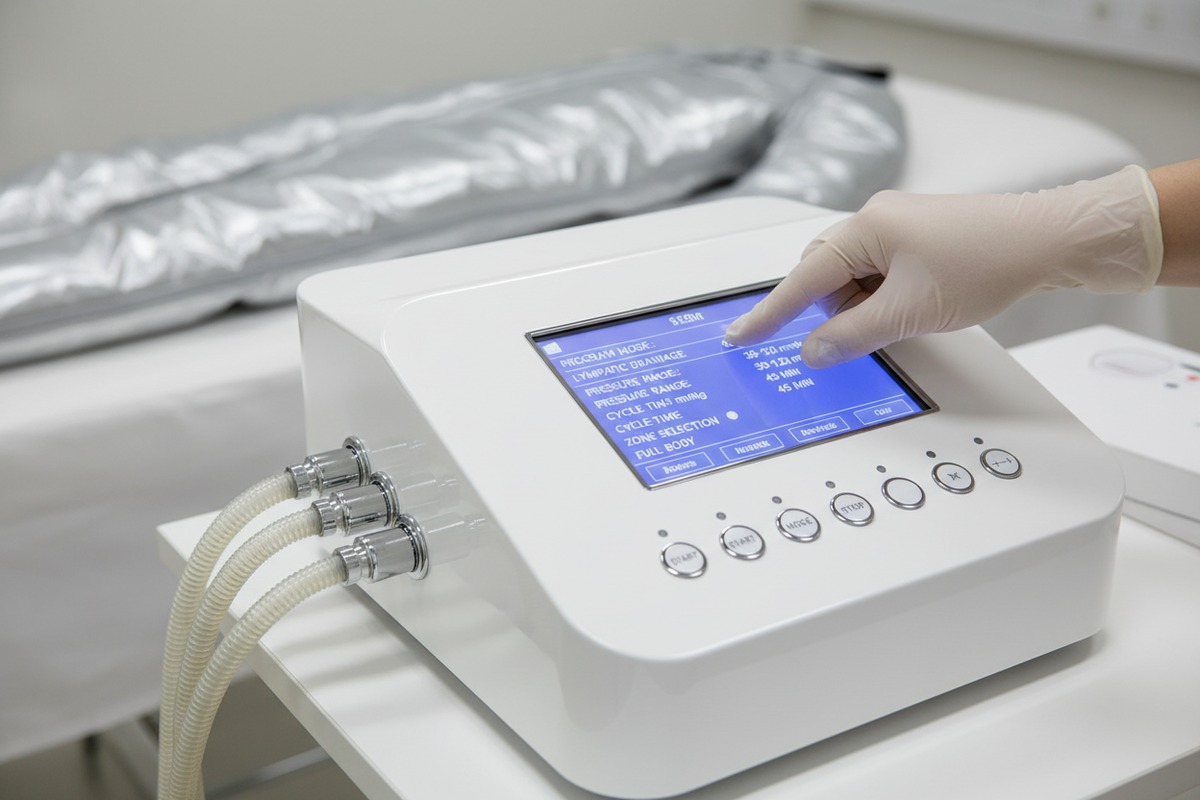
Essential Technical Specifications
Pressure range is critical for training purposes. Students need to experience the full spectrum of treatment intensities. Our standard training models offer 20-200 mmHg ranges. This allows instructors to demonstrate both gentle lymphatic drainage and more intensive body contouring applications.
Program modes determine versatility. A machine with only three preset programs limits teaching opportunities. We recommend machines with at least 10 preset programs plus manual customization. Students should learn to adjust settings for different body types and treatment goals.
Technical Specification Comparison Table
| Specification | Minimum for Training | Recommended for Training | Why It Matters |
|---|---|---|---|
| Pressure Range | 30-150 mmHg | 20-200 mmHg | Demonstrates full treatment spectrum |
| Preset Programs | 5 | 10+ | Covers diverse treatment applications |
| Chamber Zones | 4 | 6-8 | Teaches targeted treatment techniques |
| Display Type | Basic LCD | Full-color touchscreen | Enhances student data interpretation |
| Treatment Timer | 30 minutes max | 60 minutes max | Allows extended practice sessions |
Interface Clarity for Learning
The control interface directly impacts learning outcomes. A cluttered interface confuses students. A clear interface builds confidence. Our engineering team designs displays with large fonts, intuitive icons, and logical menu structures.
Look for machines that display real-time pressure readings, elapsed time, and active zones simultaneously. Students need to correlate what they see on the screen with what the client experiences. This builds diagnostic thinking skills.
Durability Considerations
Training environments are harsh. Machines get used by dozens of students daily. Buttons get pressed thousands of times per semester. Tubing gets connected and disconnected repeatedly.
Ask suppliers about component ratings. How many connection cycles can the tubing ports handle? What is the expected lifespan of the compressor under heavy use? Our training-grade machines use reinforced connectors rated for 10,000+ cycles.
Software and Data Features
Modern pressotherapy training should include software interface instruction. Students need to understand data tracking for client progress. They should learn to make personalized treatment adjustments based on recorded outcomes.
Some suppliers offer machines with cloud connectivity for treatment logging. This prepares students for professional practice where documentation is essential. Ask whether the software allows instructors to review student treatment records.
How do I verify that a manufacturer can customize the machine's operating interface to match my proprietary curriculum?
Our development team receives customization requests weekly. Some are simple. Others require months of engineering work. The difference often comes down to whether the school asked the right questions before ordering.
Verify customization capability by requesting previous institutional customization examples, asking for a technical feasibility assessment, and obtaining written specifications before purchase. Request demo units with proposed modifications. Confirm whether software updates can be deployed remotely and who retains ownership of custom interface elements.
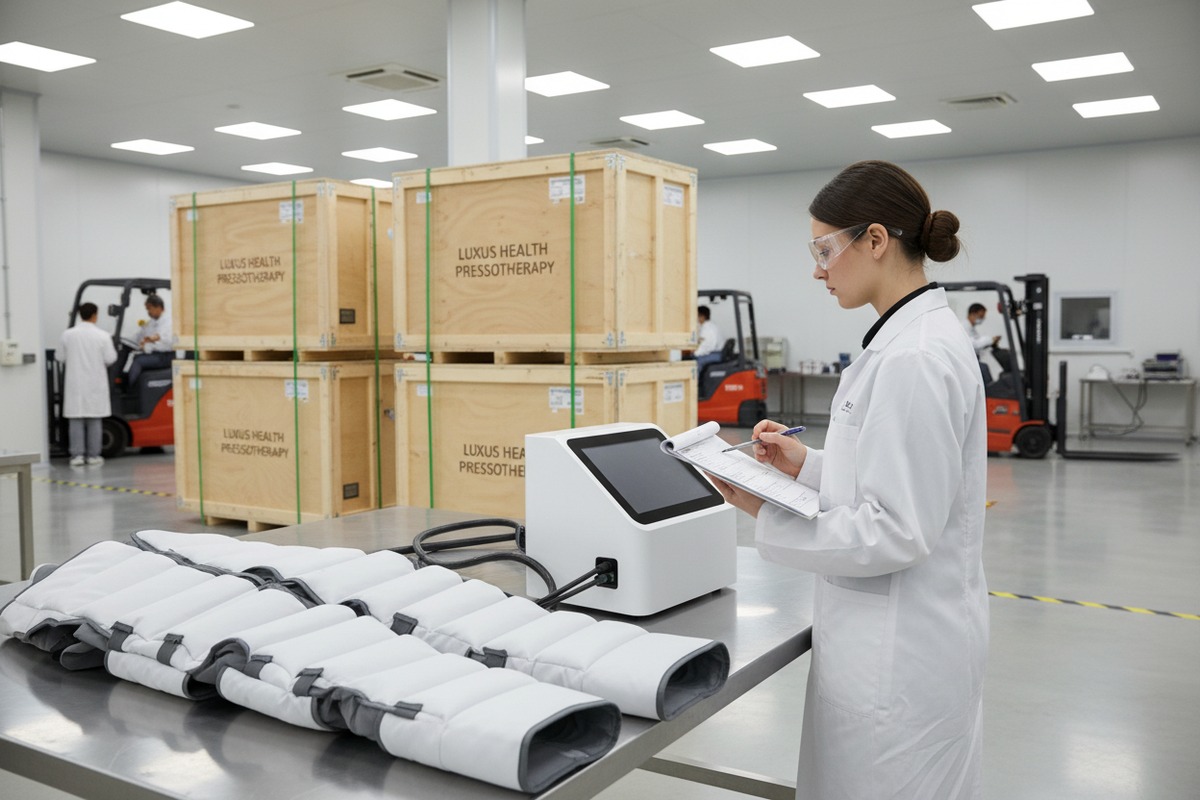
Levels of Interface Customization
Not all customization requests are equal. Simple changes include logo placement, color schemes, and menu language. These typically require minimal engineering time. Most suppliers can accommodate these within standard production timelines.
Intermediate customization involves preset program modifications, custom treatment protocol libraries, and modified data display layouts. These require software development but use existing platform architecture. Expect 4-8 weeks of additional lead time.
Advanced customization means developing new features, integrating with school management systems, or creating entirely new interface workflows. This requires dedicated engineering resources and extended timelines. Budget accordingly.
Customization Capability Assessment Table
| Customization Level | Typical Scope | Lead Time | Cost Impact |
|---|---|---|---|
| Basic | Logo, colors, language | 1-2 weeks | Minimal |
| Intermediate | Program presets, data layouts, protocol libraries | 4-8 weeks | Moderate |
| Advanced | New features, system integration, custom workflows | 3-6 months | Significant |
Questions to Ask Suppliers
Start with portfolio questions. Can you show examples of previous educational institution customizations? Which schools have you worked with? May we contact them as references?
Move to technical questions. What platform does your interface run on? Can software updates be deployed remotely? Who owns the intellectual property of custom developments? What happens if we need modifications after deployment?
Finish with practical questions. Will you provide demo units with proposed customizations before we commit? What is the warranty coverage on custom software elements? How do we report bugs or request features post-purchase?
Documentation Requirements
Get everything in writing. A verbal promise of customization capability means nothing when delivery deadlines approach. Request formal technical specifications that detail exactly what modifications will be made.
Include acceptance criteria in your purchase agreement. How will you verify that customizations meet your requirements? What is the process if modifications do not work as expected? Who bears the cost of corrections?
Protecting Your Curriculum Investment
If you are integrating proprietary curriculum content into machine interfaces, clarify intellectual property ownership. Your treatment protocols and educational content remain yours. The supplier should not repurpose your custom elements for other clients without permission.
Consider whether you need exclusive customization rights. If your interface modifications give you competitive advantage, you may want contractual protection against suppliers offering similar customizations to competing schools.
What quality control evidence should I demand to ensure these machines are durable enough for my classroom environment?
We run every unit through 72 hours of continuous operation before it leaves our facility. This catches problems that shorter tests miss. Classroom environments demand this level of scrutiny because student training involves constant use, repeated setup, and inevitable handling mistakes.
Demand factory inspection reports, component certification documents, stress test results, and warranty terms. Request third-party quality certifications like ISO 9001 or CE marking. Ask for failure rate data from existing institutional clients. Quality control documentation should cover both manufacturing processes and final product testing.
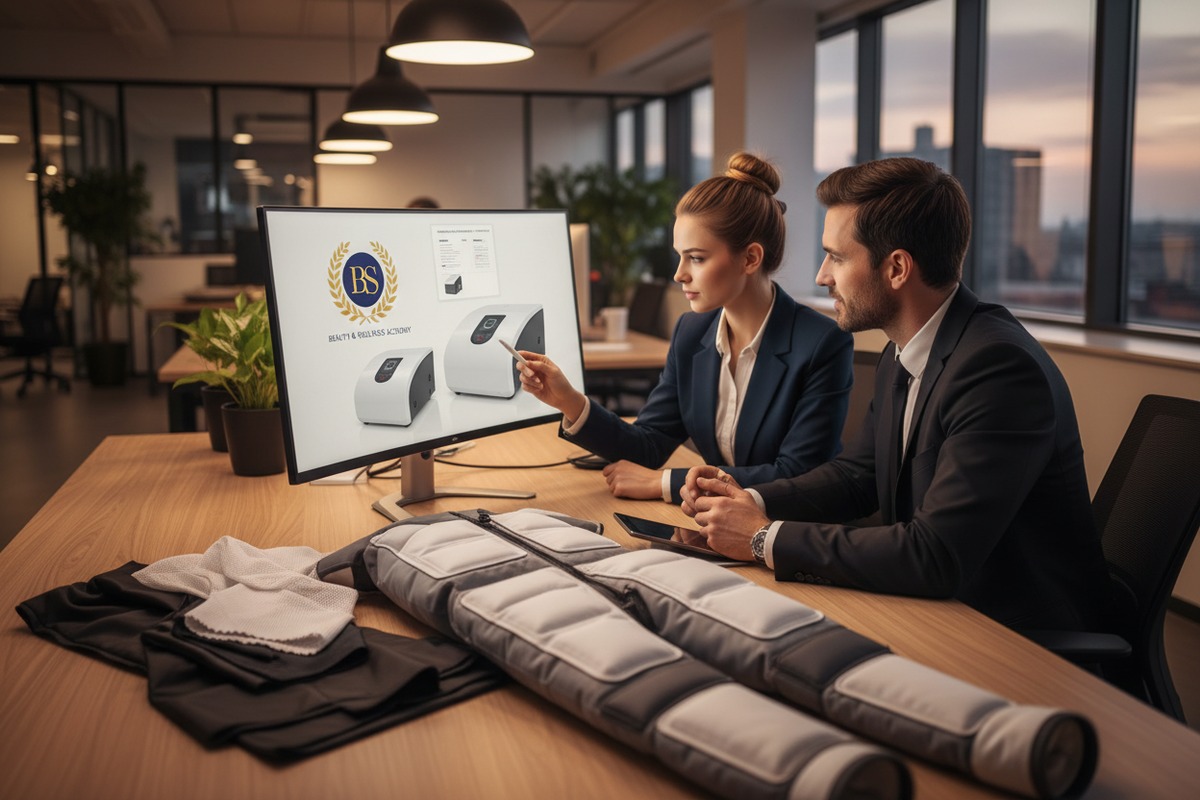
Essential Quality Control Documents
Start with manufacturing process documentation. ISO 9001 certification 6 indicates the factory follows standardized quality management systems. This matters more than individual product tests because it ensures consistency across production runs.
Product-specific certifications come next. CE marking 7 confirms compliance with European safety standards. FDA registration 8 is relevant for US markets. Medical device classifications may apply depending on how your school positions pressotherapy services.
Quality Documentation Checklist Table
| Document Type | What It Proves | Why Schools Need It |
|---|---|---|
| ISO 9001 Certificate | Standardized manufacturing processes | Ensures consistency across orders |
| CE Marking | European safety compliance | Required for many markets |
| Stress Test Reports | Durability under heavy use | Validates classroom suitability |
| Component Certifications | Quality of internal parts | Predicts long-term reliability |
| Warranty Terms | Manufacturer confidence | Protects against early failures |
Stress Testing for Educational Environments
Standard commercial testing may not reflect classroom conditions. Ask suppliers specifically about educational environment testing. How many connection cycles were tubing ports tested for? How many hours of continuous operation did test units complete?
Our classroom-rated machines undergo extended testing protocols. We simulate a semester of student use in two weeks of accelerated testing. This includes repeated garment changes, interface manipulation, and pressure cycling that mimics actual training scenarios.
Failure Rate Data
Request failure rate data from existing institutional clients. What percentage of machines required service within the first year? What were the most common failure modes? How quickly were warranty claims resolved?
Be skeptical of suppliers who cannot provide this data. Either they do not track quality metrics or they do not have significant institutional experience. Both are warning signs.
Pre-Shipment Inspection Options
Consider requiring third-party pre-shipment inspection. Independent inspectors verify that units match specifications before they leave the factory. This adds cost but prevents receiving equipment that does not meet your requirements.
At minimum, request detailed photos and test reports for each unit before shipment. Serial numbers should be recorded. Test results should be traceable to specific machines you receive.
Warranty and Support Structures
Warranty terms reveal manufacturer confidence. A 90-day warranty suggests the supplier expects problems. A two-year comprehensive warranty indicates confidence in build quality.
Look beyond warranty length to coverage scope. Does the warranty cover parts only or parts and labor? Are shipping costs for warranty repairs included? Is on-site service available or must units be returned to the factory?
Conclusion
Comparing supplier curriculums for pressotherapy machines requires systematic evaluation across training alignment, technical specifications, customization capability, and quality control evidence. Ask detailed questions, request documentation, and verify claims through references. Your students deserve equipment and training that prepares them for professional success.
Footnotes
1. Explains what pressotherapy is and how the machines work. ↩︎
2. Defines accreditation and its role in maintaining educational standards. ↩︎
3. Provides a comprehensive overview of the lymphatic system’s anatomy. ↩︎
4. Explains how pressure is measured in mmHg in medical contexts. ↩︎
5. Explains what CPD accreditation means and its global recognition. ↩︎
6. Explains ISO 9001 certification and its importance for quality management systems. ↩︎
7. Provides official information on CE marking and its legal conformity standards. ↩︎
8. Official FDA information on medical device registration and listing requirements. ↩︎

 English
 Español de México
 Deutsch
 Français
 العربية
 Русский
