
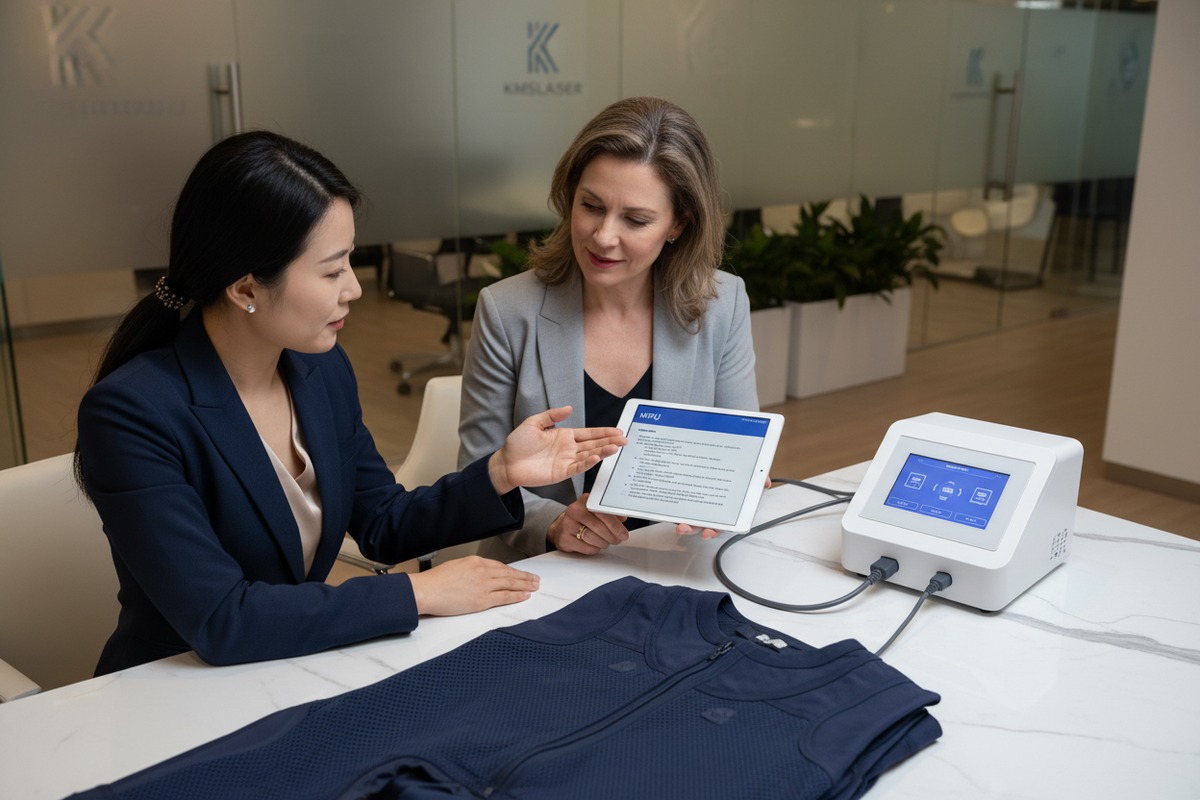
When our production team ships pressotherapy systems 1 to clinics around the world, one question comes up again and again: “How should we clean these airbags between patients?” This concern is valid. Pressotherapy airbags contact skin, absorb sweat, and trap oils FDA 510(k) clearance 2. Without proper protocols, bacteria grow. Devices degrade. Liability increases.
To ask suppliers for pressotherapy airbag cleaning and disinfection protocols when purchasing, request the Manufacturer’s Instructions for Use (MIFU), material compatibility documentation, step-by-step cleaning procedures, approved disinfectant lists, validation test data, and compliance certificates such as FDA clearance, CE marking, or ISO 17664 certification.
This guide walks you through the exact questions to ask, documents to request, and red flags to watch for ISO 17664 certification 3. Let’s dive into each critical area so you can make informed purchasing decisions and protect your brand’s reputation.
What specific documentation should I request to verify the supplier's pressotherapy airbag disinfection protocols?
When our engineering team designs new airbag materials, we always create detailed reprocessing guides material compatibility test reports 4. But many buyers never ask for them. This oversight can lead to contamination issues, damaged equipment, or failed health inspections. The right documentation protects you, your staff, and your clients.
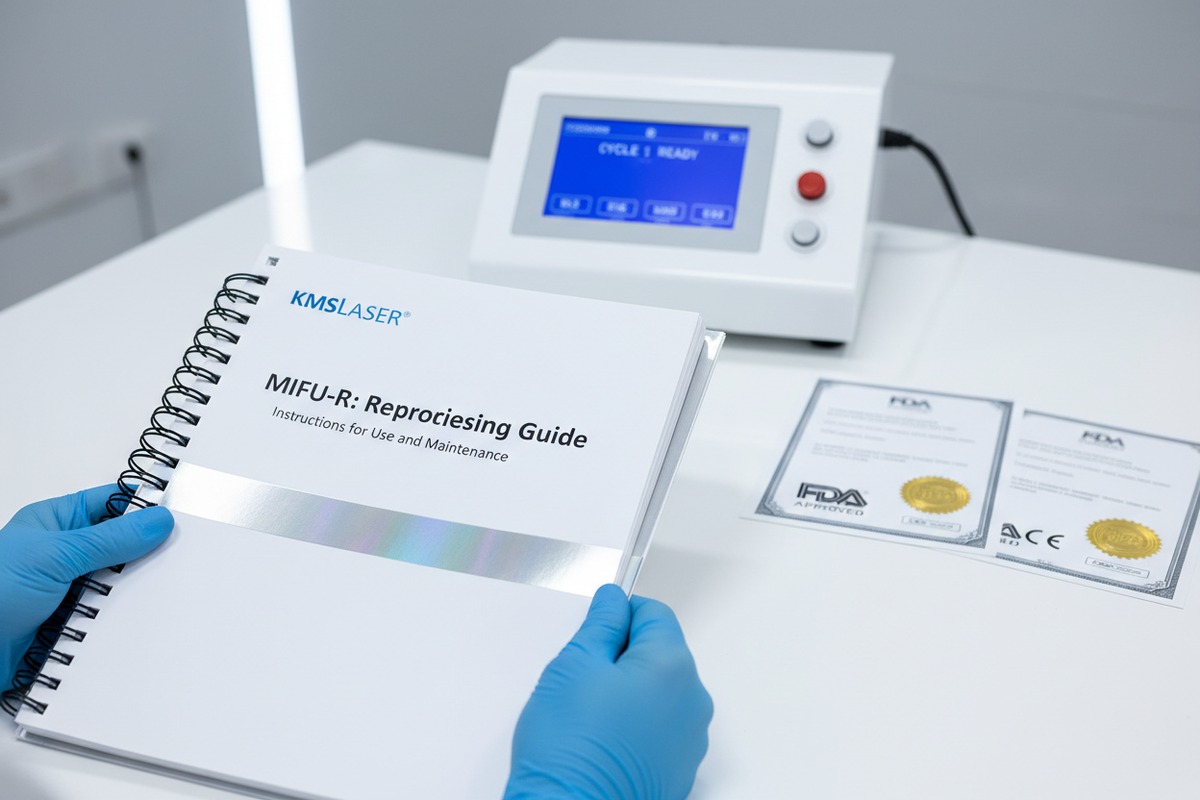
Request the Manufacturer's Instructions for Use for Reprocessing (MIFU-R), cleaning validation reports, material compatibility test results, approved disinfectant lists with concentrations, step-by-step cleaning procedures with contact times, and regulatory compliance certificates like FDA 510(k) clearance or CE marking.
Understanding MIFU-R Documentation
The MIFU-R is your primary document. It contains everything your staff needs to safely clean and disinfect the airbags. According to infection control guidelines, "XR equipment is reusable and often shared between HCP in clinical areas; however, it may not include manufacturer's instructions for use 5 (MIFU) in healthcare settings." This applies to pressotherapy systems too.
A complete MIFU-R should include:
- Pre-cleaning instructions
- Detailed cleaning steps
- Disinfection procedures
- Drying requirements
- Storage guidelines
- Frequency recommendations
Key Documents Checklist
| Document Type | What It Contains | Why You Need It |
|---|---|---|
| MIFU-R | Step-by-step reprocessing instructions | Staff training and compliance |
| Material Compatibility Report | Approved chemicals and concentrations | Prevents airbag damage |
| Cleaning Validation Data | Test results proving protocol efficacy | Regulatory compliance proof |
| Compliance Certificates | FDA, CE, ISO certifications | Market access and liability protection |
| Training Materials | Visual guides, videos, quick reference cards | Consistent staff execution |
Questions to Ask Your Supplier
When contacting suppliers, use these specific questions:
- "Can you provide your complete MIFU-R documentation?"
- "Do you have cleaning validation test reports?"
- "Which disinfectants have been tested for material compatibility?"
- "What regulatory standards does your protocol meet?"
- "Do you offer staff training resources?"
According to medical device reprocessing standards 6, "Medical devices that are not accompanied by validated MIFU must not be used or reprocessed." This rule applies to your pressotherapy purchases. If a supplier cannot provide proper documentation, consider it a major red flag.
How can I confirm that the airbag materials will withstand the medical-grade disinfectants my brand requires?
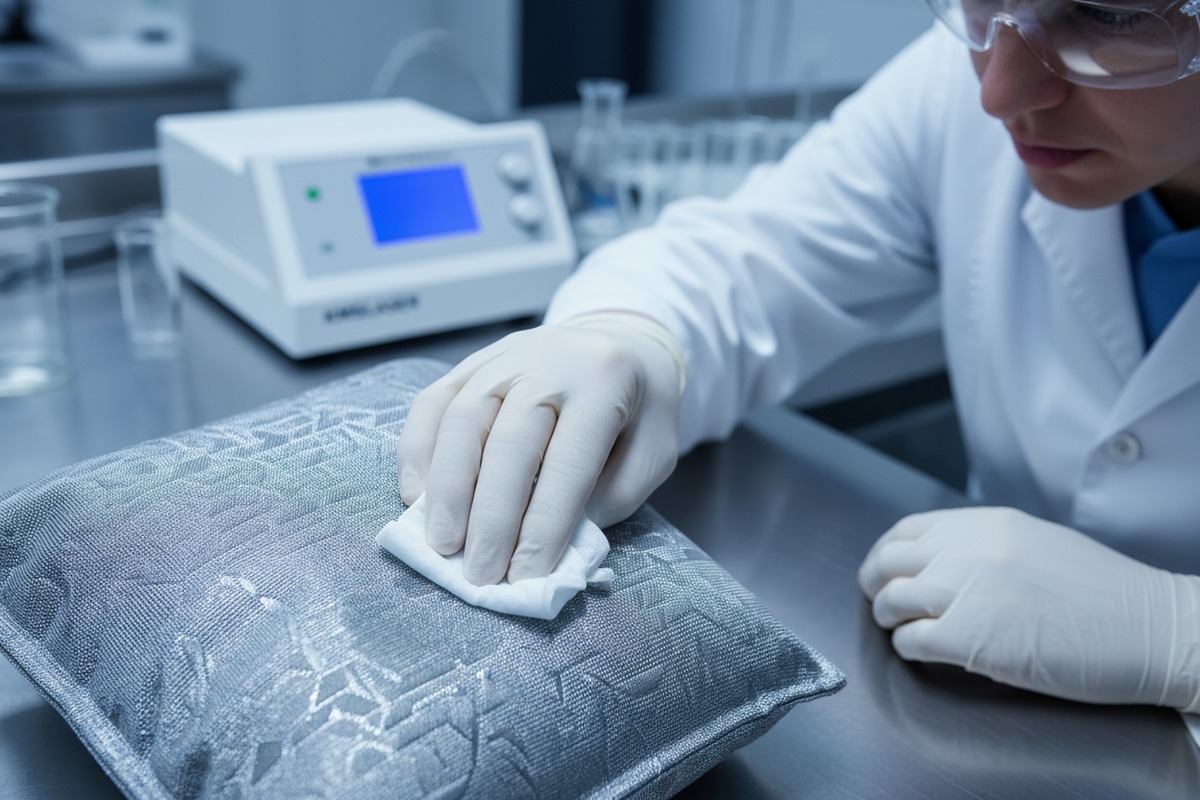
In our factory, we test every airbag material against common disinfectants before production. But not all manufacturers do this. Using the wrong disinfectant can cause cracking, discoloration, or material breakdown. Your warranty becomes void. Your clients complain. Your reputation suffers.
Confirm material compatibility by requesting the supplier's material compatibility test reports, asking for the specific disinfectant agents tested, verifying test conditions match your intended use, checking for signs of degradation documented after repeated exposure, and ensuring your required disinfectants appear on the approved list.
Why Material Compatibility Matters
Research shows that "disinfectants and cleaning agents applied to surfaces and products, in formats such as liquids, sprays, and vapours, have the potential to cause chemical damage as well as changes in the visual appearance and physical properties of the materials." Pressotherapy airbags typically contain fabric, plastic, or acrylic components. Each reacts differently to disinfectants.
Common issues include:
- Plastic cracking from alcohol exposure
- Fabric weakening from bleach
- Acrylic clouding from chlorine
- Seal degradation from hydrogen peroxide
Common Disinfectants and Material Risks
| Disinfectant Type | Concentration | Safe For | Avoid On |
|---|---|---|---|
| 70-75% Isopropyl Alcohol | Medical grade | Most plastics, metals | Some acrylics, rubber seals |
| Quaternary Ammonium | Per manufacturer | Fabrics, hard surfaces | LCD displays, certain plastics |
| Sodium Hypochlorite (Bleach) | 1-2% solution | Hard plastics, fabrics | Acrylics, colored materials |
| Hydrogen Peroxide | 3-6% | Most surfaces | Rubber, some fabrics |
| Chlorine-based | 2000mg/L | Hard surfaces | Acrylic components |
Testing Standards to Look For
Medical device safety testing requires manufacturers to verify compatibility. According to industry guidelines, "material compatibility should be tested according to TIR recommendations" and "worst-case disinfection cycle times and conditions should be used for material compatibility studies."
Ask suppliers these questions:
- "What testing standard did you follow for compatibility testing?"
- "How many disinfection cycles were tested?"
- "Were tests conducted at room temperature and elevated temperatures?"
- "Did you test both liquid and spray application methods?"
- "Can you provide photos or reports showing post-test material condition?"
Red Flags in Supplier Responses
Watch for these warning signs:
- Vague answers like "it works with most disinfectants"
- No written compatibility documentation
- Refusal to name specific tested products
- Claims that testing is unnecessary
- Inability to provide test lab certificates
The EU Medical Device Regulation 7 emphasizes "there is growing emphasis on compatibility, risk of contaminants and verification of the cleaning, decontamination and sterilisation of a product based on its' instructions for use." Your suppliers should demonstrate compliance with these principles.
What questions should I ask to ensure the recommended cleaning process won't compromise the product's lifespan?
We design our pressotherapy systems to last 5-7 years with proper care. But we have seen competitors' equipment fail in months because of improper cleaning. The wrong water temperature, excessive scrubbing, or harsh chemicals can slash product lifespan dramatically. Your investment deserves protection.
Ask suppliers about maximum reprocessing cycles the airbags can withstand, water temperature limits for cleaning, drying method requirements, indicators of material degradation to monitor, recommended replacement schedules, and whether over-disinfection warnings are included in the protocol.

Understanding Lifespan Factors
Several factors affect how long your pressotherapy airbags last:
- Cleaning frequency
- Disinfectant concentration
- Water temperature
- Drying method
- Storage conditions
- Usage intensity
Industry standards note that devices must be tested "to determine the life expectancy of these devices" through compatibility studies. This testing should simulate repeated use over the expected product lifetime.
Critical Lifespan Questions
| Question | Why It Matters | Acceptable Answer |
|---|---|---|
| "How many cleaning cycles can airbags withstand?" | Determines replacement schedule | Specific number (e.g., 500+ cycles) |
| "What is the maximum water temperature?" | Prevents fabric shrinkage and seal damage | Clear limit (e.g., under 40°C) |
| "Are there mechanical cleaning restrictions?" | Prevents abrasion damage | Specific guidance (e.g., soft cloth only) |
| "What drying method do you recommend?" | Prevents mold and material stress | Air dry, ventilated area |
| "How can staff identify degradation signs?" | Enables proactive replacement | Checklist of visual indicators |
Cleaning Process Best Practices
Based on manufacturer guidelines, follow these principles:
Water Temperature
Keep cleaning water below 40°C. Hot water can shrink fabrics and damage seals. Some airbag materials become brittle when exposed to heat repeatedly.
Mechanical Action
Use gentle wiping rather than scrubbing. Aggressive cleaning wears down surface coatings and weakens seams. Soft microfiber cloths work best.
Drying Requirements
Air dry in ventilated areas. Never use heat dryers or direct sunlight. Moisture trapped inside airbags promotes bacterial growth.
Chemical Concentration
Follow exact dilution instructions. Stronger is not better. Over-concentrated disinfectants cause material stress cracking.
Frequency Considerations
Different settings require different frequencies:
- Clinical multi-patient use: Clean and disinfect before and after each treatment
- Single-patient home use: Daily wipe-down, weekly deep clean
- High-volume spa settings: Between every client, plus end-of-day deep clean
Experts debate frequency, with some arguing that "over-disinfection risks material wear." Find the balance that maintains hygiene without excessive exposure to chemicals.
Documentation for Warranty Protection
Request written confirmation of:
- Expected lifespan under normal use
- Cleaning protocol that maintains warranty
- Actions that void the warranty
- Replacement part availability
- Extended warranty options
How do I evaluate if a manufacturer's sanitation guidelines meet the strict compliance standards of my local market?
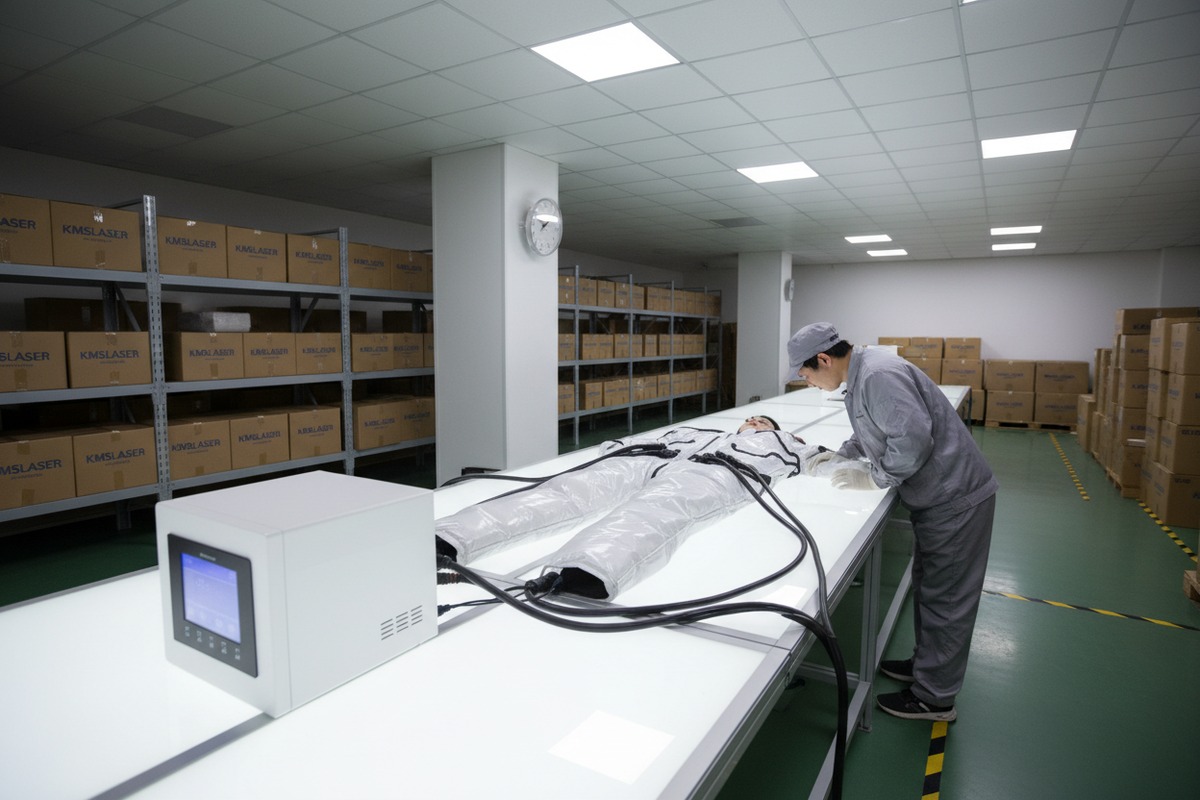
When we export to the US, Europe, and Canada, our team must ensure protocols meet each region's specific requirements. What passes in one market may fail in another. FDA expectations differ from CE requirements. Your local health inspector has specific checkboxes. Non-compliance means fines, shutdowns, or worse.
Evaluate compliance by comparing the manufacturer's protocols against your local regulatory standards, requesting third-party validation testing documentation, verifying the protocol addresses all required steps like pre-cleaning, disinfection, and drying, confirming training requirements are specified, and checking that the documentation format meets your health authority's expectations.
Key Regulatory Standards by Market
| Market | Primary Standards | Key Requirements |
|---|---|---|
| United States | FDA 21 CFR 801.5, CDC Guidelines | Validated IFU, cleaning efficacy data |
| European Union | EU MDR 2017/745, ISO 17664 | CE marking 8, comprehensive MIFU |
| Canada | Health Canada, CSA Z314-18 | Provincial standards compliance |
| Australia | TGA requirements | ARTG listing, IFU compliance |
| International | ISO 13485, ISO 14971 | Quality management, risk assessment |
Understanding ISO 17664 Requirements
This international standard specifies "requirements for the information to be provided by the medical device manufacturer for the processing of a medical device that requires cleaning followed by disinfection and/or sterilization." Your supplier's documentation should address:
- Limitations on processing
- Number of reprocessing cycles allowed
- Equipment needed for cleaning
- Personnel qualifications
- Quality control measures
Compliance Evaluation Checklist
When reviewing a supplier's protocol, verify it includes:
Pre-Cleaning Phase
- Point-of-use instructions
- Soil removal procedures
- Time limits before cleaning
Cleaning Phase
- Step-by-step instructions
- Detergent specifications
- Water quality requirements
- Contact times
- Rinsing procedures
Disinfection Phase
- Approved agents with concentrations
- Application method
- Contact time requirements
- Safety precautions
Post-Processing Phase
- Drying requirements
- Inspection criteria
- Storage conditions
- Documentation requirements
Training and Competency Requirements
Infection control standards emphasize that "cleaning is only as effective as the people performing it." Ask suppliers:
- "Do you provide training materials?"
- "What competency verification do you recommend?"
- "Are training videos or visual guides available?"
- "How do you support ongoing education?"
- "Can you provide multilingual resources?"
Cleaning validation standards require that "each clinical unit/area is responsible ensuring that staff are trained to adhere to the protocol." Your supplier should support this requirement.
Documentation Format Matters
Health inspectors look for specific documentation elements:
- Clear step numbers
- Measurable parameters (time, temperature, concentration)
- Visual aids or photographs
- Troubleshooting guidance
- Emergency procedures
- Record-keeping templates
If a supplier's protocol is vague, incomplete, or poorly formatted, request revisions before purchasing. Professional documentation reflects professional manufacturing.
Regional Compliance Comparison Table
| Compliance Element | FDA (US) | CE (EU) | Health Canada |
|---|---|---|---|
| Validated IFU Required | Yes | Yes | Yes |
| Material Compatibility Data | Recommended | Required | Required |
| Cleaning Efficacy Testing | Required for 510(k) | Required | Required |
| Training Documentation | Recommended | Recommended | Required |
| Risk Assessment | Required | Required | Required |
| Post-Market Surveillance | Required | Required | Required |
Conclusion
Asking the right questions about pressotherapy airbag cleaning protocols protects your business, your clients, and your reputation. Request complete MIFU-R documentation, verify material compatibility, understand lifespan impacts, and confirm regulatory compliance. Take these steps before signing any purchase agreement.
Footnotes
1. Replaced 404 link with an authoritative explanation of pressotherapy. ↩︎
2. Replaced 404 link with the official FDA explanation of 510(k) premarket notification. ↩︎
3. Describes the international standard for information provided by manufacturers for medical device processing. ↩︎
4. Emphasizes the FDA’s requirement for assessing material compatibility in medical devices. ↩︎
5. Details FDA requirements and content for medical device instructions for use. ↩︎
6. Highlights a key standard (ANSI/AAMI ST98) for cleaning validations of reusable medical devices. ↩︎
7. Explains the comprehensive regulatory framework for medical devices in the European Union. ↩︎
8. Explains the CE marking process and its significance for medical devices in the EU. ↩︎

 English
 Español de México
 Deutsch
 Français
 العربية
 Русский
