
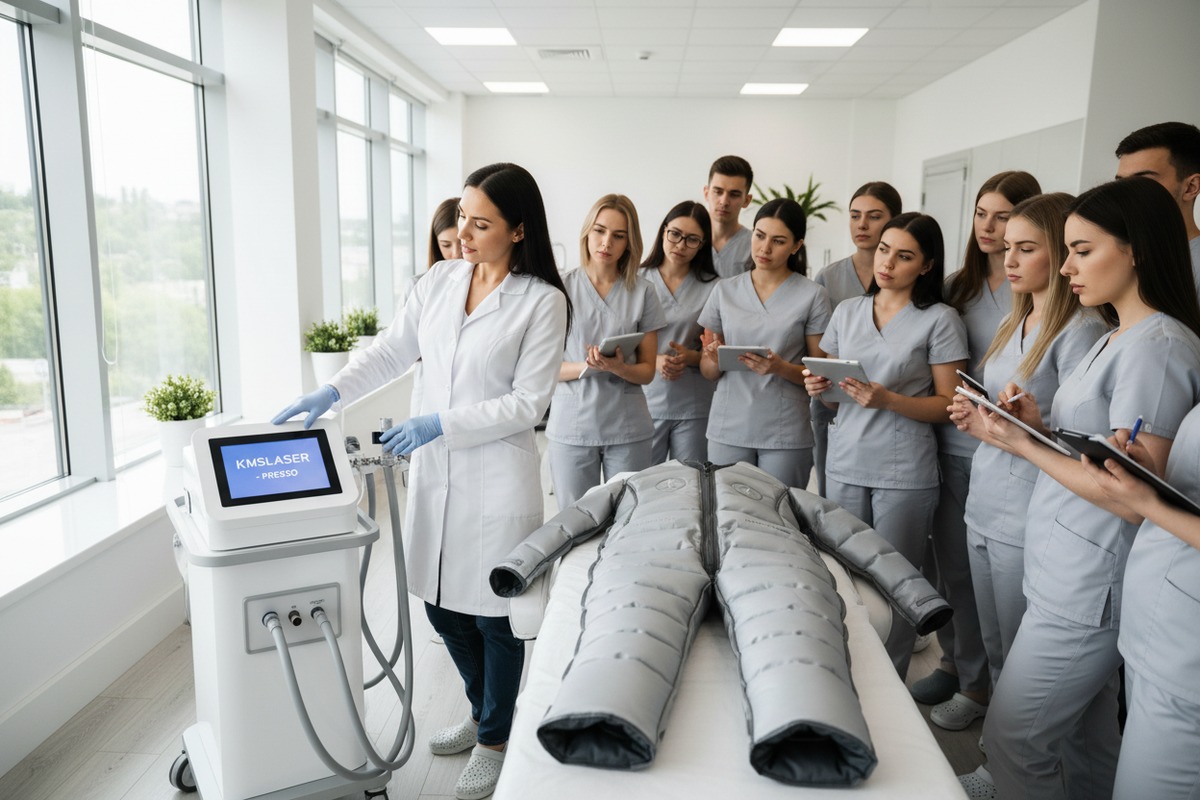
Working on our production floor, we see the same questions from beauty schools and training centers every month Rubber seals and rings 1. The machines come back with bent tubes, stained suits, and mystery pressure issues. Students cycle through equipment fast. Instructors struggle to keep everything in working order voltage compatibility 2. Without a solid maintenance plan, expensive machines break down before the semester ends.
Proper pressotherapy machine maintenance for student practical training requires daily sanitization of garments using medical-grade disinfectant wipes, regular inspection of air tubes and connections for leaks, proper storage in cool dry conditions, and annual professional servicing. These steps protect equipment longevity and ensure consistent treatment outcomes during multi-user educational sessions.
Let’s break down each critical maintenance area so your training program runs smoothly without equipment failures or hygiene concerns.
How do I properly sanitize pressotherapy suits after multiple student training sessions?
Hygiene failures in multi-user training environments create real problems Electrical system safety check 3. Skin infections spread. Students complain. Your reputation suffers. Our factory team has worked with dozens of training academies facing this exact challenge. The good news? Proper sanitization is simpler than most people think.
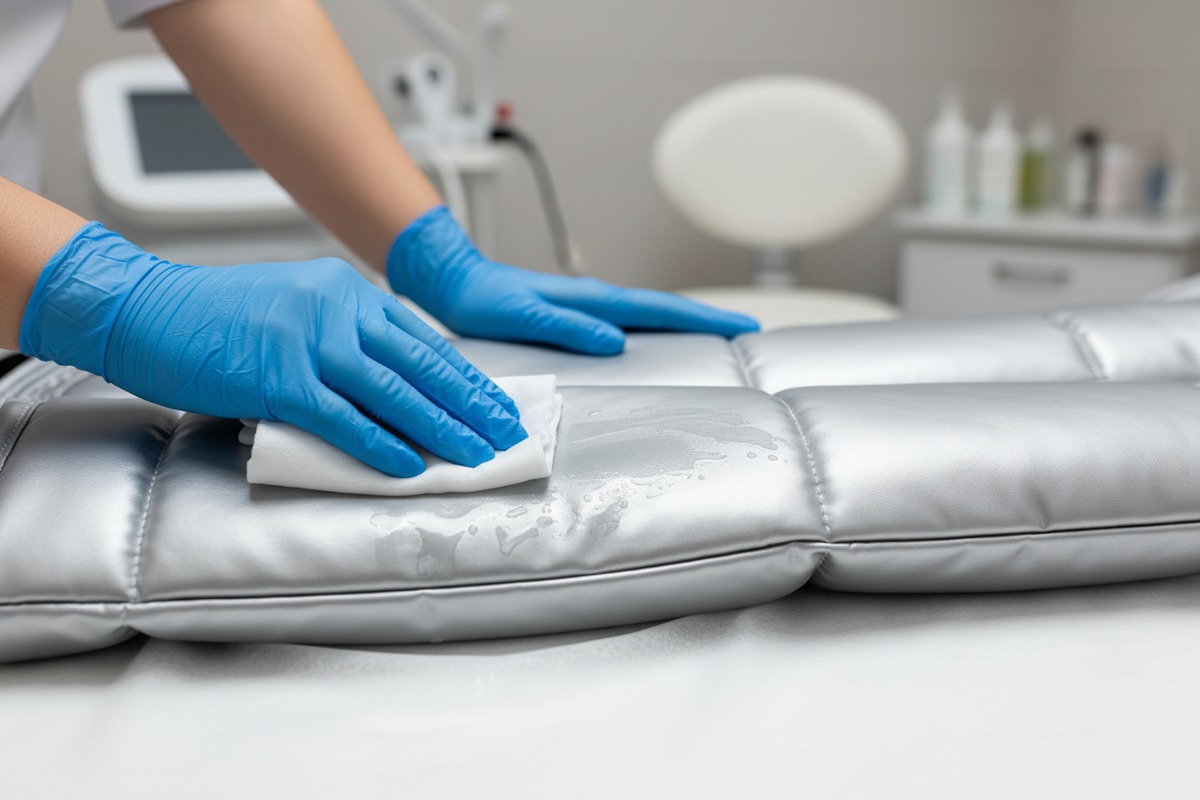
After each student training session, wipe pressotherapy garments gently with a soft cloth dampened with medical-grade disinfectant or mild detergent solution under 40°C. Never machine wash, wring, iron, or immerse garments in liquid. Allow garments to air-dry completely before repackaging or reuse to prevent bacterial growth.
Understanding Garment Material
Pressotherapy garments differ from regular clothing. They contain air chambers 4, internal tubing connections, and specialized water-resistant fabric 5s. These materials react poorly to harsh cleaning methods.
Most professional pressotherapy suits use durable, water-resistant fabric that simplifies cleaning. However, this durability comes with limitations. The fabric cannot tolerate high heat, aggressive chemicals, or mechanical stress.
Step-by-Step Sanitization Protocol
Here is the process we recommend for training environments:
- Unplug the machine and disconnect all air tubes from the garments
- Lay the garment flat on a clean surface
- Dampen a soft cloth with medical-grade disinfectant 6 solution
- Wipe all surfaces gently, paying attention to areas that contact skin
- Use a dry soft cloth or towel to remove excess moisture
- Hang or lay flat in a well-ventilated area
- Allow complete air-drying before storage or next use
Cleaning Frequency Table
| Session Type | Cleaning Level | Frequency |
|---|---|---|
| After each student use | Quick wipe-down with disinfectant | Every session |
| End of training day | Thorough surface cleaning | Daily |
| Weekly maintenance | Deep inspection and extended cleaning | Once weekly |
| Heavy soil or contamination | Detailed cleaning with antiseptic solution | As needed |
What Not to Do
The most common mistakes we see from training centers:
- Machine washing: Destroys internal air chamber integrity
- Wringing or twisting: Damages seams and connections
- Ironing or heat drying: Melts adhesives and warps materials
- Immersing in liquid: Traps moisture inside air chambers
- Using harsh chemicals: Degrades fabric coating and causes cracking
What daily maintenance steps should I prevent air leaks in my pressotherapy equipment?
Air leaks represent the number one equipment issue we hear about from training centers. One small leak means inconsistent pressure. Inconsistent pressure means unreliable treatments. Students learn bad habits when equipment doesn't perform correctly. Our engineering team designed our machines with leak prevention in mind, but all equipment requires proper daily care.
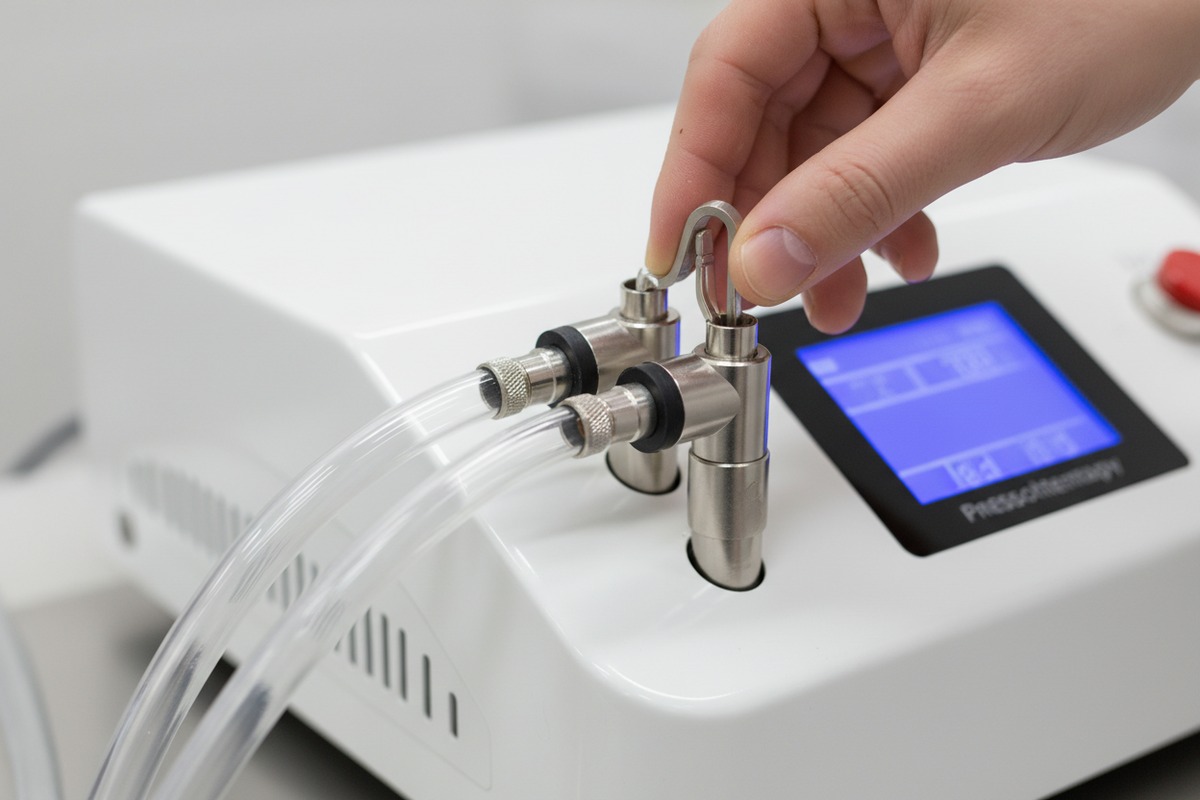
To prevent air leaks, inspect all tubes, pipes, and connections before and after each use for damage, cracks, or loose fittings. Check rubber rings and seals at connection points. Keep tubes straight during operation and storage. Replace damaged components immediately. Regular visual inspection catches 90% of leak issues before they affect treatment quality.
Why Air Leaks Happen
Pressotherapy equipment includes a central unit with a compressor 7 that pumps air through tubes to inflatable chambers in the garment. Any break in this system causes pressure loss.
Common leak sources include:
- Connection points: Where tubes meet the machine or garments
- Rubber seals and rings: These wear out over time
- Tube damage: Cracks, punctures, or kinks
- Garment chamber damage: Tears or punctures in air cells
Daily Inspection Checklist
| Component | What to Check | Warning Signs |
|---|---|---|
| Air tubes | Cracks, kinks, holes | Visible damage, hissing sounds |
| Connection fittings | Secure attachment, seal condition | Loose fit, air escaping at joints |
| Rubber rings/seals | Wear, deformation, missing rings | Flattened rings, air gaps |
| Garment chambers | Punctures, seam separation | Uneven inflation, soft spots |
| Control unit ports | Debris, damage | Poor tube connection, blockage |
Pre-Class Setup Routine
Before students arrive each day:
- Power on the machine and run a brief test cycle
- Listen for hissing sounds indicating air escape
- Feel tube connections for air movement during inflation
- Check that all chambers inflate evenly and fully
- Verify pressure readings match expected levels
- Document any issues in a maintenance log
Quick Fixes for Common Issues
When you find a leak during inspection, here are immediate solutions:
Missing rubber ring: Connections that have lost their rubber ring will leak air between parts. Replace the ring immediately. Keep spare rings on hand.
Loose connection: Some connections simply need tightening. Verify proper tube installation direction—chamber 1 always sits farthest from the heart and connects to the longest tube.
Minor tube damage: Small punctures may be temporarily sealed with appropriate tape, but plan for tube replacement soon.
Storage Practices That Prevent Leaks
How you store equipment directly affects leak development:
- Store tubes unkinked and unbent
- Avoid placing heavy objects on tubes or garments
- Keep equipment in a cool, dry place (5-40°C)
- Disconnect power and air connections after use
- Store away from direct sunlight and heat sources
How can I troubleshoot pressure inconsistencies in my machines during student practical exams?
Nothing disrupts a practical exam like equipment that won't cooperate. Students get nervous. Instructors get frustrated. Assessment results become questionable. We've helped training centers develop troubleshooting protocols that solve most pressure issues in minutes.
To troubleshoot pressure inconsistencies during exams, first check tube connections and rubber seals for leaks. Verify voltage compatibility (100-240V, 50/60Hz). Inspect for kinked tubes blocking airflow. Test each chamber independently. If pressure remains weak, check battery level on portable units or try a different power outlet. Document issues and contact authorized service if problems persist.
Common Pressure Problems and Solutions
Pressure inconsistencies fall into predictable patterns. Understanding these patterns helps you diagnose problems quickly.
Diagnostic Flowchart
When pressure issues occur, work through this sequence:
Step 1: Check Power Supply
- Is the machine plugged in and turned on?
- Is voltage correct for your region?
- For portable units, is battery sufficiently charged?
Step 2: Inspect Physical Connections
- Are all tubes properly connected?
- Are rubber seals intact at connection points?
- Are tubes free of kinks or compression?
Step 3: Test Individual Chambers
- Does the issue affect all chambers or specific ones?
- Are chambers inflating in correct sequence?
- Is inflation even across the garment?
Step 4: Verify Settings
- Are pressure settings appropriate for the treatment?
- Is the correct program selected?
- Are timing settings correct?
Troubleshooting Quick Reference
| Symptom | Likely Cause | Solution |
|---|---|---|
| No inflation in any chamber | Power issue, master connection | Check power, main tube connection |
| One chamber not inflating | Disconnected tube, chamber damage | Reconnect tube, inspect chamber |
| Weak pressure overall | Battery low, voltage mismatch, compressor fatigue | Charge battery, verify voltage, rest machine |
| Uneven pressure between sides | Tube connection error, blockage | Check tube routing, verify connections |
| Pressure drops during treatment | Air leak at connection | Inspect and replace seals/rings |
| Intermittent pressure | Loose connection, damaged valve | Tighten connections, inspect valves |
Voltage and Power Considerations
Pressotherapy machines typically operate on 100-240V at 50/60Hz frequency. Problems arise when:
- Equipment designed for 220V operates on 110V (requires transformer)
- Power outlets deliver inconsistent voltage
- Extension cords cannot handle required amperage
- Multiple machines overload a single circuit
What Students and Instructors Should NOT Do
Certain troubleshooting attempts create bigger problems:
- Do not open the control unit: Internal repairs must be done by authorized technicians 8
- Do not force connections: If a tube won't connect, check for debris or damage
- Do not bypass safety features: These exist to protect equipment and users
- Do not operate with wet hands or near liquids: Electrical hazard
When to Stop and Call for Help
Pressure issues that persist after basic troubleshooting require professional attention. Continuing to operate faulty equipment risks:
- Equipment damage
- Inaccurate treatment delivery
- Safety hazards
- Warranty voiding
Where can I find a professional care checklist to ensure my pressotherapy machines last longer in a classroom setting?
Equipment longevity matters for training budgets. Replacing machines costs thousands. Proper care extends equipment life by years. We've compiled the essential checklist based on manufacturer guidelines and real-world training center experiences.
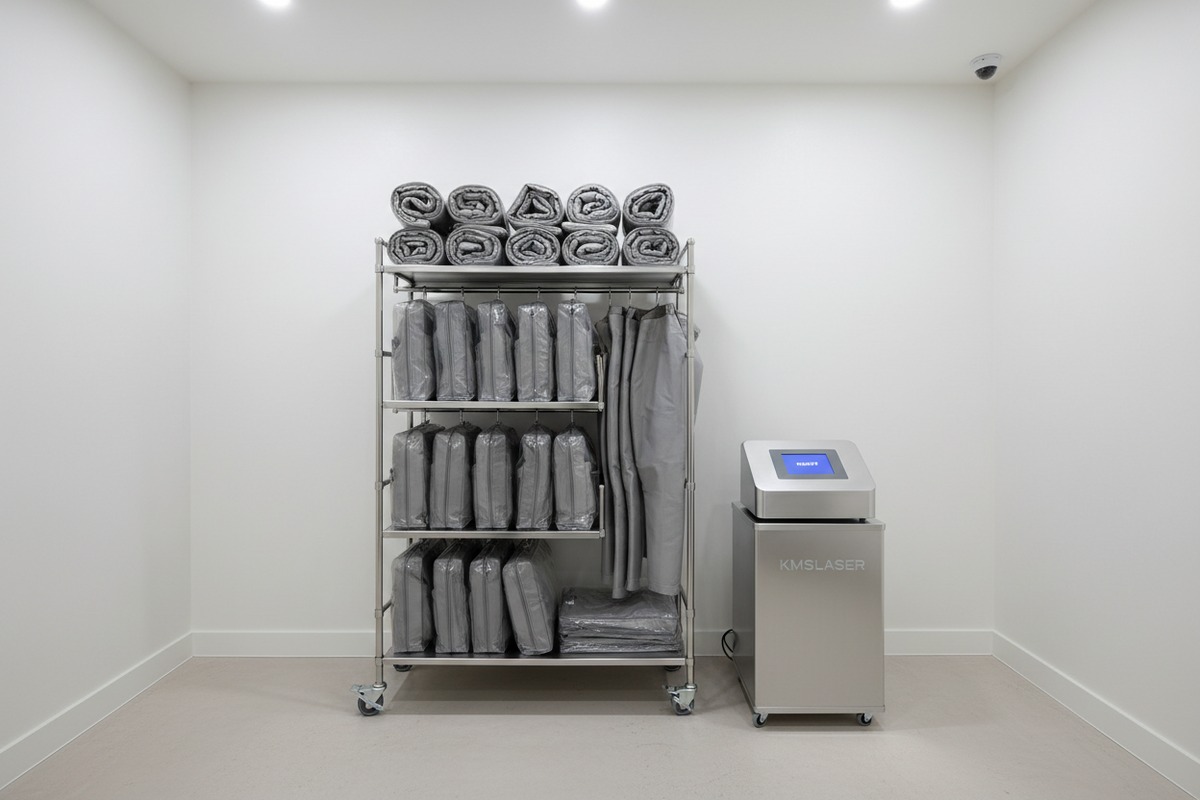
A professional pressotherapy machine care checklist should include daily cleaning protocols, pre-use inspection procedures, proper storage guidelines (cool, dry, 5-40°C, 15-93% humidity), electrical safety checks, component replacement schedules, and annual professional servicing by authorized technicians. Document all maintenance activities and keep records for warranty purposes.
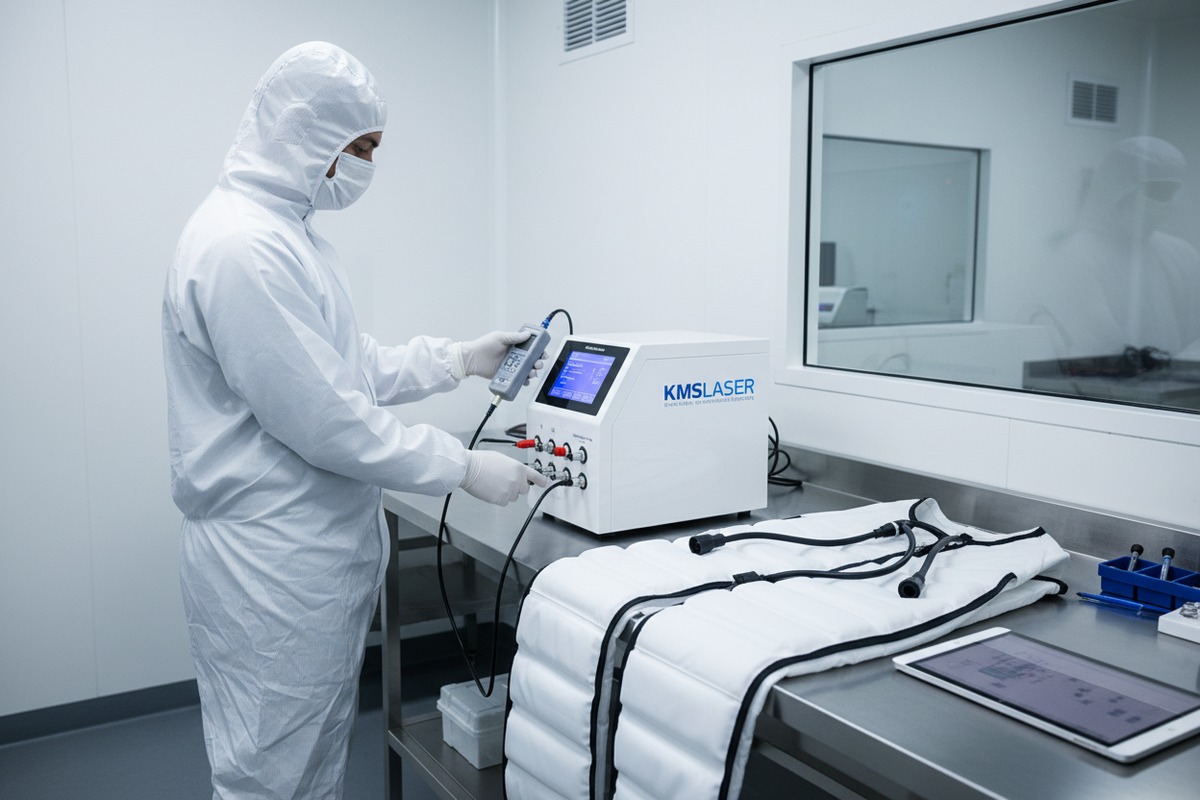
Complete Maintenance Schedule
Effective maintenance requires consistent routines at different intervals.
Daily Maintenance Checklist
- Unplug machine before cleaning
- Wipe main unit with dry or slightly damp cloth
- Sanitize garments with medical-grade disinfectant
- Inspect tubes for damage and proper connection
- Verify all chambers inflate correctly
- Check rubber seals at connection points
- Store equipment properly at end of day
- Document any issues observed
Weekly Maintenance Checklist
- Deep clean all garments and accessories
- Inspect tube length for cracks or wear
- Check electrical cord for fraying or damage
- Test all program modes for proper function
- Verify pressure calibration accuracy
- Clean air intake vents on control unit
- Review and update maintenance log
- Inventory spare parts (rubber rings, seals)
Monthly Maintenance Checklist
- Comprehensive garment inspection for wear
- Detailed tube and connection assessment
- Control unit exterior deep cleaning
- Verify storage conditions meet specifications
- Review usage patterns and adjust as needed
- Order replacement parts if inventory low
- Update training documentation if needed
Annual Professional Service
Professional servicing every 12 months by authorized technicians should include:
- Internal component inspection
- Compressor performance verification
- Pressure sensor calibration 9
- Electrical system safety check
- Software updates if applicable
- Full system performance testing
- Documented service report
Storage Specifications
| Parameter | Recommended Range | Notes |
|---|---|---|
| Temperature | 5-40°C | Avoid extreme heat or cold |
| Humidity | 15-93% RH | Prevent moisture damage |
| Atmospheric pressure | 700-1060 hPa | Standard conditions |
| Sunlight exposure | None/minimal | Direct sun damages components |
| Proximity to flammables | Avoid | Safety requirement |
Documentation Best Practices
Maintain records for:
- Equipment serial numbers and purchase dates
- Daily inspection logs
- Issue reports and resolutions
- Professional service records
- Warranty documentation
- Student usage logs (helpful for tracking wear patterns)
Building a Spare Parts Kit
Keep these items on hand:
- Rubber rings and seals (multiple sizes)
- Replacement tubes (if compatible with your model)
- Medical-grade disinfectant wipes
- Soft cleaning cloths
- User manual copies
- Contact information for authorized service centers
Cost-Benefit of Proper Maintenance
Training centers that follow comprehensive maintenance protocols typically see:
- 40-60% longer equipment lifespan
- Fewer disrupted training sessions
- Reduced emergency repair costs
- Better student learning outcomes
- Higher satisfaction from all stakeholders
Conclusion
Proper pressotherapy machine maintenance for student practical training combines daily sanitization, leak prevention, troubleshooting knowledge, and systematic care protocols. Following these guidelines protects your investment, ensures reliable equipment performance, and creates better learning experiences for students.
Footnotes
1. Discusses materials and applications of O-rings and seals in medical devices. ↩︎
2. References the international standard for electrical safety of medical electrical equipment. ↩︎
3. Refers to the international standard for electrical safety testing of medical equipment. ↩︎
4. Correct Wikipedia page for intermittent pneumatic compression, which describes devices containing air chambers. ↩︎
5. Wikipedia page that comprehensively covers both waterproof and water-resistant fabrics, including their properties and distinctions. ↩︎
6. Provides CDC guidelines for disinfection in healthcare settings. ↩︎
7. Provides a general overview of air compressors and their operational principles. ↩︎
8. Highlights the importance of certified professionals for medical equipment maintenance. ↩︎
9. Explains the scientific basis and importance of pressure measurement and calibration. ↩︎

 English
 Español de México
 Deutsch
 Français
 العربية
 Русский
