
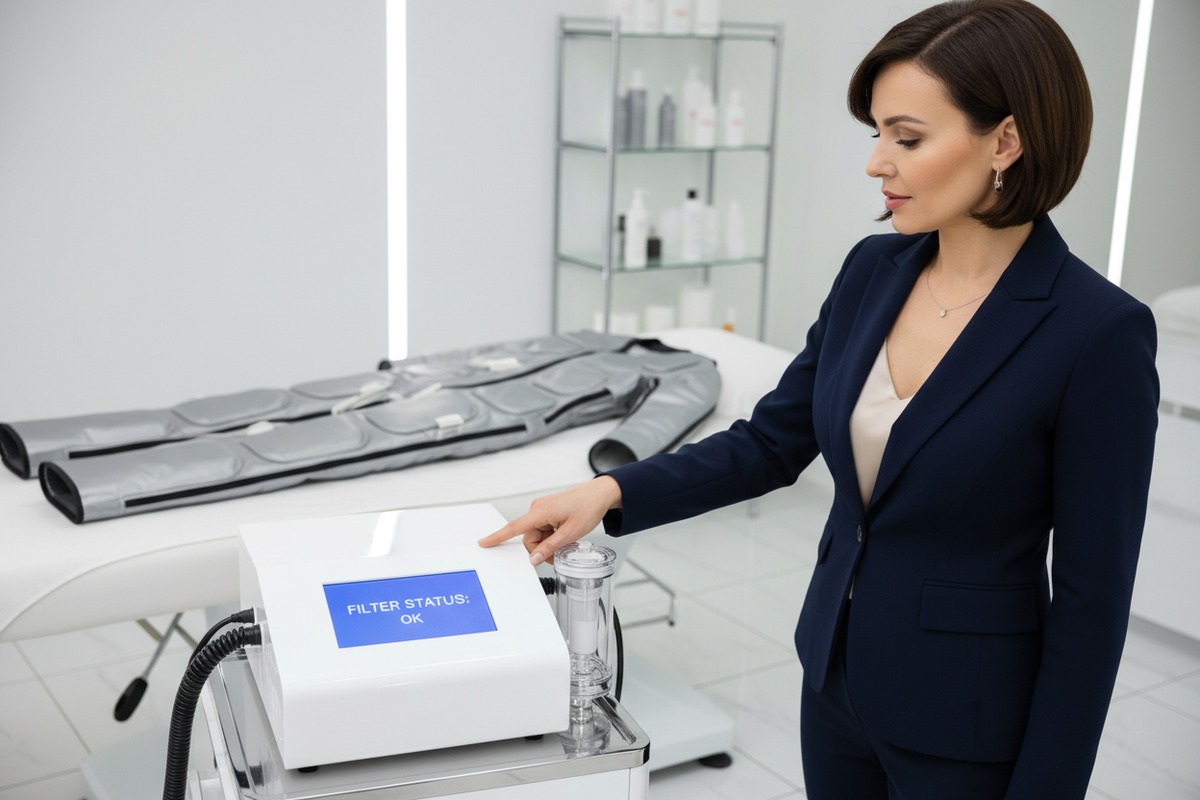
Every week, our production team receives calls from salon owners struggling with clogged filters and confusing maintenance routines twist-lock mechanisms 1. The frustration is real. A dirty filter can drop your machine’s suction power 2 by up to 50%. pressotherapy machine filter 3 Worse, improper cleaning can void your warranty entirely.
To determine if a pressotherapy machine filter is easy to replace and clean, check for external filter placement, tool-free snap-in or twist-lock mechanisms, transparent housing for visual inspection, and manufacturer guidelines that emphasize simple rinse-and-wipe protocols. These features indicate user-friendly maintenance design.
In this guide, we will walk you through the exact steps to evaluate filter accessibility, cleaning ease, customization options, and build quality water-resistant materials 4. Let us help you make a smarter purchasing decision.
How can I identify if the filter location allows for tool-free replacement in my daily operations?
When we design pressotherapy systems at our facility, filter placement is one of the first things our engineers consider ODM services 5. external filter placement 6 Poor placement leads to frustrated users and costly service calls. The good news is that spotting a well-designed filter location takes just a few seconds material certifications 7.
Look for filters mounted externally on the back or side panel of the machine. Easy-to-replace filters feature snap-in, plug-in, or twist-lock attachments that require no screwdrivers or special tools. Quick-release mechanisms allow non-technicians to swap filters in under two minutes without voiding warranties.
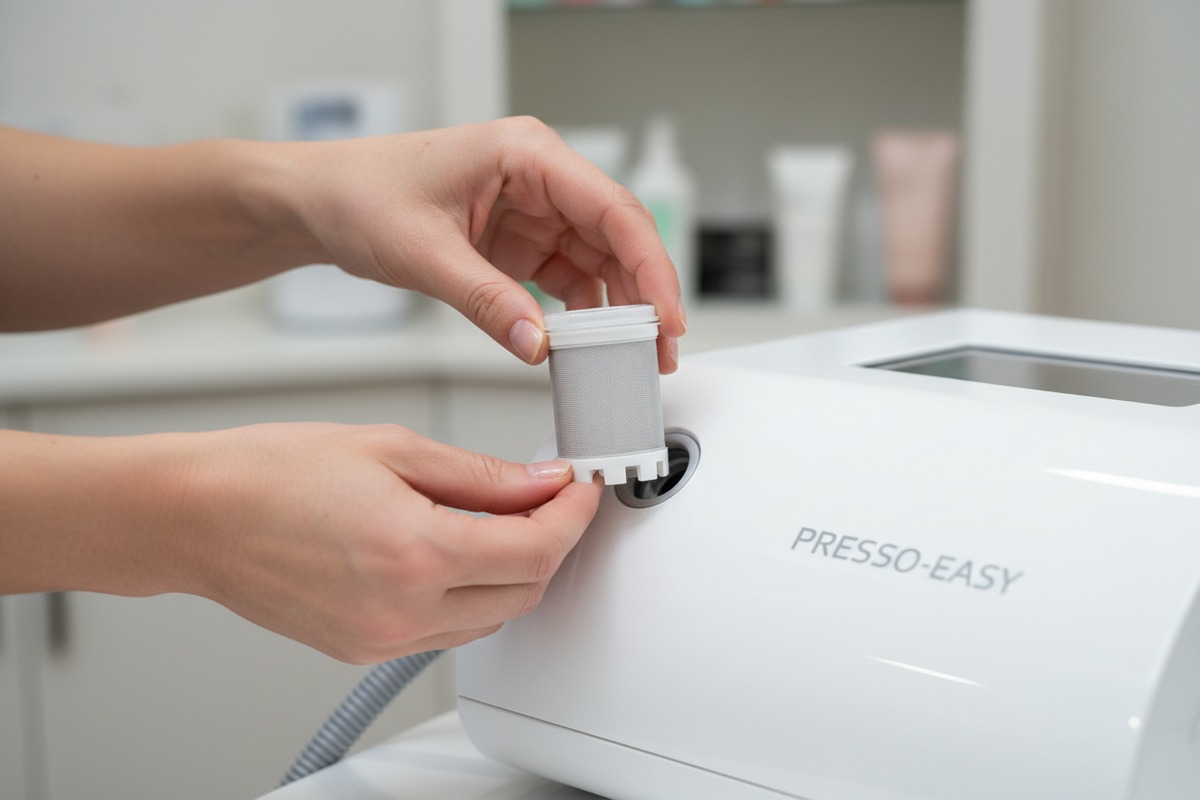
Why External Placement Matters
Internal filters buried inside the machine body create problems. You need to open panels, disconnect wires, and sometimes remove other components. This wastes time and increases the risk of damage.
External filters, by contrast, sit where you can see and reach them. Many modern pressotherapy machines now place filters on the back panel. This design allows salon staff to check and replace filters between client sessions.
Key Attachment Methods to Look For
Different attachment systems offer varying levels of convenience. Here is a comparison:
| Attachment Type | Tool Required | Replacement Time | Skill Level Needed |
|---|---|---|---|
| Snap-in | No | Under 1 minute | Beginner |
| Twist-lock | No | 1-2 minutes | Beginner |
| Plug-in cartridge | No | Under 2 minutes | Beginner |
| Screw-mounted | Yes | 5-10 minutes | Intermediate |
| Bolted internal | Yes | 10-30 minutes | Technician |
Our experience shipping to US and European salons shows that snap-in and twist-lock systems get the best feedback. Salon owners appreciate not having to call a technician for routine maintenance.
The Quick Test Before You Buy
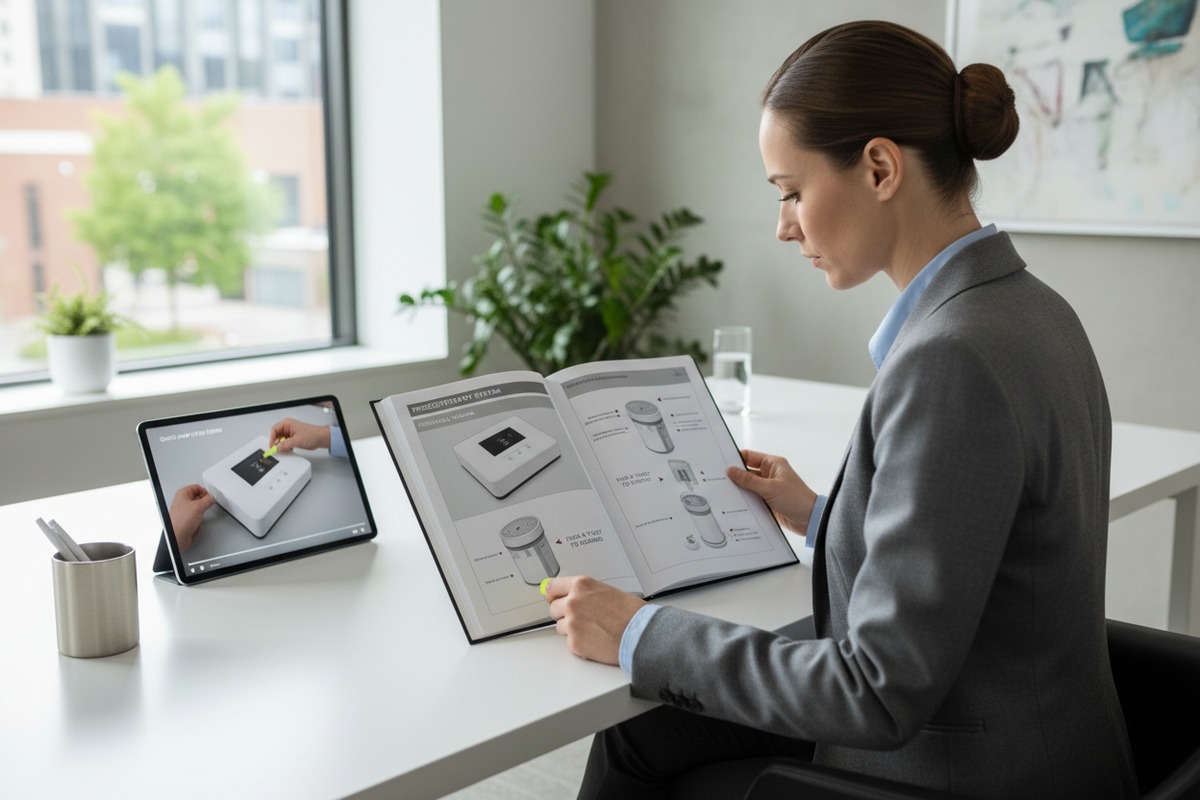
Before purchasing any pressotherapy machine, perform this simple check. Ask the supplier for the maintenance manual. Look for phrases like "tool-free removal" or "quick-release filter." If the manual shows complex disassembly steps, consider another model.
You can also request a video demonstration. A confident manufacturer will happily show how fast and easy the filter swap is. If they hesitate, that tells you something.
Modular Design Benefits
Modular filter assemblies take convenience further. These systems use standardized cartridges that pop in and out. When one filter wears out, you replace just that piece. You do not need to touch other components.
This approach saves money over time. It also means your staff can handle maintenance without specialized training. For busy salons running multiple treatments daily, this efficiency adds up fast.
What design indicators tell me the pressotherapy filter is easy to clean without damaging the internal components?
Our quality control team tests every filter design before we approve it for production. We have seen filters that look simple but actually trap debris in hard-to-reach corners. The best filters combine smart materials with thoughtful shapes.
Easy-to-clean pressotherapy filters feature smooth surfaces, rounded edges, and water-resistant materials like PU or high-quality cloth. Look for transparent housing that lets you see debris buildup, color-changing indicators, and manufacturer instructions that specify simple rinse-and-wipe cleaning with water and mild soap.

Material Choices That Simplify Cleaning
The filter material determines how easy or difficult cleaning will be. Some materials trap particles deep inside their fibers. Others release debris with a simple rinse.
| Material Type | Cleaning Method | Reusable | Drying Time | Durability |
|---|---|---|---|---|
| PU-coated fabric | Damp wipe | Yes | 5-10 minutes | High |
| Washable mesh | Water rinse | Yes | 15-30 minutes | Medium-High |
| Paper/cellulose | Not washable | No | N/A | Low |
| Foam | Mild soap 8 wash | Yes | 30-60 minutes | Medium |
| Antimicrobial cloth | Wipe or rinse | Yes | 10-20 minutes | High |
Our engineers prefer PU-coated and antimicrobial cloth options. They clean fast and dry quickly. This matters when you have back-to-back appointments.
Visual Inspection Features
You should not have to guess when a filter needs cleaning. Good design makes the filter condition obvious.
Transparent housing 9 lets you see debris accumulation at a glance. Some advanced models include color-changing indicators. The filter element shifts color as it collects particles. When it reaches a certain shade, you know it is time to clean.
Safe Cleaning Protocols
Always disconnect the machine from power before cleaning. This basic safety step prevents electrical accidents.
For most pressotherapy filters, the cleaning process is straightforward. Remove the filter using the quick-release mechanism. Rinse under lukewarm water. Use mild soap if needed. Wipe gently with a soft cloth. Let it air dry completely before reinstalling.
Avoid harsh detergents or abrasive scrubbers. These can damage the filter material and reduce its lifespan. Our manuals always stress this point because we have seen expensive filters ruined by improper cleaning products.
Frequency Guidelines
Cleaning frequency depends on usage intensity. Here is a general guideline based on our customer feedback:
- Light use (1-3 treatments daily): Clean weekly
- Moderate use (4-7 treatments daily): Clean every 2-3 days
- Heavy use (8+ treatments daily): Clean daily or after every procedure
Regular cleaning prevents vacuum pressure drops. A clogged filter can reduce suction by 20-50%, making treatments less effective.
Warning Signs of Poor Design
If a filter has deep grooves, tight corners, or mesh that traps debris permanently, cleaning becomes a struggle. Filters that require disassembly for proper cleaning are also problematic. These designs lead to shortcuts, incomplete cleaning, and eventual performance issues.
Can I customize the filter assembly to ensure my salon clients have a hassle-free maintenance experience?
When distributors approach us for OEM partnerships, filter customization is often high on their list. They want their brand associated with easy maintenance. This builds customer loyalty and reduces support calls.
Yes, many manufacturers offer customizable filter assemblies. Options include branded quick-release cartridges, custom color-coded components for easy identification, upgraded antimicrobial materials, and private-labeled maintenance kits. Work with suppliers who provide ODM services to develop filters tailored to your clients' needs.
What Can Be Customized
Filter customization goes beyond just adding your logo. Here are the main options available:
Filter housing design: Modify the shape for easier grip or add ergonomic features. Some clients request larger pull tabs for staff with limited hand mobility.
Material upgrades: Switch from standard mesh to antimicrobial fabrics. This appeals to salons focused on hygiene and premium positioning.
Color coding: Use different colors for different filter types or replacement schedules. Blue for monthly, red for weekly, for example. This reduces confusion for salon staff.
Capacity adjustments: Larger filters for high-volume salons. Smaller, lighter options for mobile practitioners.
Working with OEM/ODM Suppliers
Not all manufacturers offer the same level of customization. When evaluating suppliers, ask these questions:
- Do you offer filter customization as part of your ODM service?
- What is the minimum order quantity for custom filters?
- Can you provide samples before full production?
- How do custom filters affect warranty coverage?
- What is the lead time for custom filter development?
At our facility, we work closely with brand owners to develop filter solutions that match their market positioning. A premium brand serving high-end spas needs different features than a budget-friendly option for home users.
Creating Maintenance Kits
Consider bundling filters with complementary items. A maintenance kit might include:
- Replacement filters (3-6 months supply)
- Cleaning solution (mild, approved formula)
- Microfiber cleaning cloths
- Illustrated cleaning guide
- Replacement schedule card
These kits create recurring revenue and ensure your clients maintain their equipment properly. Proper maintenance means fewer warranty claims and happier end users.
Balancing Simplicity and Functionality
There is a tension between over-simplification and professional needs. Home users want foolproof designs. Professional salon staff can handle slightly more complex systems if they deliver better performance.
Our recommendation is to aim for the middle ground. Make filters easy enough that any staff member can handle routine maintenance. But do not sacrifice filtration quality for extreme simplicity.
Future Trends in Filter Customization
The industry is moving toward smart integration. Some brands now request filters compatible with mobile app monitoring. The app tracks usage and sends replacement reminders. This technology appeals to tech-savvy salon owners who want to streamline operations.
Sustainability is another growing concern. Reusable washable filters are increasingly preferred over disposables. Custom antimicrobial treatments extend time between cleanings while maintaining hygiene standards.
How do I verify that the filter's build quality meets my standards for long-term durability and performance?
Before any pressotherapy machine leaves our factory, it passes through multiple quality checkpoints. We understand that filter failure means unhappy customers and damaged reputations. Here is how you can apply similar standards when evaluating suppliers.
Verify filter build quality by requesting material certifications, checking warranty terms specific to filter components, examining seam construction and edge finishing, and asking for durability test data. High-quality filters maintain consistent airflow after 50-100 cleaning cycles and show no material degradation under normal use conditions.

Key Quality Indicators
Physical inspection reveals a lot about filter quality. Look for these signs:
Tight, even seams: Loose or uneven stitching indicates poor manufacturing. Debris can escape through gaps.
Smooth edges: Rough or sharp edges suggest cost-cutting. They also make cleaning more difficult and can damage hands.
Consistent material density: Hold the filter up to light. Uneven density means inconsistent filtration.
Secure frame attachment: The filter element should attach firmly to its housing. Loose fits allow bypass airflow.
Testing Methods You Can Request
| Test Type | What It Measures | Good Result |
|---|---|---|
| Pressure drop test | Airflow resistance | Consistent readings |
| Particle retention | Filtration efficiency | 95%+ capture rate |
| Wash cycle durability | Material longevity | No degradation after 100 washes |
| Chemical resistance | Material stability | No damage from mild cleaners |
| UV exposure | Color and material fade | Minimal change after 500 hours |
Ask your supplier for test reports. Reputable manufacturers conduct these tests and document results. If a supplier cannot provide this data, question their quality control processes.
Warranty Considerations
Filter warranty terms reveal manufacturer confidence. A filter guaranteed for 6 months suggests lower quality than one warranted for 2 years.
Read the warranty carefully. Some cover only manufacturing defects. Others include performance guarantees. The best warranties specify exactly what constitutes acceptable performance degradation.
Also check what actions void the warranty. If normal cleaning voids coverage, that is a red flag. Filters should withstand routine maintenance.
Performance Benchmarks
Monitor these metrics during use:
Suction pressure: Should remain above 3.15 kg/cm² for effective treatment. Readings below this suggest filter replacement.
Treatment time: If sessions take longer to achieve results, filter restriction may be the cause.
Noise levels: Unusual sounds often indicate airflow problems from clogged or damaged filters.
Document these measurements when the machine is new. Compare against readings over time. Gradual decline is normal. Sudden drops indicate problems.
Building Long-Term Supplier Relationships
Quality consistency matters more than any single shipment. Work with suppliers who have documented quality control systems. Ask about their inspection processes. Request photos or videos of in-production checks.
At our facility, we provide pre-shipment inspection reports with every order. This transparency builds trust and catches issues before they reach your warehouse. Look for suppliers who offer similar accountability.
Cost vs. Quality Analysis
Cheap filters seem economical until you calculate total cost of ownership. Factor in:
- Replacement frequency
- Staff time for more frequent maintenance
- Performance issues affecting client satisfaction
- Potential warranty claims from your customers
A filter that costs 30% more but lasts twice as long actually saves money. Quality filters also protect your brand reputation, which has value beyond direct costs.
Conclusion
Choosing a pressotherapy machine with easy-to-maintain filters saves time, money, and frustration. Focus on external placement, tool-free mechanisms, cleanable materials, and verified build quality. Your salon clients will thank you.
Footnotes
1. Explains the principle and mechanism of twist-lock fasteners. ↩︎
2. Defines suction power in vacuum cleaners, relevant to machine performance. ↩︎
3. Explains pressotherapy, its benefits, and how the machine works. ↩︎
4. Replaced HTTP 404 with an article explaining characteristics and applications of water-resistant materials. ↩︎
5. Explains Original Design Manufacturer (ODM) services and their role in product development. ↩︎
6. Highlights benefits of external filter placement for maintenance and capacity. ↩︎
7. Explains the importance of material certifications for quality and traceability. ↩︎
8. Defines mild soap as a gentle cleanser, suitable for sensitive applications. ↩︎
9. Discusses benefits of transparent materials, including light transmission and visual appeal. ↩︎

 English
 Español de México
 Deutsch
 Français
 العربية
 Русский
